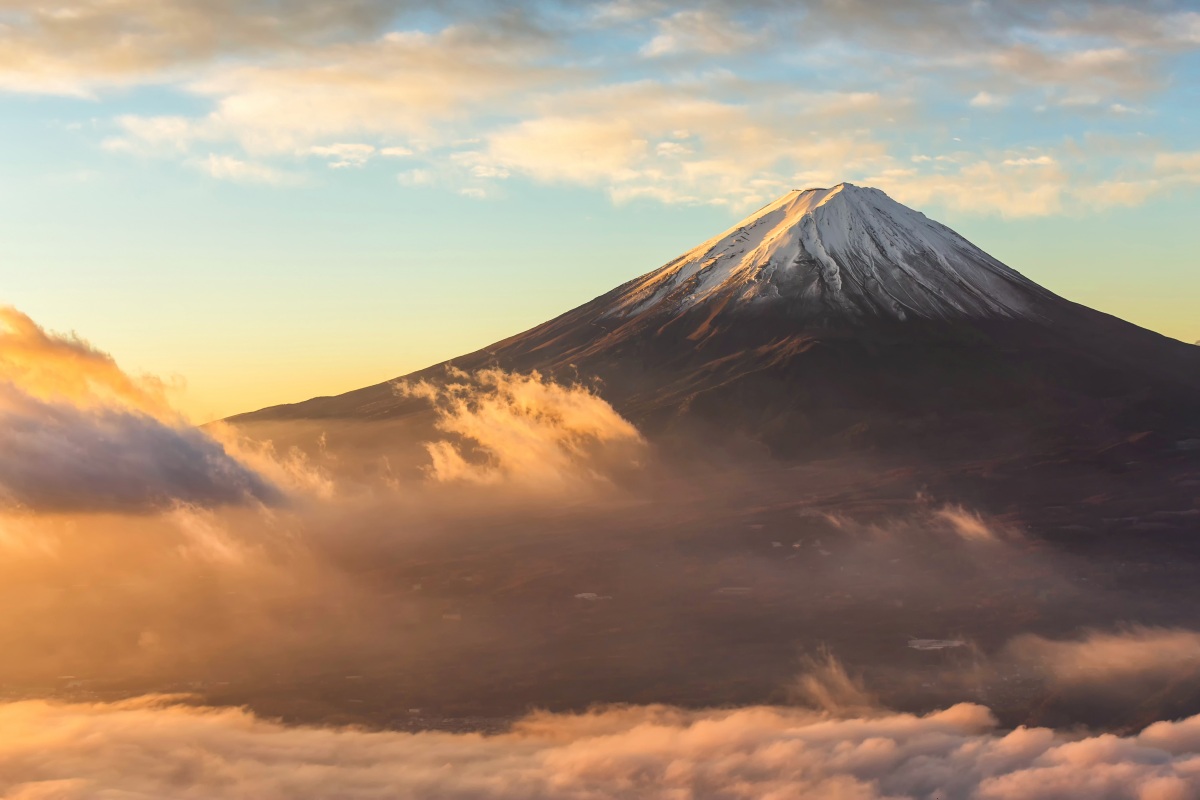
Mt. Fuji

Rising majestically at 3,776 meters, Mount Fuji stands as Japan’s tallest peak and most recognizable natural landmark, captivating visitors for centuries with its perfectly symmetrical volcanic cone. For first-time visitors to Japan, experiencing this UNESCO World Heritage Site is essential—whether by climbing to its summit, photographing its iconic silhouette, or absorbing its cultural significance. Located just 100 kilometers southwest of Tokyo, this comprehensive guide will help you discover when to visit for optimal views, where to find the most breathtaking vantage points, how to plan a climb if you’re feeling adventurous, and practical tips to make your Mt. Fuji experience truly memorable.
Why Visit Mt. Fuji?

© Heisei Enterprise
- Cultural Significance: Designated as a UNESCO World Heritage Site in 2013, Mt. Fuji has been a sacred site for centuries. The mountain embodies the Shinto belief in the spirituality of nature and has inspired countless poets, artists, and philosophers throughout Japanese history.
- Natural Beauty: Few natural formations in the world possess the almost perfect symmetry of Mt. Fuji. Its conical shape, often snow-capped against a blue sky or reflected in one of the surrounding lakes, creates breathtaking scenery that changes with each season.
- Accessibility: Unlike many of the world’s great mountains, Mt. Fuji is remarkably accessible. Just a few hours from Tokyo by train or bus, it’s possible to experience this natural wonder even on a tight schedule.
- Diverse Experiences: Whether you’re an avid hiker looking to summit, a photography enthusiast seeking the perfect shot, or a cultural explorer interested in the shrines and traditions surrounding the mountain, Mt. Fuji offers something for every type of traveler.
- Surrounding Attractions: The area around Mt. Fuji, particularly the Fuji Five Lakes region and Hakone, offers hot springs, amusement parks, museums, and beautiful natural scenery that make it worth visiting even when the mountain itself is shrouded in clouds.
Best Time to Visit Mt. Fuji
Timing your visit to Mt. Fuji requires balancing several factors: weather conditions, visibility, crowds, and your intended activities. Here’s a seasonal breakdown to help you plan:
Summer (July to early September):

- This is the official climbing season when mountain huts are open and the summit is accessible without specialized mountaineering skills.
- Weather is generally warmer, though conditions can change rapidly at higher elevations.
- July and August bring the heaviest crowds, especially on weekends and during Obon holiday (mid-August).
- Early mornings typically offer the best visibility before afternoon clouds gather.
Autumn (October to November):

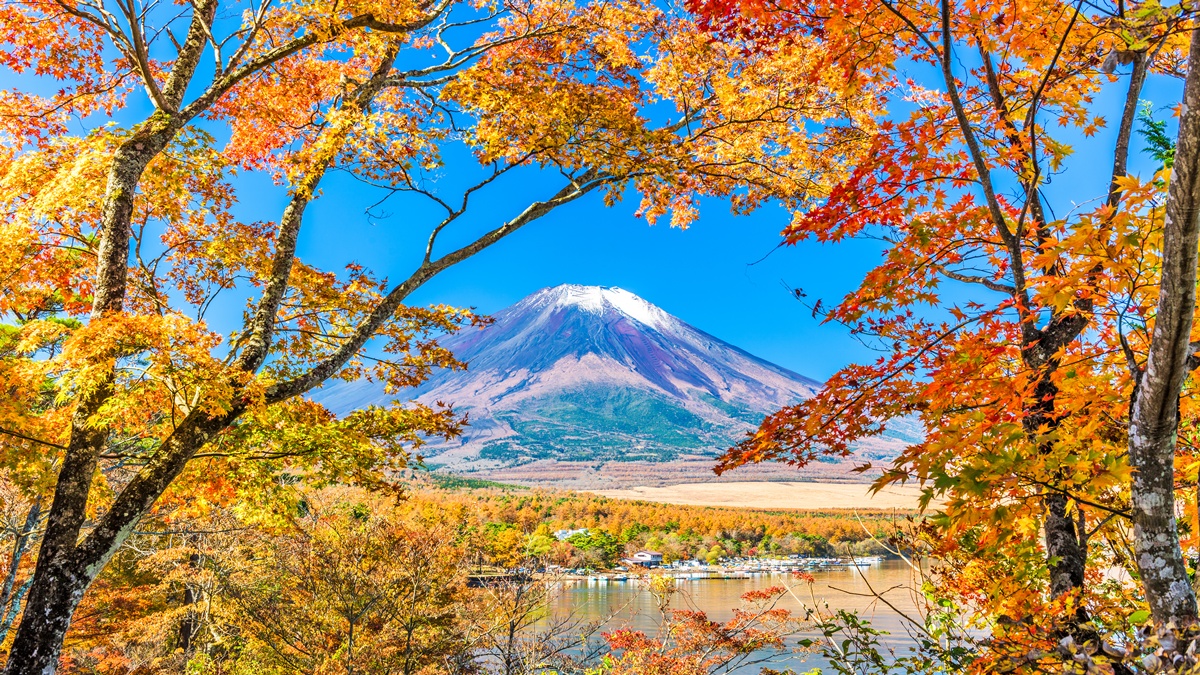
- The changing leaves create stunning foreground colors for viewing and photographing Mt. Fuji.
- Weather is generally stable with clear skies, particularly in November.
- Temperatures begin to drop, especially at night and at higher elevations.
- Climbing to the summit is not recommended as mountain facilities close and conditions become dangerous.
Winter (December to February):

- The most consistent period for clear views as the cold, dry air offers excellent visibility.
- Snow-capped Fuji against blue skies creates classic postcard images.
- The surrounding lakes sometimes freeze, adding to the scenic beauty.
- Climbing is extremely dangerous and restricted to experienced mountaineers with proper equipment.
Spring (March to June):

- Cherry blossom season (late March to early April) offers magical scenery with pink blossoms framing Mt. Fuji.
- April tends to have good visibility before the rainy season begins.
- Late May through June is the rainy season when cloud cover often obscures the mountain.
Visibility Tip:
Mt. Fuji is notoriously shy, often hiding behind clouds. For the best chance of clear views:
- Check weather forecasts specifically for the Fuji area
- Visit during early morning hours (before 9 AM)
- Consider winter visits when visibility is generally better
- Allow multiple days in the area if possible to increase your chances
- Use live webcams (available online) to check conditions before traveling
Where to See Mt. Fuji: Best Viewing Spots
Fuji Five Lakes Region
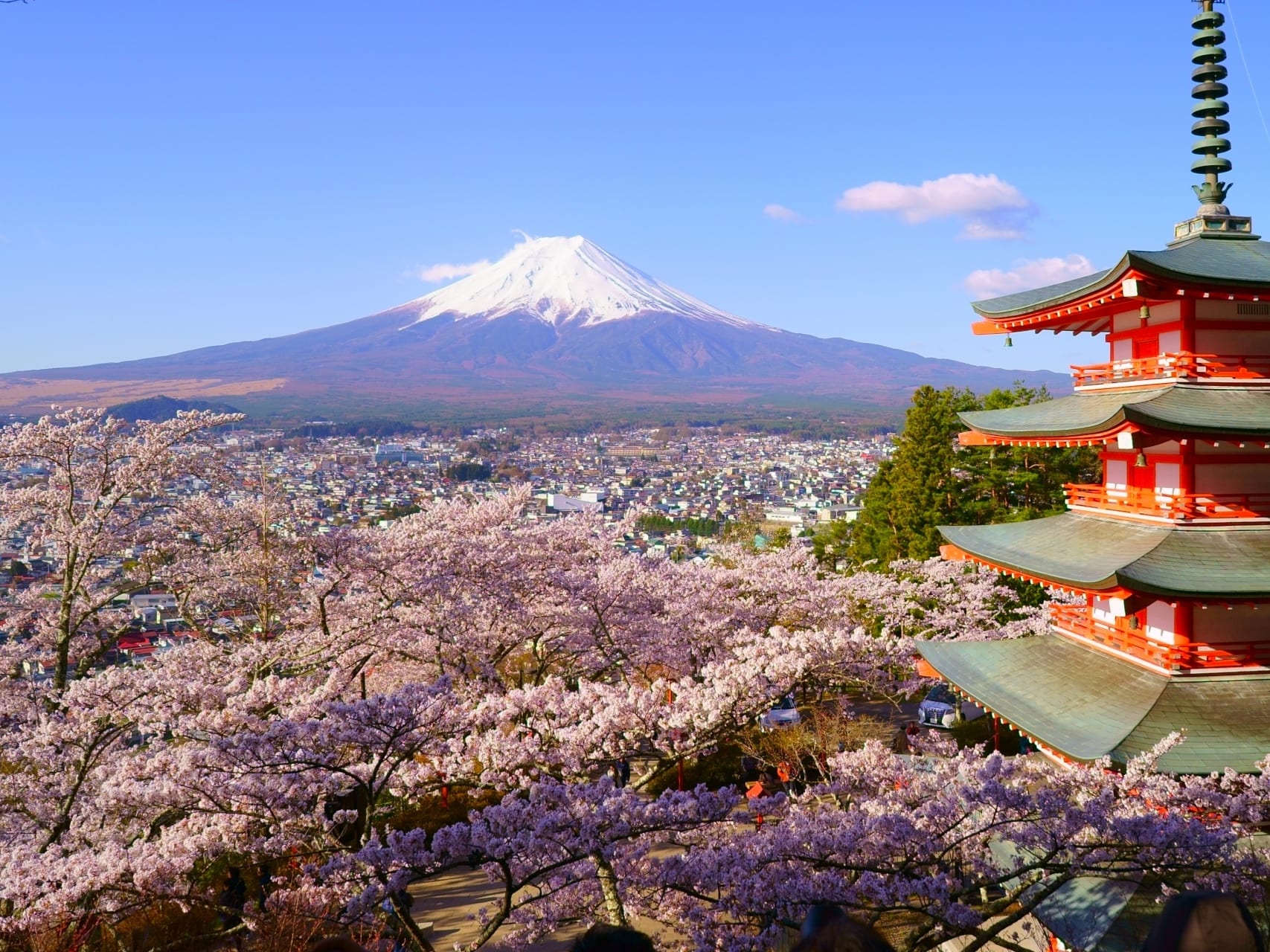
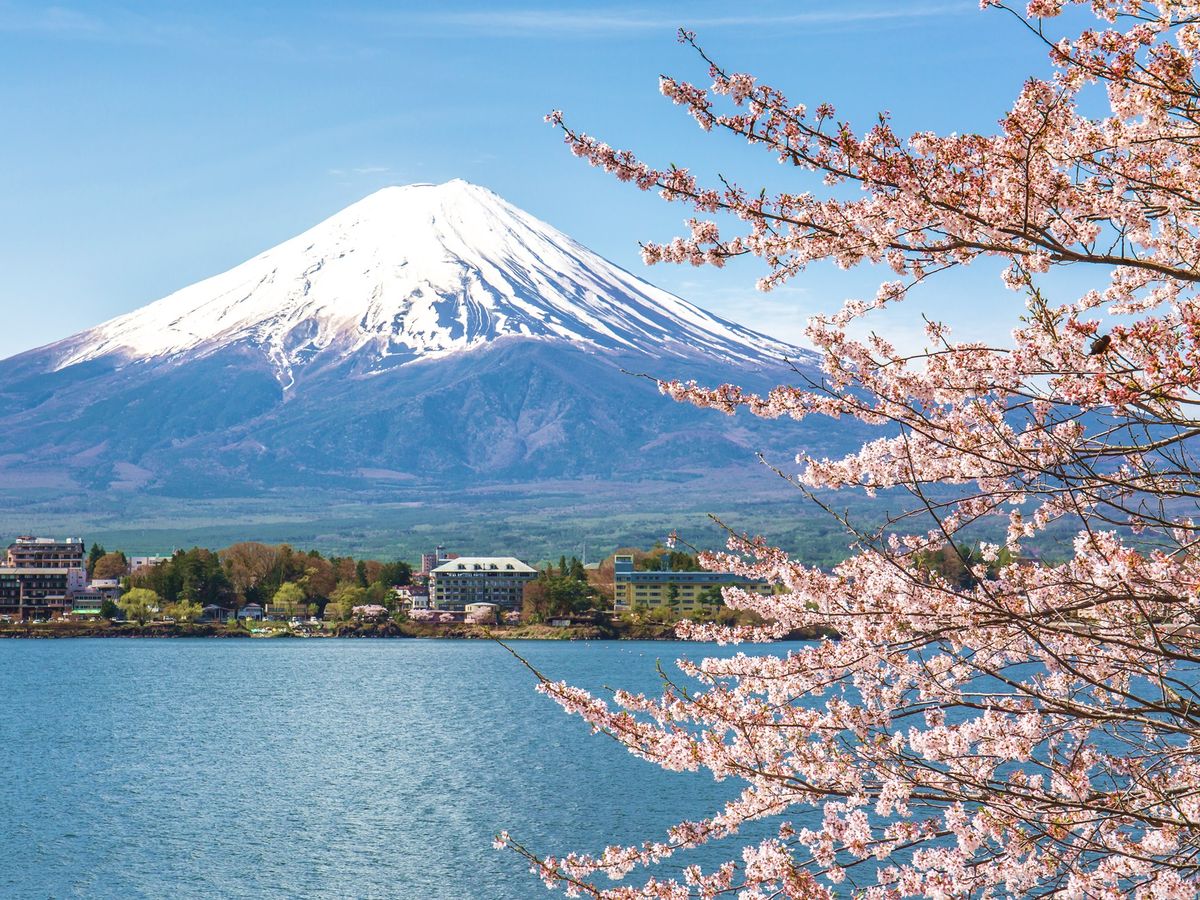
The northern side of Mt. Fuji features five scenic lakes formed by previous eruptions. This area offers some of the most accessible and spectacular viewing opportunities.
Lake Kawaguchiko is the most accessible of the five lakes and serves as a tourism hub with numerous vantage points. Visitors can reach the observation deck at Mount Tenjo via the Kachi Kachi Ropeway for elevated views of the mountain. Walking along the northern shore’s lakeside promenades provides classic Fuji-over-water views that are particularly stunning during clear weather. Oishi Park has become famous for its seasonal flowers with Fuji creating a perfect backdrop in the background. For a unique cultural experience, the Kawaguchiko Music Forest offers a European-inspired museum with beautifully landscaped gardens that frame views of Mt. Fuji.
Lake Yamanakako, the largest of the five lakes, provides several excellent viewing locations. The Panorama Observatory offers wide sweeping views of the lake with Fuji rising majestically behind it. Hirano Lake Shore features beautiful reed fields that create foreground interest for Fuji reflections on calm days. Active travelers appreciate the cycling paths that circle the lake, providing numerous photo opportunities at different angles throughout the journey.
The other three lakes—Saiko, Shojiko, and Motosuko—offer less crowded alternatives with their own unique perspectives. Motosuko is particularly notable as it features the exact view of Mt. Fuji printed on the ¥1000 note, making it a popular spot for photographers seeking to capture this iconic angle.
Iconic Viewpoints
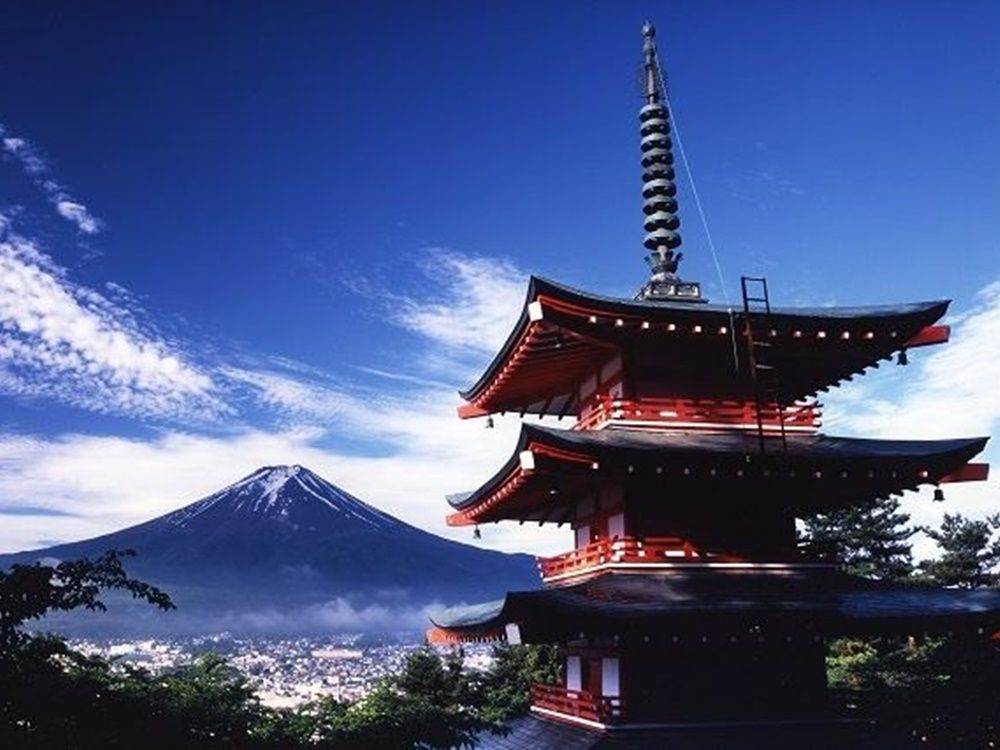
Chureito Pagoda is perhaps the most photographed spot in Japan. This five-storied pagoda in Fujiyoshida offers the quintessential Japanese scene—especially in spring when cherry blossoms frame both the pagoda and Fuji in a single composition. To reach this stunning viewpoint, visitors must climb 398 steps from Arakurayama Sengen Park, but the effort is richly rewarded with what many consider the definitive Mt. Fuji photograph.
The Hakone Region, a hot spring resort area southwest of Tokyo, offers several magnificent Fuji viewing opportunities. Lake Ashinoko provides sightseeing boat cruises where passengers can enjoy views of Fuji behind the iconic “floating” torii gate of Hakone Shrine. The Hakone Ropeway delivers aerial views of Fuji while traveling between Togendai and Owakudani. While exploring Owakudani, a volcanic valley famous for black eggs cooked in natural hot springs, visitors can enjoy clear views of the mountain on days with good visibility.
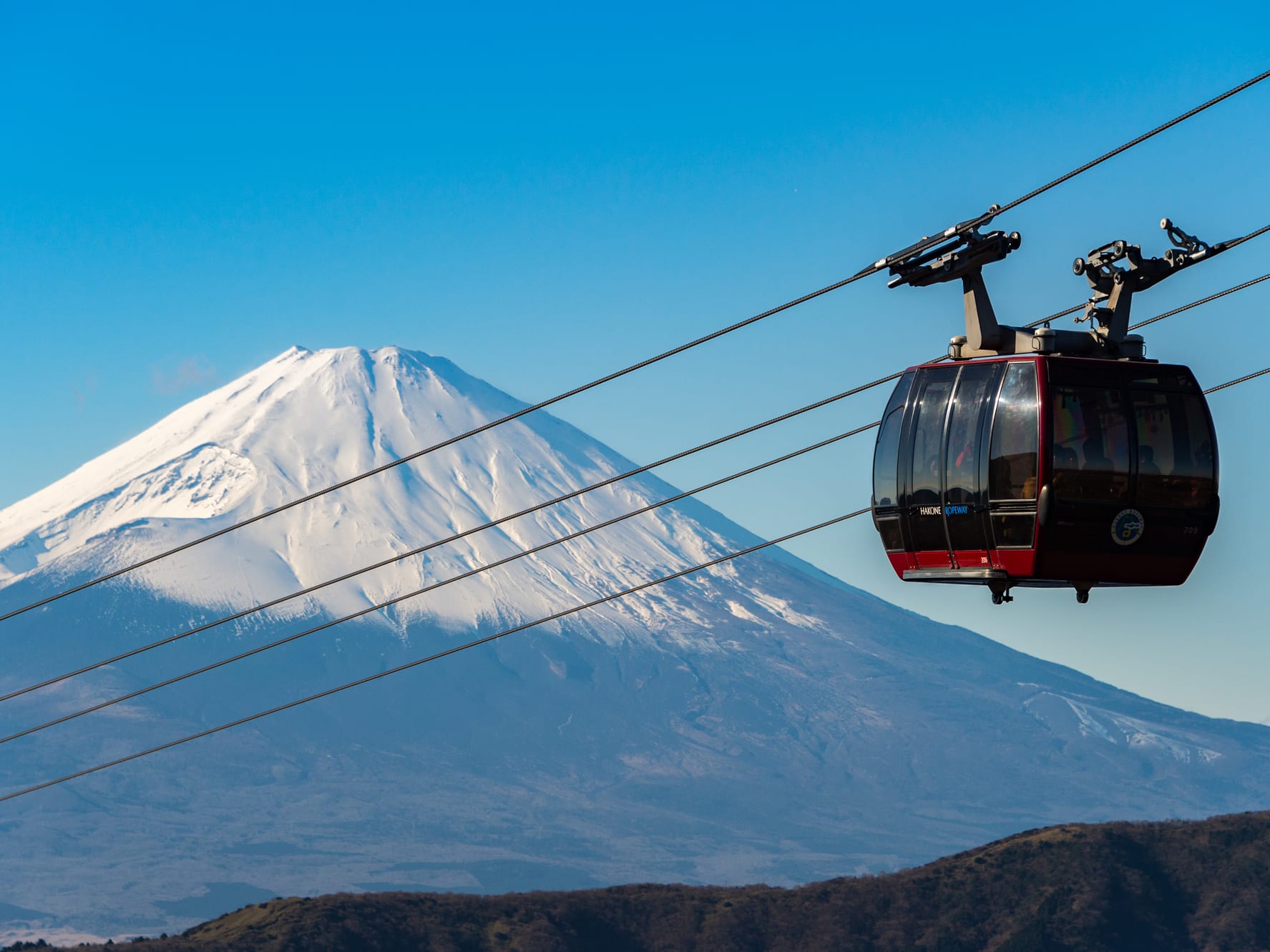
Mishima Skywalk, Japan’s longest pedestrian suspension bridge at 400 meters, offers stunning aerial views of Mt. Fuji and Suruga Bay on clear days. Walking across this bridge provides a unique perspective with the mountain framed by surrounding hills and coastline.
Lesser-Known Spots
Several viewpoints on the Shizuoka side of Mt. Fuji provide alternatives to the more famous locations. Miho no Matsubara features a pine-tree lined beach with views of Fuji across the waters of Suruga Bay, creating a different perspective than the lake views. Fujinomiya City, home to the southern Fuji climbing route, offers less crowded viewpoints with the mountain appearing closer and more imposing from this angle.
Rural viewing locations provide more immersive experiences away from the main tourist crowds. Asagiri Plateau offers open grasslands with unobstructed views of the mountain and has become popular for camping and outdoor activities. Oshino Hakkai, with its eight crystal-clear ponds and traditional thatched-roof houses, combines cultural heritage with beautiful Fuji views in a peaceful village setting.
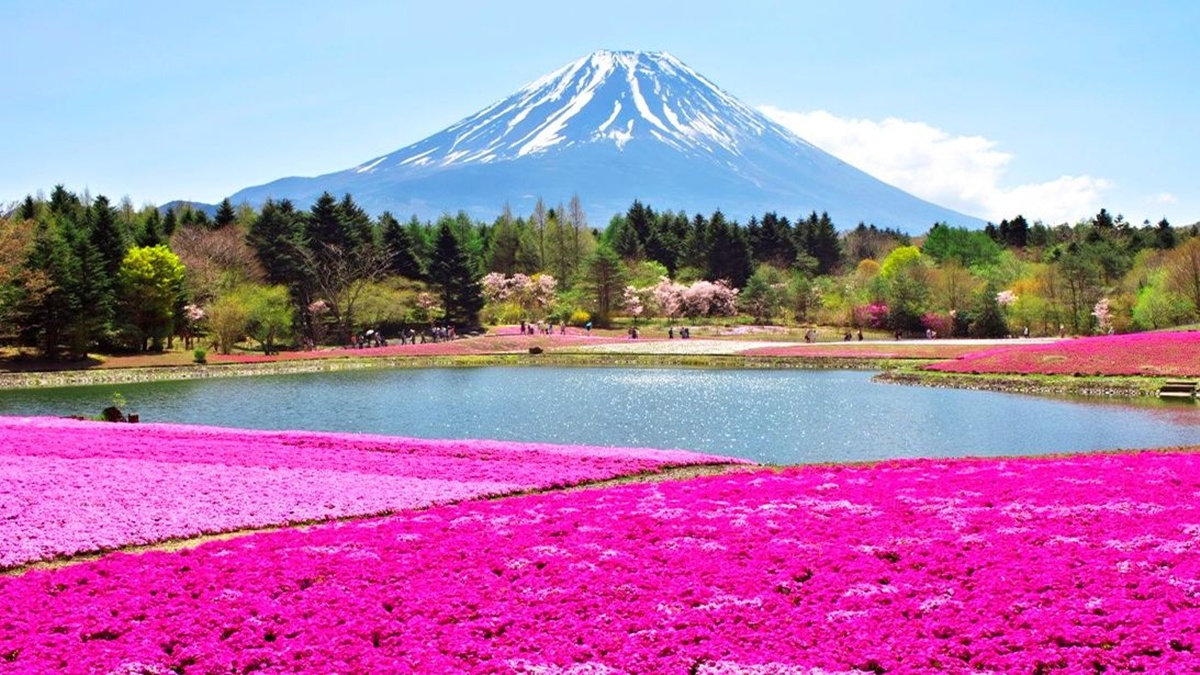
Seasonal special spots offer unique Fuji experiences throughout the year. The Fuji Shibazakura Festival (April-May) showcases pink moss creating a stunning carpet of color at the base of Mt. Fuji. During spring, Yagisaki Park becomes a favorite spot for viewing cherry blossoms with Fuji reflections in Lake Kawaguchiko. In early summer, the Fujigoko Lavender Fields present a foreground of purple lavender with Fuji creating an unforgettable backdrop, perfect for photographers seeking distinctive seasonal compositions.
How to Get to Mt. Fuji
From Tokyo
By Train:
- JR Chuo Line from Tokyo or Shinjuku to Otsuki, then transfer to the Fujikyu Railway to Kawaguchiko Station (approximately 2-2.5 hours, ¥2,500-3,000).
- Alternatively, take the JR Tokaido Line from Tokyo to Mishima or Atami, then bus to Hakone (for southern Fuji views).
- Japan Rail Pass holders can use the JR portion of this journey, but will need to pay separately for the Fujikyu Railway.
By Bus:
- Direct highway buses operate from Tokyo’s Shinjuku Bus Terminal to Kawaguchiko Station (approximately 2 hours, ¥1,800-2,000).
- These buses are often more convenient than trains as they require no transfers.
- Reservation recommended, especially during peak seasons and weekends.
By Car:
- Rental cars offer flexibility for exploring the region.
- From Tokyo, take the Chuo Expressway to the Kawaguchiko Interchange (approximately 2 hours plus traffic).
- Parking is available at major tourist sites, though can be limited during peak seasons.
From Other Major Cities
From Kyoto/Osaka:
- Take the Shinkansen (bullet train) to Mishima or Shin-Fuji, then transfer to a local train or bus.
- Alternatively, take the Shinkansen to Tokyo, then follow the Tokyo routes above.
From Nagoya:
- Take the Tokaido Shinkansen to Mishima or Shin-Fuji, then transfer to local transportation.
Transportation Within the Mt. Fuji Area
- Fujikyu Railway: Connects major towns in the Fuji Five Lakes region.
- Retro Bus: Tourist-oriented buses that circle Lake Kawaguchiko and connect major attractions.
- Sightseeing Taxis: Available for custom tours, particularly useful for hitting multiple viewpoints in a single day.
- Rental Bicycles: Available around Kawaguchiko Station, offering a pleasant way to explore the lakeside areas.
Climbing Mt. Fuji: What You Need to Know
For the adventurous, climbing to the summit of Mt. Fuji is a memorable achievement, but it requires proper preparation. The official climbing season runs from early July to early September when mountain huts are open and weather conditions are relatively safe.
Climbing Routes
The Yoshida Trail in Yamanashi Prefecture is the most popular and beginner-friendly route. It starts from Fuji Subaru Line 5th Station at 2,300 meters elevation and features the most mountain huts and facilities. A typical ascent takes 5-7 hours, while descent requires 3-5 hours. This trail is known for stunning sunrise views from the eastern side, making it particularly popular for overnight climbs.
The Subashiri Trail in Shizuoka Prefecture offers a less crowded alternative starting at 2,000 meters. It features lush forest hiking in the lower sections before joining the Yoshida Trail around the 8th station. Climbers should plan for a typical ascent of 7-8 hours and a descent of 3-5 hours, offering a more peaceful experience until the trails merge.
For those seeking a challenge, the Gotemba Trail in Shizuoka Prefecture presents the longest and most gradual route. Starting from the lowest point at 1,400 meters, it has fewer facilities but is famous for its rapid descent through volcanic ash, known locally as “osunabashiri.” This trail requires a 7-10 hour ascent and 3-5 hour descent, testing endurance and determination.
The Fujinomiya Trail in Shizuoka Prefecture offers the shortest but steepest route to the summit. Starting from the highest 5th station at 2,400 meters, this direct southern approach has fewer mountain huts but provides a more direct path. Hikers typically complete the ascent in 5-7 hours and the descent in 2-4 hours, making it efficient but physically demanding.
Equipment and Preparation
Essential gear for climbing Mt. Fuji includes sturdy hiking boots (broken in before your climb), layered clothing (as temperatures at the summit can drop below freezing even in summer), and rain gear (waterproof jacket and pants). A headlamp with extra batteries is essential for night climbing, along with a warm hat and gloves for protection against cold winds. Sunscreen and sunglasses are necessary as UV radiation is intense at high altitudes. Since there are no ATMs or card payment options on the mountain, carrying sufficient cash is important. Hikers should bring 2-3 liters of water, though more is available for purchase at mountain huts, along with light snacks, energy foods, and basic first aid supplies.
Physical preparation should include building endurance through regular hiking or cardio exercise before your trip. It’s also advisable to acclimate to the altitude by spending time at the 5th station before beginning your ascent, which helps reduce the risk of altitude sickness.
Mountain Huts and Facilities
Reservations for mountain huts are strongly recommended during peak season, and should be made weeks or months in advance. Basic accommodations cost approximately ¥6,000-9,000 per person, typically including a simple meal. Most huts offer no showers and minimal amenities, focusing on providing essential shelter and rest. Toilets are available along routes but require a small fee of ¥200-300 per use. Water and simple food items can be purchased at huts, though prices increase with altitude, reflecting the difficulty of transporting supplies up the mountain.
Climbing Strategies
The two-day climb is the most common approach, where hikers trek to a mountain hut around the 7th or 8th station on day one, rest briefly (usually 4-5 hours), then continue to the summit for sunrise before descending fully on the second day. This strategy allows for better acclimatization and increases the chance of seeing the famous sunrise from the summit.
The single-day climb is physically demanding but possible for very fit hikers. This approach involves starting early morning from the 5th station and returning the same day. While efficient, it’s not recommended for first-time climbers due to the increased risk of altitude sickness and exhaustion.
The night climb strategy begins in the evening with hikers trekking through the night to reach the summit for sunrise, known as “goraiko” in Japanese. Though challenging, it rewards climbers with the magical experience of witnessing sunrise from Japan’s highest point. This approach requires good lighting equipment and extra warm layers to combat nighttime cold.
Guided vs. Solo Climbing
Guided climbing options provide equipment, transportation, and experienced guidance, ranging from ¥15,000-40,000 depending on duration and services. These guided experiences are particularly recommended for solo travelers and first-time climbers who benefit from expert knowledge and support throughout the journey.
Solo climbing offers more flexibility but requires better preparation and navigation skills. Those attempting the mountain independently should download trail maps in advance, be aware of emergency procedures, and inform someone of their climbing plans and expected return time for safety purposes.
Safety Considerations
Altitude sickness affects many climbers, so it’s important to ascend slowly and stay well-hydrated throughout the climb. Weather conditions can change rapidly on the mountain; climbers should check forecasts carefully and be prepared to turn back if conditions worsen. It’s important to note that the climbing season is defined for safety reasons—attempting to climb outside this period is extremely dangerous without specialized winter mountaineering skills and equipment.
Non-climbing Activities
For those not interested in climbing to the summit, the Mt. Fuji region offers numerous other memorable experiences. Lake activities include sightseeing boat cruises on Lake Kawaguchiko or Lake Yamanakako, paddleboarding and kayaking (with rentals available during summer months), and fishing for native species with day permits from local authorities.
Cultural experiences abound in the region, including visits to Fujisan Hongu Sengen Taisha, the main Shinto shrine at the base of Mt. Fuji, and Kitaguchi Hongu Fuji Sengen Shrine, the traditional starting point for pilgrimages. Oshino Hakkai, with its eight sacred springs surrounded by traditional buildings and craft shops, offers insight into local traditions. Art enthusiasts appreciate the Itchiku Kubota Art Museum, which showcases stunning kimono art with Fuji serving as a majestic backdrop.
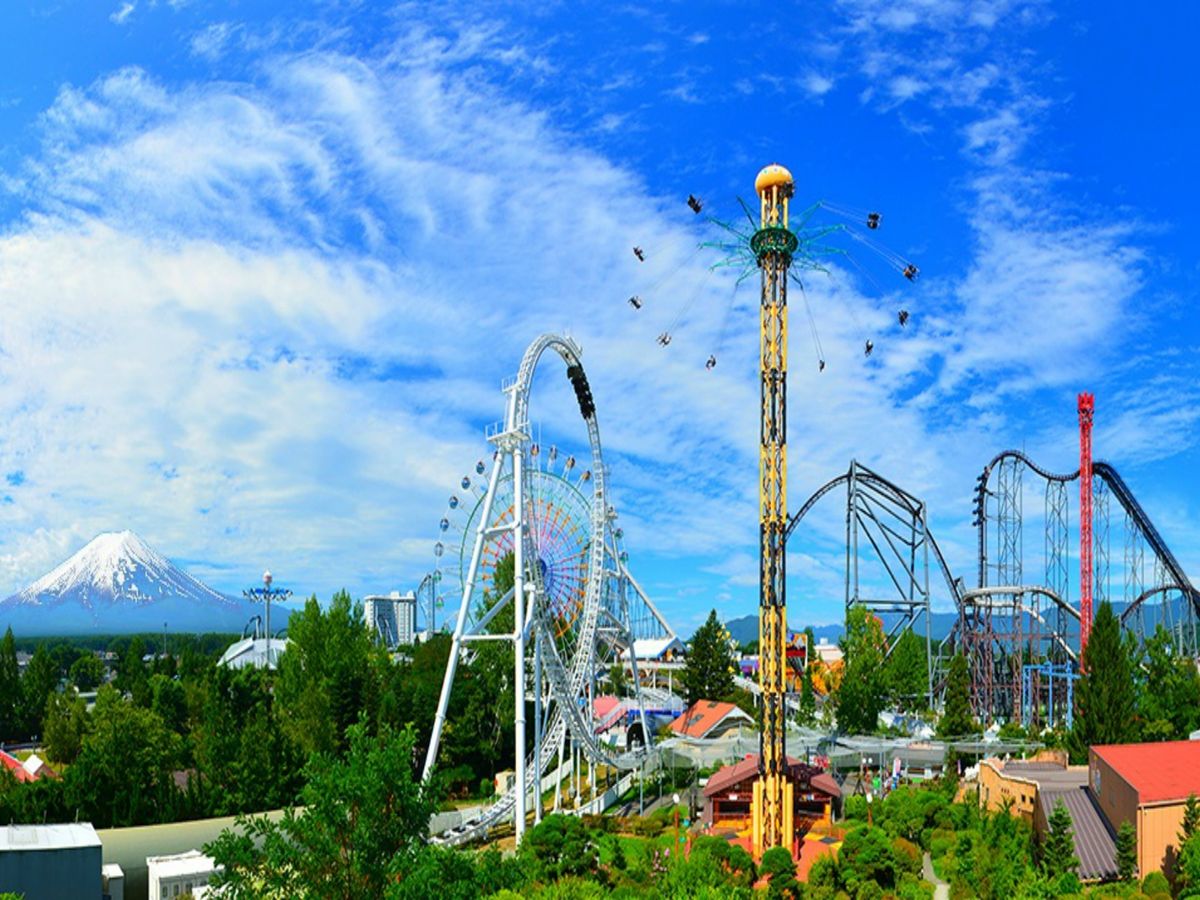
Adventure activities in the area include Fuji-Q Highland, one of Japan’s most thrilling amusement parks featuring roller coasters with Fuji views, and hiking trails through Aokigahara Forest, the mysterious woodland at Fuji’s base. The Patchwork Passage cycling path connects the Fuji Five Lakes, offering a leisurely way to explore the region, while paragliding experiences provide aerial views when weather conditions permit.
Relaxation options include hot springs (onsen) in Hakone, Kawaguchiko, and throughout the region, where visitors can soak in mineral-rich waters while contemplating the mountain. Scenic drives along the Fuji Subaru Line to the 5th station offer access to impressive viewpoints without strenuous hiking. Photography enthusiasts can join workshops and tours focused on capturing Fuji’s beauty, while families might enjoy seasonal fruit picking at farms surrounding the mountain.
Truly an Icon
Mount Fuji is an experience that stays with you long after you’ve returned home. Whether you’ve marveled at its reflection on Lake Kawaguchiko, explored the charming village of Oshino Hakkai, or climbed to its sacred summit to greet the sunrise, Fuji leaves an indelible mark on every traveler’s heart. With stunning views, rich cultural heritage, and easy access from Tokyo, this iconic peak belongs on every Japan itinerary.
Ready to experience Mt. Fuji for yourself? Browse and book top-rated Mt. Fuji tours and activities today—whether you’re seeking a scenic day trip, a guided summit climb, or a relaxing hot spring getaway with mountain views.