How Crowded is Japan During Cherry Blossom Season?

Every spring, Japan transforms into a breathtaking canvas of pink and white cherry blossoms—but that beauty comes with a price: the crowds. If you’re planning a trip to Japan during this iconic season, you’re probably wondering just how busy it gets—and how to make the most of it without getting lost in the masses.
In this guide, we’ll explore the crowd levels during cherry blossom season, highlight the busiest spots and times, and share insider tips to help you enjoy the magic of sakura with a little more space and serenity.
Why is Cherry Blossom Season So Popular?
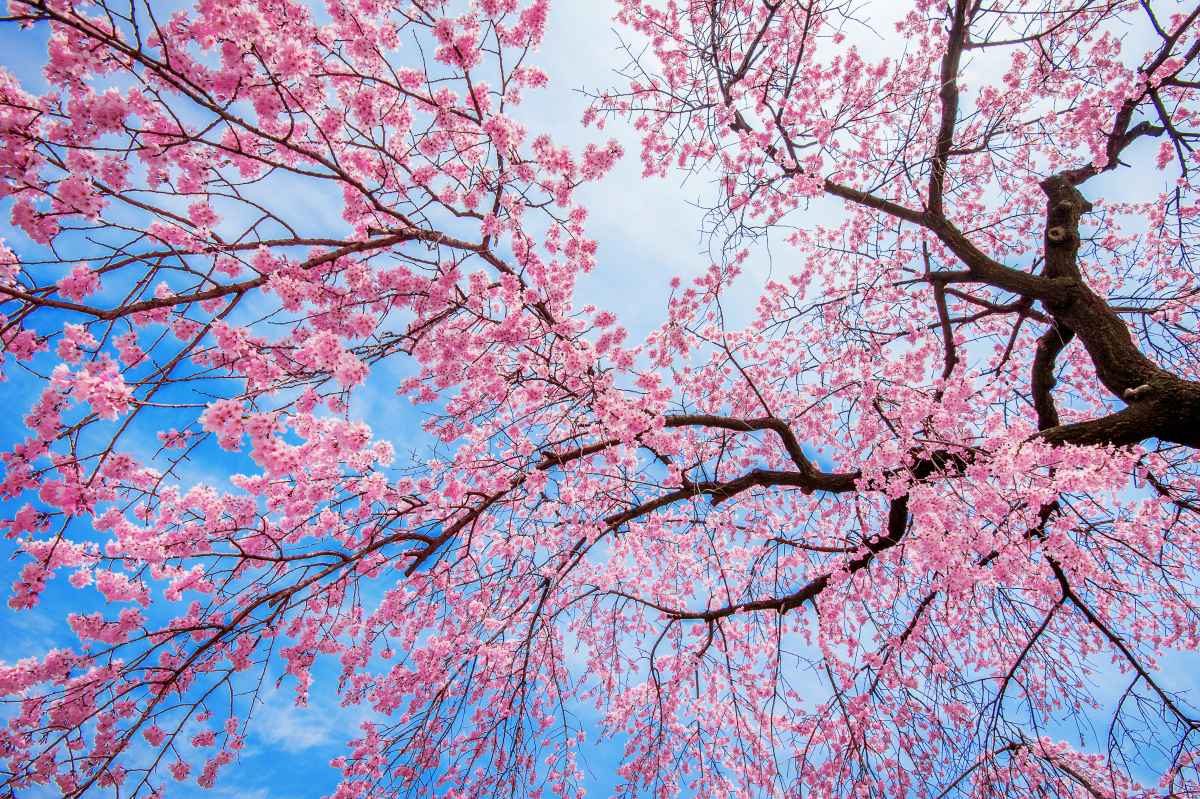
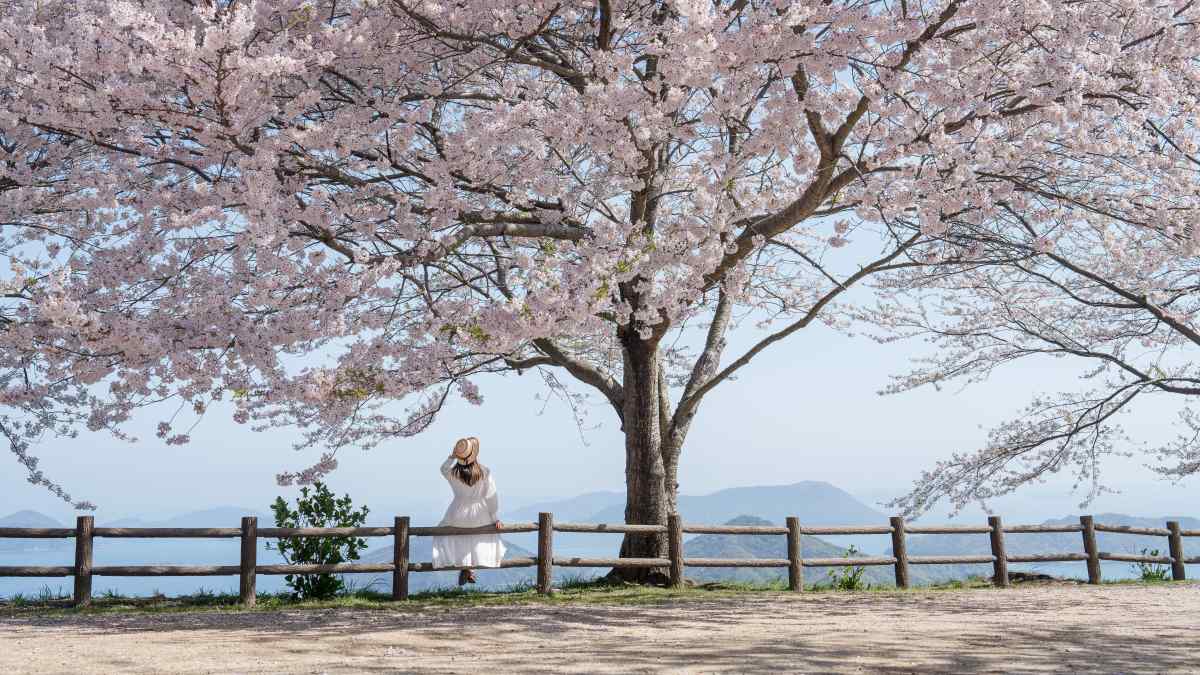
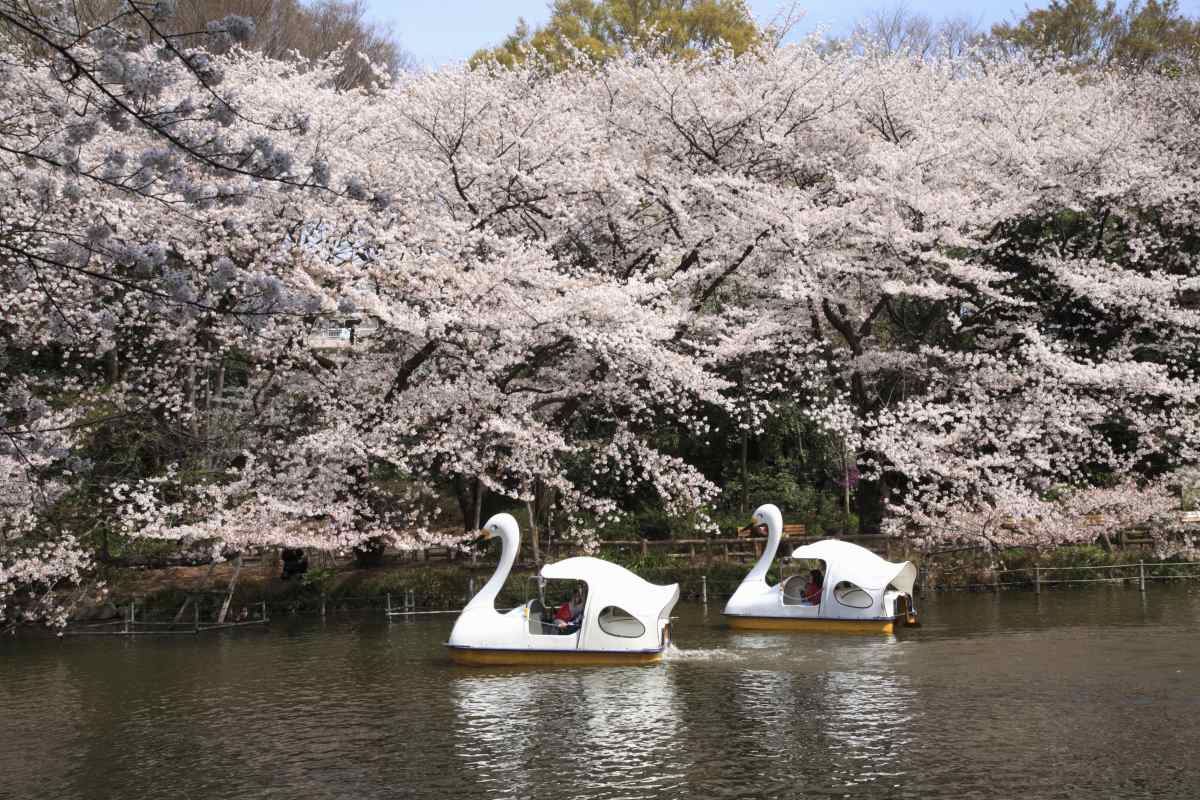
Cherry blossom season, or sakura season, is more than just a pretty time of year—it’s a cultural phenomenon. The practice of hanami (flower viewing) has been a beloved tradition in Japan for centuries, where families, friends, and coworkers gather under blooming trees to eat, drink, and celebrate the arrival of spring.
The blossoms are incredibly fleeting, typically lasting only a week or two at peak bloom. This limited window fuels a sense of urgency, drawing both locals and tourists to the most picturesque spots at the same time. Add in major cherry blossom festivals, photo-worthy backdrops, and the romantic, once-in-a-lifetime appeal—and you’ve got one of the busiest times to visit Japan.
When is Japan Most Crowded During Cherry Blossom Season?
Japan’s cherry blossom season usually kicks off in late March and continues into early April, depending on the region and weather conditions. This short period overlaps with:
- Spring school holidays
- The end of Japan’s fiscal and academic year
- Tourist high season
- Warm weather and clear skies
In major cities like Tokyo, Kyoto, and Osaka, peak bloom usually happens between March 25 and April 10. These are the most crowded weeks, especially on weekends and during events.
Another crunch time is Golden Week, which starts in late April. Although most cherry blossoms have fallen by then in central Japan, crowds still surge for other spring travel and late-blooming sakura in northern regions like Tohoku and Hokkaido.
Where Are the Most Crowded Cherry Blossom Spots?
While sakura trees bloom all across Japan, certain locations draw huge crowds every year due to their beauty, accessibility, and reputation.
Tokyo
- Ueno Park – One of Tokyo’s oldest and most popular hanami spots, packed with over 1,000 trees.
- Shinjuku Gyoen – A more serene garden but still heavily visited during peak bloom.
- Meguro River – Famous for cherry blossoms lining the canal, lit up at night.
Kyoto
- Maruyama Park – Home to the famous weeping cherry tree.
- Philosopher’s Path – A tranquil walk made popular by travel influencers.
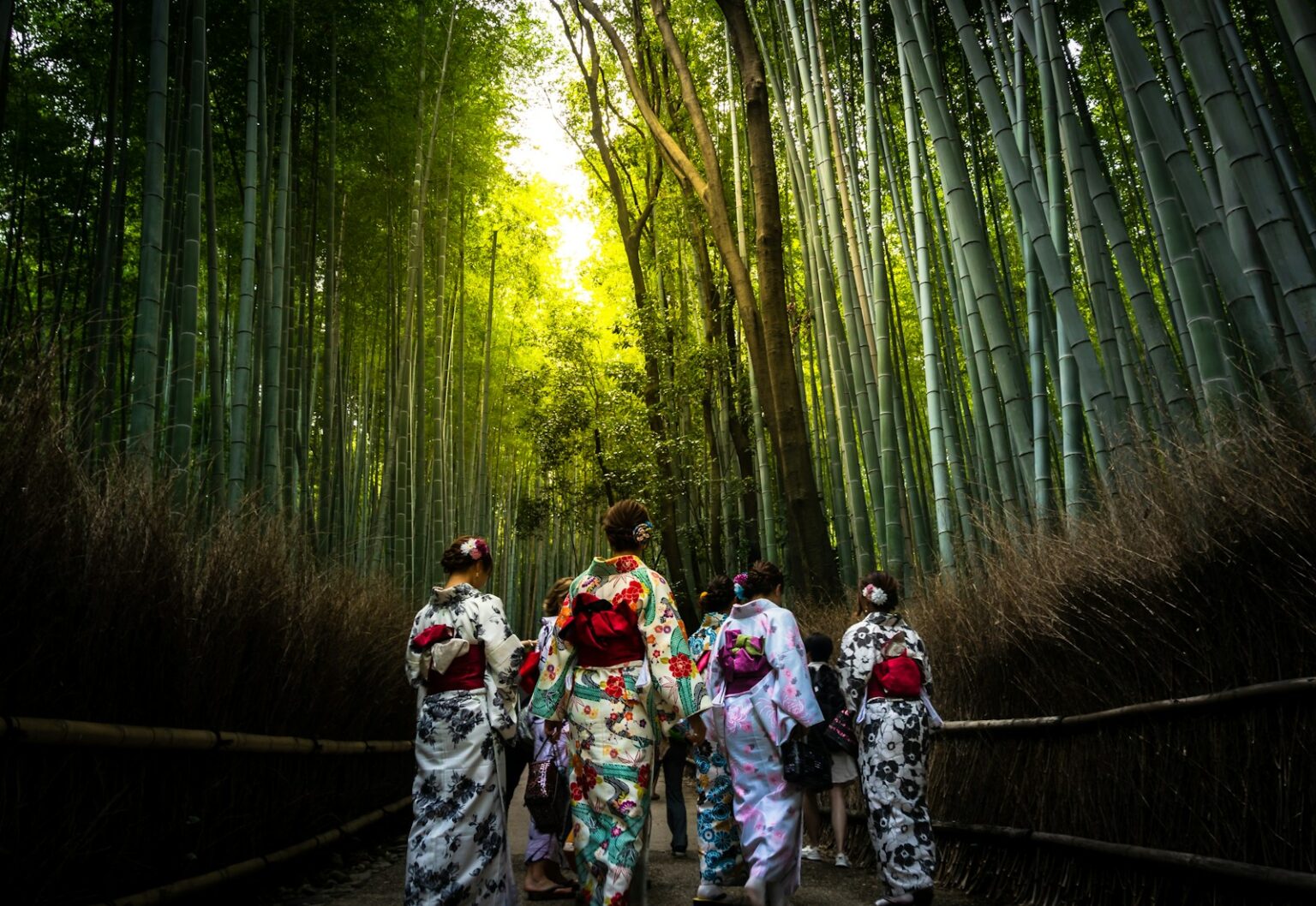
- Arashiyama – Cherry blossoms plus bamboo forest = crowd magnet.
Osaka
- Osaka Castle Park – Iconic cherry blossom views with historic castle backdrops.
- Kema Sakuranomiya Park – Over 4,000 trees lining the Okawa River.
Other high-traffic areas include Nara Park, Hirosaki Castle (Aomori), and Mt. Yoshino (Nara), which boasts over 30,000 cherry trees across its slopes.
How Bad Can the Crowds Get?
Let’s be real: it can get very crowded. In major cities, trains and subways are often packed, especially during peak bloom days. Long lines for food stalls, restrooms, and popular photo spots are common, particularly in parks and well-known tourist areas. Picnic areas in popular hanami locations are claimed early in the morning—sometimes even before sunrise—making it difficult to find a good spot if you arrive later in the day. Hotels and traditional ryokans are frequently fully booked months in advance, and sightseeing tours and buses often operate at full capacity. While the crowds can be intense, the joyful and festive atmosphere helps balance the hustle—if you’re prepared, it can actually enhance the experience.
Tips to Avoid the Crowds and Still Enjoy the Blossoms
You don’t have to sacrifice peace for petals. Here are some smart ways to enjoy the season without the shoulder-to-shoulder experience:
- Go early – Visit parks and gardens at sunrise for fewer people and magical morning light.
- Weekday visits – Avoid weekends when locals are off work.
- Explore lesser-known areas – Skip the famous parks and try:
- Asukayama Park (Tokyo)
- Hirano Shrine (Kyoto)
- Yodogawa Riverside Park (Osaka)
- Travel north – Head to Tohoku or Hokkaido, where cherry blossoms bloom in April and May.
- Book in advance – Hotels and tours fill up quickly; reserve as early as possible.
- Join guided tours – Local guides know quiet spots and off-peak times.
Alternatives to Peak Crowds
If the idea of battling crowds puts you off, there are other ways to experience Japan’s springtime charm:
- Plum blossoms (ume) bloom from February to early March—less crowded and equally beautiful.
- Nighttime cherry blossom viewing (yozakura) offers a peaceful, romantic vibe with illuminated trees.
- Cherry blossom river cruises let you enjoy the view from the water, away from land-based crowds.
- Visit botanical gardens that often feature extended bloom varieties.
More Petals, Less People
So, how crowded is Japan during cherry blossom season? The honest answer: very. But with thoughtful planning, early starts, and a willingness to wander off the beaten path, you can enjoy a stunning, crowd-lite hanami experience.
The blossoms are ephemeral—but your memories of them don’t have to be. Choose your timing wisely, explore beyond the usual spots, and let the magic of Japan in spring unfold at your own pace.
Ready to See the Blossoms for Yourself?
Book a cherry blossom tour now to beat the crowds and experience Japan’s most magical season with expert guides.