Discover Mt. Yoshino: 2 Perfect 1-Day Itineraries to See 30,000 Cherry Blossoms

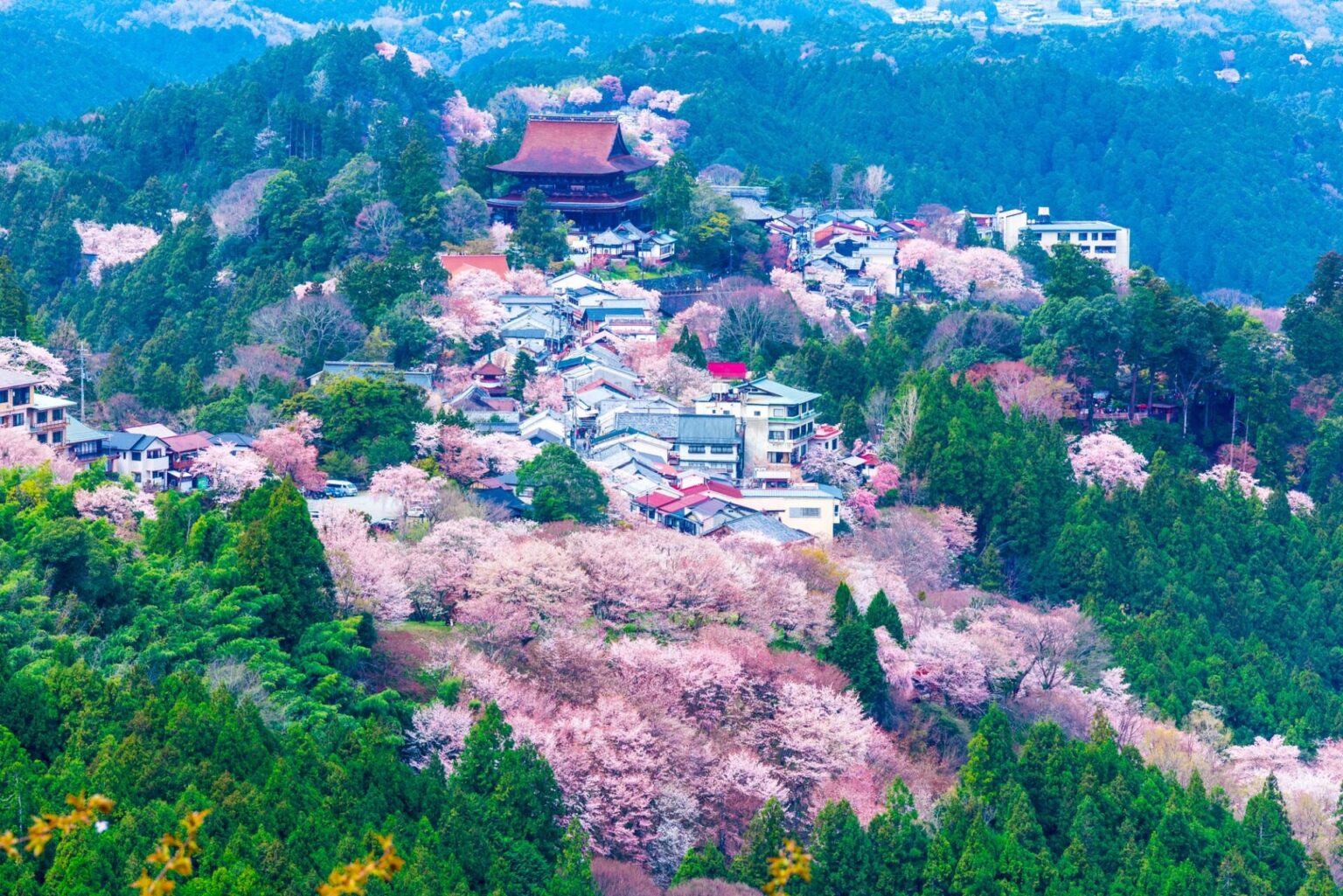
Mt. Yoshino in Nara Prefecture is one of Japan’s most famous cherry blossom destinations, with approximately 30,000 cherry trees painting the entire mountain pink in spring. Recognized as a UNESCO World Heritage Site, Mt. Yoshino offers more than just seasonal beauty — it’s also home to ancient temples and shrines, breathtaking viewpoints, and delicious local cuisine.
In this guide, we’ll introduce two recommended day trip itineraries perfect for exploring Mt. Yoshino in spring. Whether you’re a first-time visitor or looking to avoid the crowds, these thoughtfully designed courses will help you enjoy the best of Yoshino at your own pace.
What Is Mt. Yoshino? Overview & Seasonal Highlights
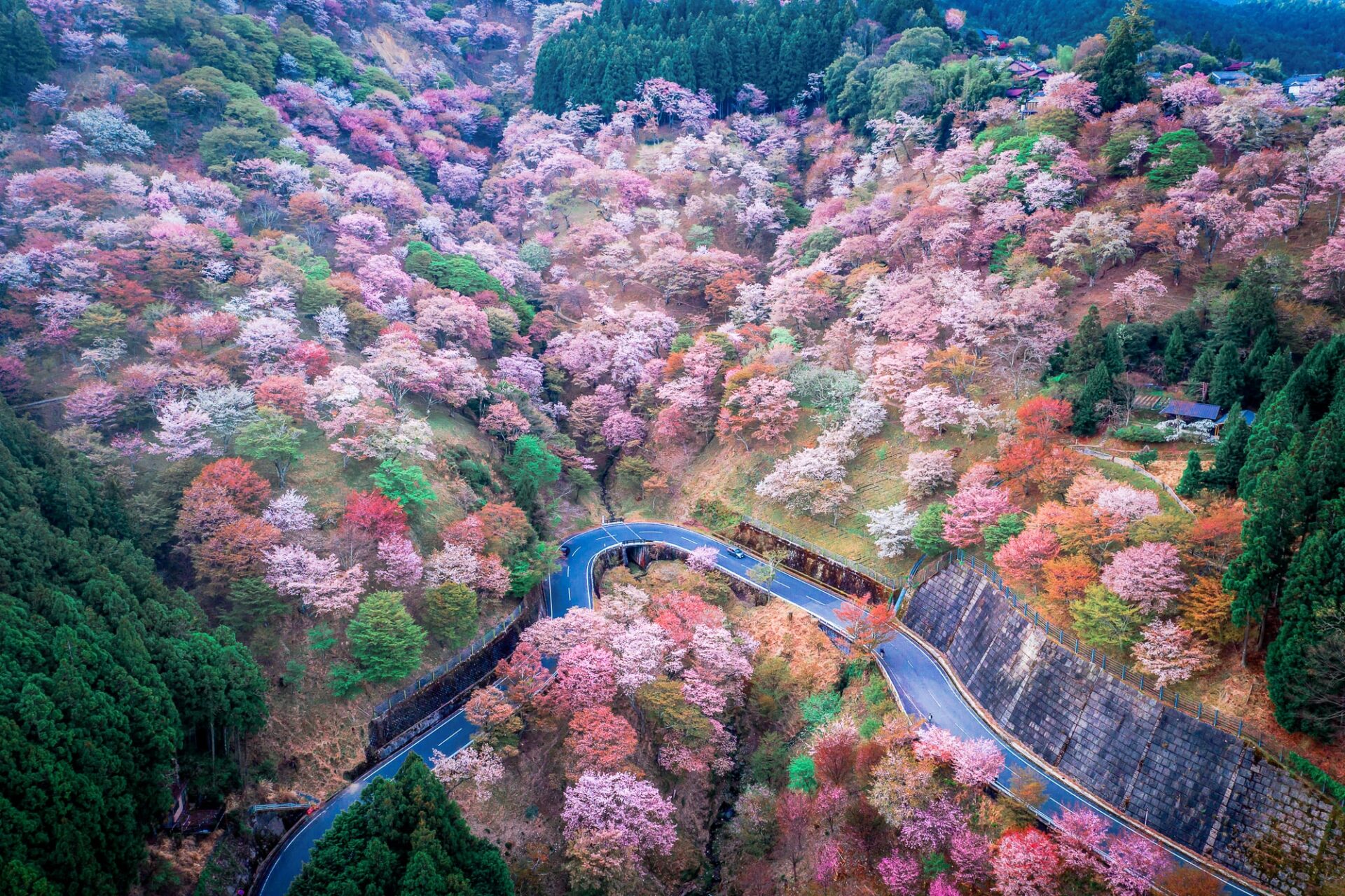
Mt. Yoshino is one of Japan’s most iconic cherry blossom viewing spots. Every spring, thousands of sakura trees bloom across the mountainside, attracting visitors from around the world.
The mountain is divided into four main zones based on elevation:
- Shimo-senbon (Lower Yoshino)
- Naka-senbon (Middle Yoshino)
- Kami-senbon (Upper Yoshino)
- Oku-senbon (Deep Yoshino)
Because of the altitude differences, the cherry blossoms bloom in sequence from early to late April, offering a long window to enjoy the sakura.
Best Time to See Cherry Blossoms in Mt. Yoshino
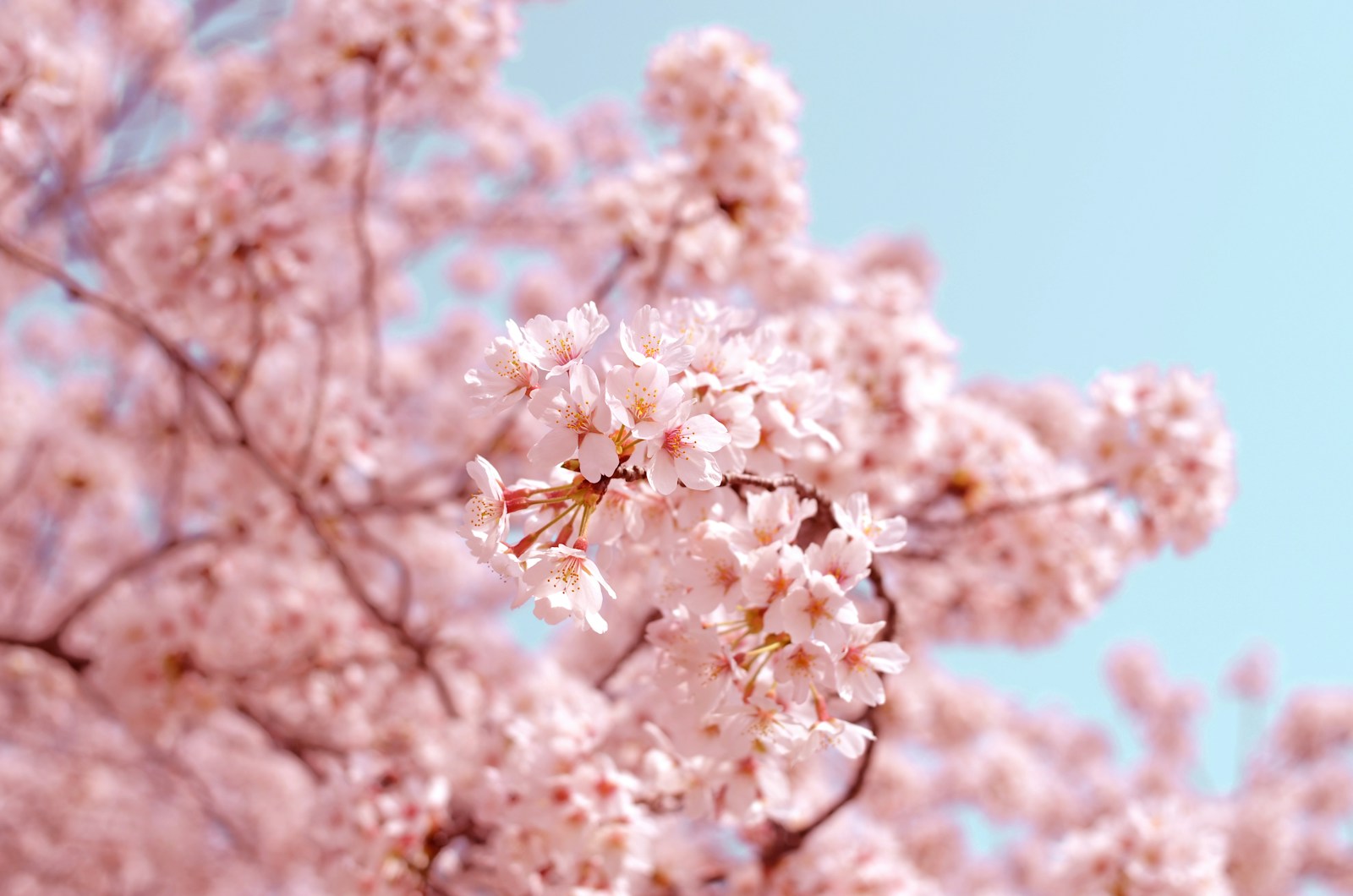
Cherry blossoms begin blooming in early April in the lower area and gradually move up the mountain.
|
Area |
Elevation |
Peak Bloom Period |
|---|---|---|
|
Shimo-senbon |
Base |
Early April |
|
Naka-senbon |
Mid-level |
Early to Mid April |
|
Kami-senbon |
Higher |
Mid-April |
|
Oku-senbon |
Highest |
Mid to Late April |
Mt. Yoshino has a long and storied history, dating back to the Asuka period when En no Gyōja, the founder of Shugendō (a form of Japanese mountain asceticism), is said to have trained in this sacred region. Since then, Mt. Yoshino has flourished as a spiritual center for Shugendō, and even today, it is home to many historically significant temples and shrines such as Kinpusen-ji Temple and Yoshimizu Shrine.
Mt. Yoshino has also been renowned as a cherry blossom viewing spot since ancient times. During the Heian period, it was so admired that court nobles would visit to compose poems inspired by its beauty. The mountain is especially famous for its variety of cherry trees, particularly the native shiro-yamazakura (wild white cherry), which bloom in breathtaking profusion across the natural landscape.
The cherry blossom season at Mt. Yoshino typically runs from early to late April. Thanks to the mountain’s varied elevation, the blossoms bloom gradually over a long period. The area is divided into four zones: Shimo-senbon (Lower), Naka-senbon (Middle), Kami-senbon (Upper), and Oku-senbon (Deep Yoshino), each with a different blooming schedule. Blossoms start at the base in Shimo-senbon in early April, then move up through Naka-senbon and Kami-senbon, reaching full bloom in Oku-senbon around mid to late April. This staggered blooming allows visitors to enjoy different cherry blossom landscapes depending on when they visit, with each week bringing a new scene to admire.
Explore the Four Cherry Blossom Zones
Shimo-senbon (Lower Area)
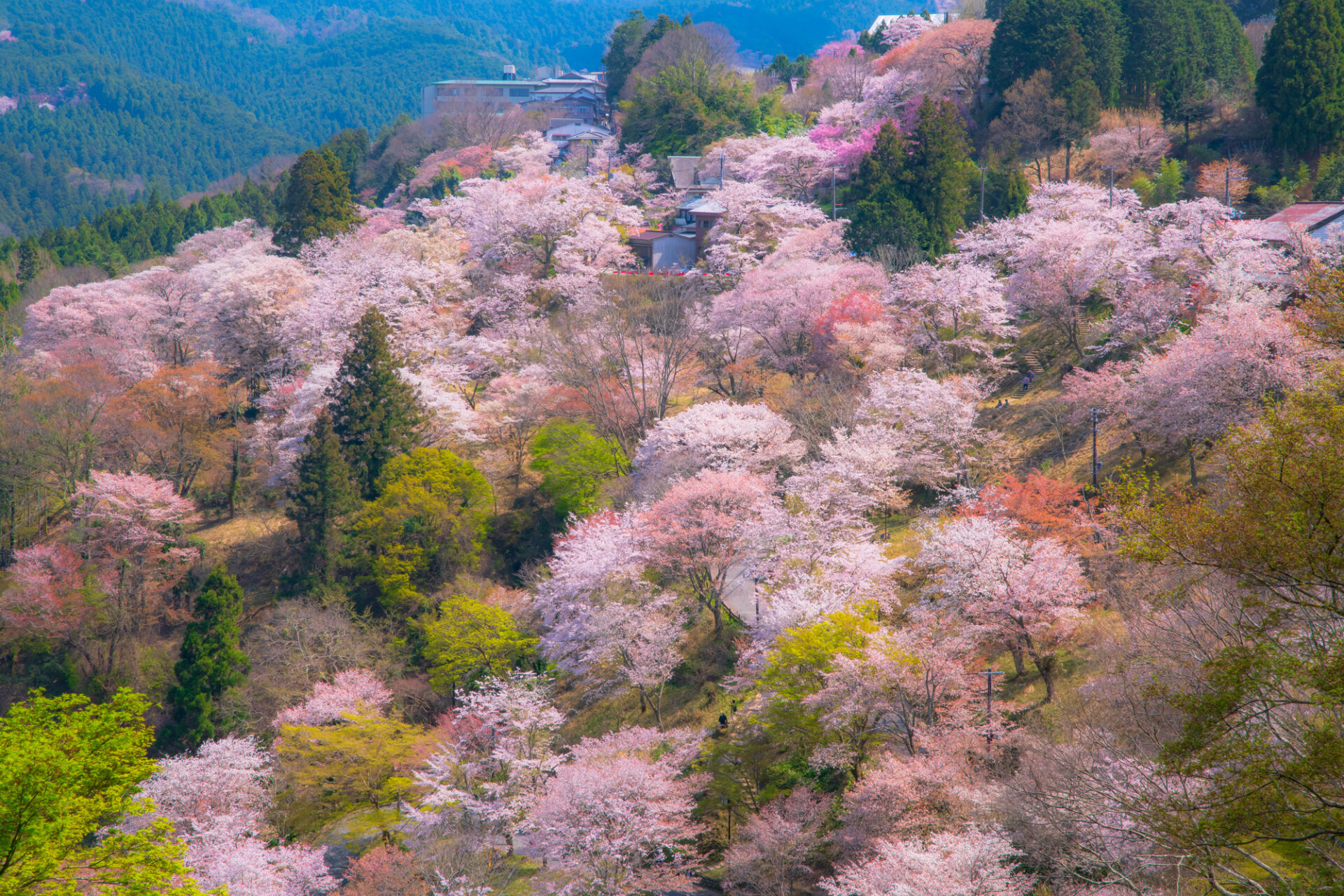
The Shimo-senbon area, considered the gateway to Mt. Yoshino, is the starting point for many visitors exploring the region. It is the first area where the cherry blossoms begin to bloom, and in spring, the sight of cherry trees blanketing the landscape is truly breathtaking. One of the highlights here is the Yoshinoyama Ropeway, the oldest ropeway in Japan, which offers a scenic ride up the mountain.
Walking along the historic Nanamagari-zaka (Seven Bends Slope) is also recommended—you can enjoy the cherry blossom-lined path while browsing local souvenir shops. Additionally, this area is home to famous cherry blossom viewing spots like Kinpusen-ji Temple and Yoshino Jingu Shrine, allowing visitors to experience both nature and history. It’s also a convenient base for sightseeing in the area.
Naka-senbon (Middle Area)
The Naka-senbon area, located in the heart of Mt. Yoshino, is known for having some of the best cherry blossom viewing spots. One of the most iconic viewpoints is from Yoshimizu Shrine, where you can take in the breathtaking sight known as “Hitome Senbon”—a panoramic view of “a thousand cherry trees at a glance.” This spot is considered one of Mt. Yoshino’s most famous scenic points.
The area is also home to the Zao-do Hall of Kinpusen-ji Temple, a National Treasure, where visitors can experience the history and culture of Shugendo (a traditional mountain-based spiritual practice).
During cherry blossom season, the area comes alive with tea houses and eateries offering local specialties such as kakinoha-zushi (persimmon leaf-wrapped sushi) and kuzu sweets (traditional arrowroot confections). It’s a perfect area to enjoy both sightseeing and local cuisine.
Kami-senbon (Upper Area)
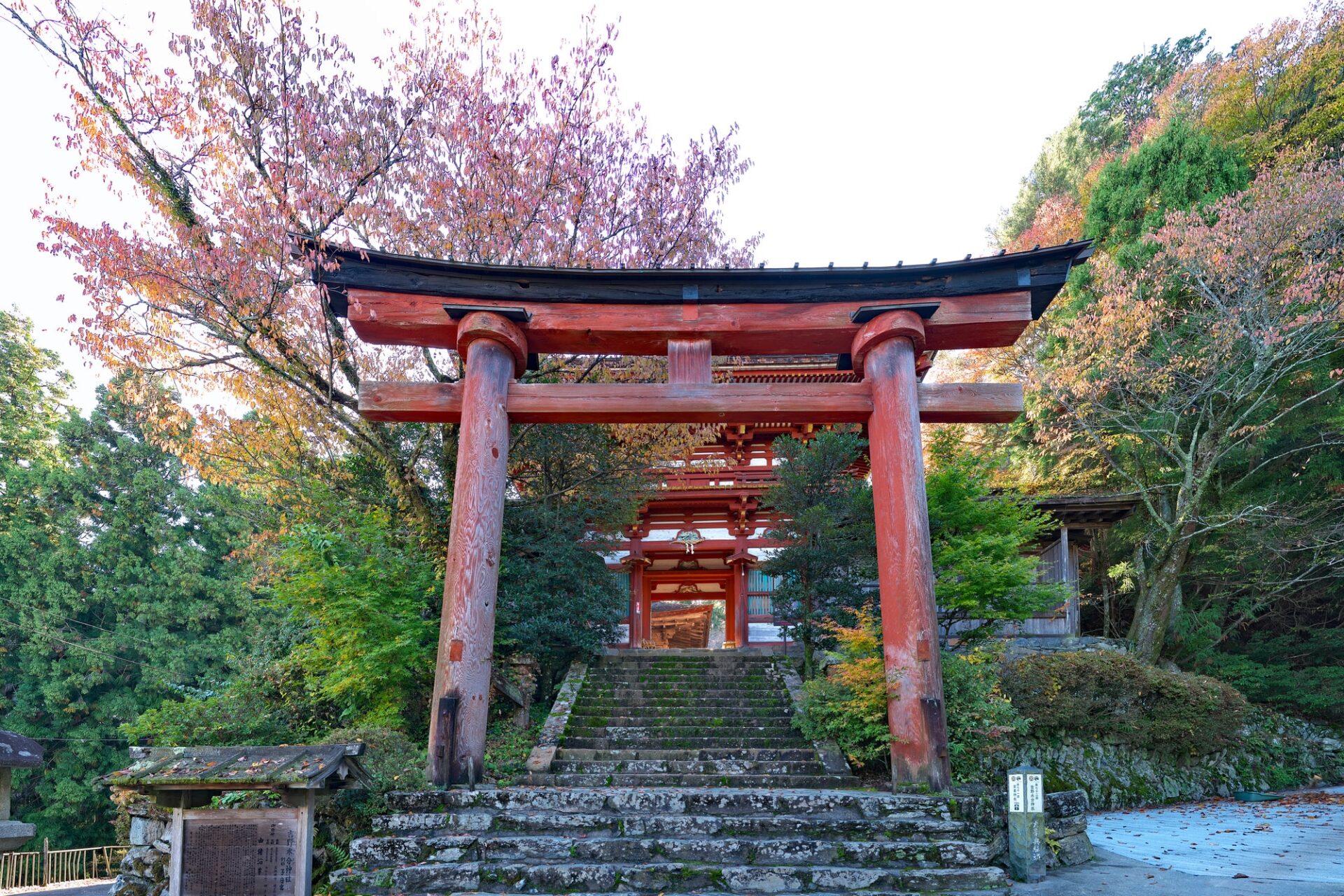
The Kami-senbon area, located at a higher elevation on Mt. Yoshino, experiences slightly later cherry blossom blooms, allowing visitors to enjoy the flowers over a longer period. A major highlight here is the view from the Hanayagura Observatory, a popular scenic spot where you can overlook the cherry blossoms of both the Shimo-senbon and Naka-senbon areas in one sweeping view.
Another must-see is the tranquil Yoshino Mikumari Shrine, a serene place for worship that is also registered as a UNESCO World Heritage Site due to its high historical value.
The Kami-senbon area tends to be less crowded compared to lower parts of the mountain, making it an ideal spot for those who prefer a more peaceful cherry blossom viewing experience.
Oku-senbon (Deep Area)
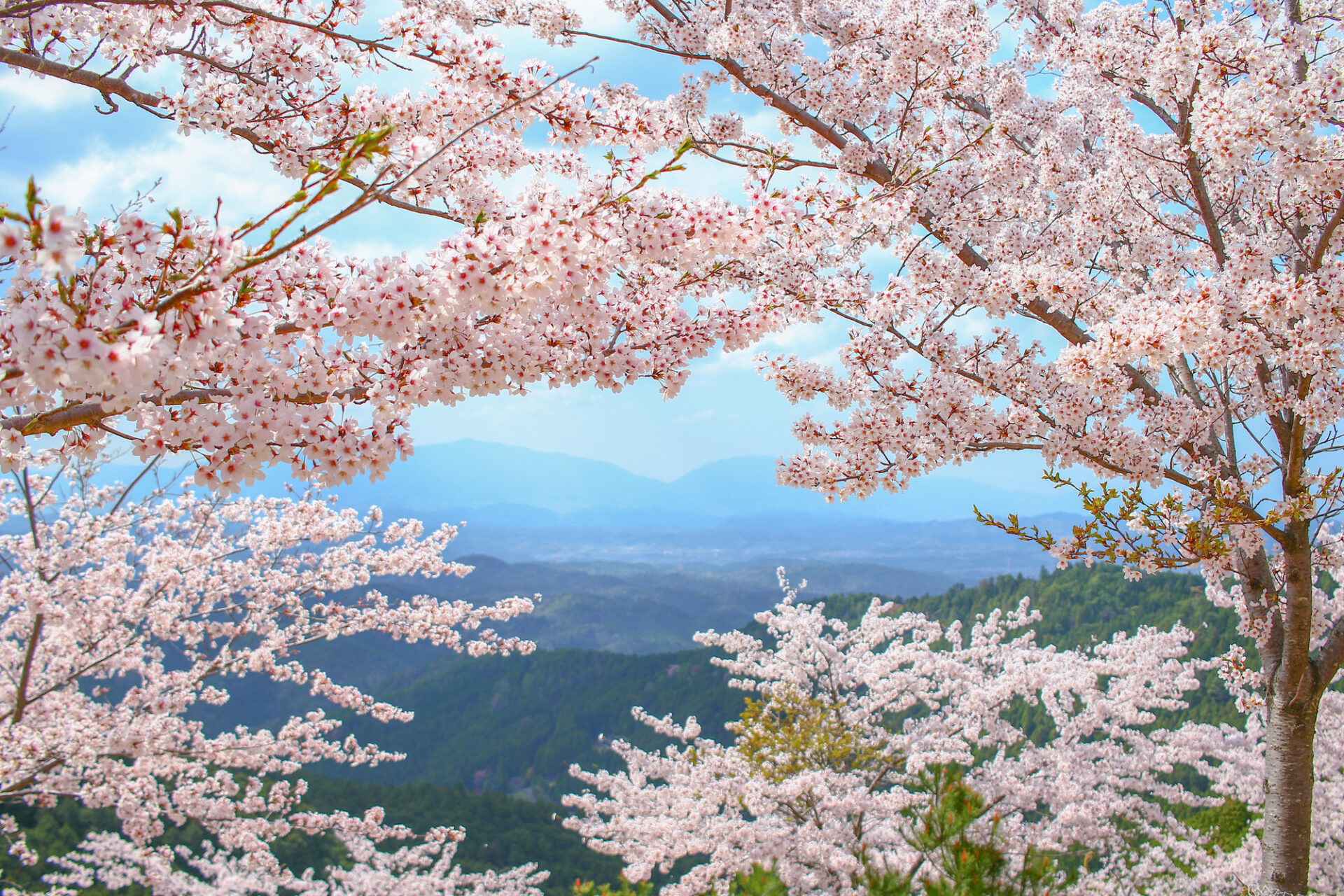
The Oku-senbon area, located at the innermost part of Mt. Yoshino, is the last to experience cherry blossom blooms. Due to its high elevation, the peak viewing period is 1 to 2 weeks later than the other areas, allowing visitors to enjoy cherry blossoms over an extended season.
A key highlight is the Kinpu Shrine, a sacred site of Shugendo that exudes a mystical and tranquil atmosphere.
Venturing further into the Oku-senbon area, you’ll find Saigyo-an Hermitage, a famous cherry blossom spot. Said to be where the monk Saigyo once lived in seclusion, this peaceful place beautifully blends cherry blossoms with the surrounding natural landscape. It’s an area where visitors can deeply experience both nature and history.
Mt. Yoshino Day Trip Itineraries
Day Trip Course 1: The Classic “Must-See” Route (For First-Timers)
This course takes you through the iconic highlights of Mt. Yoshino, perfect for first-time visitors.
Morning:
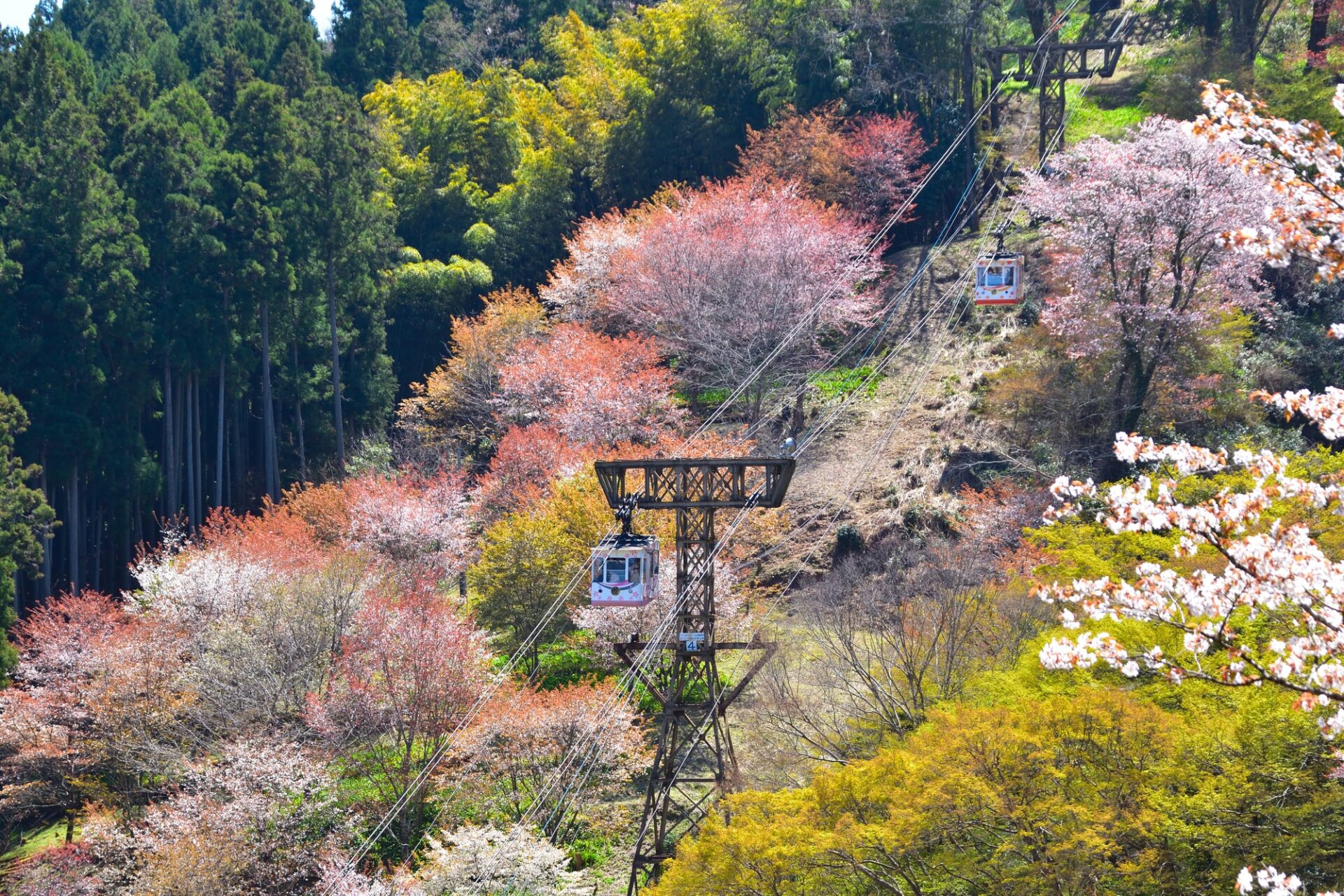
Yoshino Ropeway
Ride above the cherry trees for a stunning 3-minute scenic experience.
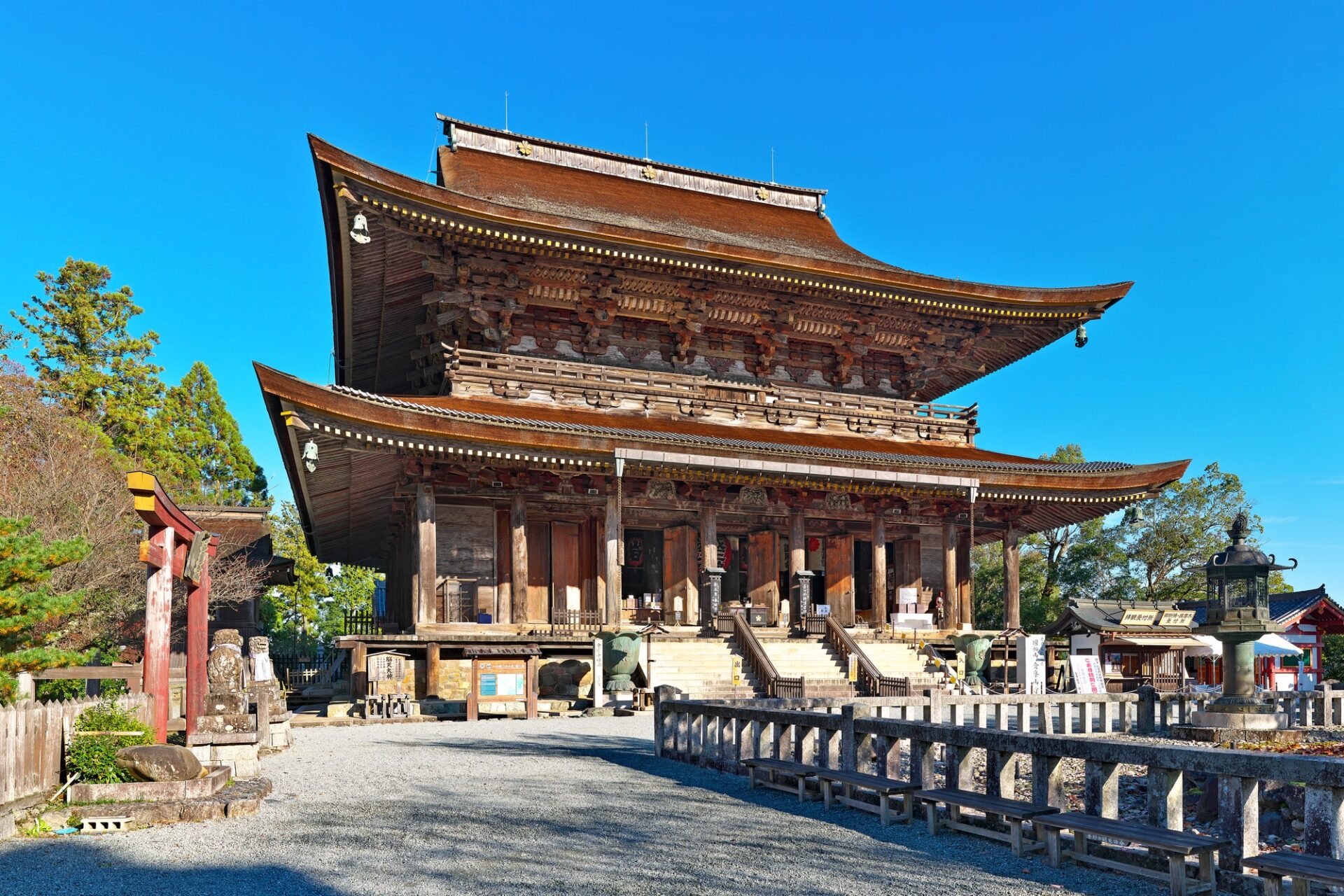
Kimpusen-ji Temple
Explore the historic main hall and feel the spiritual energy of Shugendo.
Lunch:
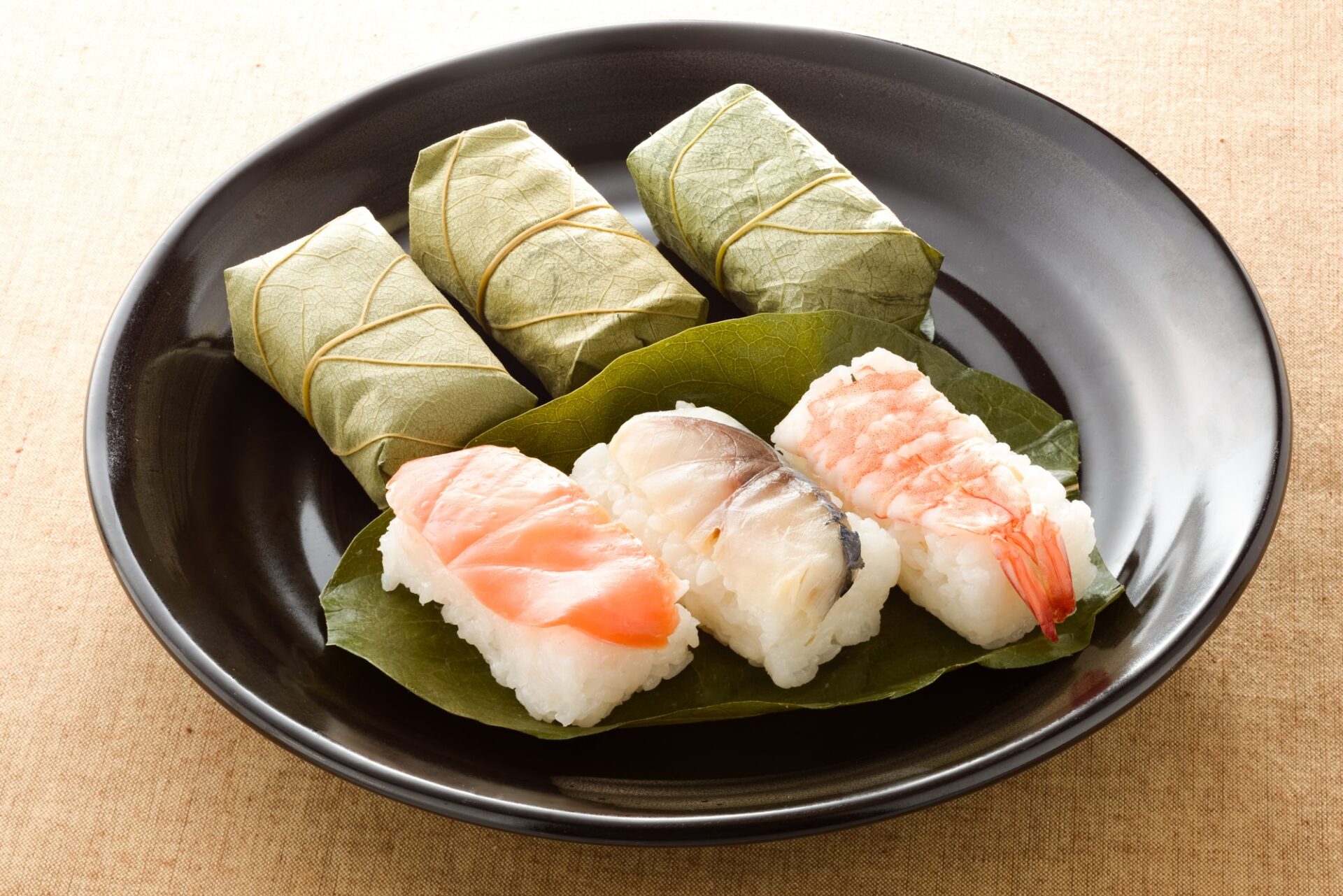
Kakinoha Sushi Yakko
Enjoy Yoshino’s iconic sushi wrapped in persimmon leaves, made with fresh salmon or mackerel
Afternoon:
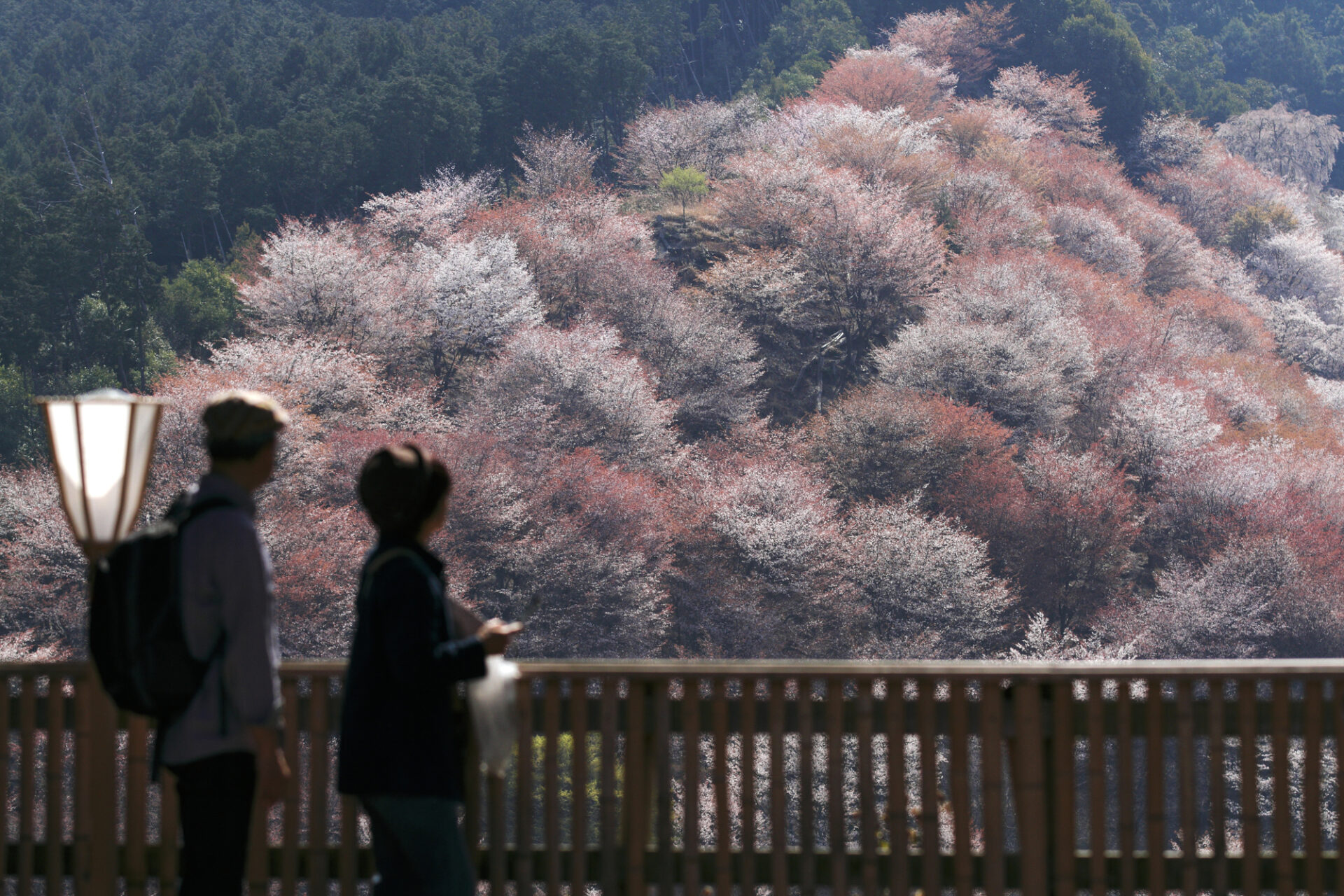
Yoshimizu Shrine & Hitome Senbon View
One of the best panoramic views in Japan, and a site of deep historical significance.
Evening:
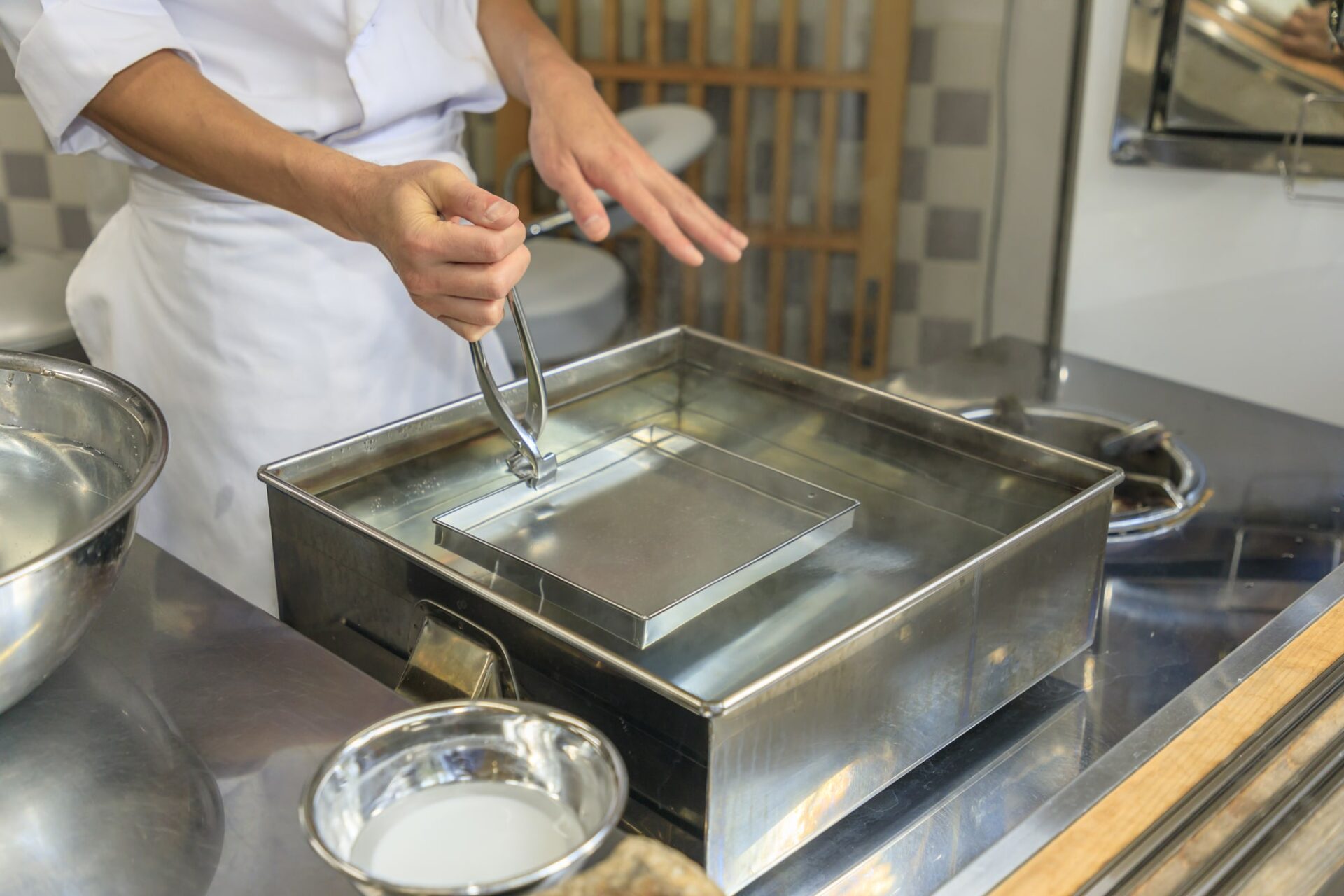
Nakai Shofudo
Savor freshly made kuzu sweets with only a 10-minute shelf life, best enjoyed on-site with mountain views.
Day Trip Course 2: Tranquil Escape Route (For Those Avoiding Crowds)
This itinerary is ideal if you want to explore Mt. Yoshino at a slower pace and avoid the busy areas.
Morning:
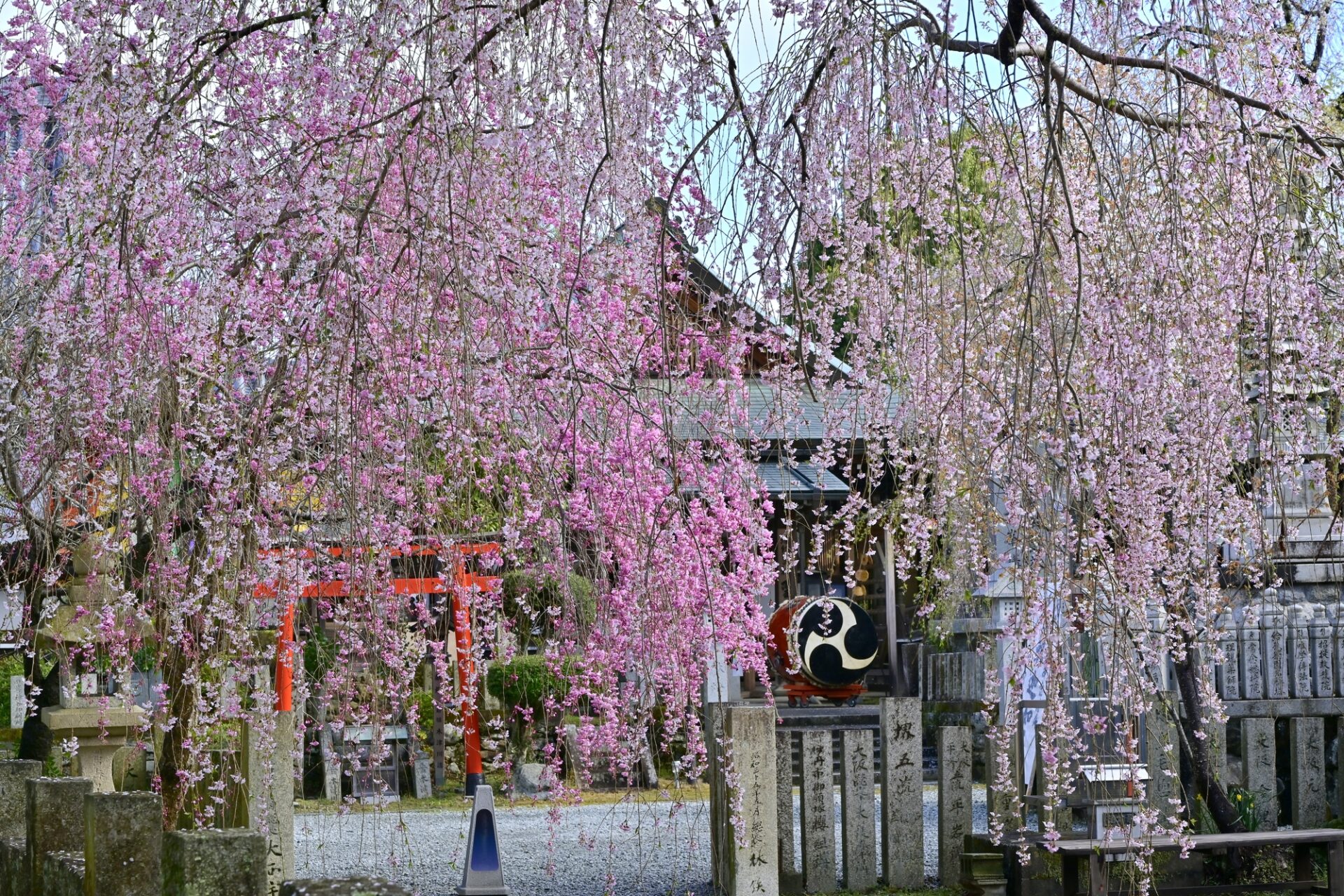
Sakuramotobo Temple
A serene spiritual site with blooming sakura and Shugendo history.
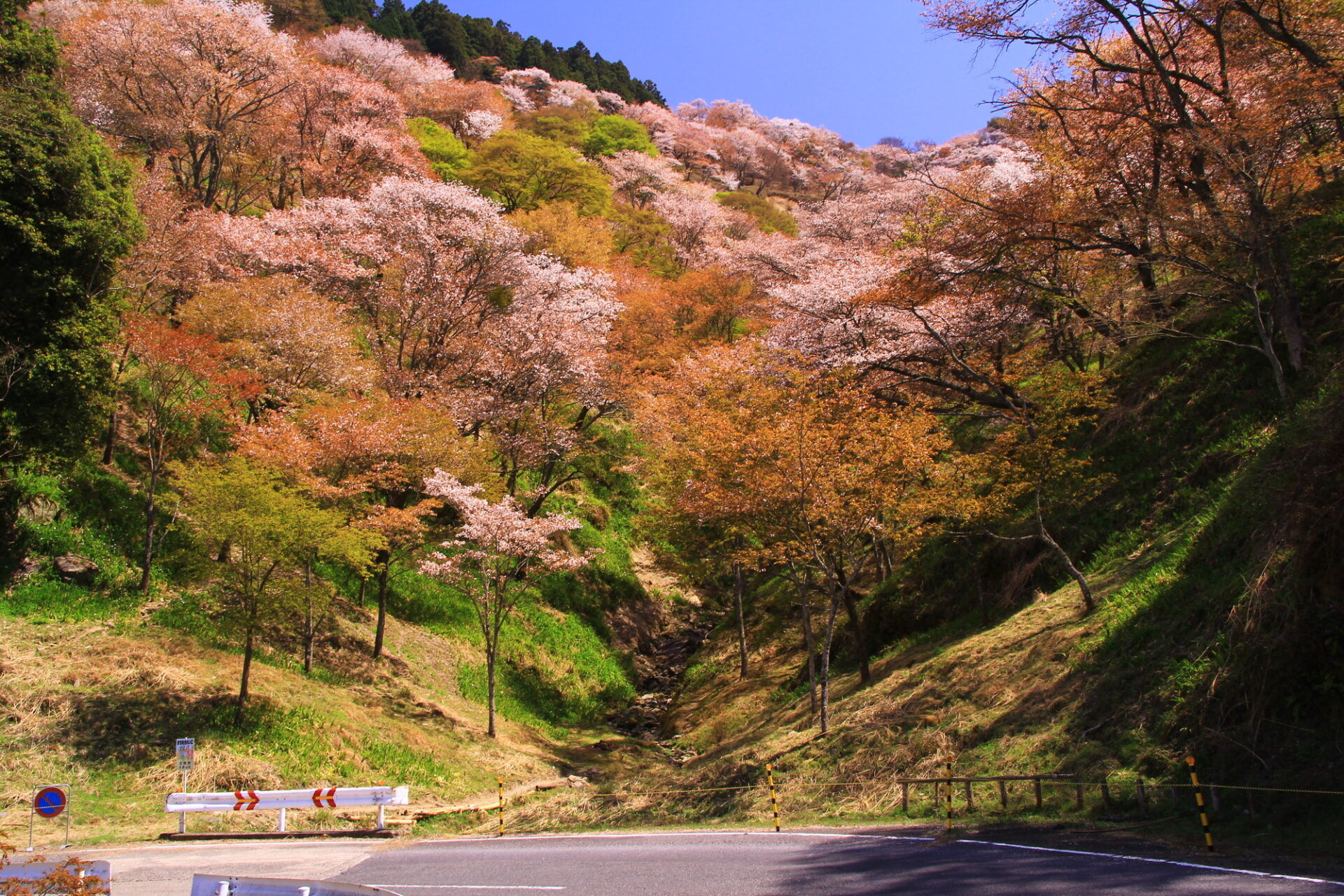
Taki-zakura (“Waterfall” Cherry Trees)
A hidden gem where sakura cascade down slopes like a floral waterfall.
Lunch:
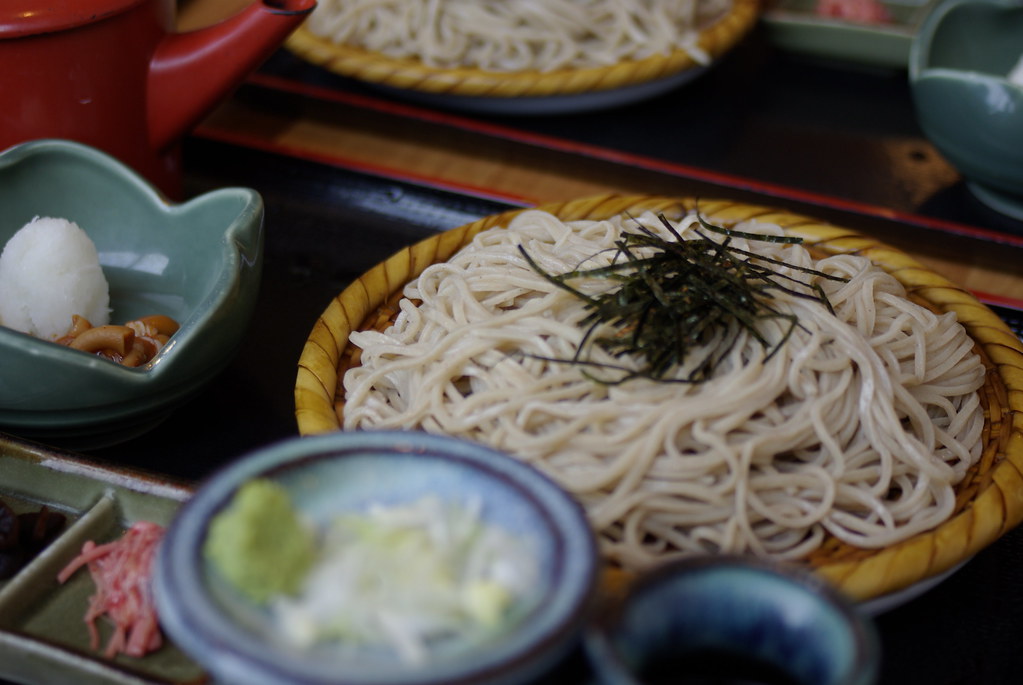
Yamatokan Teahouse
Dine on premium soba noodles and enjoy local dishes like fried mochi tempura in a tranquil setting.
Afternoon:
Yoshino Mikumari Shrine
A sacred site surrounded by cherry blossoms, believed to bless childbirth and parenting.
Evening:
Hanayagura Viewpoint
End your journey with breathtaking views across the cherry-covered mountain landscape.
Other Nearby Spots Worth Visiting
When visiting Mt. Yoshino, be sure to explore the nearby attractions in Nara as well. The area is dotted with scenic and historic destinations where nature and tradition harmonize beautifully.
Fujii Risaburo Yakubo
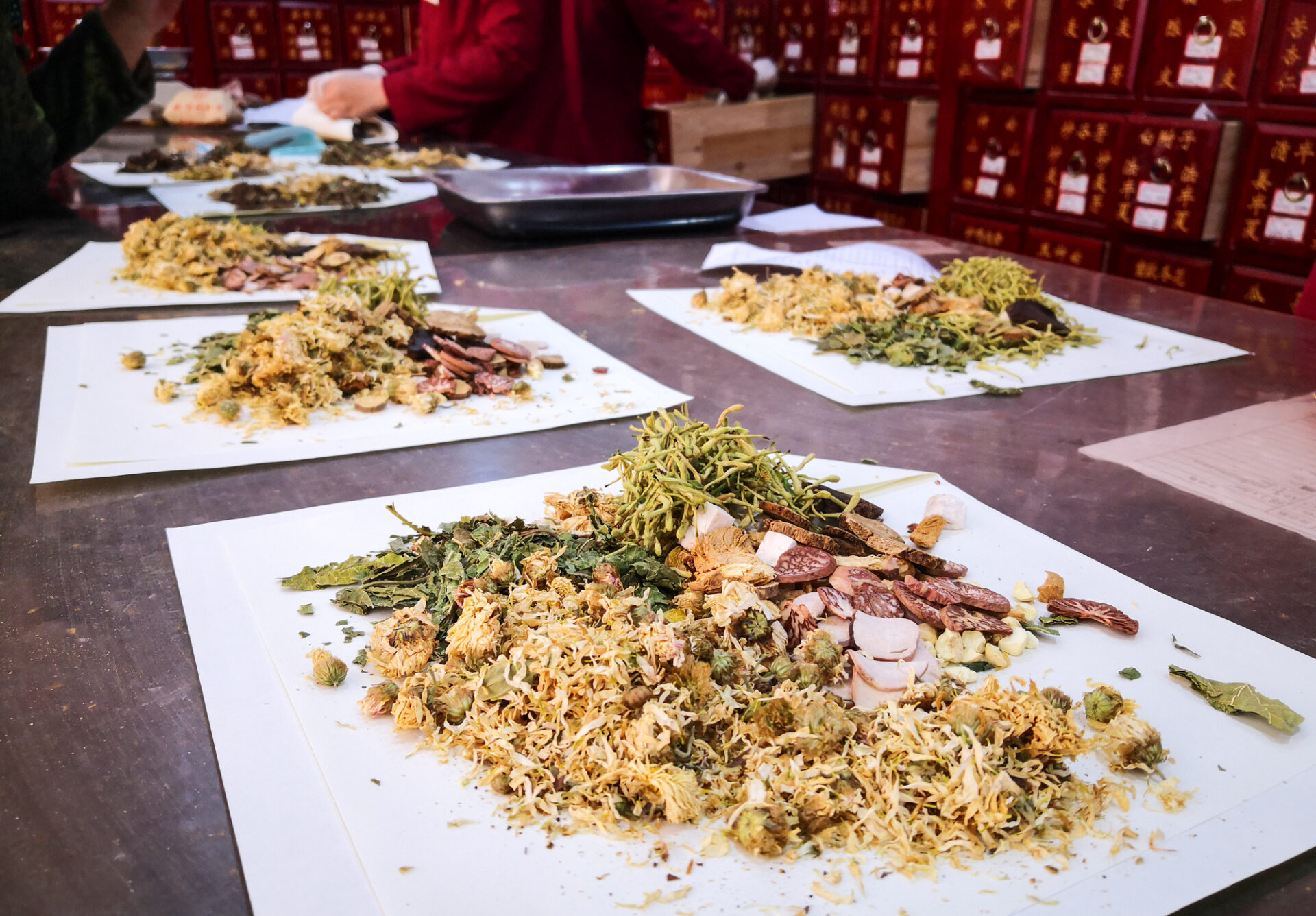
Known for producing and selling “Daranisuke,” a traditional herbal medicine said to have originated from the mountain ascetic En no Gyoja about 1,300 years ago, Fujii Risaburo Yakubo offers natural, additive-free digestive remedies. Recognized as a certified Japan Heritage product, it is one of Japan’s leading herbal medicines.
The store itself has an old-fashioned charm, making it a joy to visit. Their traditional products, rooted in the natural surroundings of Nara and Yoshino, also make great souvenirs.
Ishibutai Kofun
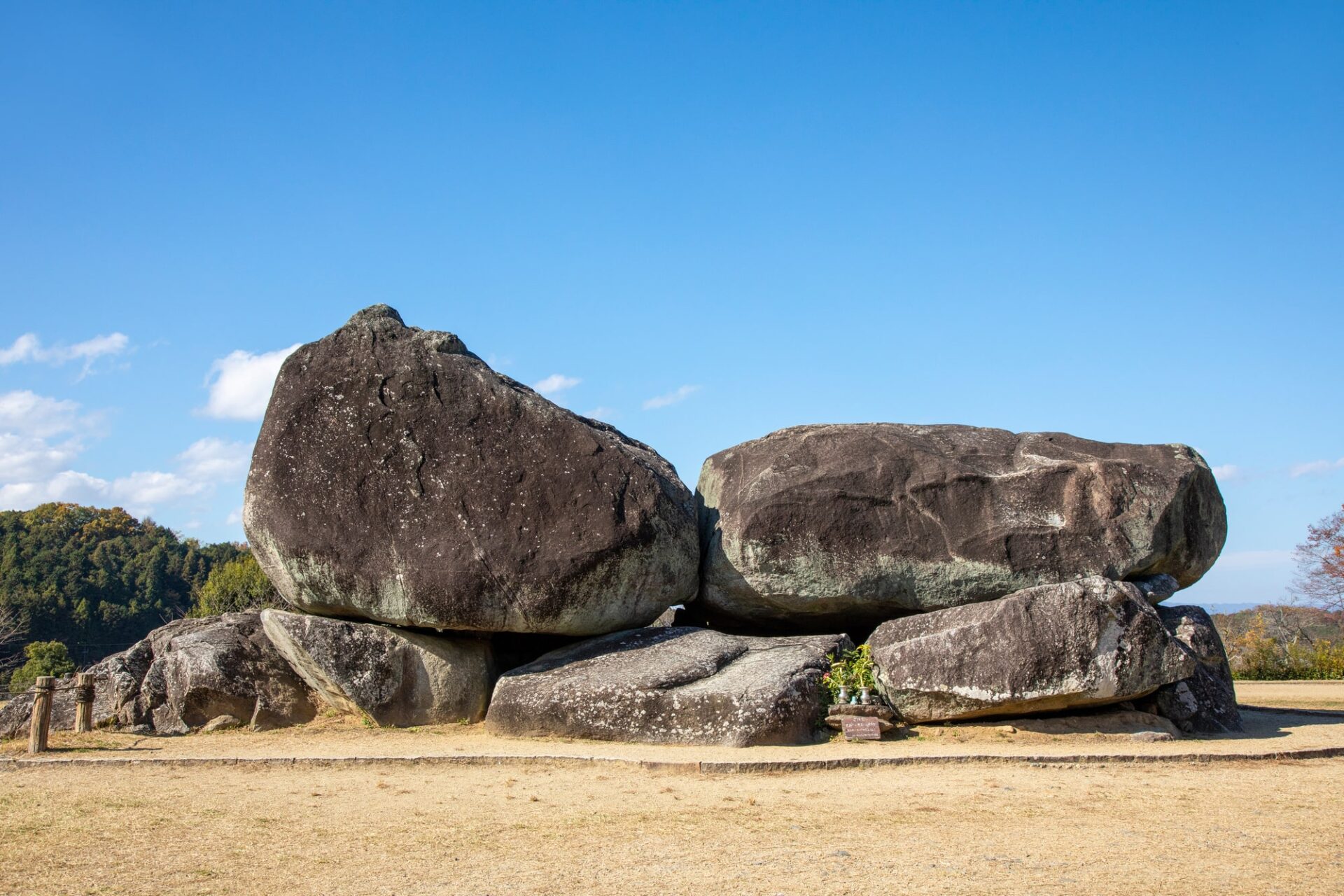
Located in Asuka Village, Nara, Ishibutai Kofun is one of the largest stone tombs in Japan, believed to date back to the early 7th century. It’s widely thought to be the tomb of Soga no Umako, a powerful statesman of the Asuka period. The massive stone chamber is truly impressive—and visitors can even enter it!
The surrounding park is ideal for strolls, especially during cherry blossom season in spring and when the leaves turn in autumn. It’s a great spot for history buffs and families alike.
Matabei-zakura (Hongo no Taki-zakura)
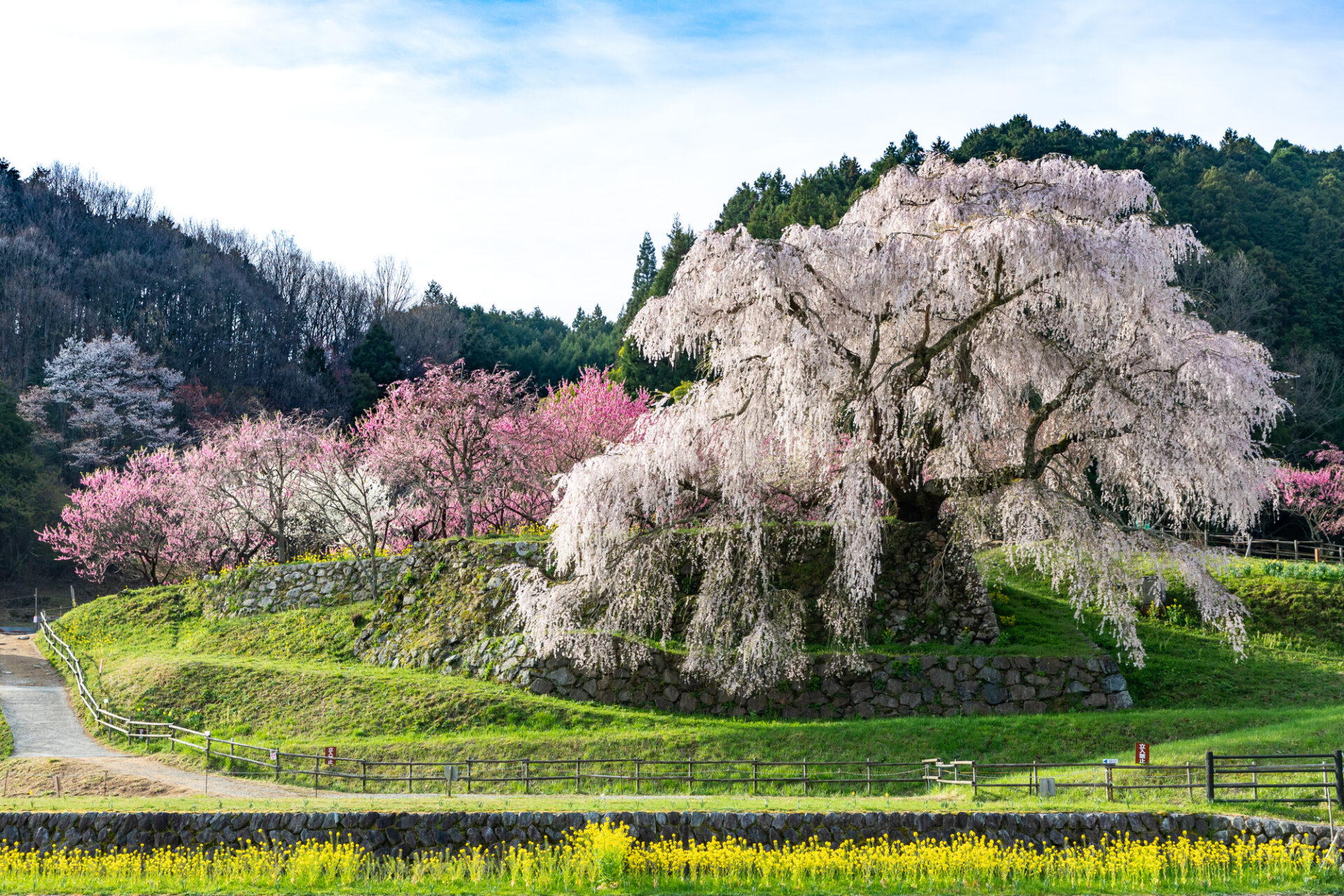
Nicknamed “Matabei-zakura,” this cherry blossom tree located in Uda City, Nara, is over 300 years old and one of the most spectacular single cherry trees in the region. It stands 13 meters tall and 20 meters wide, with cascading branches that resemble a flowing waterfall. In spring, it blooms alongside fields of yellow canola flowers, creating a picture-perfect landscape that draws tourists and photographers from all over.
The name comes from the legend that Goto Matabei, a samurai from the Sengoku period, lived in hiding here. This unique blend of history and nature makes it an unforgettable spot to enjoy the beauty of spring.
Hasedera Temple
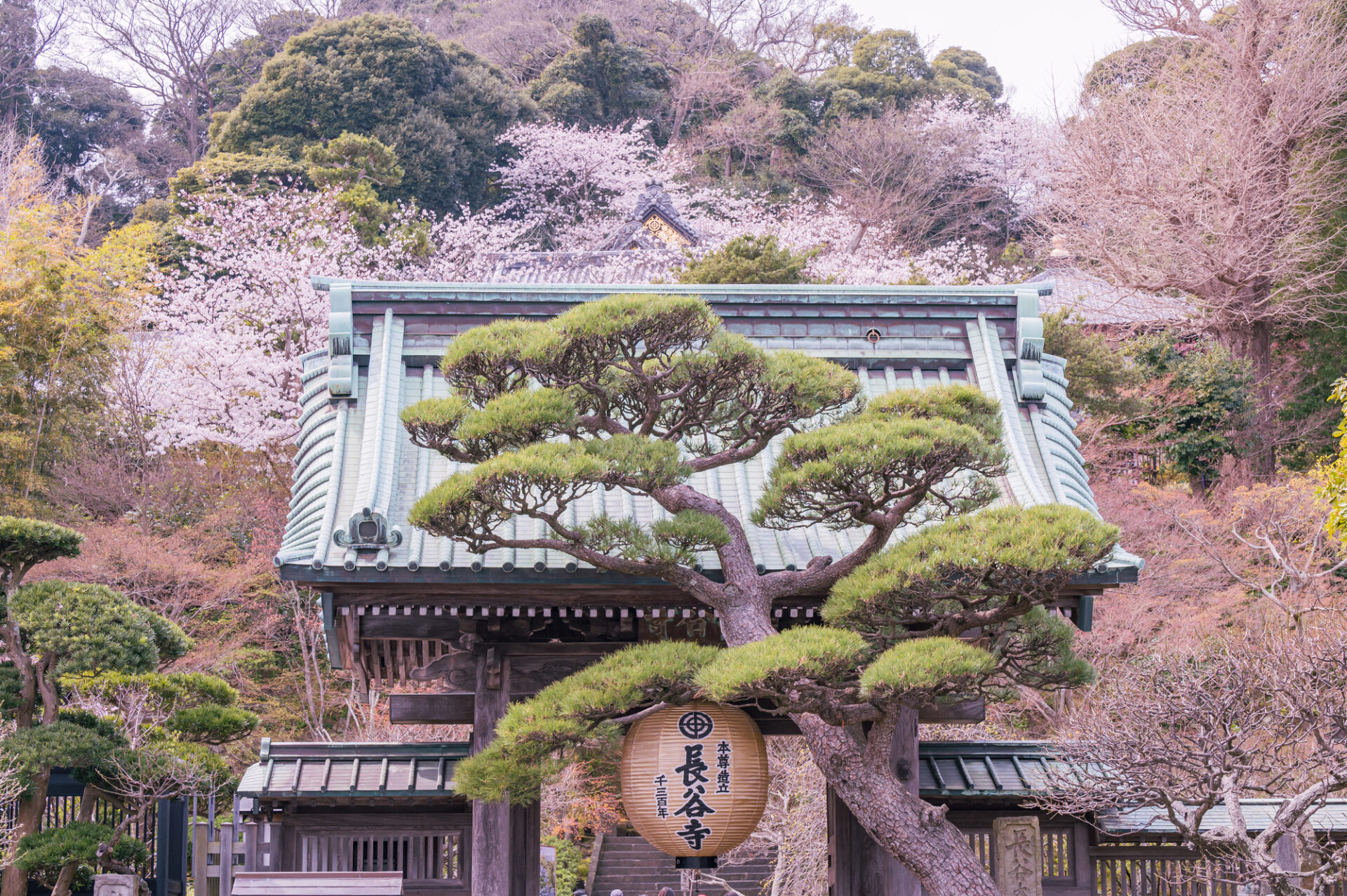
Known as the “Temple of Flowers,” Hasedera in Sakurai City, Nara, is the head temple of the Buzan sect of Shingon Buddhism. It is famous for its seasonal blooms, especially cherry blossoms and peonies in spring and vibrant autumn leaves in fall. The temple’s main hall is a designated National Treasure, offering breathtaking views from its stage-style architecture.
A long covered corridor leads visitors through the peaceful temple grounds, providing a serene and scenic experience. Hasedera is the perfect destination for both sightseeing and quiet reflection.
How to Get to Mt. Yoshino
By Train:
Take the Kintetsu Railway to Yoshino Station, then transfer to the Yoshino Ropeway.
- From Osaka (Abenobashi): ~1 hr 20 min
- From Kyoto: ~1 hr 50 min (via Kashiharajingu-mae)
- From Nagoya: ~2 hr 30 min (via Yamato-Yagi)
By Car:
- From Osaka: ~2 hrs
- From Kyoto: ~2.5 hrs
- From Nagoya: ~3 hrs
Parking is limited during peak cherry blossom season. Arrive early and use shuttle buses or walk to get around efficiently.
FAQ
Final Thoughts
From breathtaking cherry blossoms to ancient temples, tranquil viewpoints, and flavorful local dishes, Mt. Yoshino has everything you need for a perfect spring day trip. Whether you’re looking for the must-see spots or hidden gems, these model courses make planning your visit easy and unforgettable.
Ready to explore Mt. Yoshino? Browse top-rated tours below.