
Shinjuku Gyoen

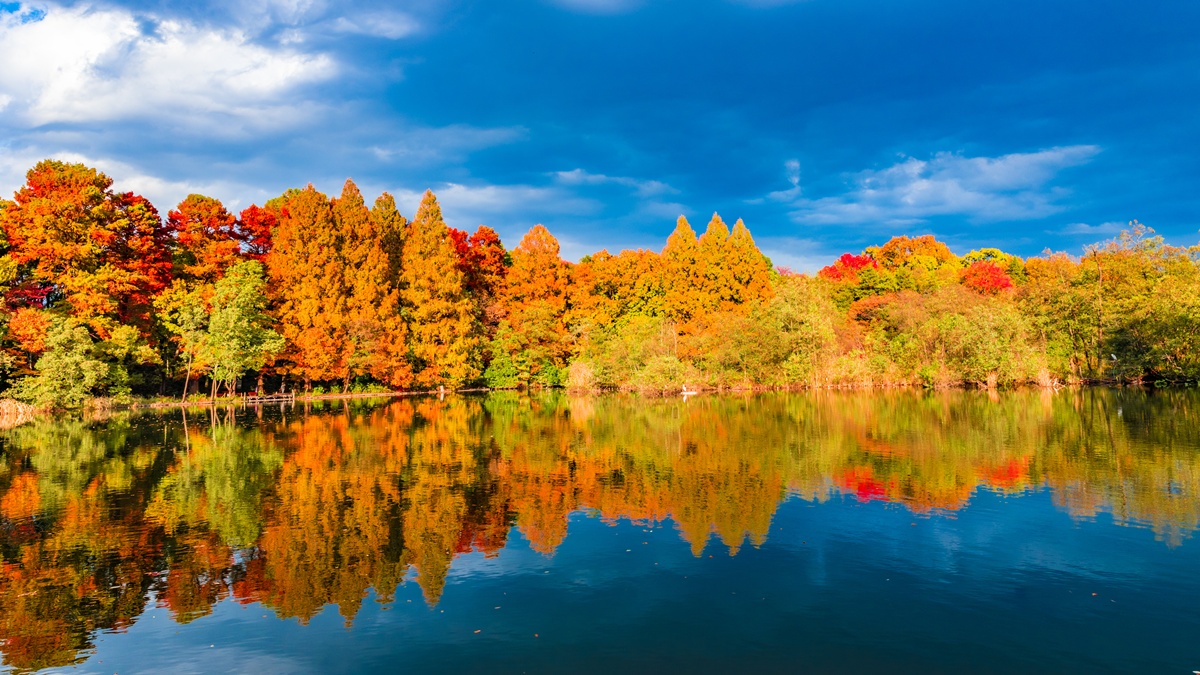
Nestled in the heart of Tokyo, Shinjuku Gyoen National Garden is a breathtaking green oasis that seamlessly blends Japanese, French, and English landscape garden styles. Originally the private estate of the Naitō family during the Edo period, it became an imperial garden in 1906 and opened to the public in 1949. Spanning 58.3 hectares, it is one of Tokyo’s largest and most cherished parks—especially famous for its cherry blossoms in spring and vivid foliage in autumn.
Why Visit Shinjuku Gyoen
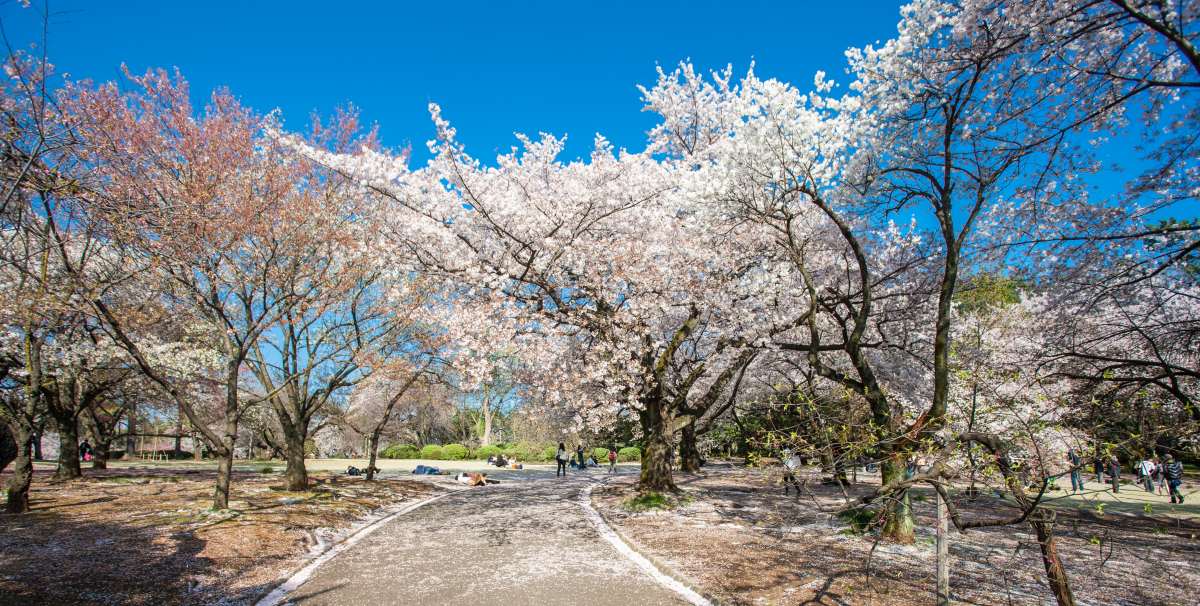
- Diverse Garden Landscapes: Featuring Japanese, English, and French garden styles, the park offers a unique blend of horticultural beauty.
- Extended Sakura Season: Over 65 cherry blossom varieties ensure blooms from February to April.
- Urban Escape: Located in the heart of Tokyo, Shinjuku Gyoen provides a tranquil contrast to the city’s vibrant pace.
- Historical Significance: Originally an imperial garden, Shinjuku Gyoen’s rich history adds depth to its natural allure.
Brief History of Shinjuku Gyoen
Shinjuku Gyoen’s origins trace back to the Edo period when it was the private residence of the Naitō family, one of the powerful daimyo (feudal lords) at the time. The land was used primarily for agricultural purposes until it was transformed into an imperial garden in 1906. The garden served as a retreat for the Imperial Family and a space for hosting foreign dignitaries. After World War II, Shinjuku Gyoen was designated as a national garden and opened to the public in 1949. Its historical significance is still preserved in the beautifully maintained landscapes and traditional structures, like the Taiwan Pavilion, built in 1927 to celebrate the marriage of Emperor Showa.
During the Meiji era (1868–1912), Shinjuku Gyoen played a critical role in Japan’s modernization. Originally established as an experimental agricultural station in 1872, it was later converted into an imperial garden in 1906, symbolizing the coexistence of imperial tradition and Western influence through its diverse garden styles. Despite suffering damage during World War II, it was lovingly restored and reopened, continuing its legacy as a sanctuary of peace in bustling Tokyo.
Highlights of Shinjuku Gyoen
Japanese Traditional Garden

This serene garden features beautifully manicured lawns, stone lanterns, and koi ponds. Traditional wooden bridges cross over quiet streams, offering stunning views of cherry blossoms and maple trees. The Rakuu-tei Teahouse, located within the garden, is a perfect place to relax and experience a traditional tea ceremony while gazing over reflective waters.
French Formal Garden
Designed in the style of classical European gardens, this section boasts symmetrical flower beds lined with rose bushes and tree-lined avenues. Seasonal flowers bloom in harmony, making it a popular spot for photography, especially during the rose blooming season in early summer.
English Landscape Garden
Wide-open lawns stretch across the landscape, bordered by cherry trees and seasonal blooms. It is an ideal spot for picnics, leisurely strolls, and hanami during the cherry blossom season. The English Landscape Garden is particularly stunning during autumn when the maple trees turn brilliant shades of red and orange.
Taiwan Pavilion
Built in 1928 as a gift from Taiwan, this beautiful structure reflects traditional Taiwanese architecture. It offers visitors a peaceful resting spot and is surrounded by lush greenery. Its intricate wooden carvings and tranquil atmosphere make it a favorite among visitors.
Greenhouse
The greenhouse at Shinjuku Gyoen is a botanical treasure, showcasing tropical and subtropical plants. It provides a year-round glimpse of exotic flora and is especially popular during colder months when outdoor gardens are less vibrant. Visitors can walk through winding paths surrounded by palms, orchids, and vibrant ferns.
Top Things to Do in Shinjuku Gyoen
Cherry Blossom Viewing
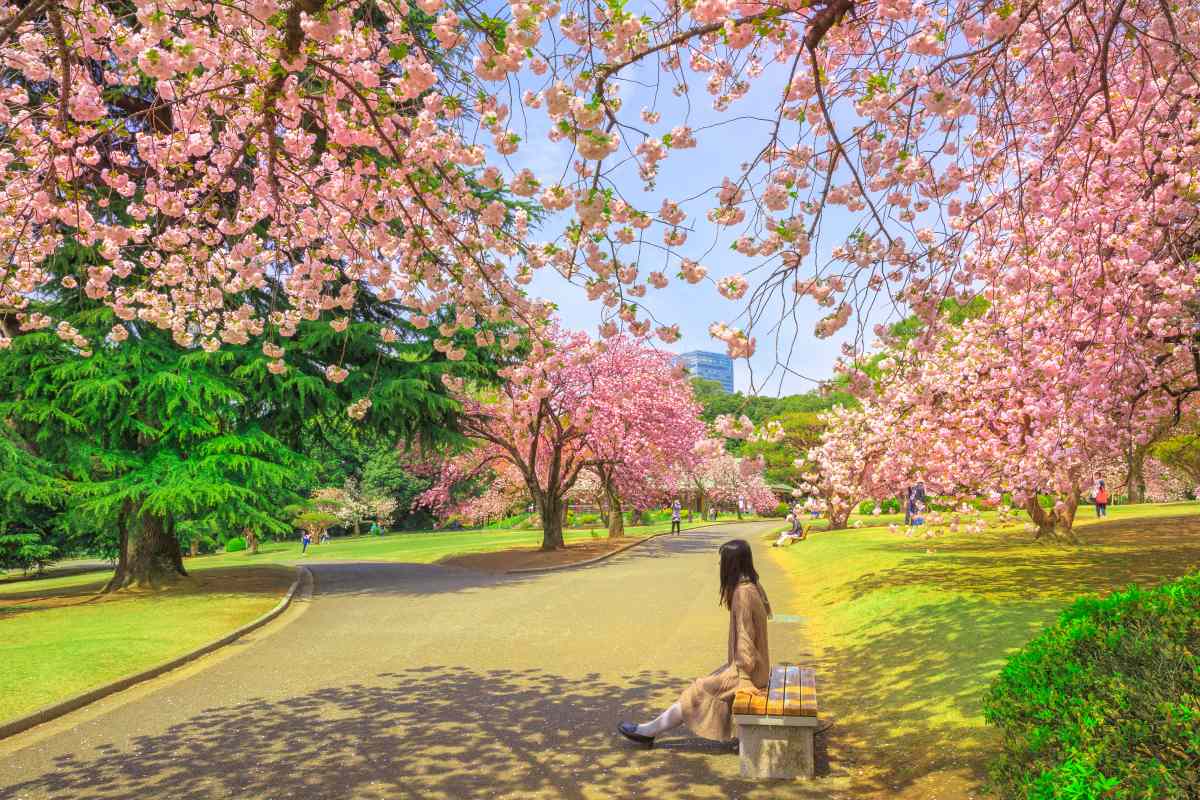
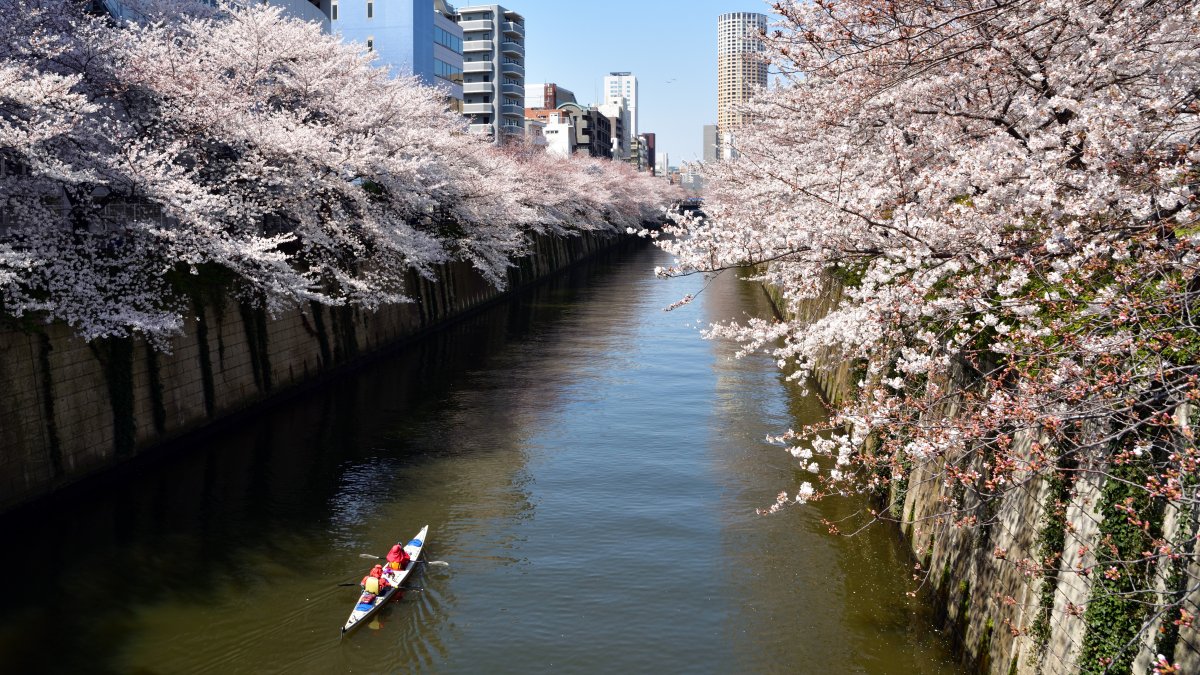
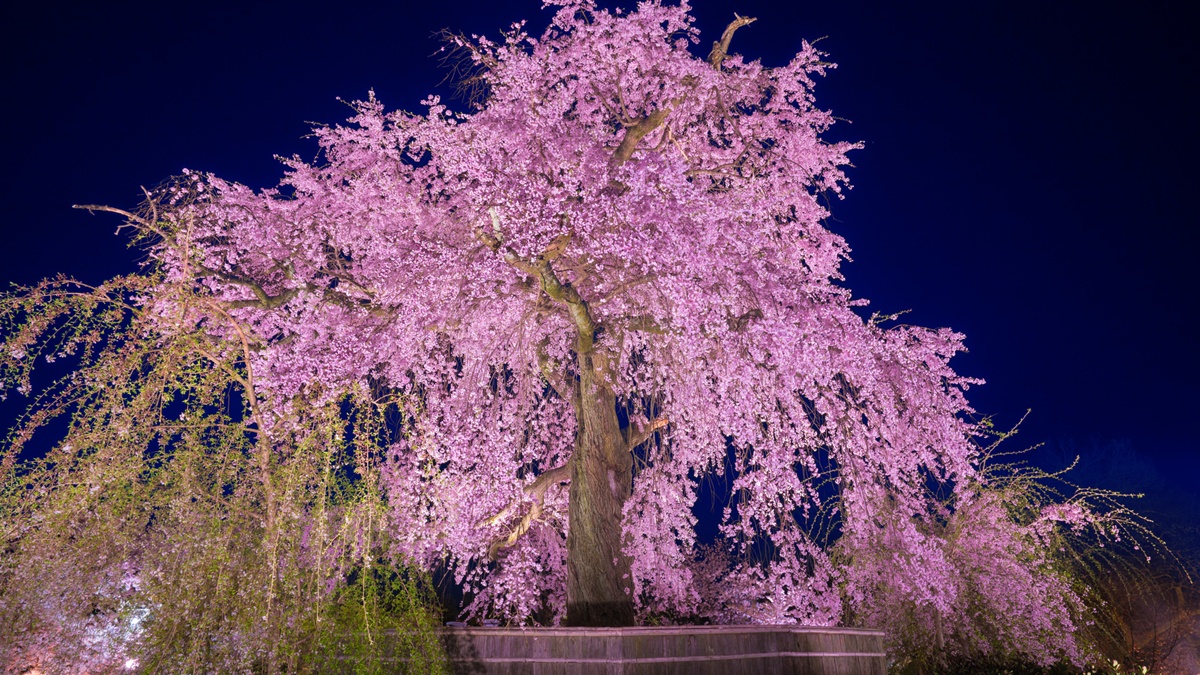
The garden is one of Tokyo’s top spots for hanami, with over 1,000 cherry trees of 65 different varieties. The cherry blossoms bloom from late March to early April, covering the park in delicate shades of pink and white. Visitors often lay out picnic blankets to enjoy the breathtaking scenery, turning the garden into a sea of joyful gatherings.
Explore the Greenhouse
The park’s greenhouse is a lush escape featuring a wide array of tropical and subtropical plants. Visitors can explore winding paths surrounded by towering palms, orchids, and other exotic plants. The greenhouse also features rare species that are difficult to find elsewhere in Japan.
Visit the Taiwan Pavilion
This traditional structure, gifted by Taiwan in 1927, is a testament to Shinjuku Gyoen’s cultural ties and historical significance. It provides a serene place to rest and admire its architecture, complete with ornate woodwork and stunning views of the surrounding garden.
Photography and Picnics
Shinjuku Gyoen’s diverse landscapes make it a photographer’s dream. Visitors can capture cherry blossoms, vibrant autumn leaves, and serene landscapes throughout the year. Picnicking is popular, especially during cherry blossom season, when families and friends gather under blooming trees.
Visitor Tips
- Best Time to Visit: Late March to early April for cherry blossoms; mid-November for autumn colors. The gardens are breathtaking during these seasons, offering spectacular views and vibrant colors.
- Avoiding Crowds: Weekday mornings are typically less crowded. If you want a serene experience, aim to arrive as soon as the park opens.
- Accessibility: Shinjuku Gyoen is wheelchair-friendly, with accessible paths, restrooms, and ramps. Wheelchair rentals are also available at the main entrance.
- Facilities: Coin lockers are available near each entrance, and rest areas are well-distributed throughout the park for convenience.
- Prohibited Items: Alcohol, sports equipment, and pets (except guide dogs) are not allowed inside the park. Smoking is also prohibited, maintaining the clean and serene environment.
- Picnic Rules: Picnicking is allowed, but be mindful to clean up after yourself. Alcoholic beverages are not permitted.
- Photography: Personal photography is encouraged, but commercial shoots require permission. Drones are not allowed.
- Seasonal Considerations: Bring a light jacket or umbrella during the rainy season (June to mid-July) and be prepared for strong sunlight in summer.
How to Get to Shinjuku Gyoen
Shinjuku Gyoen is conveniently located in the heart of Tokyo and is easily accessible by train, bus, and even on foot if you are staying nearby. The park has three main entrances: Shinjuku Gate, Okido Gate, and Sendagaya Gate.
By Train
- Shinjuku Gate: A 10-minute walk from Shinjuku Station (JR Line, Odakyu Line, Keio Line, Marunouchi Subway Line, Toei Shinjuku Line). Follow signs to the Shinjuku South Exit and walk east towards the garden entrance.
- Okido Gate: A 5-minute walk from Shinjuku-Gyoemmae Station (Tokyo Metro Marunouchi Line). Exit from Exit 2 and the gate is right nearby.
- Sendagaya Gate: A 5-minute walk from Sendagaya Station (JR Chuo-Sobu Line).
By Bus
Several buses stop near the Shinjuku area. The Toei Bus and Keio Bus run routes that stop near Shinjuku Gyoen. Bus stops are clearly marked, and announcements are made in both Japanese and English.
By Car
Shinjuku Gyoen does not have on-site parking. However, there are several paid parking lots around the Shinjuku area. It is recommended to use public transportation for convenience and to avoid parking fees.
By Bicycle
While bicycles are not allowed inside the garden, there are bicycle parking areas available near the main gates.
FAQ
Discover the Tranquility of Shinjuku Gyoen
Shinjuku Gyoen is a timeless symbol of Tokyo’s heritage and beauty. Its carefully curated gardens, historical structures, and serene landscapes offer a unique experience in the heart of the city. Whether you’re visiting for cherry blossoms, autumn foliage, or simply to escape the urban bustle, Shinjuku Gyoen is a must-visit destination for anyone exploring Tokyo. Shinjuku Gyoen is a timeless symbol of Tokyo’s heritage and beauty. Its carefully curated gardens, historical structures, and serene landscapes offer a unique experience in the heart of the city. Whether you’re visiting for cherry blossoms, autumn foliage, or simply to escape the urban bustle, Shinjuku Gyoen is a must-visit destination for anyone expl