
Churaumi Aquarium: A Beacon of Ocean Conservation in Japan

In the azure waters surrounding Okinawa, Japan’s southernmost prefecture, a remarkable institution stands as a testament to humanity’s commitment to preserving our oceans. The Okinawa Churaumi Aquarium, whose name poetically blends “chura” (beautiful in Okinawan dialect) with “umi” (ocean in Japanese), has emerged as one of Asia’s leading marine conservation centers. Far more than a tourist attraction, this pioneering facility represents the intersection of public education, scientific research, and active conservation—a model for how modern aquariums can contribute meaningfully to protecting our planet’s most precious ecosystems.
A Conservation Philosophy Rooted in Local Waters
Nestled in Motobu on Okinawa’s main island, Churaumi Aquarium operates under the stewardship of the Okinawa Churashima Foundation and holds membership in the Japanese Association of Zoos and Aquariums (JAZA). What sets this institution apart is not merely its impressive scale—though with over 3.5 million annual visitors, its reach is substantial—but rather its deeply rooted conservation philosophy that prioritizes the sustainable use and protection of marine resources.
The aquarium’s approach centers particularly on the tropical and subtropical species native to Okinawa’s surrounding waters, creating a conservation model that begins locally but extends globally. This regional focus allows Churaumi to develop specialized expertise while addressing conservation challenges that have worldwide implications. The Japanese Ministry of Environment has recognized these efforts by certifying Churaumi as an official facility for the conservation of rare species.
Tours & Activities
Pioneering Breeding Programs: From Manta Rays to Sea Turtles
Perhaps Churaumi’s most significant contributions to marine conservation lie in its groundbreaking breeding programs. The aquarium has received breeding awards for an impressive 39 different marine species—an achievement that underscores its expertise in recreating optimal conditions for some of the ocean’s most challenging inhabitants.
Among its most celebrated successes is the captive breeding of manta rays and Indo-Pacific bottlenose dolphins, accomplishments that few facilities worldwide can claim. These breeding programs serve multiple conservation purposes: they reduce pressure on wild populations, create genetic reservoirs for endangered species, and provide invaluable research opportunities that inform in-situ conservation efforts.
The aquarium’s work with sea turtles exemplifies this approach. Churaumi has pioneered captive breeding techniques for multiple turtle species, achieving the rare distinction of multi-generational breeding success. This expertise was formally recognized in 2023 when the facility received the prestigious Koga Award for its efforts in breeding sea turtles.”
Beyond simply breeding these species, Churaumi practices “headstarting”—a conservation technique where weakened or captive-bred individuals are rehabilitated and strategically released into the wild. This practice directly bolsters natural populations of vulnerable species, creating a tangible link between ex-situ conservation at the aquarium and in-situ conservation in the wild.
Coral Reef Conservation: Mimicking Nature to Save It
Few marine ecosystems face greater threats than coral reefs, which are experiencing unprecedented decline worldwide due to climate change, ocean acidification, and direct human impacts. Churaumi Aquarium has positioned itself at the forefront of coral conservation through innovative approaches to coral husbandry and propagation.
The aquarium’s spectacular Coral Sea tank features a diverse array of coral species, showcasing the rich biodiversity of Okinawa’s marine ecosystems.. What makes this exhibit remarkable from a conservation perspective is its design—an open-roof system that allows natural sunlight to penetrate the water column, coupled with a constant flow of fresh seawater directly from the ocean. This setup doesn’t merely display corals; it creates conditions so closely resembling their natural habitat that the corals thrive and reproduce naturally.
Indeed, Churaumi has achieved something extraordinary: over two decades of simultaneous coral spawning in captivity. This milestone provides researchers with regular opportunities to study coral reproduction and develop propagation techniques that could help restore damaged reefs in the wild. The aquarium has been cultivating corals for over a decade, building expertise that extends beyond its own tanks through collaborations with reef restoration projects.
The facility’s research also examines the complex ecological relationships between corals and reef fish, contributing to a more holistic understanding of reef ecosystems that informs conservation strategies both in Japan and internationally.
Giants of the Deep: Shark and Ray Research
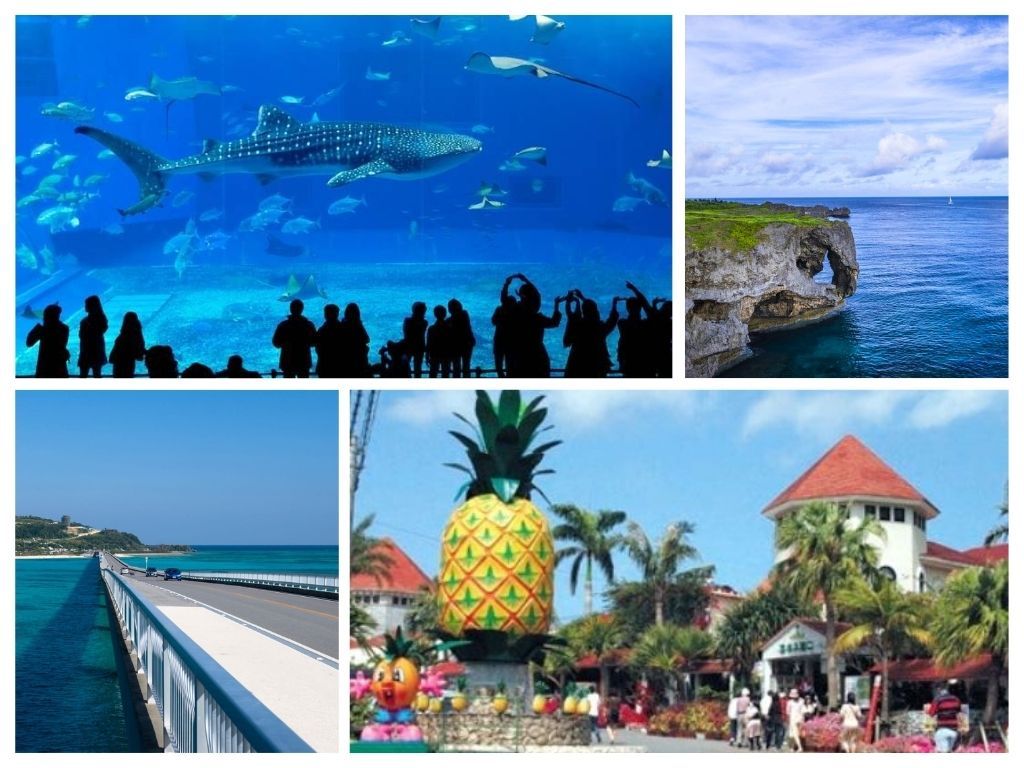
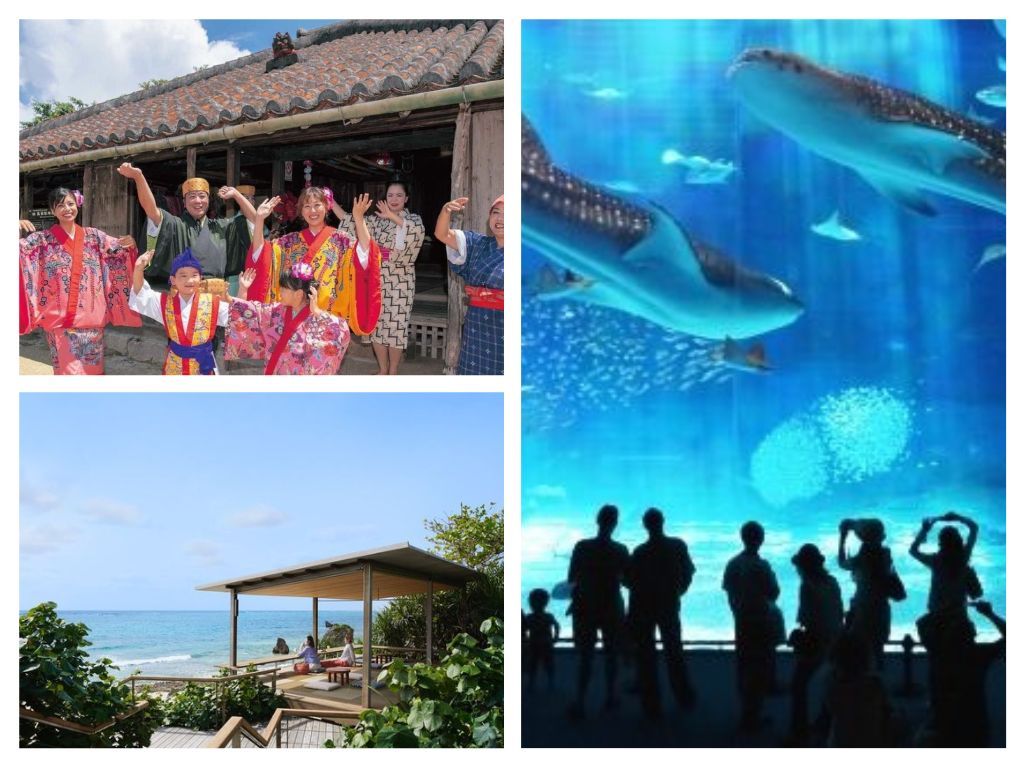
Few marine creatures capture public imagination like the ocean’s largest inhabitants, and Churaumi Aquarium has established itself as a leader in the study and conservation of large pelagic species. The aquarium was the first aquarium in the world to succeed in raising multiple whale sharks in captivity for the purpose of breeding., providing unprecedented opportunities to study these enigmatic giants up close.
Beyond the valuable public education these magnificent animals provide, Churaumi’s research center conducts groundbreaking studies on their biology and ecology. Researchers collect biological samples from wild whale sharks and deploy electronic tags to track their movements and behaviors—data that directly informs conservation strategies for these vulnerable species.
Perhaps most innovative is the aquarium’s development of an artificial uterus for shark embryos. This technological breakthrough allowed researchers to successfully incubate and hatch deep-sea slendertail lanternsharks (Etmopterus molleri)—a world first that has significant implications for the ex-situ conservation of threatened shark species. By developing methods to reproduce species with complex reproductive strategies, Churaumi creates insurance populations that could prove invaluable if wild populations face catastrophic decline.
Saving the Most Vulnerable: Critical Species Conservation
For species teetering on the edge of extinction, Churaumi’s specialized expertise can mean the difference between recovery and loss. The aquarium’s work with the critically endangered bowmouth guitarfish (Rhina ancylostoma) exemplifies this vital role. Through an international collaboration with the Georgia Aquarium and Shedd Aquarium in the United States, Churaumi has participated in international efforts to conserve the critically endangered bowmouth guitarfish.
This achievement stems from the facility’s exceptional husbandry practices and environmental management capabilities, which create conditions suitable for even the most specialized marine species. For animals whose wild populations face severe threats, these captive breeding programs represent essential safeguards against extinction.
Rescue, Rehabilitation, and Return
Conservation extends beyond managed breeding programs to direct interventions with wild animals in distress. Churaumi Aquarium operates rescue and rehabilitation programs for marine animals found weakened or injured in Okinawan waters. After receiving appropriate medical care and rehabilitation, many of these animals are released back into their natural habitats, directly supporting wild population recovery.
These rescue efforts benefit not only charismatic megafauna but also endangered and rare marine plants and animals native to Okinawa’s fragile ecosystems. By extending its conservation reach beyond its walls, Churaumi demonstrates a commitment to the holistic protection of marine biodiversity.
Research Excellence and Global Collaboration
The conservation impact of Churaumi Aquarium is amplified through its robust research programs and international collaborations. The facility conducts extensive studies on the diversity, physiology, and ecology of tropical and subtropical marine life, with a particular focus on species native to Okinawan waters.
This research doesn’t remain within academic circles but directly informs conservation strategies and management practices. By sharing findings with the global scientific community, Churaumi ensures that its discoveries benefit conservation efforts worldwide. The aquarium’s partnerships with leading global institutions enhance the effectiveness of conservation programs, particularly for species with complex husbandry needs or those facing critical threats in the wild.
The international recognition of Churaumi’s research methods and conservation protocols serves as a model for other institutions, creating a multiplier effect that extends the facility’s impact far beyond Japan’s borders.
Educating for Ocean Stewardship
Perhaps Churaumi’s most far-reaching conservation contribution lies in its environmental education programs, which transform millions of visitors annually into more informed ocean stewards. The aquarium’s exhibits, including the spectacular Kuroshio Sea and Coral Sea tanks, are designed not merely to awe but to educate visitors about marine biodiversity and the threats facing ocean ecosystems.
For local communities, the aquarium offers specialized programs like the annual “Environmental Learning from Sea Turtles” initiative for elementary schools. These programs provide children with hands-on experiences that foster deeper connections to marine environments and instill conservation values at an early age.
The Okinawa Churashima Foundation extends this educational mission beyond the aquarium’s walls by supporting community-based conservation activities. Local environmental initiatives, such as coastal cleanups and efforts to prevent red soil runoff (a significant threat to coral reefs), receive both material and educational support from the foundation. In an innovative approach to incentivizing participation, community members who join these conservation activities receive eco-coupons redeemable for aquarium admission—creating a virtuous cycle that reinforces environmental stewardship.
Sustainable Design: Conservation in Practice
Churaumi Aquarium exemplifies conservation principles not just in its programs but in its very design and operations. The facility utilizes an open-system approach for its tanks, drawing natural seawater directly from the Okinawan sea and cycling it back to the ocean after careful treatment. This system minimizes environmental impact while providing optimal conditions for marine life.
Beyond its water management practices, the aquarium is certified for CO2 absorption through the management of native trees surrounding the facility. This attention to the broader environmental context demonstrates a holistic approach to conservation that recognizes the interconnectedness of terrestrial and marine ecosystems.
A Model for the Future
As oceans worldwide face unprecedented threats from climate change, pollution, overfishing, and habitat destruction, institutions like Churaumi Aquarium demonstrate how public aquariums can evolve beyond entertainment to become vital centers for conservation, research, and education.
The aquarium’s achievements in breeding endangered species, advancing marine science, restoring coral reefs, educating the public, and fostering community engagement provide a comprehensive model for ocean conservation. By balancing ex-situ conservation within its walls with support for in-situ conservation in natural environments, Churaumi creates a bridge between controlled environments and wild ecosystems.
As we look toward an uncertain future for our oceans, Churaumi Aquarium stands as a beacon of hope—proof that with scientific expertise, public engagement, and unwavering commitment, we can develop effective strategies to protect marine biodiversity for generations to come. The name “Churaumi” promises beautiful oceans, and through its conservation efforts, the aquarium works tirelessly to ensure that promise becomes reality.