Ueno Park

Ueno Park, known as 上野公園 (Ueno Kōen) in Japanese, is one of Tokyo’s largest and most popular public parks. Established in 1873 on the former grounds of the Kaneiji Temple, it holds historical significance as one of Japan’s first Western-style public parks. Spanning approximately 133 acres, Ueno Park is located in the Ueno district of Taitō, Tokyo, and serves as a cultural, historical, and recreational hub for both locals and international tourists.
The park is renowned for its diverse attractions, including world-class museums, tranquil temples, Japan’s oldest zoo, and breathtaking cherry blossoms that bloom each spring. Whether you’re an art enthusiast, a nature lover, or a history buff, Ueno Park offers a little something for everyone.
Why Visit Ueno Park?
Cultural Significance
Ueno Park was originally part of the expansive grounds of Kaneiji Temple, a major Buddhist temple of the Tokugawa clan during the Edo period. This temple once served as a place of prayer for the ruling Tokugawa family. However, much of it was destroyed during the Boshin War in 1868, marking a significant turning point in Japanese history as the Meiji Restoration began.
Today, remnants of Kaneiji’s history can still be seen throughout the park, including the Five-Story Pagoda and the Toshogu Shrine, dedicated to Tokugawa Ieyasu. Ueno Park symbolizes Japan’s transition from the Edo period to the modernization of the Meiji era.
Historic Landmarks
Wander through Ueno Park and you’ll encounter historic landmarks such as the iconic statue of Saigō Takamori, one of Japan’s most celebrated samurai, who played a crucial role in the Meiji Restoration. The Ueno Toshogu Shrine, established in 1627, is another must-see. This beautifully preserved Edo-period shrine is adorned with golden decorations and surrounded by a lush garden filled with peonies in the spring.
Cherry Blossoms (Hanami)
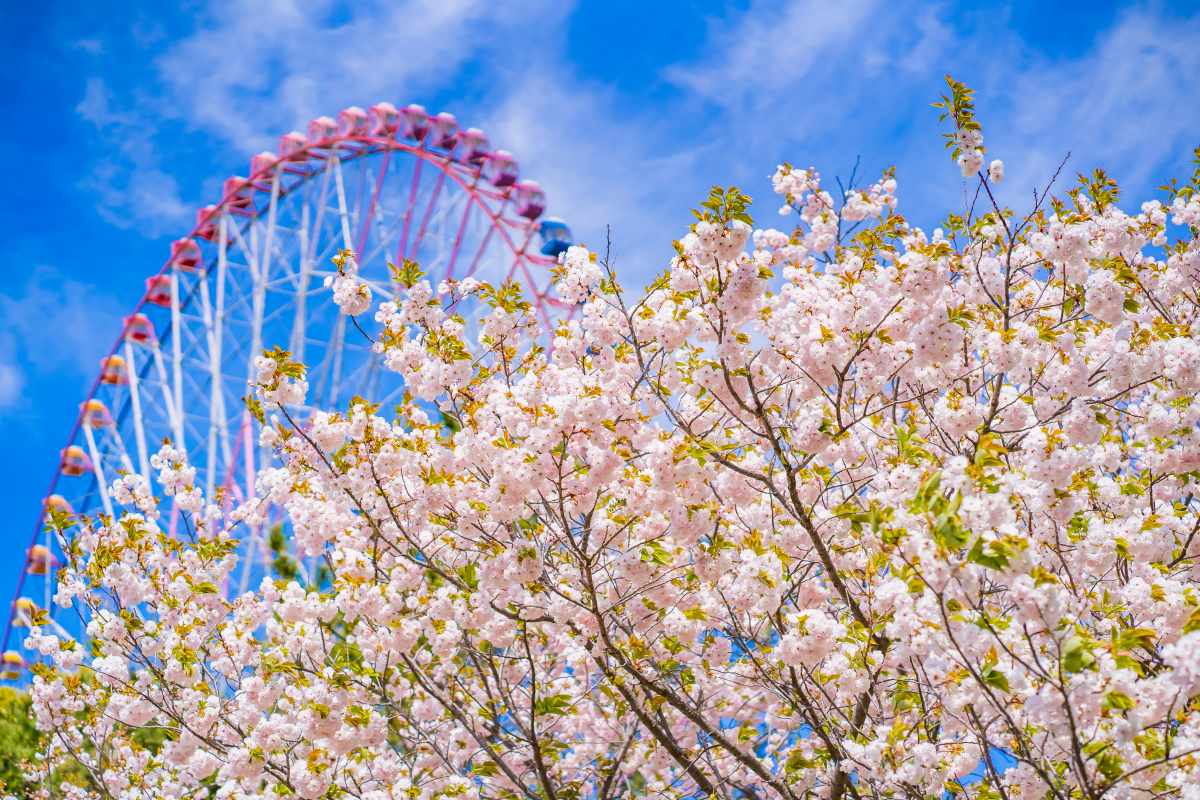
Ueno Park is one of Tokyo’s most iconic cherry blossom viewing spots, attracting approximately 2 million visitors each year. Over 1,000 cherry trees line the park’s central path, creating a breathtaking tunnel of pink blossoms in late March and early April. During this period, Ueno Sakura Matsuri (Ueno Cherry Blossom Festival) is held, featuring food stalls, evening illuminations, and lively hanami (flower viewing) parties. It’s an unmissable experience for anyone visiting Tokyo in spring.
Family-Friendly Attractions
Ueno Park is not only a haven for history and nature but also a family-friendly destination. It is home to Japan’s oldest zoo, Ueno Zoo, where you can meet pandas, elephants, and approximately 3,000 other animals. The park also hosts several major museums, making it an ideal spot for both learning and leisure.
Top Things to Do in Ueno Park
Museums
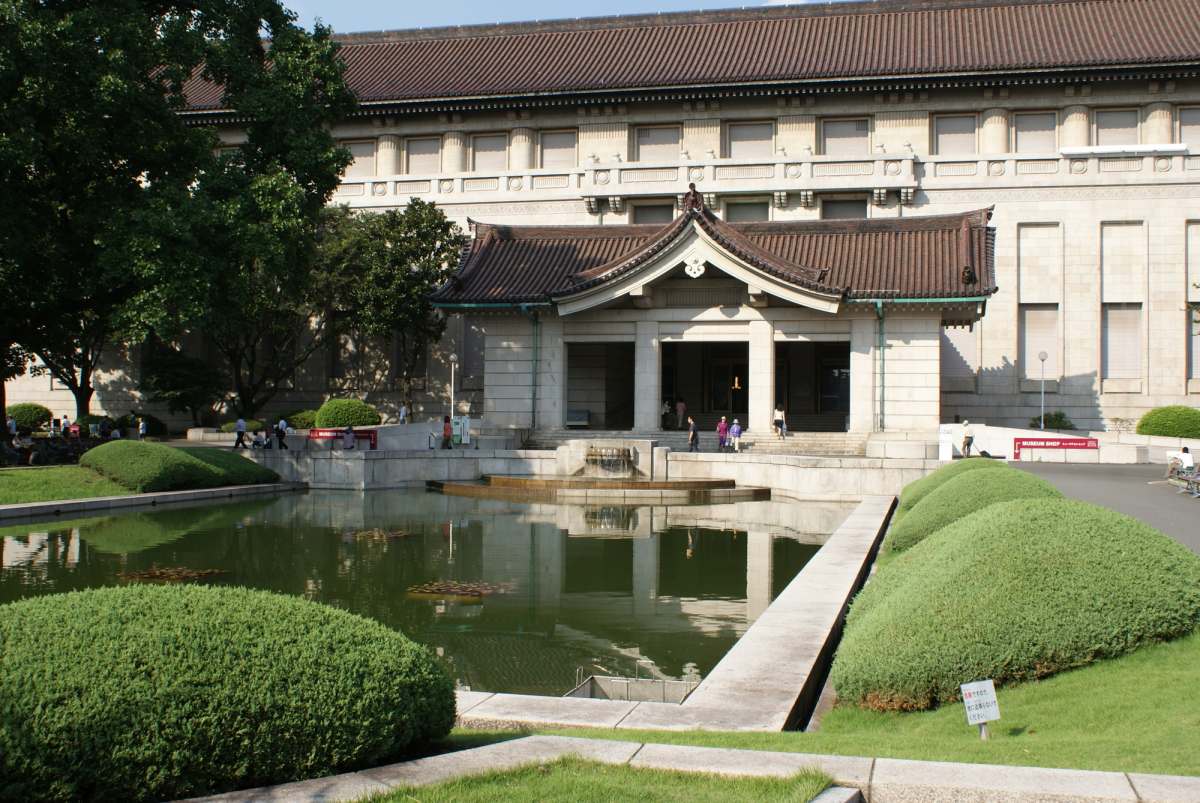
Ueno Park is home to some of Tokyo’s most prestigious museums:
- Tokyo National Museum: As Japan’s largest and oldest museum, it showcases an impressive collection of historical artifacts, including samurai armor, traditional kimonos, ancient pottery, and Buddhist sculptures. The museum’s five buildings are spread across the park, each highlighting different aspects of Japanese and Asian history.
- National Museum of Western Art: A UNESCO World Heritage site, this museum features an extensive collection of European art, including works by Rodin, Monet, and Van Gogh. Its collection is based on the personal holdings of Japanese industrialist Kojiro Matsukata and continues to expand with modern acquisitions.
- Tokyo Metropolitan Art Museum: This museum focuses on contemporary art and regularly hosts rotating exhibitions. Visitors can explore a variety of artistic styles from both Japanese and international artists.
- National Museum of Nature and Science: An interactive and educational experience, this museum covers topics ranging from Japanese natural history to space exploration. Highlights include a life-sized model of a blue whale and immersive science exhibits for children.
Ueno Zoo

Established in 1882, Ueno Zoo is Japan’s oldest zoological garden. Spanning over 35 acres, the zoo is home to more than 3,000 animals representing over 350 species. Its most famous residents are the giant pandas, which attract thousands of visitors daily. Other notable sections include the African Savanna, Gorilla Woods, and the Tiger Forest, offering an educational and engaging experience for all ages.
Shinobazu Pond

One of Ueno Park’s most picturesque spots, Shinobazu Pond is divided into three sections: the Lotus Pond, Boat Pond, and Cormorant Pond. During the summer, lotus flowers bloom magnificently, covering the water’s surface with vibrant pink and green hues. Visitors can rent rowboats or swan boats for a leisurely paddle while enjoying views of the Bentendo Temple, which is situated on an island in the center of the pond.
Ueno Toshogu Shrine

This beautiful shrine, dating back to 1627, is dedicated to Tokugawa Ieyasu, the founder of the Tokugawa Shogunate. The shrine remains largely unaltered since the Edo period and is a perfect example of traditional Japanese architecture, with gold leaf embellishments and intricate woodwork. The surrounding grounds feature stone lanterns and a peony garden that blooms in spring.
Hanazono Inari Shrine
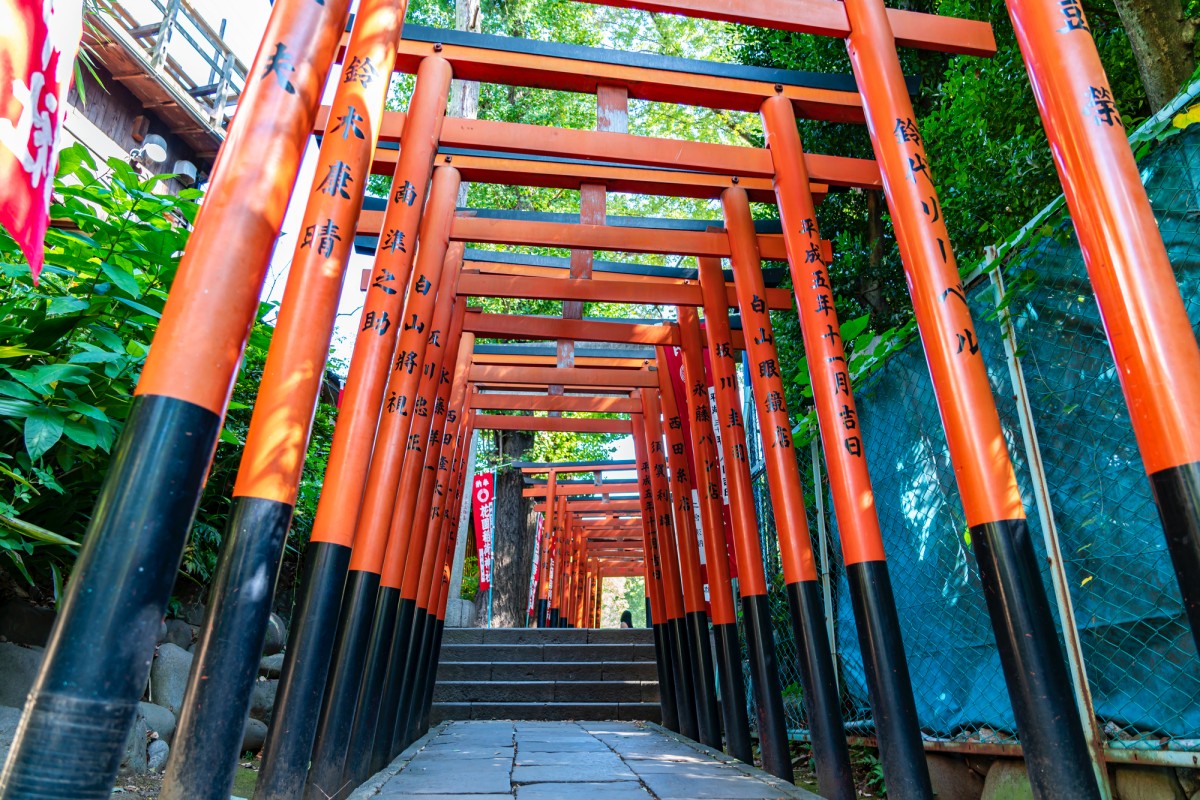
Tucked away within Ueno Park, the Hanazono Inari Shrine is known for its red torii gates that form a tunnel-like pathway, reminiscent of Kyoto’s Fushimi Inari Shrine. It is considered a “power spot” for good fortune and matchmaking, making it a popular place for couples and those seeking blessings.
Seasonal Events
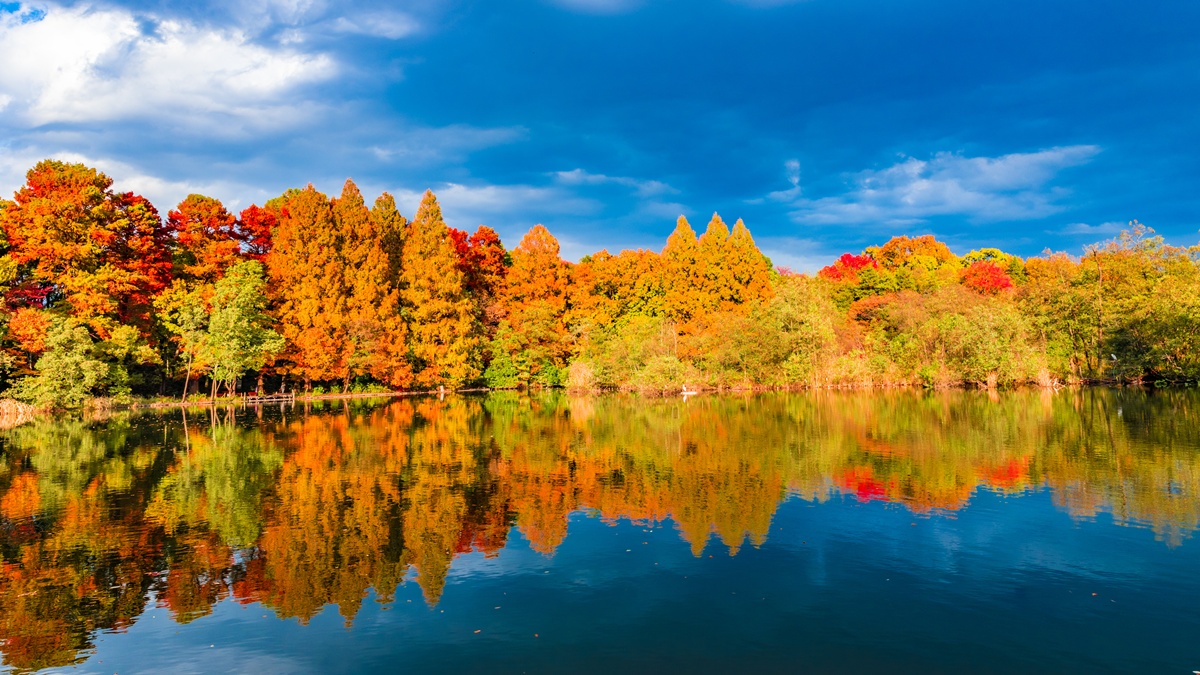
Ueno Park hosts a variety of events throughout the year. The Ueno Sakura Matsuri is the most famous, with thousands flocking to the park for hanami. During summer, traditional festivals and cultural performances take place, while autumn brings stunning fall foliage that sweeps through the park’s expansive grounds.
Dining & Shopping
- Best Local Eateries: Try local favorites like sushi at Ueno Sushi no Midori, tempura at Tendon Tenya, and ramen at Ippudo Ueno.
- Ameyoko’s Street Food: Explore street food stalls offering freshly grilled yakitori, crispy takoyaki, and local sweets.
- Souvenir Shops: Find unique Japanese crafts, ceramics, and Ueno-themed items at shops along Ameyoko Market and near Ueno Station.
- Ueno Marui Shopping Center: A major shopping hub with a variety of fashion, cosmetics, and dining options.
Visitor Tips
- Visit during cherry blossom season (late March to early April) or autumn (November) for the most stunning scenery.
- Arrive early (around 8 AM) on weekdays to avoid large crowds, especially during cherry blossom season.
- The main path lined with cherry blossoms fills up fast, so a sunrise visit allows for peaceful viewing.
- Ueno Park is stroller-friendly and accessible for wheelchairs with well-paved paths and ramps.
- Ueno Zoo opens at 9:30 AM—arrive early to see the pandas before the crowds build up.
- Bring a picnic mat during hanami season; it’s a local tradition to enjoy food under the blossoms.
- Look for free public Wi-Fi in parts of the park and inside major museums.
- Coin lockers are available at Ueno Station and near major museum entrances for easy storage of bags and shopping.
- Visit Shinobazu Pond for a quiet retreat from the main park area, especially during summer lotus bloom.
- Don’t miss the seasonal festivals; check local schedules for cultural events and performances.
How to Get There
- By Train: Direct access via the JR Yamanote Line, Keihin-Tohoku Line, and Joban Line.
- By Subway: Tokyo Metro Ginza Line and Hibiya Line stop at Ueno Station.
- From Airports: Narita and Haneda airports connect directly via Keisei Skyliner and the JR lines.
- Walking Routes: Easy access from Ueno Station, with clear signage to the park entrance.
Opening Hours & Admission
- Ueno Park: Open 24 hours daily, year-round.
- Ueno Zoo: 9:30 AM to 5:00 PM (last entry at 4:00 PM), closed Mondays (or the following day if Monday is a public holiday).
- Tokyo National Museum: 9:30 AM to 5:00 PM, extended hours on Fridays. Closed Mondays (or the following day if Monday is a public holiday).
- National Museum of Western Art: 9:30 AM to 5:30 PM, closed Mondays (or the following day if Monday is a public holiday).
Nearby Attractions
- Ameyoko Market: A bustling open-air market just a short walk from Ueno Park. Visitors can explore stalls selling everything from fresh produce and seafood to clothing and electronics. It’s a great place to find street food like takoyaki and yakitori.
- Yanaka District: Step back in time to old Tokyo with Yanaka’s narrow streets, traditional shops, and historic temples. It’s a beautiful area to stroll through, especially during cherry blossom season.
- Asakusa and Senso-ji Temple: Just a couple of stops away from Ueno, Asakusa is home to the famous Senso-ji Temple, Tokyo’s oldest and most vibrant Buddhist temple. The surrounding Nakamise shopping street is perfect for finding traditional souvenirs.
- Akihabara Electric Town: Just one stop away, Akihabara is the go-to place for electronics, anime, and manga culture. Visitors can explore multi-story shops filled with gadgets, games, and collectibles.
FAQ
Ueno Park is a treasure trove of history, culture, and natural beauty. Whether you are coming to admire the cherry blossoms, explore world-class museums, or enjoy a family day at Japan’s oldest zoo, Ueno Park has something for every traveler. Its accessibility, scenic beauty, and cultural significance make it a must-visit destination for anyone exploring Tokyo. Be sure to plan your trip with the tips and recommendations shared here for an unforgettable experience.