What is Kintsugi? The Ultimate Guide to Japanese Golden Joinery and Where to Learn in Tokyo

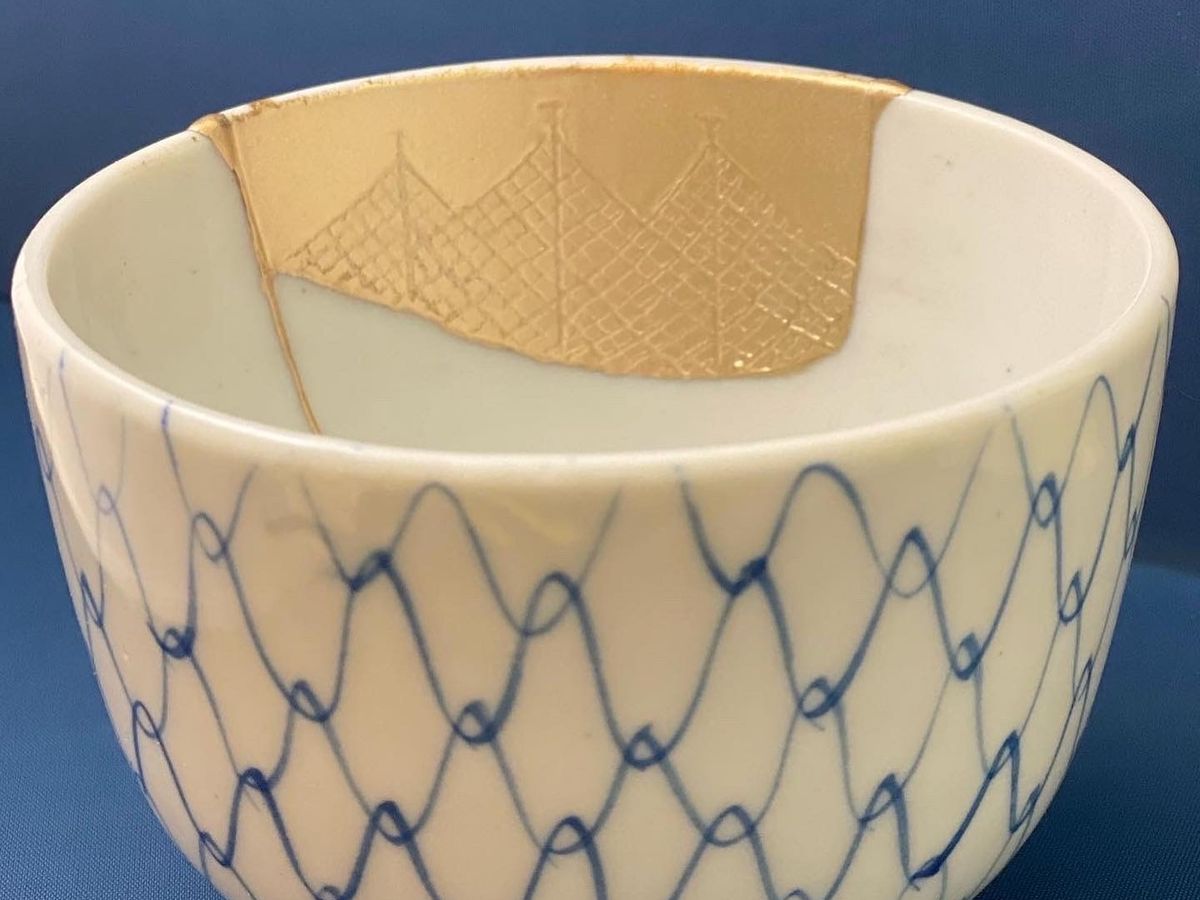
Kintsugi (金継ぎ), literally meaning “golden joinery,” is the ancient Japanese art of repairing broken pottery with lacquer mixed with powdered gold, silver, or platinum. This extraordinary craft doesn’t merely fix what’s broken—it transforms damaged ceramics into stunning masterpieces that celebrate their scars as part of their beauty and story.
For travelers visiting Tokyo, learning kintsugi offers a profound cultural experience that goes far beyond typical tourist activities. This comprehensive guide explores everything you need to know about the meaning of kintsugi, its rich history, philosophical foundations, and where to find the best hands-on classes in Japan’s capital city.
Understanding Kintsugi: More Than Just Japanese Pottery Repair
What is Kintsugi? The Art of Golden Transformation
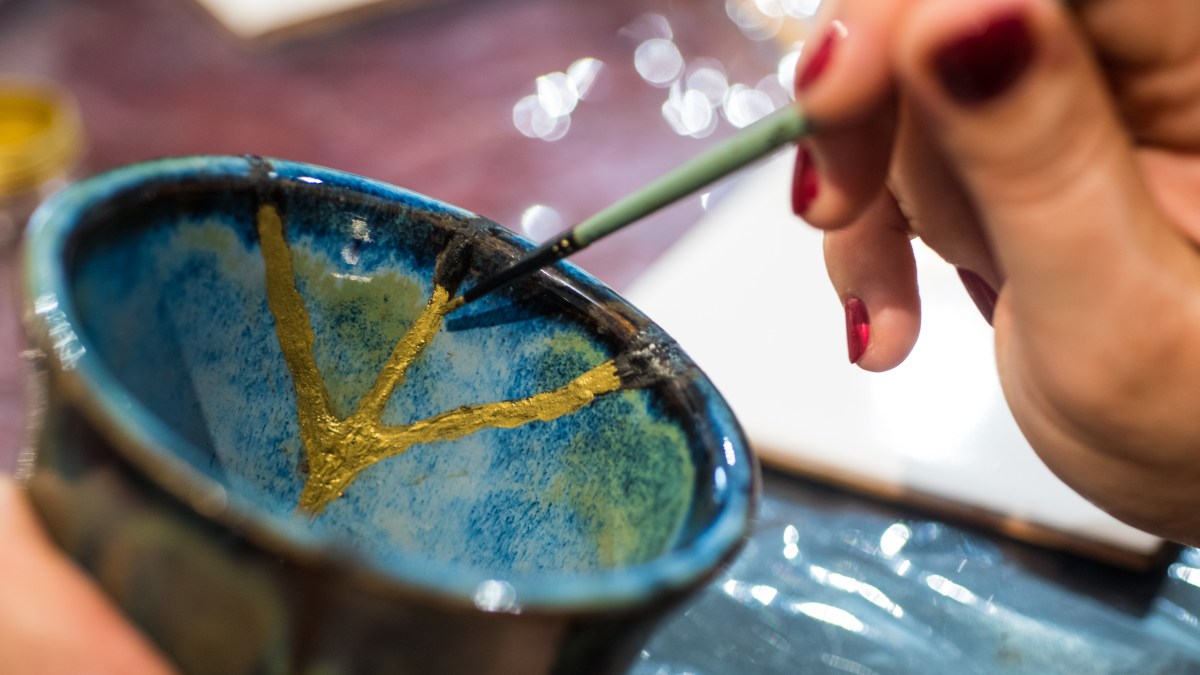
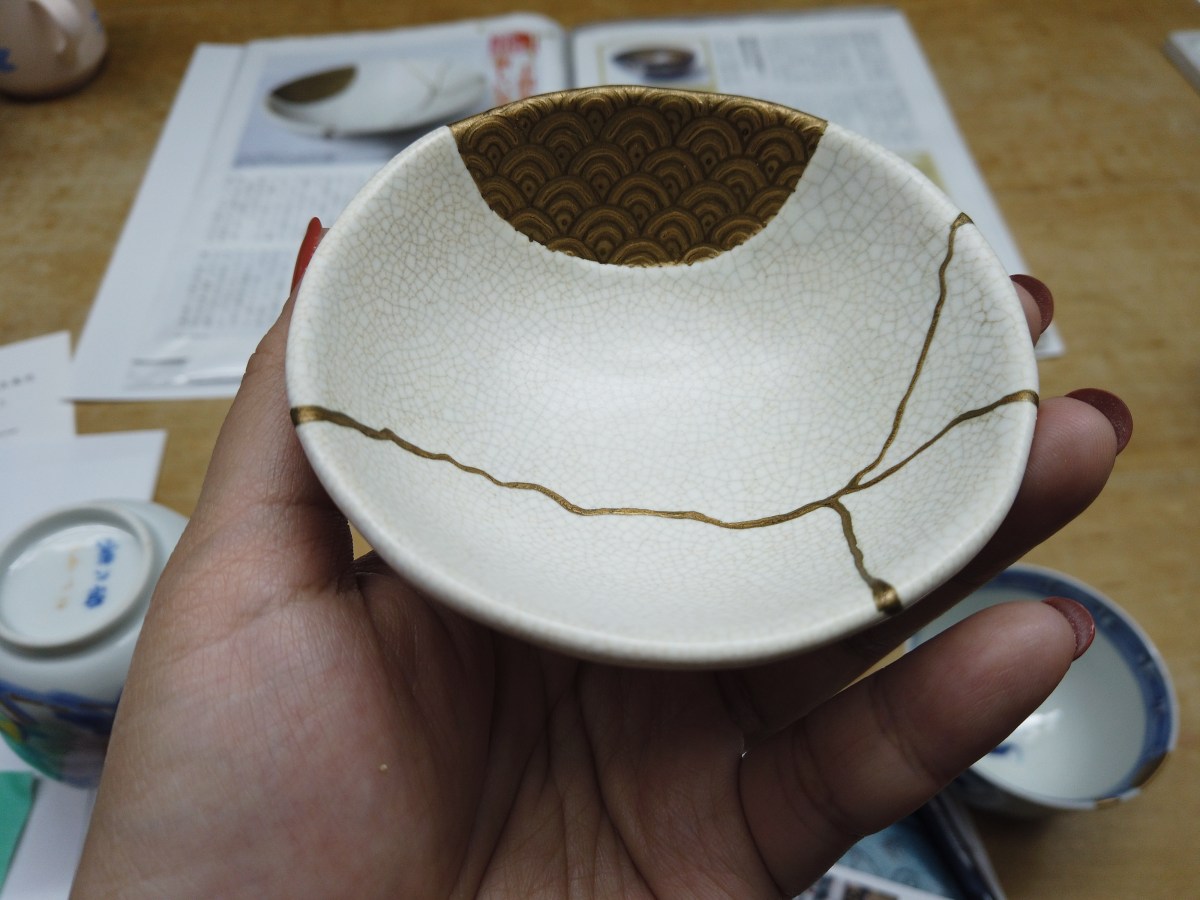
At its core, kintsugi is a traditional Japanese pottery repair technique that emerged in the 15th century. Unlike Western approaches that attempt to hide damage, kintsugi celebrates it. When a ceramic piece breaks, skilled artisans use urushi (Japanese lacquer) mixed with precious metal powders to create visible, beautiful seams that highlight rather than conceal the cracks.
The result is breathtaking: what was once considered damaged becomes more valuable and beautiful than the original piece. The golden veins that run through repaired pottery tell a story of resilience, transformation, and the beauty found in imperfection.
The Deep Philosophy Behind Kintsugi Meaning
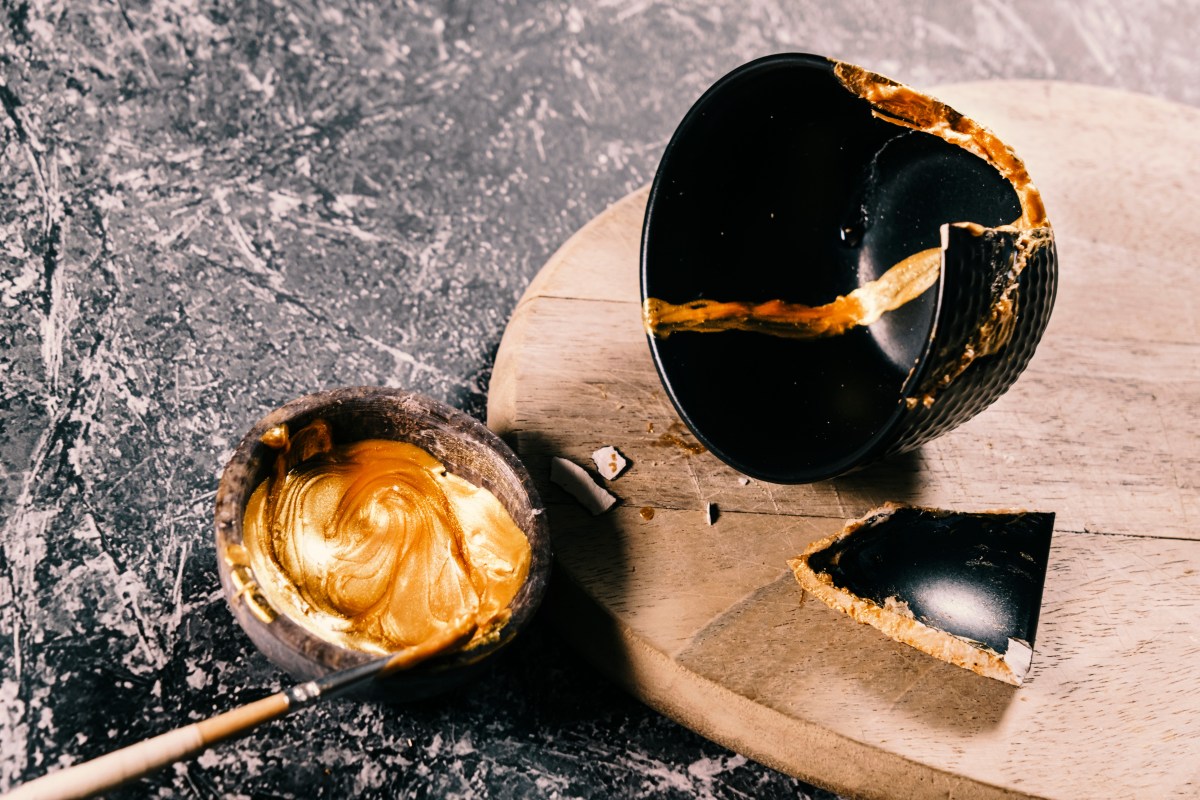
The meaning of kintsugi extends far beyond its literal translation of “golden joinery.” This art form embodies several profound Japanese philosophical concepts:
Wabi-Sabi: The aesthetic philosophy that finds beauty in imperfection, impermanence, and incompleteness. Kintsugi perfectly exemplifies wabi-sabi by transforming flaws into features of beauty.
Mono no Aware: The bittersweet awareness of the impermanence of all things. Each crack tells a story of time passing and change occurring.
Mushin: The Zen Buddhist concept of accepting change and fate without resistance. Rather than mourning what’s broken, kintsugi teaches us to honor and integrate damage into something new and beautiful.
Mottainai: The regret over waste and the importance of not discarding things that still have value. Kintsugi embodies this by giving new life to broken objects.
These philosophies make kintsugi particularly relevant for modern visitors seeking mindfulness and meaning in their travel experiences.
The Rich History of Golden Joinery
Origins in the Muromachi Period (1336-1573)
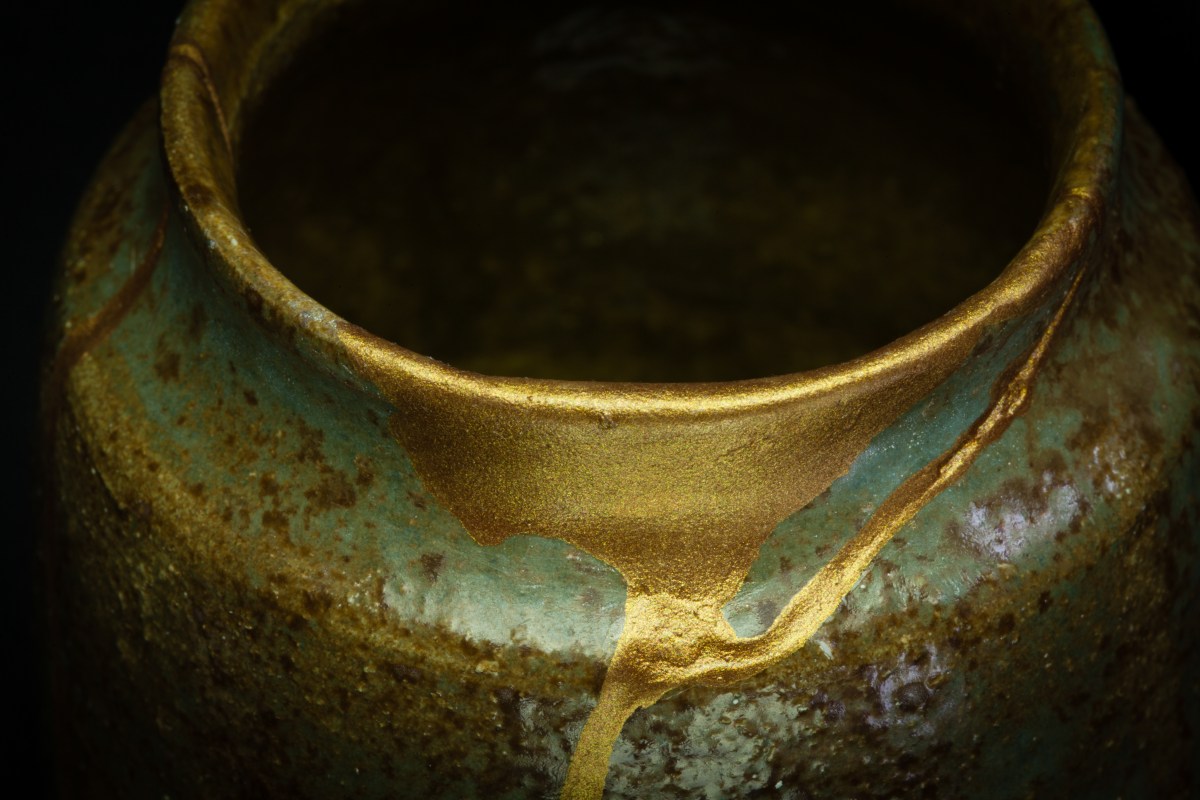
The story of kintsugi begins in the late 15th century with a tale that perfectly illustrates Japanese aesthetic values. Legend tells of Shogun Ashikaga Yoshimasa, who broke his favorite tea bowl and sent it to China for repairs. When it returned with unsightly metal staples, he challenged Japanese craftsmen to find a more elegant solution.
Their response was revolutionary: instead of hiding the repair, they highlighted it with urushi lacquer and gold powder. This created visible, artistic seams that transformed the broken bowl into something even more beautiful than before.
Evolution Through the Edo Period (1603-1868)
During the Edo period, kintsugi gained widespread popularity and cultural significance. The technique evolved and refined, with artisans developing different styles:
- Crack Pattern (Hibi): Following the natural crack lines with gold
- Piece Method (Kake no Kintsugi): Filling in missing fragments with gold or lacquer
- Joint-Call (Yobitsugi): Incorporating pieces from other broken wares to complete the original piece
By this time, collectors valued kintsugi-repaired pieces more highly than intact ones. Some wealthy patrons even commissioned artisans to break pottery deliberately so it could be repaired with golden joinery—a practice that demonstrates how completely Japanese aesthetics had embraced the beauty of imperfection.
Connection to Traditional Japanese Arts
Kintsugi developed alongside other traditional Japanese arts, particularly maki-e (decorative lacquerware using metallic powders). This connection elevated kintsugi from mere repair work to high art, requiring years of training to master the precise techniques needed to create beautiful, durable repairs.
Kintsugi and the Japanese Tea Ceremony

In the world of chanoyu (Japanese tea ceremony), kintsugi holds special significance. Tea masters embraced repaired pottery as embodying the ceremony’s core principles:
Spiritual Significance in Tea Culture
Impermanence and Beauty: Tea bowls repaired with golden joinery became treasured objects that reminded participants of life’s transient nature. Each crack represented a moment in time, making the tea-drinking experience more meaningful.
Unique Character: No two kintsugi repairs are identical, making each bowl completely unique—a quality highly valued in tea ceremony culture.
Historical Continuity: Some of Japan’s most revered tea bowls are celebrated precisely because of their kintsugi repairs. These pieces appear in museums and are passed down through generations as precious heirlooms.
Famous Kintsugi Tea Bowls
Several legendary tea bowls demonstrate kintsugi’s artistic and cultural importance:
- Raku tea bowls: Many pieces from the famous Raku pottery lineage feature stunning kintsugi repairs that are considered part of their artistic value
- Museum pieces: National treasures in Japanese museums often showcase kintsugi work, highlighting its recognition as high art
- Generational heirlooms: Family tea bowls passed down through centuries, with their kintsugi repairs adding to their sentimental and monetary value
Traditional Materials and Techniques

Authentic Kintsugi Materials
Urushi Lacquer: The foundation of traditional kintsugi is urushi, a natural resin harvested from the lacquer tree (Toxicodendron vernicifluum). This remarkable material has been used in Japan for over 7,000 years and provides:
- Incredible durability
- Natural antibacterial properties
- Beautiful glossy finish
- Food-safe properties when properly cured
Note: Urushi can cause allergic reactions upon contact before curing and should be handled with care.
Precious Metal Powders: Traditional kintsugi uses high-purity powdered metals:
- Gold (Kin): The most prized and traditional choice
- Silver (Gin): Creates cooler-toned repairs
- Platinum: Modern addition offering neutral tones
- Copper: Sometimes used for more affordable pieces
Supporting Materials:
- Rice flour or clay powder for filling gaps
- Fine brushes made from animal hair
- Bamboo spatulas for precise application
- Specialized mixing tools
The Traditional Process
Creating authentic kintsugi requires patience and skill:
- Assessment: Carefully examining the break pattern and planning the repair
- Cleaning: Removing debris and preparing surfaces
- Filling: Using urushi mixed with powder to fill gaps
- Bonding: Applying urushi to rejoin pieces
- Decoration: Adding metallic powder while the lacquer is tacky
- Curing: Allowing the repair to cure in controlled humidity and temperature
- Finishing: Polishing and final touches
The entire process can take weeks or months, as urushi requires specific environmental conditions to cure properly.
Modern Adaptations and Global Appeal
Contemporary Materials and Methods
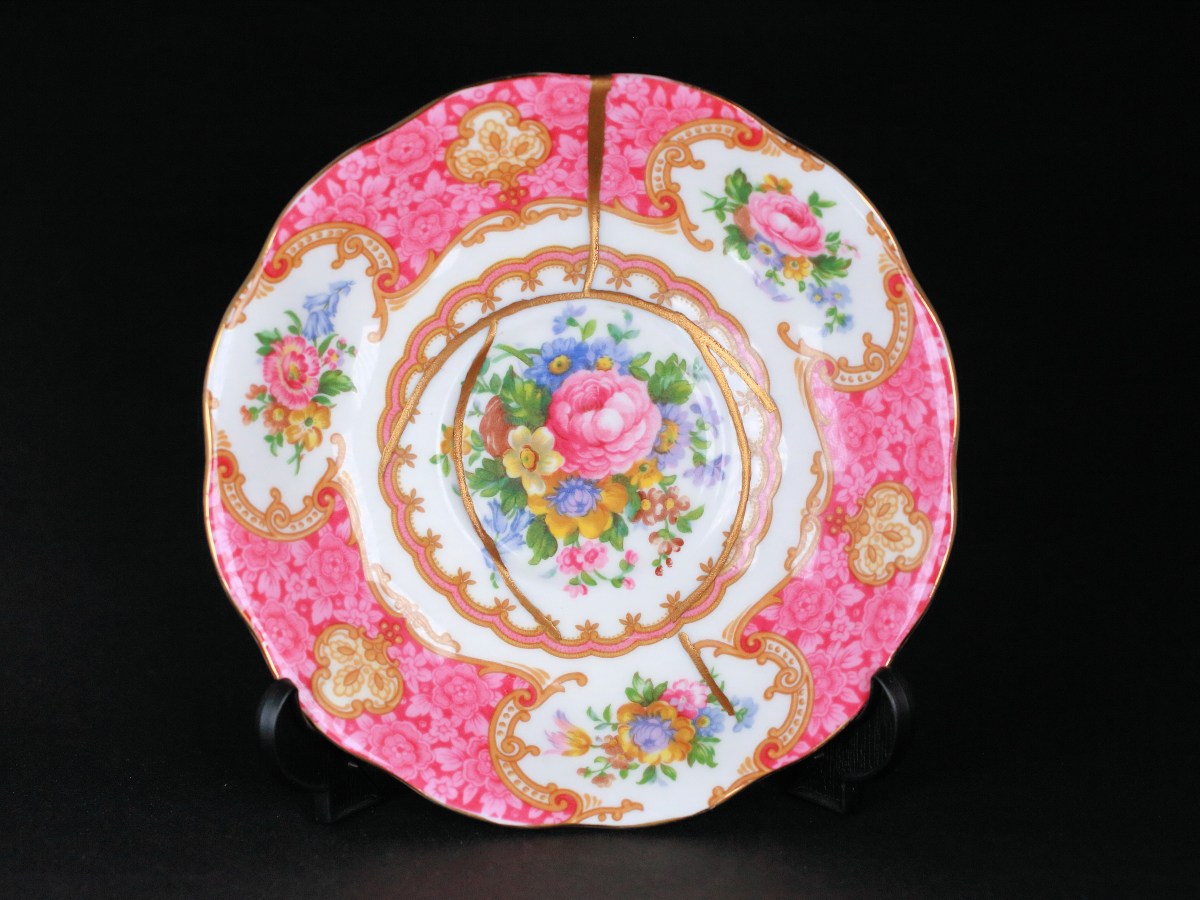
While traditional kintsugi remains the gold standard, modern adaptations have made the art more accessible:
Modern Materials:
- Epoxy resins for faster curing (note: most are not food-safe unless specified)
- Synthetic lacquers for easier handling
- Mica-based metallic powders as gold alternatives
- Acrylic paints for decorative effects
Advantages of Modern Methods:
- Faster completion times
- More beginner-friendly
- Travel-friendly for workshops
- Cost-effective for learning
Limitations:
- Many are not food-safe unless using certified food-safe materials
- Less durable than traditional methods
- Primarily decorative rather than functional
Global Cultural Impact
Kintsugi has captured international imagination for several reasons:
Mental Health and Wellness: Therapists and counselors use kintsugi as a metaphor for healing trauma and finding strength in vulnerability. The process of repairing broken pottery mirrors personal recovery and growth.
Sustainability Movement: In an era of fast fashion and disposable goods, kintsugi promotes mindful consumption and the value of repair over replacement.
Social Media Appeal: The striking visual contrast of golden veins against dark pottery makes kintsugi incredibly photogenic, leading to viral social media trends and increased global awareness.
Contemporary Art: Modern artists worldwide incorporate kintsugi techniques and philosophy into sculpture, installation art, and mixed media works.
Planning Your Kintsugi Experience in Tokyo
Why Learn Kintsugi in Tokyo?
Tokyo offers unparalleled opportunities to experience authentic kintsugi:
- Access to Masters: Learn from artisans with generations of family knowledge
- Authentic Materials: Experience traditional urushi and genuine techniques
- Cultural Context: Understand kintsugi within its cultural and philosophical framework
- Convenient Locations: Classes available throughout the city with easy access
- English Instruction: Many workshops cater specifically to international visitors
What to Expect in a Tokyo Kintsugi Class
- Duration: Most classes range from 1.5 to 3 hours, perfect for fitting into a busy travel itinerary
- Skill Level: No prior experience necessary—classes are designed for complete beginners
- Materials Provided: All tools, materials, and pottery pieces are included
- Language Support: Many workshops offer English instruction or translation assistance
- Take-Home Piece: You’ll complete your own kintsugi repair to keep as a unique souvenir
- Cultural Education: Learn about the history, philosophy, and cultural significance
Best Kintsugi Experiences in Tokyo
Tokyo Kintsugi Workshop: Simple Gold Repair Class near Shin Koenji

Join a small, intimate class led by experienced artisans at Kuge Crafts. This exceptional experience offers:
- Expert Instruction: Learn from master craftspeople with decades of experience
- Traditional Setting: Authentic Japanese workshop environment
- Complete Experience: Traditional tea and sweets included
- Quality Materials: Work with genuine urushi and metallic powders
- Personal Attention: Small class sizes ensure individual guidance
- Cultural Immersion: Deep dive into kintsugi philosophy and history
Tokyo Kintsugi Class – 1-Day Workshop near Nippori
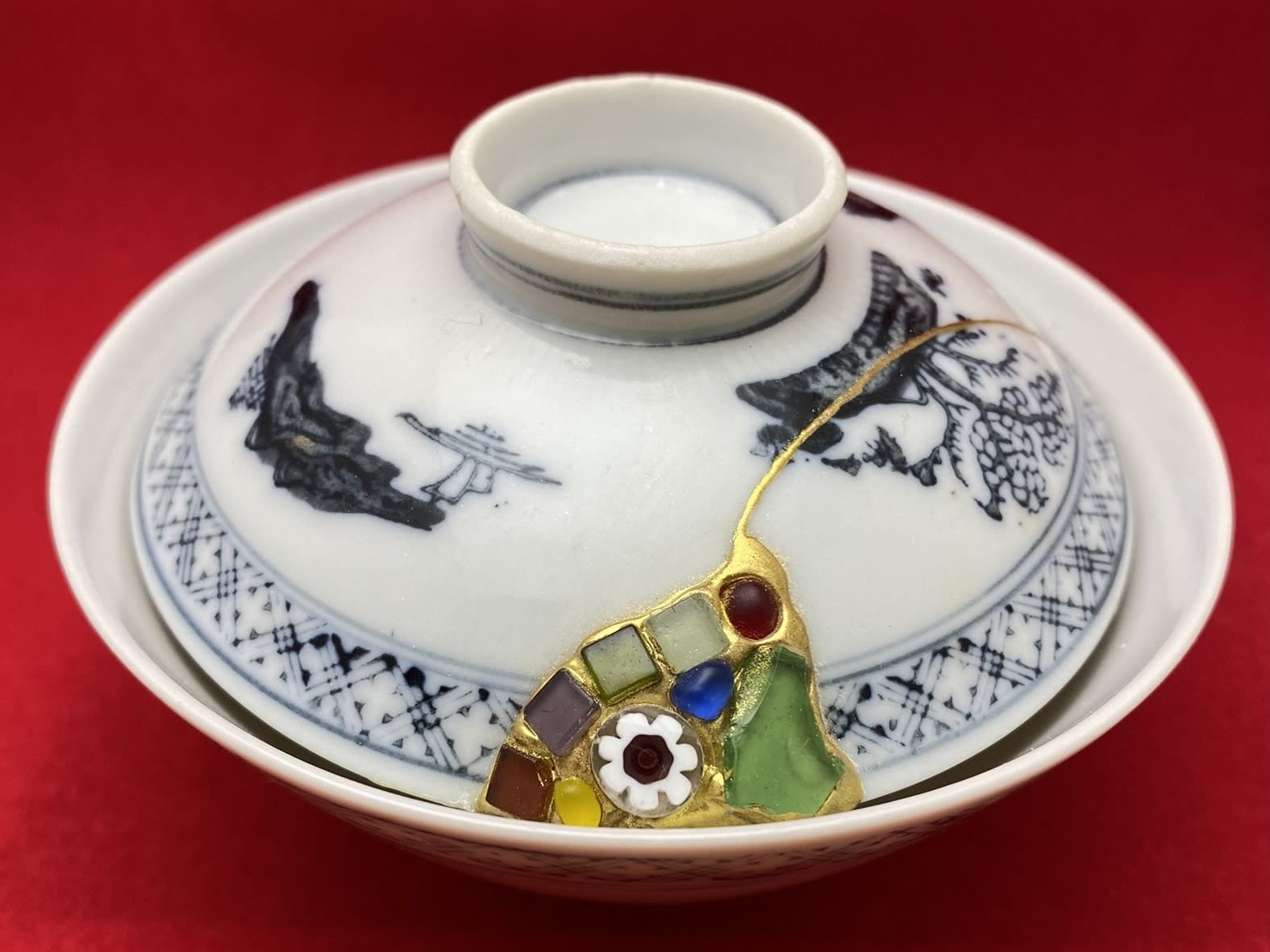
Located in the charming Nippori district, this workshop provides:
- Flexible Options: Bring your own broken item or use provided pieces
- Step-by-Step Guidance: Learn every stage from assessment to finishing
- Practical Skills: Take home techniques you can use again
- Convenient Location: Easy access from central Tokyo
- Skilled Instructors: Professional artisans guide your learning
- Authentic Experience: Traditional methods and materials
Exploring More Options
For additional kintsugi experiences throughout Tokyo, explore our comprehensive selection.
Conclusion: The Golden Beauty of Imperfection
Kintsugi represents one of humanity’s most beautiful approaches to dealing with brokenness. Rather than hiding damage or discarding what’s broken, this ancient Japanese art teaches us to honor our scars and find beauty in imperfection. For English-speaking travelers in Tokyo, participating in a kintsugi workshop offers an authentic cultural experience that combines hands-on artistry with profound philosophical insights.
Whether you choose a traditional workshop using authentic urushi and gold powder or a modern class with contemporary materials, you’ll leave with more than just a beautiful piece of pottery. You’ll carry with you a new perspective on resilience, beauty, and the value of embracing life’s imperfections.
The golden veins that run through your completed piece will serve as a permanent reminder of your time in Tokyo and the timeless wisdom of Japanese aesthetics. In a world that often prizes perfection, kintsugi reminds us that our breaks and repairs are not flaws to hide but stories to celebrate.
Book your kintsugi experience today and discover the transformative power of golden joinery—where broken becomes beautiful, and imperfection becomes art.