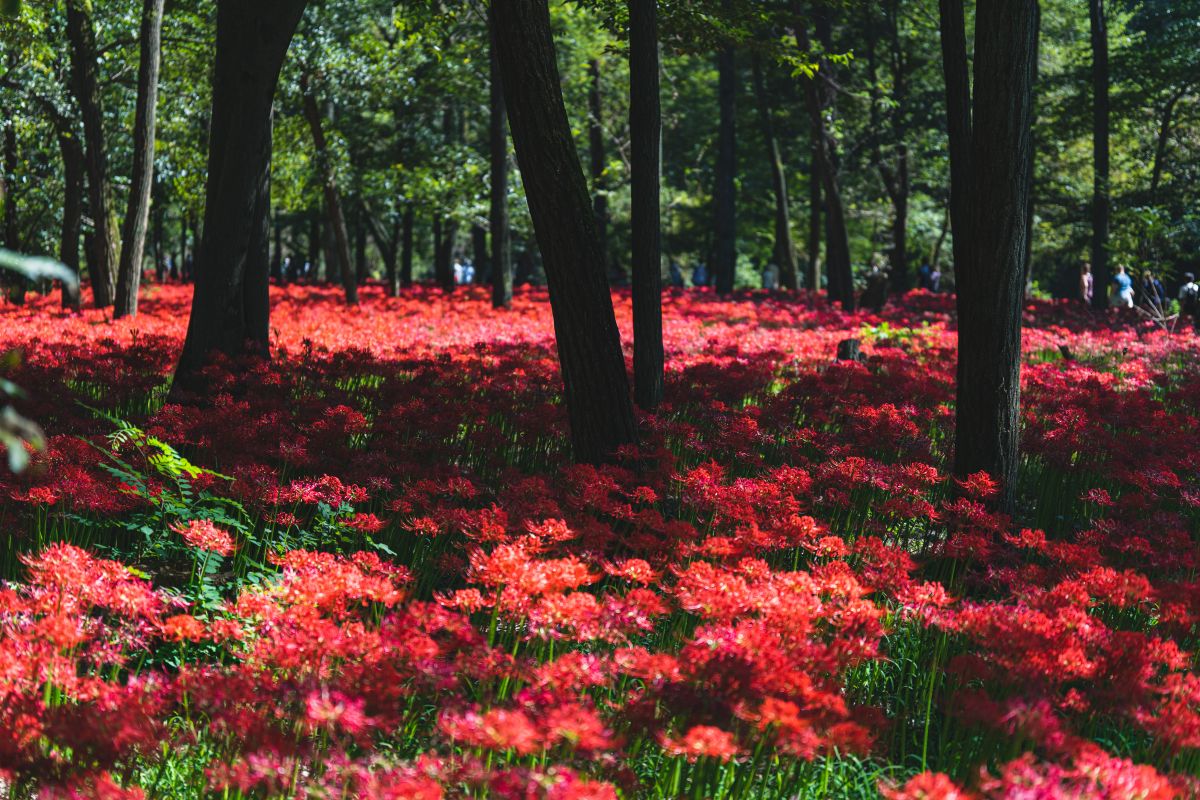
A Scarlet Sea in Saitama: Discover the Kinchakuda Manjushage Festival

Autumn in Japan is about more than fiery maple leaves and crisp mountain air. Just outside of Tokyo, in the quiet countryside of Hidaka City, Saitama, there’s a magical place where the season takes on a striking scarlet hue. Every September, over five million red spider lilies bloom along the Koma River, transforming the landscape into a breathtaking sea of red. This natural wonder is celebrated through the Kinchakuda Manjushage Festival, a must-visit event for anyone looking to experience Japan’s seasonal beauty beyond the usual tourist spots.
Whether you’re a photographer chasing the perfect shot, a flower lover, or simply looking for a peaceful day-trip from Tokyo, this festival offers a unique glimpse into Japanese autumn culture. Even better—it’s easy to reach with the SEIBU Pass, which makes traveling from Tokyo to Kinchakuda simple and affordable.
What is the Kinchakuda Manjushage Festival?
| Event Name | Kinchakuda Manjushage Festival (巾着田曼珠沙華まつり) |
| Dates | September 19 (Friday) – October 5 (Sunday), 2025 |
| Venue | Kinchakuda Manjushage Park, Komahongo, Hidaka City, Saitama Prefecture |
| Access | Approx. 10–15 minute walk from Seibu Ikebukuro Line’s Koma Station |
| Opening Hours | Festival area open from 9:00 AM to 4:30 PM; entry to flower colony from 7:00 AM – 5:00 PM |
| Admission Fee | ¥500 per adult; free for junior high school students and younger; reduced group rates available |
| Special Highlights | Light-up event on September 28–29 (limited to Hidaka residents by application) |
| Shuttle Bus Service | Free shuttle bus (park & ride) operates on Sept 20, 21, 23, 27, 28 from Koma Shrine parking lot, every ~30 minutes between 9:00 – 16:30 |
The Kinchakuda Manjushage Festival celebrates the bloom of the red spider lily (Lycoris radiata), a flower known in Japan as manjushage or higanbana. These flowers are deeply tied to Japanese culture and are often associated with autumn, the autumn equinox (higan), and the idea of impermanence in Buddhist traditions.
At Kinchakuda Park, the flowers bloom across five million bulbs, blanketing the fields and riverbanks in scarlet. The name “Kinchakuda” refers to the area’s shape, which resembles a kinchaku, or traditional drawstring pouch, created by the looping curve of the Koma River.
During the festival, the park comes alive not only with flowers but also with food stalls, local crafts, live performances, and cultural displays. With an entrance fee of only ¥500, visitors can explore one of Japan’s most enchanting seasonal events at an unbeatable value.
When is the Best Time to Go?
The blooming period for red spider lilies is relatively short, making timing especially important.
- Peak bloom: Mid to late September
- Extended viewing: Sometimes into early October, depending on weather conditions
- Festival period: Generally runs for about two weeks, starting mid-September
For example, in 2024 the flowers bloomed beautifully from September 18 to early October, and the festival period was even extended due to favorable weather.
If you want to catch the flowers at their best, aim for a visit between September 20 and October 5.
Tips for timing your visit:
- Go early in the morning to avoid crowds and capture the soft light of sunrise.
- Visit on weekdays if possible, since weekends can draw large numbers of visitors.
- Check the official flower reports online before heading out to confirm blooming conditions.
What to Look Forward To
A trip to the Kinchakuda Manjushage Festival is more than just flower-viewing. Here’s what makes the experience truly memorable:
1. A Sea of Scarlet
The highlight, of course, is the breathtaking carpet of red spider lilies. Walking the winding trails through Kinchakuda feels like stepping into a dreamscape. The sheer density of blooms—five million flowers at once—is unlike anything else in Japan.
2. The Koma River’s Tranquility
The lilies grow along the riverbanks, so as you stroll, you’ll hear the gentle flow of the Koma River. The combination of natural beauty and calming sounds makes this one of the most peaceful seasonal festivals near Tokyo.
3. Local Festival Atmosphere
The event isn’t just about flowers. You’ll also find yatai (food stalls) offering local specialties like soba noodles, grilled fish, sweet rice cakes, and seasonal treats. The atmosphere is lively but not overwhelming—perfect for enjoying at a relaxed pace.
4. Photography Paradise
With endless scarlet fields, shaded woodland paths, and soft autumn light, the festival is a photographer’s dream. Whether you’re snapping quick phone shots or setting up with a tripod, you’ll come away with some of your best Japan travel photos.
5. Seasonal Japanese Culture
Beyond the food and flowers, you may encounter stage performances and traditional music, giving you a taste of regional culture while you explore.
How to Get There from Tokyo
Why Use the SEIBU Pass?
Traveling from Tokyo to Kinchakuda is simple, especially with the SEIBU 1-Day Pass. This convenient pass allows unlimited rides on all Seibu Railway lines (except the Tamagawa Line) for just:
- ¥1,000 for adults
- ¥500 for children
Not only does this save money, but it also gives you the freedom to explore nearby areas without worrying about extra tickets. There’s even a 2-Day Pass if you want to extend your trip.
Step-by-Step Route from Tokyo
- Start in Tokyo: Head to Ikebukuro Station.
- Seibu Ikebukuro Line: Take the train toward Hanno or Koma. Trains run every 15–20 minutes.
- Travel Time: About 50–55 minutes from Ikebukuro to Koma Station.
- From Koma Station: Walk about 10–15 minutes through the countryside to reach the festival grounds.
The SEIBU Pass covers your entire journey, including the return trip. It’s the easiest, most budget-friendly way to enjoy this day trip.
Sample Day Trip Itinerary
Here’s a suggested schedule for a smooth and enjoyable visit from Tokyo:
| Time | Activity |
| 8:00 | Pick up your SEIBU Pass at Seibu Ikebukuro Station |
| 8:30–9:30 | Train ride to Koma Station on Seibu Ikebukuro Line |
| 9:45–12:00 | Explore Kinchakuda Park, stroll among red spider lilies |
| 12:00–13:00 | Lunch at food stalls, try local Saitama specialties; alternatively, try nearby cafes like ALISHAN CAFE and Musasabi Tei |
| 13:00–15:00 | Continue exploring, photography, souvenir shopping |
| 15:00–16:00 | Walk back to Koma Station |
| 16:00–17:00 | Train back to Tokyo with your SEIBU Pass |
This itinerary gives you plenty of time to explore the flowers without feeling rushed, while still getting back to Tokyo by evening.
Travel Tips for First-Time Visitors
- Footwear: Wear comfortable shoes. You’ll walk through unpaved paths, some of which can get muddy after rain.
- Timing: Early mornings are best for photography and avoiding crowds.
- Weather: September can still be warm and humid—bring water and a hat.
- Cash: Most food stalls are cash-only, so bring yen coins and small bills.
- Souvenirs: Look out for local crafts, snacks, and specialty goods from Saitama.
- Accessibility: While the main paths are easy to walk, some areas may be tricky for strollers or wheelchairs.
Why You Shouldn’t Miss It
The Kinchakuda Manjushage Festival is more than just a flower-viewing event—it’s a celebration of nature, culture, and community. The sight of millions of scarlet lilies blooming at once is something you’ll remember long after your trip.
And with its close proximity to Tokyo and the ease of traveling with the SEIBU Pass, it’s one of the most accessible seasonal experiences for international travelers.
If you’re visiting Japan in autumn, skip the crowds of Kyoto or Nikko for a day and head to Hidaka in Saitama. It’s a side of Japan many travelers miss, but one that leaves a lasting impression.