Why Visit Japan in Autumn? (Vs. Spring, Summer & Winter)

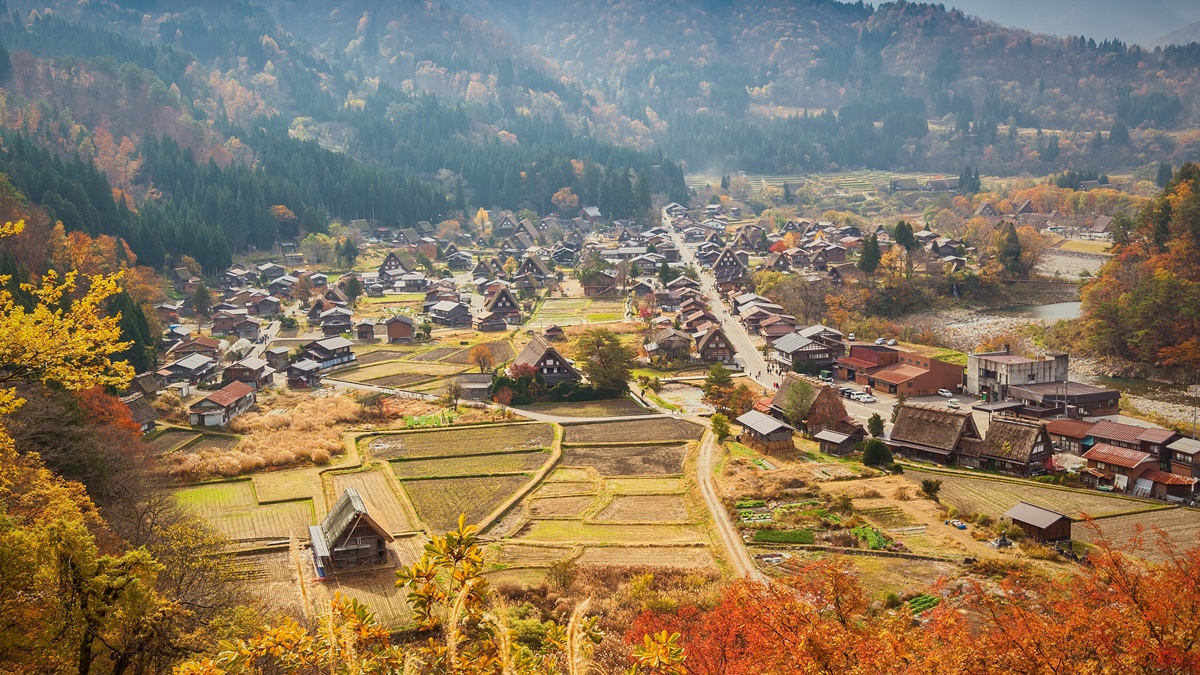
Japan in autumn (September–November) is a sweet spot between summer’s heat and winter’s chill. Maple-lined temples glow at dusk, ginkgo avenues turn gold, and menus celebrate harvest stars like matsutake, sanma, chestnuts, persimmons, and new-crop rice. Compared with spring’s rain fronts and peak sakura crowds, fall is calmer, clearer, and insanely photogenic. ideal for first-timers and repeat visitors alike. If you’re choosing one season to see Japan at its best, make it autumn.
Why Autumn Stands Out (vs. Other Seasons)
Less heat & humidity than summer
By late September, the stifling humidity of July–August recedes. October feels made for walking—temples, gardens, castle towns, and light hikes are all back on the table without heat advisories. Evenings are crisp enough for a light layer, but rarely wintry.
More clear, stable days (especially mid-Oct to mid-Nov)
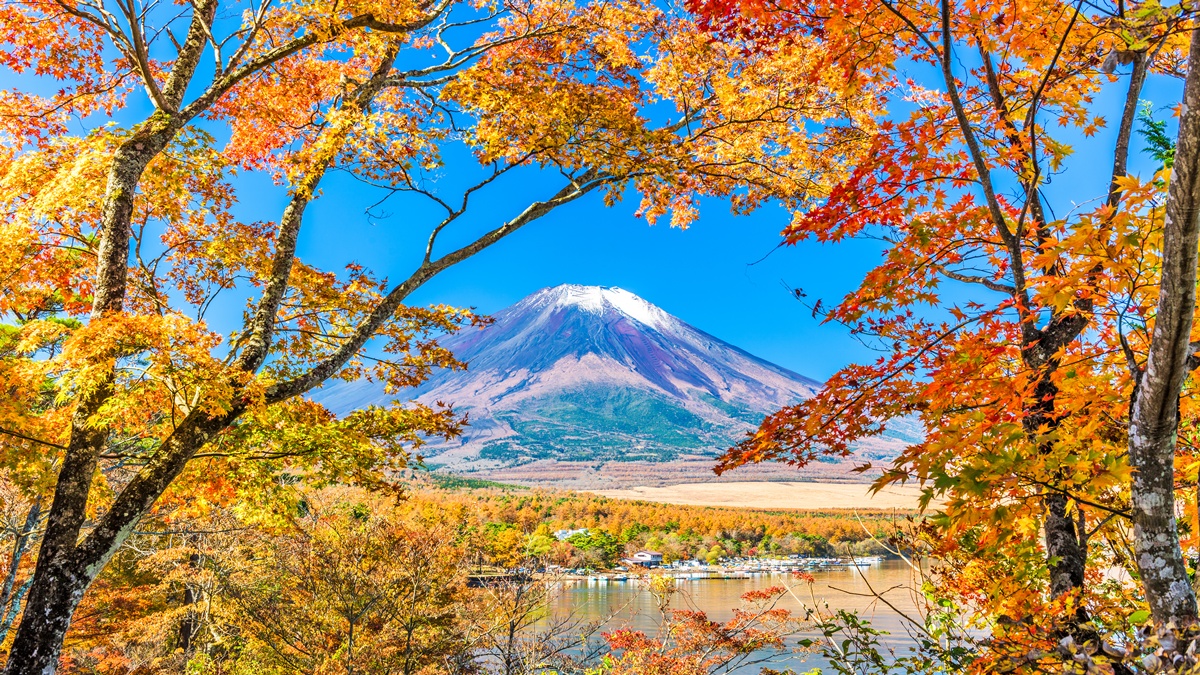
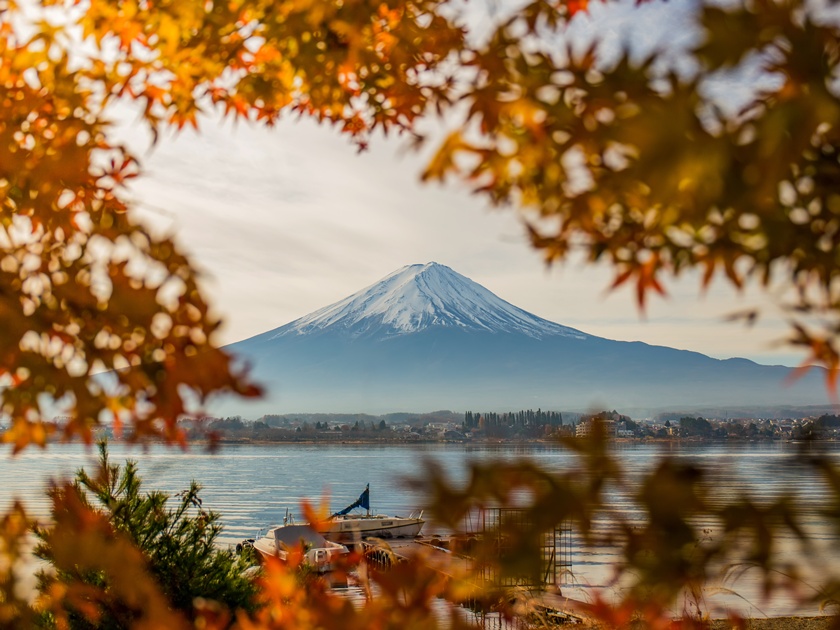
After the late-summer rainy fronts and early-autumn storms pass, Japan enters a stretch of high-pressure systems that bring bluebird days. Photographers love October for its visibility—Mt. Fuji, city skylines, and garden reflections all pop.
Fall colors (kōyō) cascade north → south
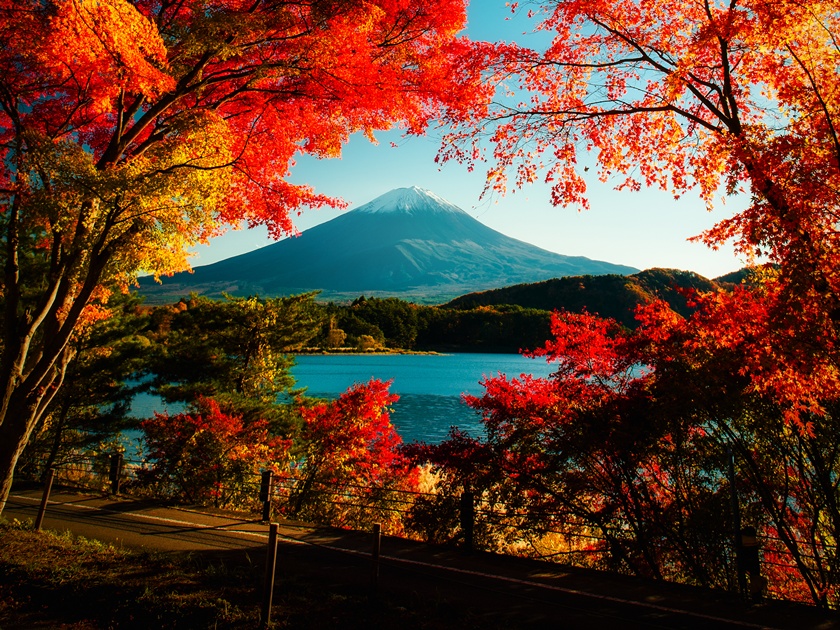
Leaves start turning first at altitude and in Hokkaido (late Sept–early Oct), sweep through the Tohoku mountains in October, and arrive in Tokyo/Kyoto areas from late October through late November—sometimes lingering into early December in warmer regions.
Harvest season = the year’s best food
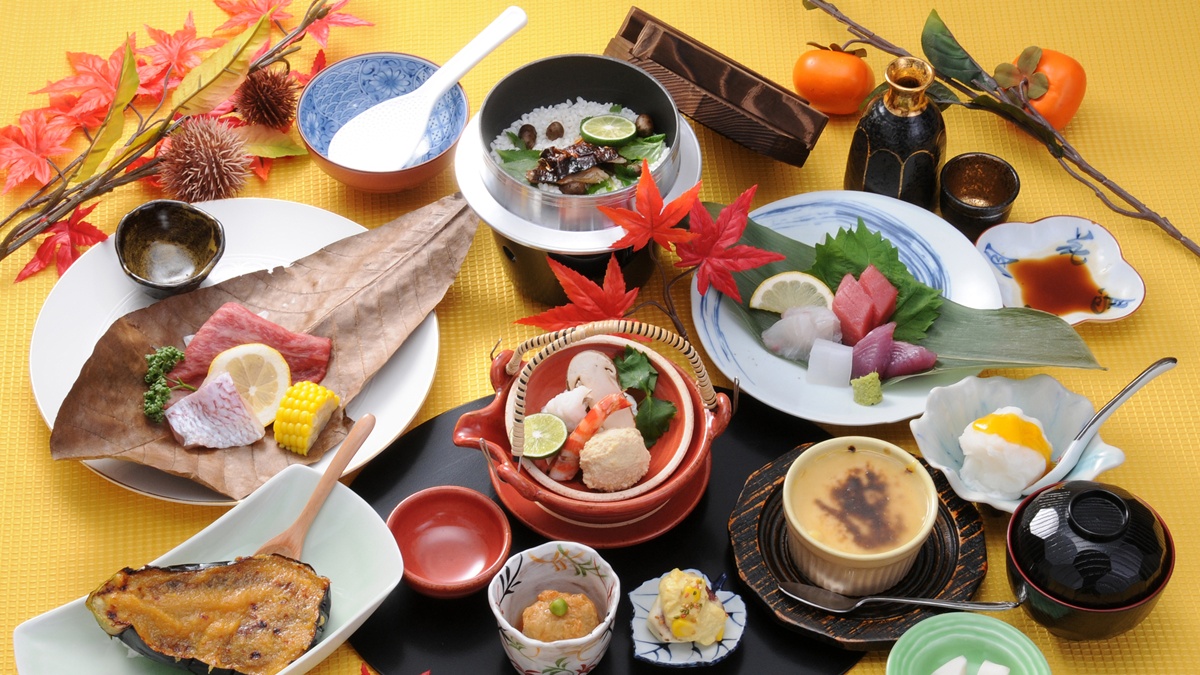
Autumn is Japan’s culinary sweet spot. Limited-time menus celebrate matsutake (often in dobin-mushi broth), sanma (Pacific saury) grilled with salt, shinmai (new-crop rice), kuri (chestnut) sweets, and persimmons. Sake lovers watch for hiyaoroshi—autumn-released brews with mellowed flavor. See foodie picks in Kyoto Food Tours and Tokyo Tsukiji Market tours.
Crowd dynamics you can manage
Autumn is popular, but not usually as frenetic as peak sakura weeks. Plan marquee spots at opening or after 4 pm, and you’ll often find elbow room—especially on weekdays.
Month-by-Month: What to Expect

September
Warm and humid with the year’s highest typhoon likelihood, especially early-mid month. Upsides: value pricing, fewer crowds, and the first foliage at altitude (Daisetsuzan in Hokkaido, the Northern Alps).
Best for: budget travelers, Hokkaido road trips, and alpine hikes with flexible plans.
October
The sweet spot: drier air, lots of sunny days, and the first wave of colors in the north and mountains (Nikko, Kamikōchi, Tateyama Kurobe). City parks and gardens begin to tint by late month.
Best for: first-timers, photographers, outdoor sightseeing, multi-city itineraries.
November
Signature kōyō month for Honshu cities—Kyoto’s maples and Tokyo’s ginkgo avenues glow. Evenings are brisk; daylight is shorter, but skies are often crystal clear.
Best for: classic temple gardens, illuminated night visits, food-focused trips.
Autumn vs. Spring, Summer & Winter
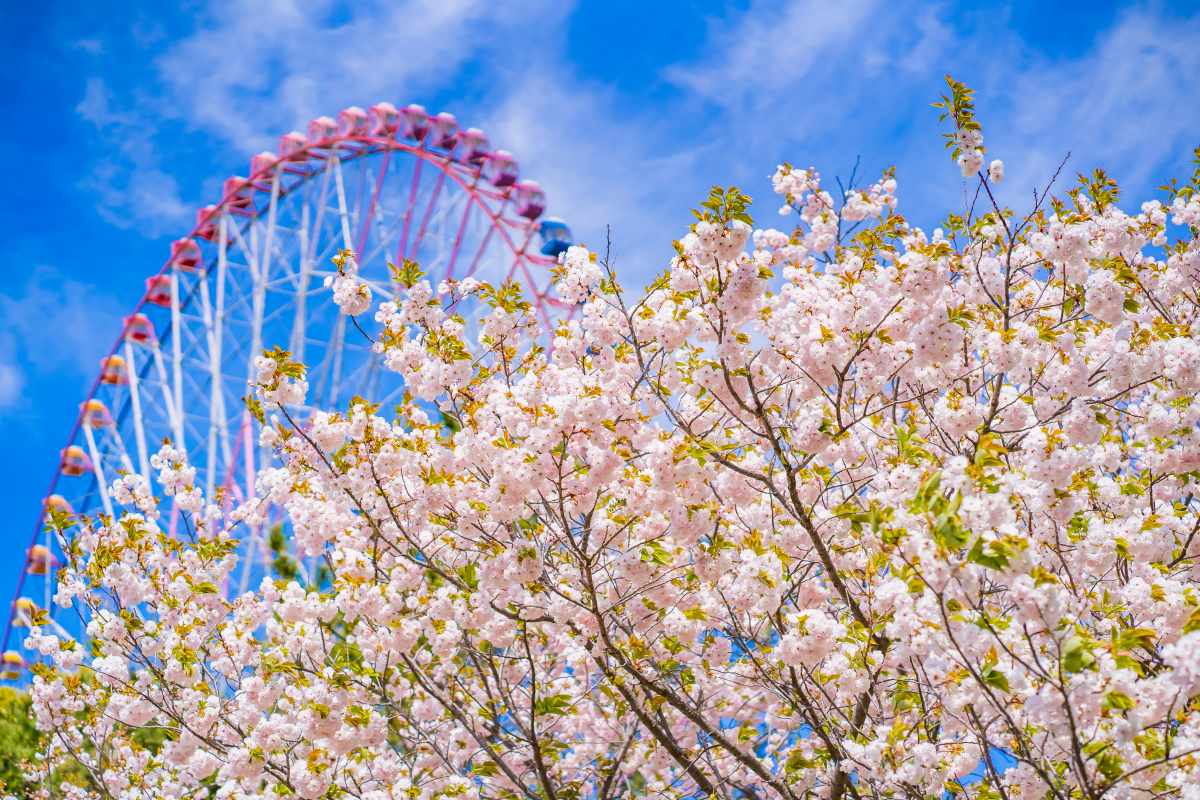
Autumn vs. Spring (sakura)
- Pros: More stable weather than early-spring rain fronts; richer food season (mushrooms, fish, rice); generally fewer “shoulder-to-shoulder” moments than peak cherry blossom days.
- Cons: Foliage timing varies by region; iconic Kyoto spots can still be busy in late November.
Autumn vs. Summer
- Pros: Far cooler and more pleasant; ideal for hiking and temple wandering.
- Cons: You’ll miss summer fireworks and some big festivals; September storm risk remains.
Autumn vs. Winter
- Pros: No deep cold; mountains and gardens accessible without snow gear; foliage + harvest flavors.
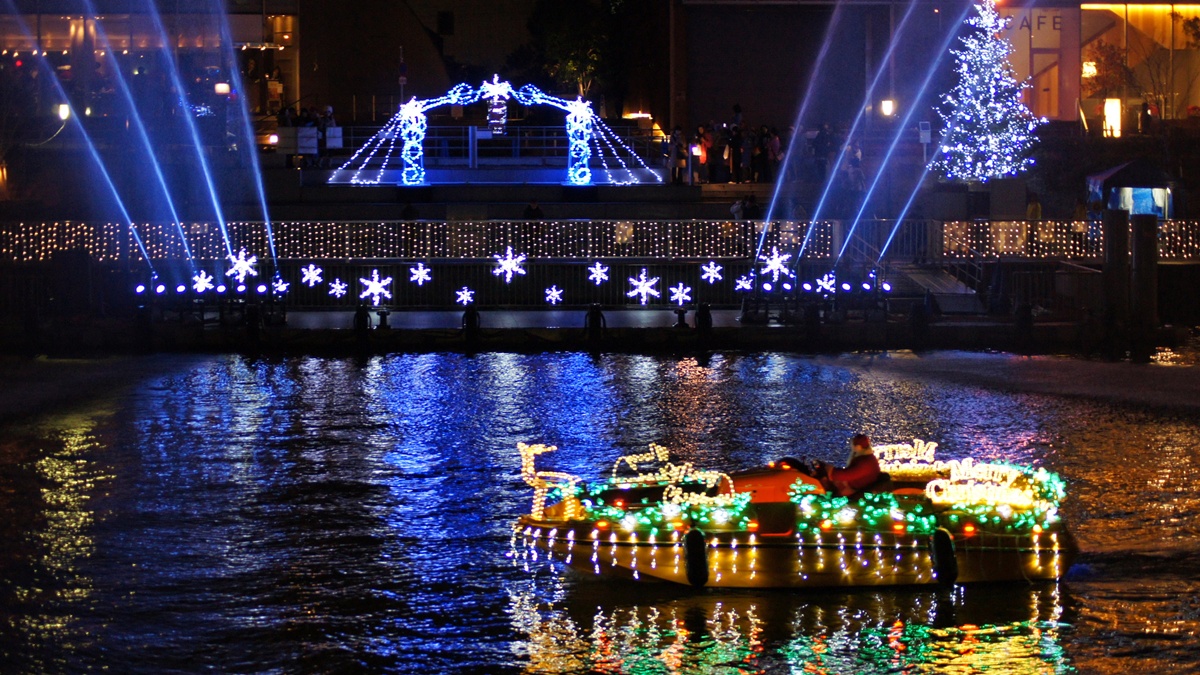
- Cons: Powder-snow devotees and winter illumination fans may prefer December–February.
Where to See the Best Fall Colors (North → South)
- Hokkaido (late Sept–mid Oct): Daisetsuzan National Park (the earliest colors in Japan), Biei/Furano patchwork fields, Shikotsu-Toya lakes.
- Tohoku (early–late Oct): Oirase Gorge & Lake Towada, Naruko Gorge, and Yamadera temple.
- Kantō/Chūbu (late Oct–mid Nov): Nikkō (lakes and waterfalls), Kamikōchi valley, Tateyama Kurobe Alpine Route, Hakone viewpoints.
- Kansai/Chūgoku (mid–late Nov): Kyoto (Eikan-dō, Tōfuku-ji, Arashiyama), Nara parks and temples, Miyajima’s maple park near Itsukushima Shrine.
- Kyūshū/Shikoku (late Nov–early Dec): Yufuin onsen town, Dazaifu Tenman-gū, Iya Valley vine bridges and gorges.
Pro tips: Altitude matters—mountain passes can peak 1–3 weeks earlier than nearby cities. Temple night illuminations (especially in Kyoto) often run a week or two after visual daytime peaks, creating dreamy reflections and long-exposure shots.
Autumn Food & Drink You Can Only Get Now
- Matsutake dobin-mushi: aromatic mushroom broth in a teapot—pure autumn.
- Sanma shioyaki: char-grilled Pacific saury with grated daikon and citrus.
- Shinmai (new rice): slightly sweeter, delicate texture—look for “新米” on menus.
- Kuri (chestnut) desserts: mont-blanc cakes, kuri-kinton, wagashi.
- Persimmons (kaki): fresh, dried (hoshigaki), and in elegant sweets.
- Hiyaoroshi sake: autumn-released, smoother and rounder—great with mushrooms and grilled fish.
Markets & experiences: Kyoto’s Nishiki Market, Tokyo’s Tsukiji Outer Market, farm stands in Nagano, and sake brewery tastings across Niigata, Hyogo (Nada), and Hiroshima.
Weather, What to Pack, & Travel Logistics

Typical feel by month (city snapshot)
- Tokyo: Sept warm & humid → Oct pleasantly mild → Nov cool and crisp.
- Kyoto/Osaka: Hot fades by early Oct; peak foliage and jacket weather in Nov.
- Sapporo (Hokkaido): Fresh early autumn; can turn wintry by late Nov.
- Fukuoka (Kyūshū): Long, gentle autumn that can linger into early Dec.
Smart packing list
- Breathable layers (long-sleeve tees, light knit, compact down or fleece for nights)
- Comfortable walking shoes (temple stones + garden paths)
- Compact umbrella or light rain shell (especially in September)
- Scarf/hat for chilly mornings and night illuminations
- Daypack for water, snacks, and camera gear
Typhoon basics (mainly September)
- Keep plans flexible in the first half of the month.
- Track advisories via official weather apps.
- Verify cancellation terms on hotels and experiences; consider travel insurance that explicitly covers weather disruptions.
Crowd-Savvy Planning (Save Time & Money)
- Reserve early for late-Oct/Nov weekends in Kyoto, Nikko, and Hakone.
- Go early/late: Be at temple gates at opening (often ~8–9 am) or visit after 4 pm for softer light.
- Use foliage maps to time your week; shift north or higher if you’re early, south or lower if you’re late.
- Base in secondary cities (Ōtsu for Kyoto, Uji for Fushimi, Kobe for Osaka) and day-trip in.
- Rail strategy: For 7–10-day trips spanning multiple regions, compare the nationwide JR Pass with regional passes (JR East, JR West, Hokuriku, Hokkaido)—the latter can be a better value in autumn when you’re chasing foliage within one area.
7–10 Day Sample Autumn Itineraries
Classic First-Timer (10 Days: Tokyo → Hakone → Kyoto → Nara → Osaka)
- Day 1–3: Tokyo — Meiji Jingu’s ginkgo, Rikugien Garden night light-up, Tsukiji food crawl.
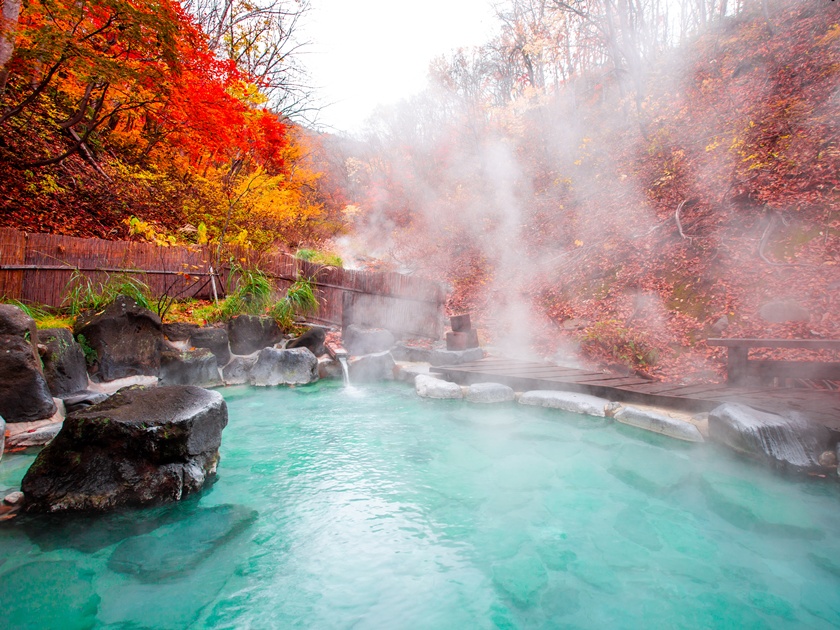
- Day 4: Hakone — Ropeway views, onsen night.
- Day 5–7: Kyoto — Eikan-dō and Nanzen-ji canal walk, Arashiyama morning bamboo + Tenryū-ji garden.
- Day 8: Nara — Deer park and Kōfuku-ji; return to Kyoto/Osaka.
- Day 9–10: Osaka — Umeda Sky sunset, Dotonbori eats (autumn crab and kushikatsu).
Foliage Chaser (9 Days: Hokkaido/Tohoku + Alpine Route)
- Day 1–3: Sapporo base — Day-trip to Daisetsuzan or Jōzankei.
- Day 4–5: Aomori — Oirase Gorge boardwalk, Lake Towada viewpoints.
- Day 6–7: Nikko — Lake Chūzenji, Kegon Falls.
- Day 8–9: Alpine Route — Tateyama Kurobe scenery; overnight in Matsumoto.
Foodie Fall Route (8 Days: Tokyo → Kanazawa → Kyoto → Fukuoka)
- Day 1–3: Tokyo — Autumn tasting menus, sake bars, a day trip to Kawagoe for sweet potato treats.
- Day 4–5: Kanazawa — Omicho Market seafood, Kenroku-en’s maples.
- Day 6–7: Kyoto — Kyo-kaiseki with matsutake; Nishiki Market.
- Day 8: Fukuoka — Yatai stalls, mentaiko tastings; side trip to Dazaifu’s foliage.
From Hot Girl Summer to Cool Japan Autumn
Japan in autumn is the vibe: cooler temps, golden leaves, and harvest eats that slap. Lock in your fall itinerary now—hit Tokyo → Kyoto, chase those kōyō views, and book tours/passes before they sell out. Ready to leaf your comfort zone? Let’s plan your glow-up getaway!