Autumn Food & Drink in Japan: What to Taste by Season & Region

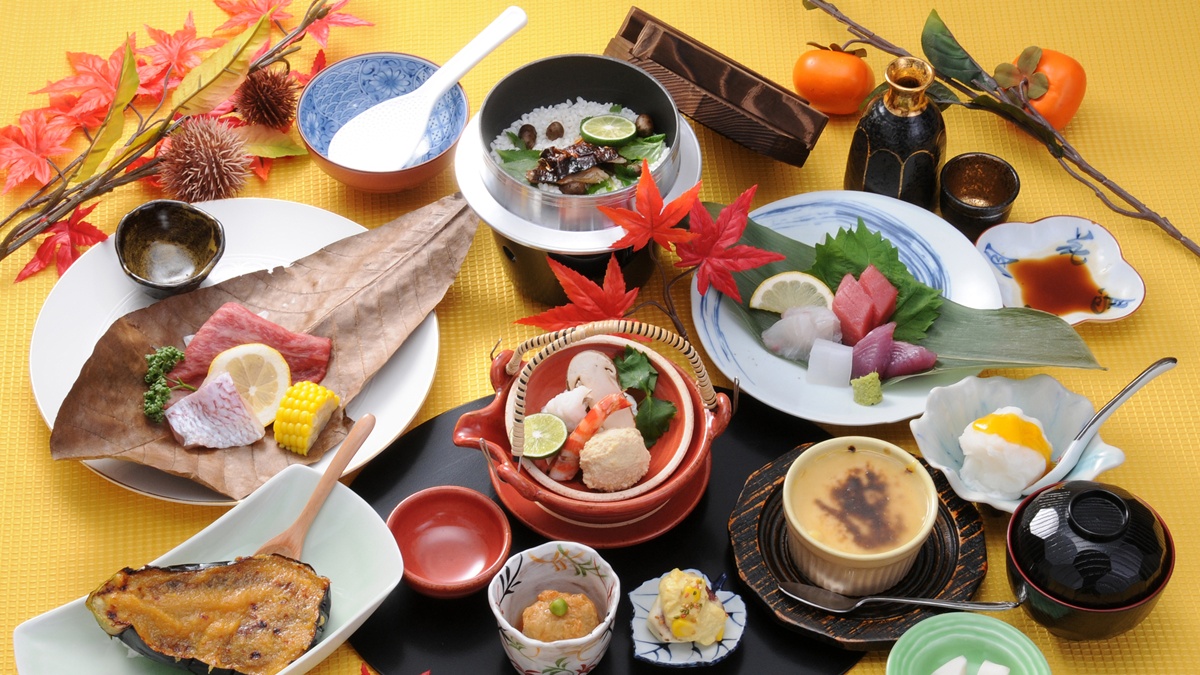
From buttery matsutake and new-crop rice to mellow autumn sake and smoky grilled sanma, fall in Japan is “shokuyoku no aki”, the season of appetite. Use this guide to plan what to eat, drink, and book across September–November.
Quick Planner: What’s in Season (Sept–Nov)
Grains
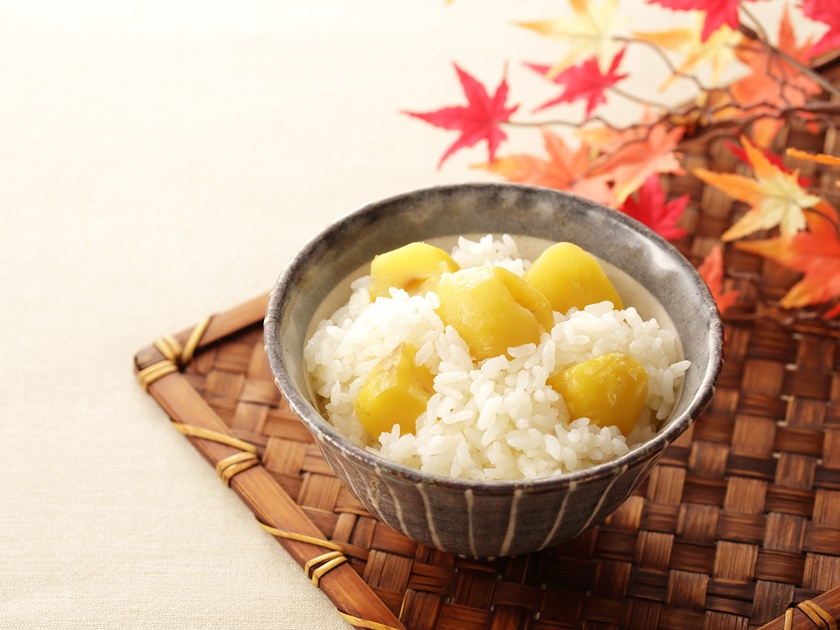
Shinmai (新米 / new-crop rice): freshly harvested, higher moisture, glossy texture. Spotlight it in simple bowls, sushi, and rice-focused set meals.
Noodles
Shin-soba (新そば / new buckwheat): late-Oct to Nov, when mills start pressing fragrant, newly harvested buckwheat. Look for banners reading “新そば”.
Mushrooms
Matsutake (松茸): the aromatic icon of fall (typically Sept–Oct). Also: maitake, shimeji, nameko—great tempura and rice toppers.
Fish
Sanma (秋刀魚 / Pacific saury): classic salt-grilled (shioyaki) with grated daikon and citrus. Autumn salmon and ikura (salmon roe) also shine.
Fruits & Nuts
- Kuri (栗 / chestnuts): in wagashi, rice (okowa), and mont-blanc pastries.
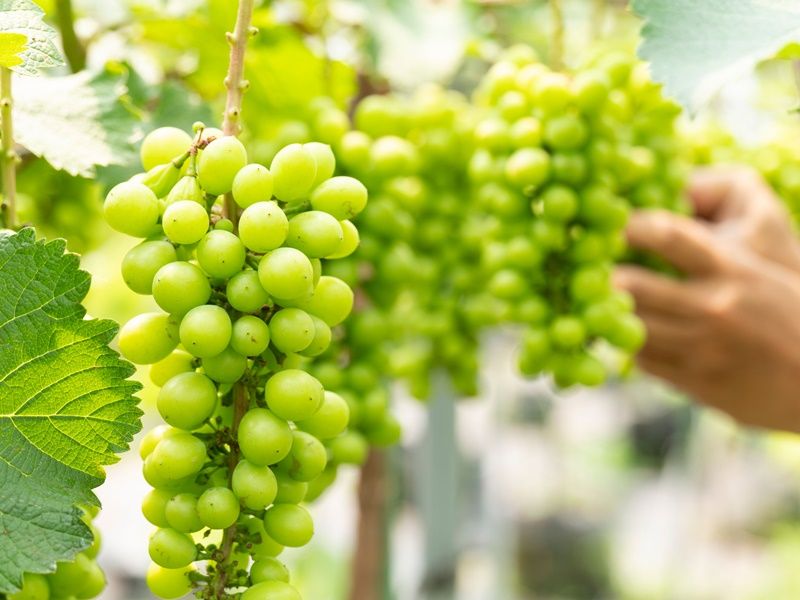
- Kaki (柿 / persimmon), nashi (梨 / Asian pear), and grapes are frequently used in desserts and fruit sandwiches.
Roots & Squash
Satsumaimo (さつまいも / sweet potato), kabocha (南瓜 / Japanese pumpkin): roasted street snacks, tempura, and pies.
Drinks
Hiyaoroshi (冷やおろし) sake: summer-aged, autumn-released bottlings with rounder, mellow flavors—ideal with mushrooms and grilled fish.
Signature Autumn Dishes & Sweets
- Sanma no shioyaki (さんまの塩焼き): Char-kissed skin, juicy flesh, served with grated daikon and sudachi/yuzu. Simple, smoky, perfect with a bowl of new rice.
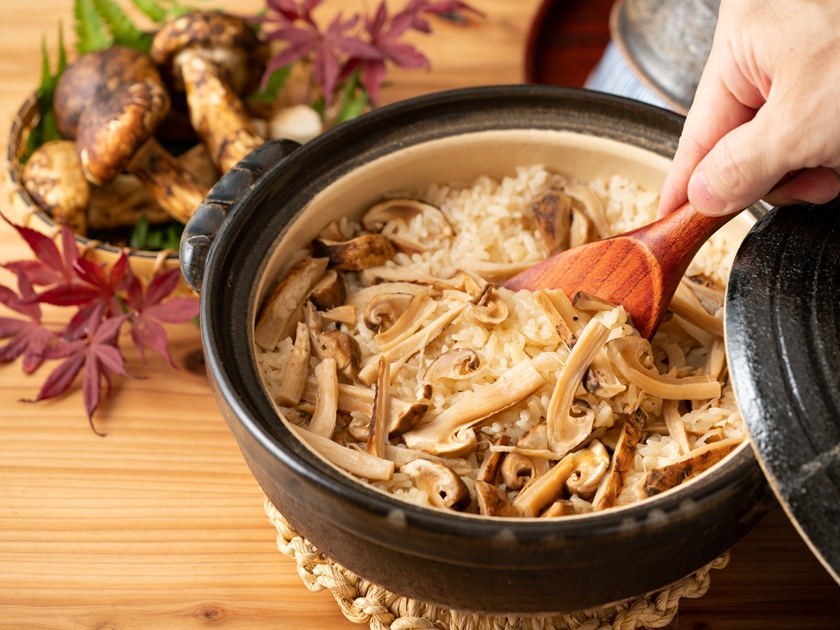
- Matsutake dobin-mushi (土瓶蒸し) & matsutake gohan (松茸ご飯); A teapot-steamed broth that captures matsutake’s perfume, or mixed into rice with light seasoning to let the aroma lead.
- Takikomi gohan (炊き込みご飯): Mixed rice studded with shiitake/matsutake, burdock, chicken—or kuri for chestnut rice (栗ご飯). Comfort in a clay pot.
- Kuri kinton (栗きんとん) & kuri-okowa (栗おこわ): Sweets and sticky rice that celebrate the natural sweetness of chestnuts. Expect elegant, not overly sugary profiles.
- Oden (おでん): Light dashi stew with daikon, tofu, eggs, fish cakes—appears as the nights cool. Each shop’s broth has a personality; mustard (karashi) on the side.
- Seasonal tempura: Kabocha crescents, maitake clusters, and river fish in airy batter. Ask for salt instead of sauce to taste the produce.
- Wagashi & patisserie with autumn motifs: Maple-leaf (momiji) sweets, chestnut mont-blancs, yokan with persimmon—department-store basements (depachika) are treasure troves.
- Shin-soba (新そば): Newly milled buckwheat offers a heady aroma. Order mori/zaru (cold, with dipping sauce) to focus on fragrance and texture.
What to Drink: Autumn Sake & Pairings
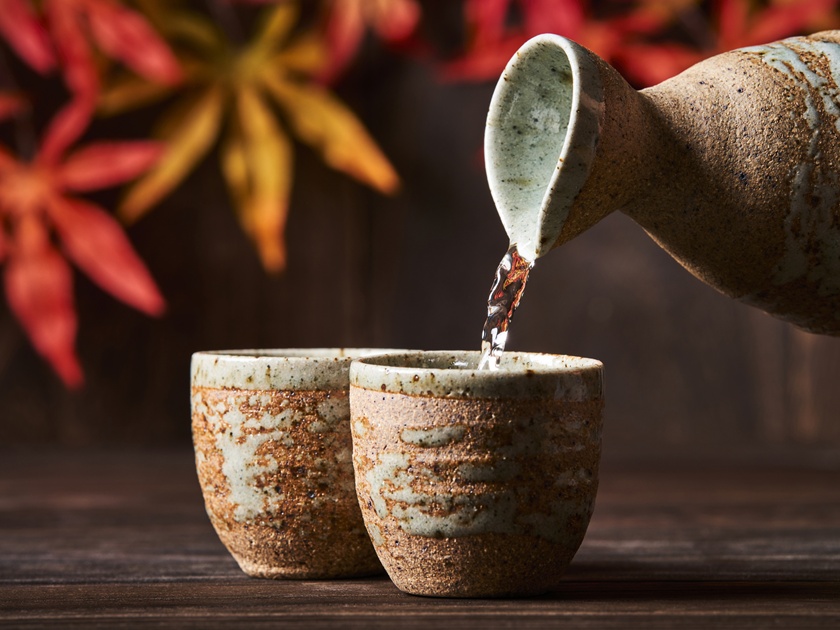
- Hiyaoroshi (冷やおろし): released in early fall after resting over summer. Expect smoother, rounder profiles than spring namas.
- Try it with: matsutake dishes, sanma, oden, and chestnut rice.
- Serving tips: start slightly chilled for aromatics; as evenings cool, gently warm richer styles (nurukan) to amplify umami.
- Look for labels: words like “秋”, “ひやおろし”, or “秋あがり” on menus and bottle tags.
Regional Guide: Where to Try Autumn Specialties
Hokkaidō
In season: salmon runs, ikura, kabocha, potatoes, dairy.
Eat this: salmon & ikura don, butter-sautéed mushrooms, kabocha croquettes.
Where to look: coastal markets and breakfast seafood alleys; craft breweries and sake bars in Sapporo and Otaru.
Tōhoku (Aomori–Akita–Iwate–Miyagi–Yamagata–Fukushima)
In season: apples (Aomori), wild mushrooms, hearty rice dishes.
Eat this: kiritanpo nabe (Akita), shin-soba at autumn soba festivals, grilled sanma in coastal izakaya.
Where to look: country soba houses, mountain onsen towns, morning markets.
Kantō (Tokyo & Surrounds)
In season: sweet potatoes, mushrooms, early persimmons.
Eat this: oden counters, charcoal-grilled sanma in back-alley izakaya, chestnut pastries in depachika.
Where to look: department-store basements (Ginza/Shinjuku), yokocho (alley) bars, specialty soba counters (reserve for top spots).
Chūbu
(Nagano–Gifu–Niigata–Ishikawa–Toyama–Shizuoka–Yamanashi–Aichi)
In season: Shinshū soba (Nagano), mountain mushrooms, Niigata shinmai, Gifu chestnuts.
Eat this: shin-soba tasting flights, matsutake rice, kuri kinton.
Where to look: Nagano soba streets, Niigata rice eateries, Takayama old town confectioners.
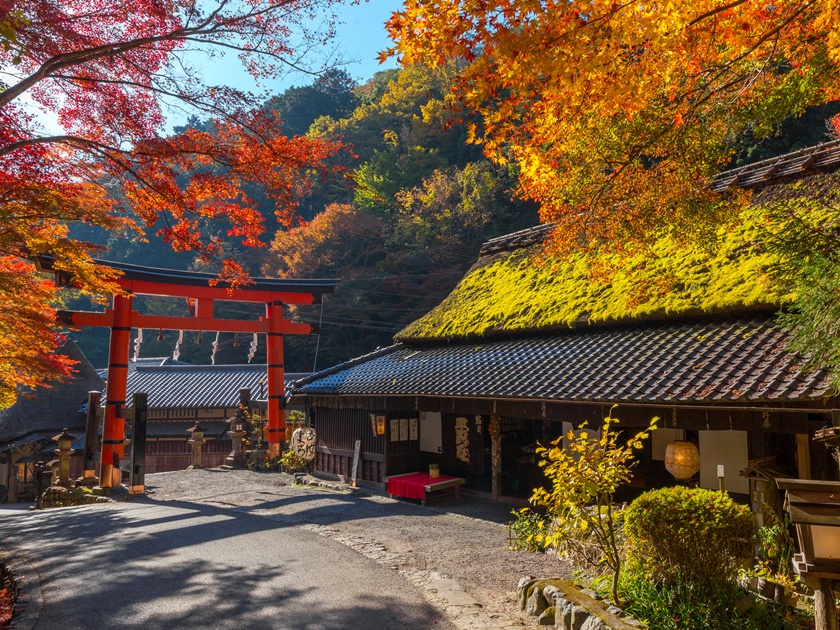
Kansai (Kyoto–Osaka–Hyōgo–Nara–Shiga–Wakayama)
In season: matsutake (Kyoto area), persimmons, lake fish (Biwa).
Eat this: dobin-mushi in Kyoto kaiseki, shin-soba at artisan counters, tempura kabocha.
Where to look: Kyoto kappō/ryōtei (book ahead), Nishiki Market snacks, Kobe/Osaka standing sake bars pouring hiyaoroshi.
Chūgoku & Shikoku
In season: citrus arrives late fall (yuzu in Kochi & Tokushima), mountain mushrooms, Setouchi fish.
Eat this: citrus-accented sashimi, matsutake rice, local oden.
Where to look: riverside towns (Shimanto), island markets, brewery tasting rooms.
Kyūshū
In season: satsumaimo (Kagoshima), rich broths, coastal fish.
Eat this: baked sweet potatoes (yaki-imo), daigaku-imo sweets, robust oden styles, shochu pairings.
Where to look: Kagoshima sweet-potato stands, Fukuoka yatai (food stalls) as the air turns crisp.
Okinawa (Bonus)
In season: island sweet potato confections, tropical fruit riffs (less leaf-peeping, more harvest treats).
Eat this: beni-imo tarts, tempura fritters, awamori cocktails with autumn snacks.
Where to Eat: Reliable Places & Experiences
- Depachika (デパ地下): curated seasonal boxes, wagashi, and tasting corners—excellent for sampling without a reservation.
- Soba-ya (蕎麦屋): seek places that mill in-house; in October–November, ask if 新そば is available.
- Izakaya & yokocho: charcoal grills for sanma, seasonal tempura, and hiyaoroshi by the glass.
- Kaiseki / kappō: autumn menus revolve around matsutake, chestnuts, and persimmons—book lunches for softer pricing.
- Sake bars & breweries: look for noren/chalkboards advertising “ひやおろし”; many offer seasonal flights.
Month-by-Month Cheat Sheet
| September | First shinmai labels appear; early hiyaoroshi releases. Sanma season kicks off; early matsutake menus. |
| October | Peak matsutake; shin-soba starts appearing at festivals and soba counters. Chestnut sweets everywhere; oden pots return to izakaya. |
| November | Late persimmons and pears; shin-soba in full swing. Heavier nabe (hotpot) and oden dominate; mellow hiyaoroshi bottles linger. |
Practical Tips for Travelers
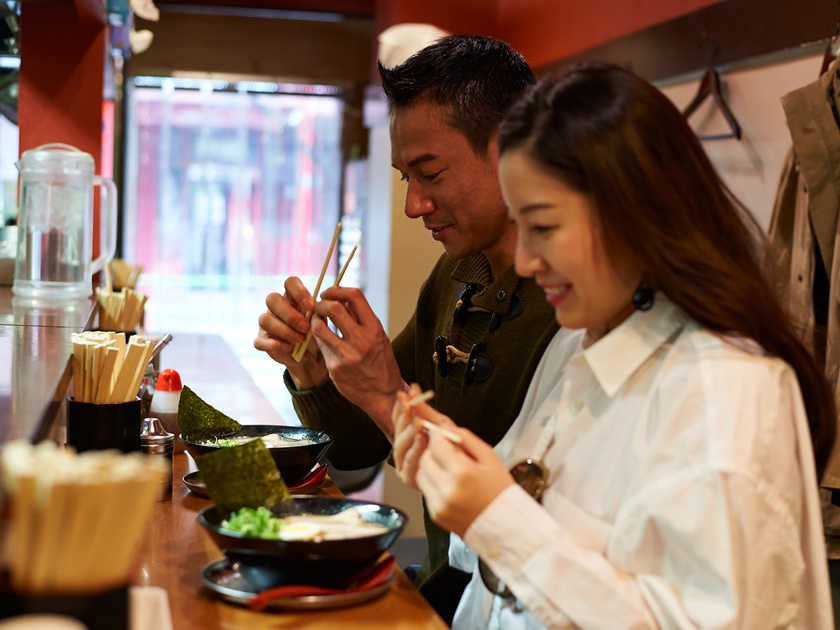
- Menu kanji to spot: 新米 (shinmai), 新そば (shin-soba), 松茸 (matsutake), 秋刀魚 (sanma), 柿 (kaki), 栗 (kuri), 冷やおろし (hiyaoroshi)
- How to order sanma: ask for sanma no shioyaki. Expect grated daikon and a citrus wedge.
- Budgeting: sanma and soba are everyday-friendly; matsutake is premium—consider lunch sets or multi-course seasonal menus for better value.
- Flex for seasonality: availability shifts with harvests and catch sizes; build in alternates (e.g., maitake tempura if matsutake is scarce).
- Allergies & preferences: mention “アレルギーがあります (arerugī ga arimasu)” plus the ingredient; for vegetarian options, look for shōjin-style restaurants or ask “ベジタリアンメニューはありますか?”.
Your Tastebuds Called, They Want Japan
Autumn in Japan is a limited-edition drop! Matsutake steam clouds, crispy sanma skin, shin-soba aroma, mellow hiyaoroshi vibes. Lock in your foodie era now: snag a market crawl in Tokyo, a soba day trip in Nagano, or a Kyoto kaiseki that actually respects your taste buds. Peep our fall-only tours and tastings on Veltra.com and turn your feed into “I can smell this photo” content. Let’s eat the season before it disappears.