Ishigaki’s Sabani Day: Build a Boat, Ride the Wind, & Savor Island Lunch

Step into a living Ryukyu tradition on Ishigaki Island: learn the craft of Okinawa’s iconic wooden sabani, sail by wind over coral seas, and share a farm-to-table lunch with local flavors—all in one small-group, sustainability-focused experience.
At a Glance
- Where: Yoshida Sabani Zosen (Ishigaki) + sailing off Kuura Beach
- When: Morning start (~09:30–14:30), available daily
- What’s included: Guided sabani sailing, hands-on craft session (take-home ornament), seasonal island lunch, showers/toilets on site
- Good to know: Free rentals (life jackets, marine shoes, waterproof bags, kuba hat), translation device support beyond JP/EN, program varies with weather/tides (full refund if canceled)
Why This Experience Is Special
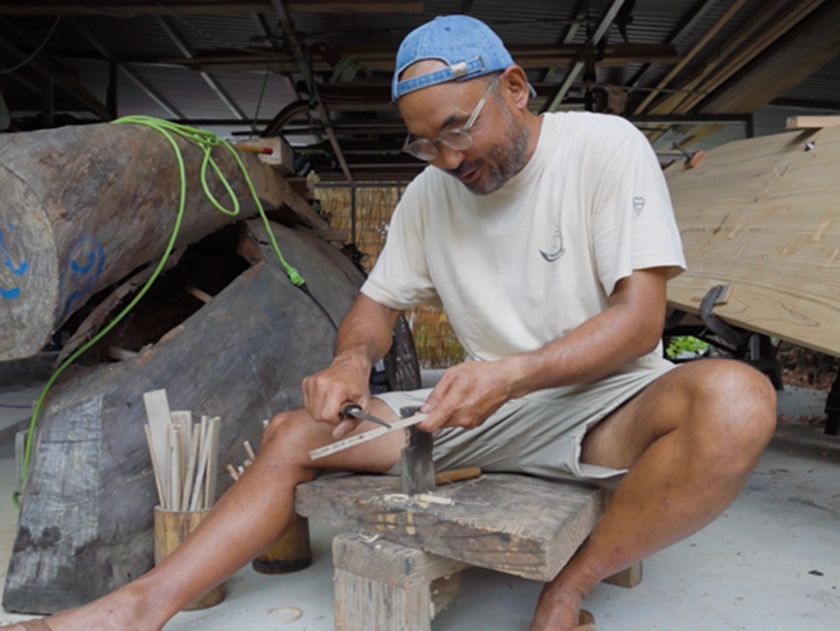
A rare craft, taught by the island’s sabani builder. You’ll meet Tomohiro Yoshida at his workshop and get close to techniques that define Okinawa’s wooden boats—joinery methods that traditionally used no metal nails. In Ishigaki, this know-how survives thanks to makers like Yoshida, who host community tours and events to keep the culture alive.
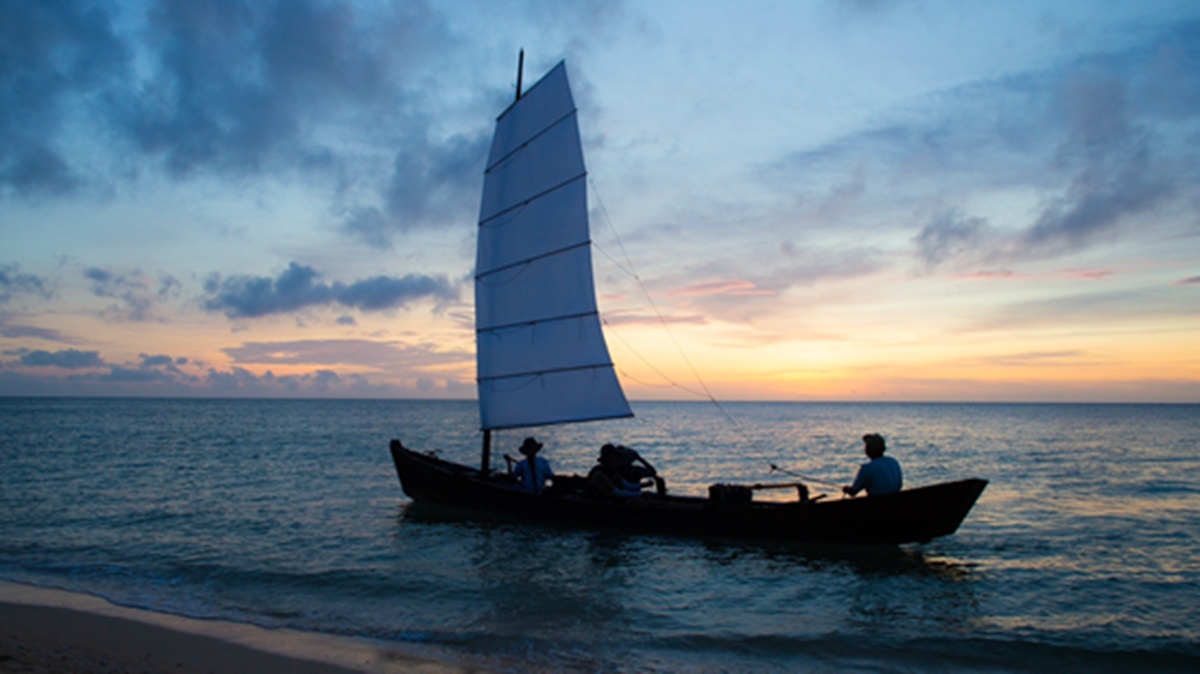
Wind over fuel. On the water, you’ll ride a shallow-draft sabani—built for coral seas—powered by a simple sail and paddles. It’s a quiet, low-impact way to experience Okinawa’s coast, and a beautiful change of pace from motorized craft.
Lunch with a sense of place. Midday, sit down to a seasonal spread featuring pesticide-free vegetables and free-range chicken, and hear the stories behind the food—an easy, delicious way to connect with island life.
Coral-rich setting. The waters around Ishigaki lie within Iriomote-Ishigaki National Park, famed for mangroves and coral reefs, including the Shiraho Blue Coral community—one of the largest of its kind in the Northern Hemisphere. Your wind-powered ride fits the spirit of exploring these sensitive habitats gently.
The 5-Hour Flow: What to Expect
1) Meet the Maker (09:30)
Check in at Yoshida Sabani Zosen. Meet Tomohiro Yoshida—“Ishigaki’s only sabani boatbuilder”—and get a primer on sabani history and technique inside a working boatyard.
2) Sea Blessing & Sail (around 10:15)
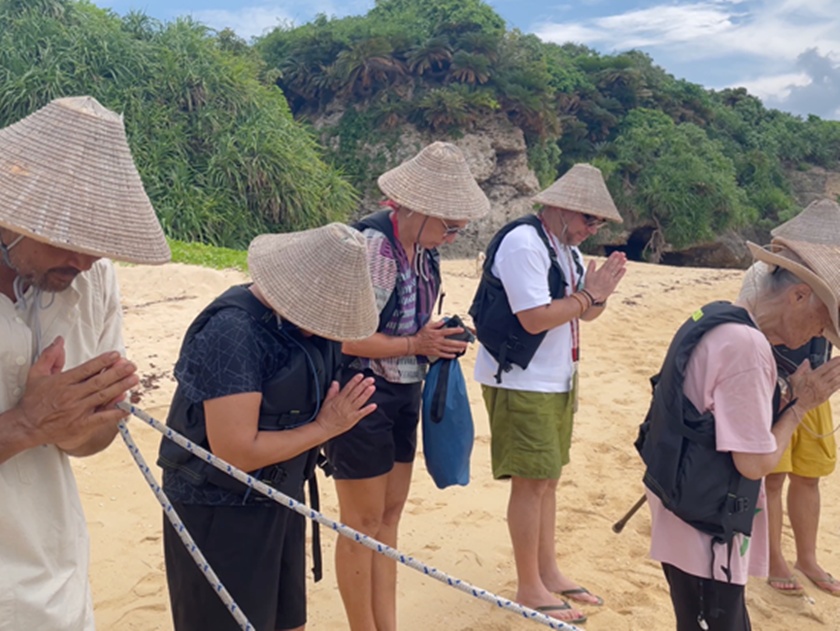
Transfer to Kuura Beach and set out after a simple sea blessing. With wind, the sail unfurls; in calm, you’ll paddle—just as fishers once did. In summer, you may snorkel; in cooler months, peering through a glass scope and simple line fishing are possible, conditions permitting.
3) Boatbuilding, Part I (around 11:30)
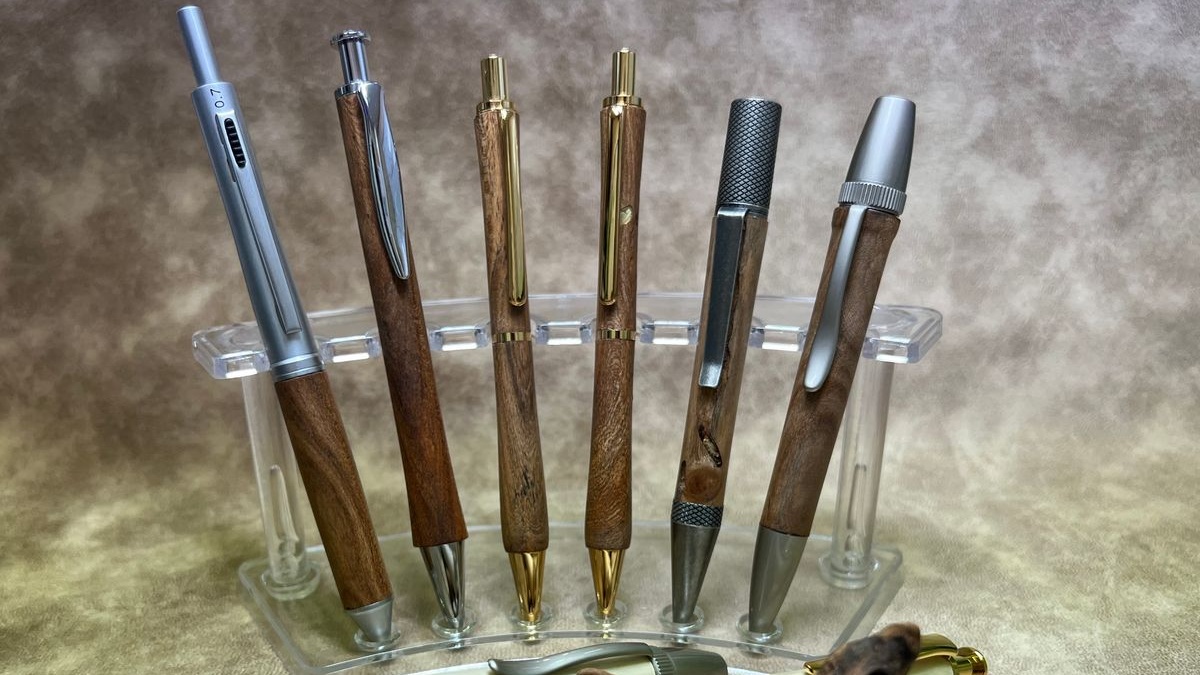
Back at the workshop, try traditional joinery—locally known as honhagi—a style developed in Okinawa in the late 19th century that joins cedar planks without iron nails (often with wooden keys or bamboo pegs). Craft a small take-home ornament from Sabani offcuts.
4) Island Lunch (around 12:30)
Refuel with a seasonal island terroir lunch showcasing pesticide-free produce and free-range chicken—plus the stories behind the dishes.
5) Boatbuilding, Part II & Slow Time (13:15–14:30)
Finish your piece over a cup of herbal tea. After the tour ends, linger around the Hirakubo Peninsula for a stroll, views, and quiet island time.
Sustainability & Culture
What Makes Sabani Different?
Sabani evolved for the shallow, coral-sheltered seas of Okinawa. Their shallow draft and wind-and-paddle propulsion let you move close to shore with minimal noise and zero fuel burn—perfect for reef country. The craft itself is a masterclass in resource-savvy carpentry: interlocking joinery, no rust-prone metal, and buoyant wood that resists sinking.
A Living Tradition
Across Okinawa, sabani culture endures through workshops and community races—including a new Yaeyama Fukaki Sabani Race that celebrates and passes down these skills to the next generation.
Practical Details
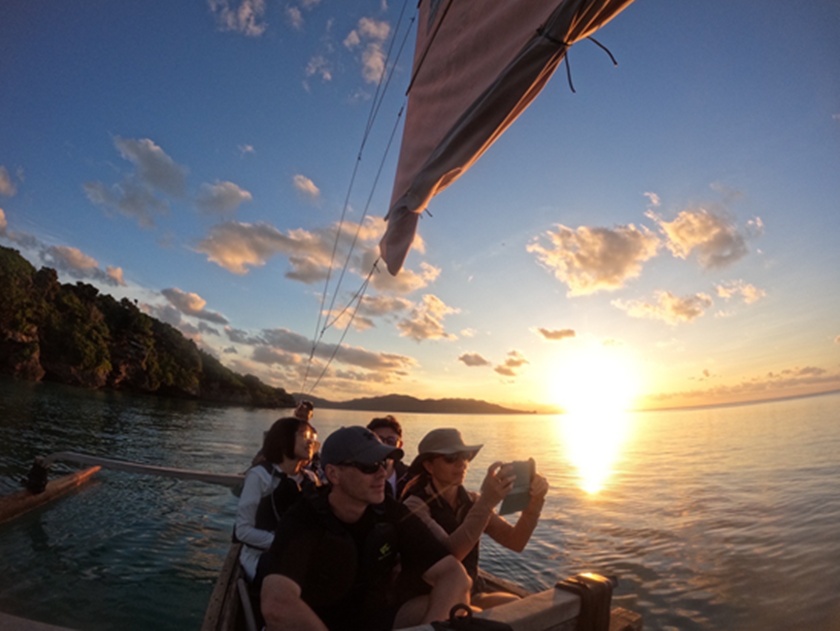
What’s Included
- Guided Sabani sailing & hands-on workshop
- Take-home wooden ornament
- Seasonal lunch (pesticide-free vegetables, free-range chicken)
- Facilities: toilets & showers on site
- Free rentals: life jackets, marine shoes, waterproof bags, kuba (traditional palm) hat; motion-sickness tablets available
What to Bring
Wear clothing that can get wet; pack a change of clothes, sandals, hat, sun protection, water, towel, and a waterproof phone case if you’d like photos from the boat.
Who It’s For
Culture-curious travelers, families, and private groups looking for slow, low-impact adventure with real local interaction. Two private options are offered: a Standard Plan (up to 6 guests) and a Private Group Plan (7–12).
Policies
Daily departures; schedule and content vary with weather/tides. If the tour is canceled, you’ll receive a full refund. Support for languages beyond Japanese/English is available via a translation device/app.
When to Go
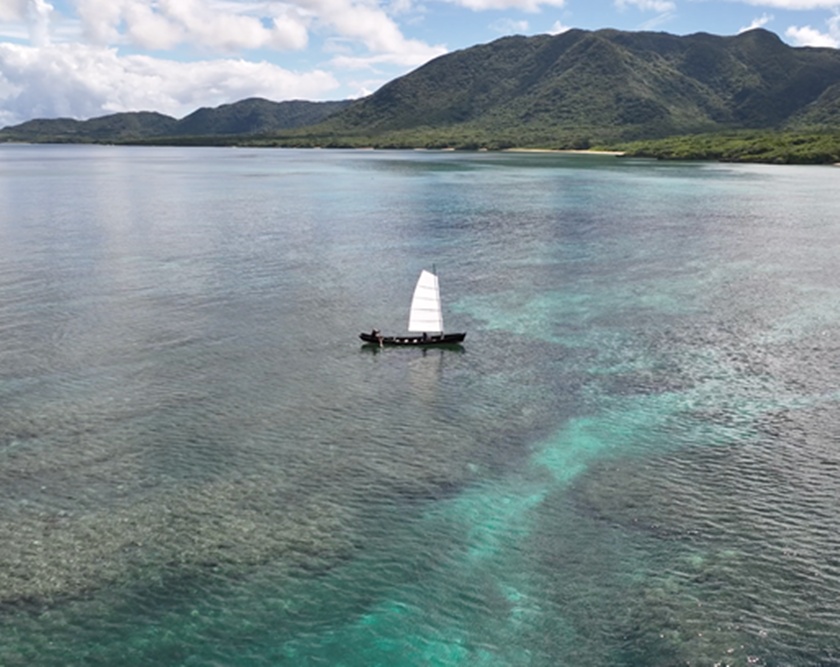
Summer brings prime visibility and warm seas—great for snorkeling add-ons. Shoulder seasons (spring, autumn) mean gentler crowds and still-balmy water temps. Whenever you visit, remember reef-friendly habits (no touching coral, reef-safe sunscreen) to keep Ishigaki’s waters thriving within the national park.
Frequently Asked Questions (FAQs)
Trade Screen Time for Sea Time
In just 5 hours, you’ll build a sabani, ride the wind over coral-blue water, and crush an island lunch—low-key eco, high-key culture. Slots go fast (small groups only), so grab your crew, pack that reef-safe SPF, and book your Ishigaki Sabani Day now.