Frost & Fire at Fuji: Kawaguchiko Winter Fireworks + Saiko Ice Festival 2026

See Mt. Fuji glow under winter skies. By day, wander between ice towers at Saiko; by night, watch fireworks bloom over Lake Kawaguchi.
Quick Facts
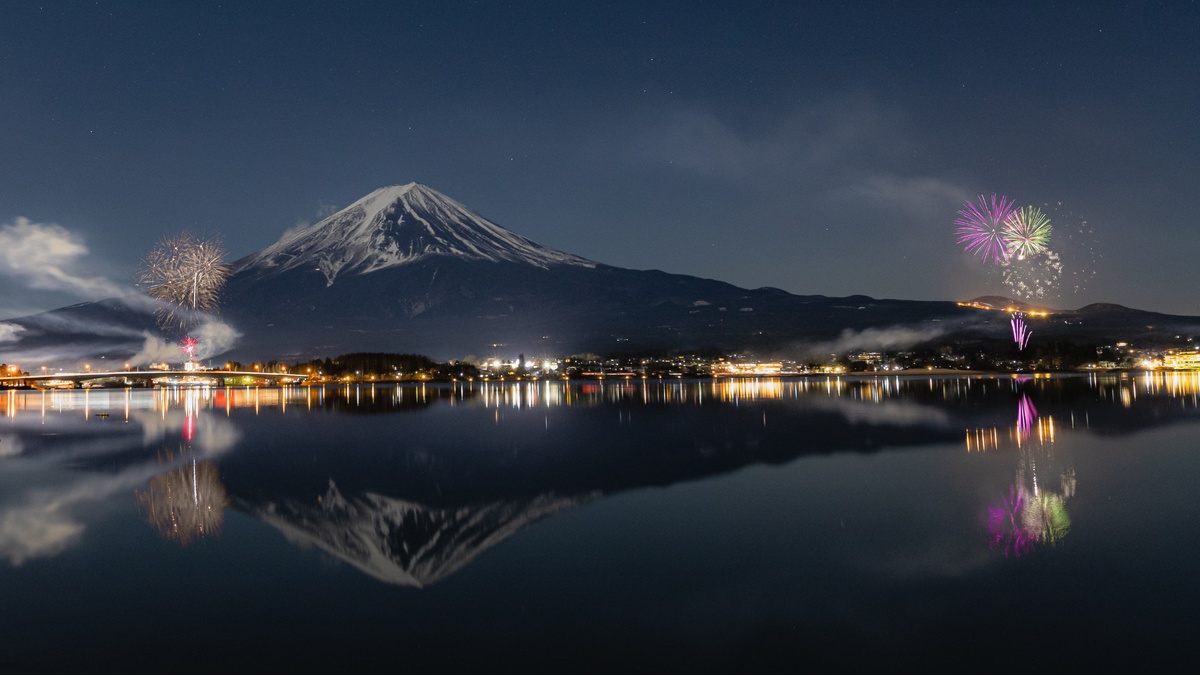
- Kawaguchiko Winter Fireworks 2026: Saturdays & Sundays Jan 24–Feb 23, plus Feb 23 (Mt. Fuji Day), 8:00–8:20pm. Main venue: Oike Park; also Tatamiiwa & Yagizaki Park. Free.
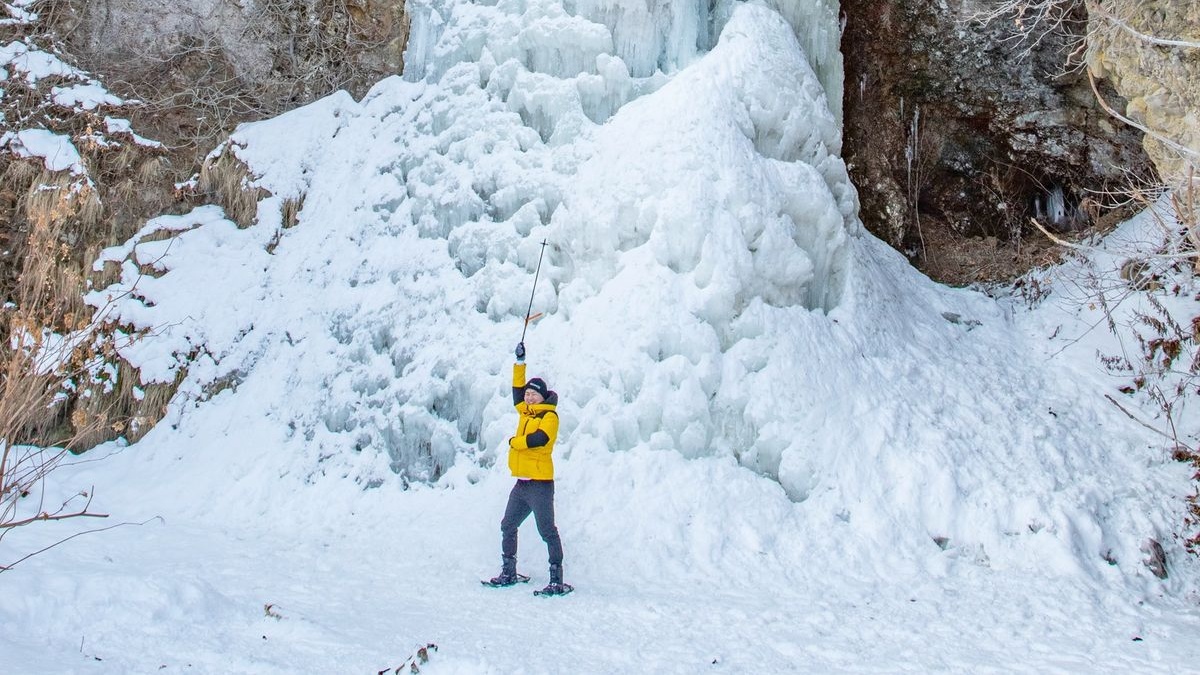
- Saiko Ice Festival 2026: Jan 31–Feb 11 at Saiko Wild Bird Forest Park; illumination from sunset to ~19:00; free; weekend food stalls/workshops.
- Getting there from Tokyo: Highway bus Shinjuku → Kawaguchiko Station ~1h35–1h45; direct FUJI EXCURSION limited express also runs between Shinjuku and Kawaguchiko.
- Typical temps (Jan–Feb): daytime around 4–5°C (40°F), nights often near -4°C (25°F)—dress for sub-freezing windchill.
Why Does this Trip Rule
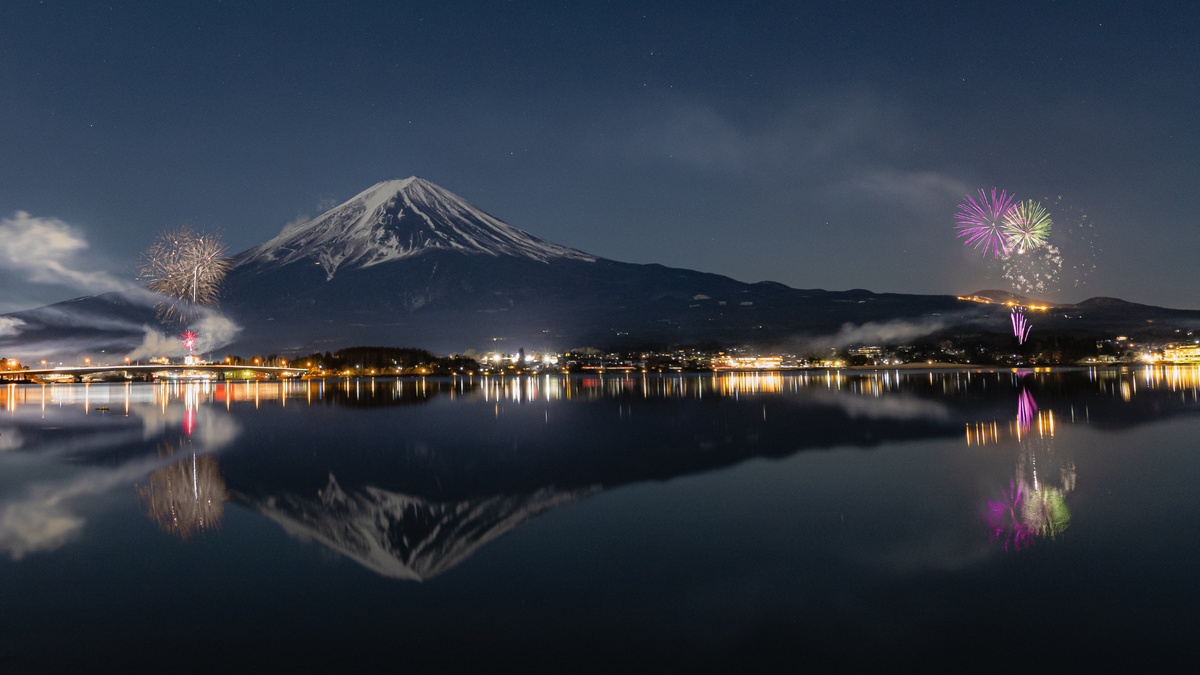
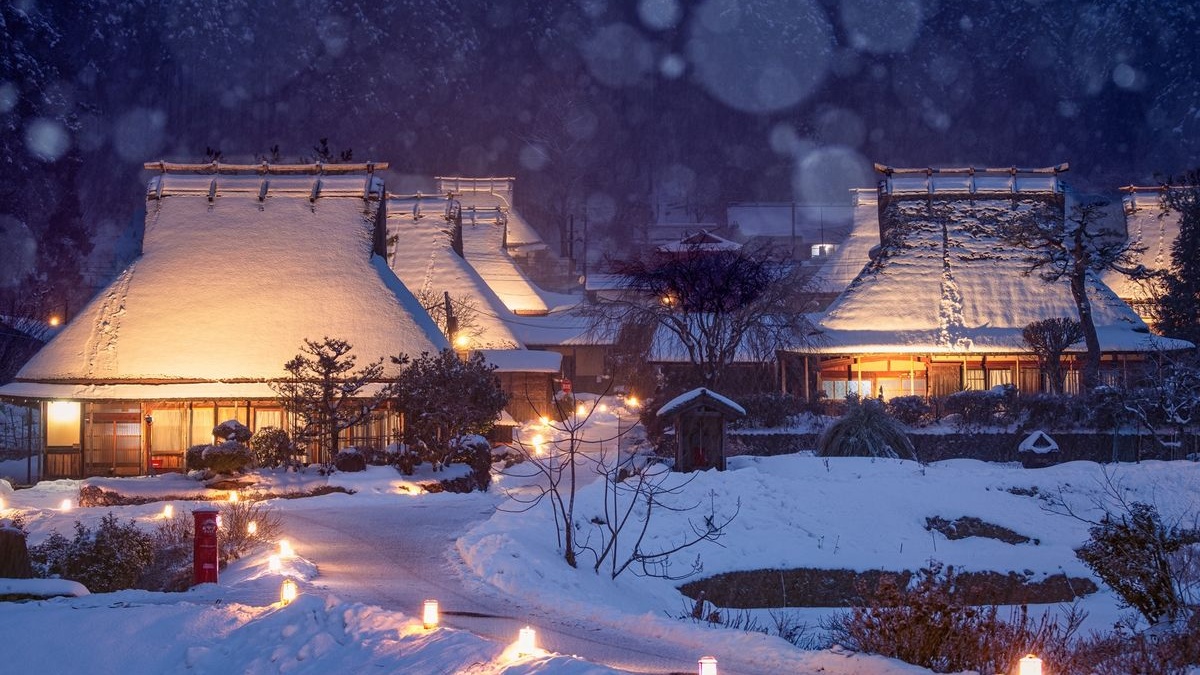
Winter air is crisp and dry around Fuji, which means punchy fireworks colors and, when the lake is calm, mirror-like reflections you rarely get in summer. Pair that with the Saiko Ice Festival’s blue-white “ice trees” and sculptures glowing at dusk, and you’ve got a one-day, two-season spectacle.
Dates, Times, & Viewing Spots
Kawaguchiko Winter Fireworks (Lake Kawaguchi)
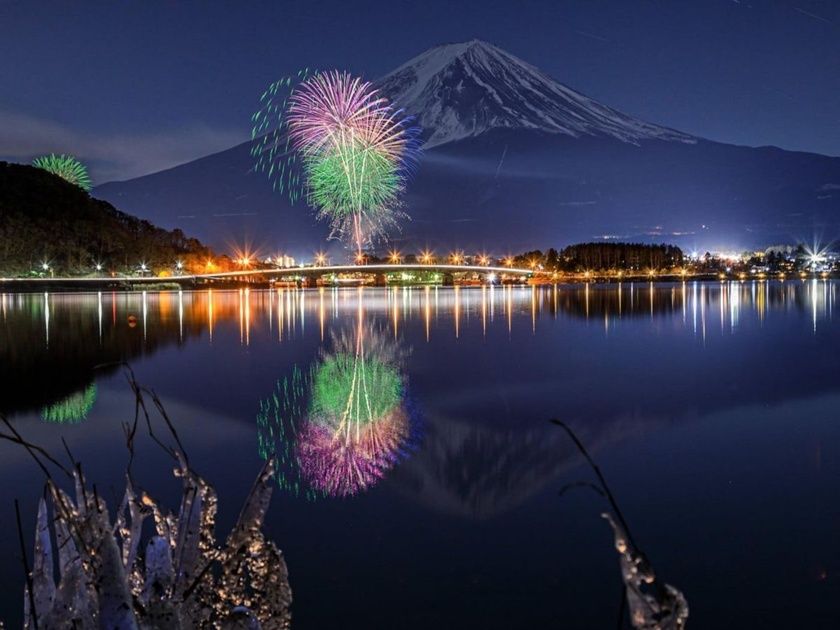
- When: Weekends Jan 24–Feb 23, 2026 + Feb 23 (Mt. Fuji Day)
- Time: 20:00–20:20 (20 minutes)
- Where to watch:
- Oike Park (Main) – central launch & services
- Yagizaki Park – wider panorama across the lake
- Tatamiiwa – great for reflections on windless nights
- Admission: Free
- Access: Kawaguchiko Tour Bus Red Line → Kawaguchiko Herb Hall (for Oike Park).
Saiko Ice Festival (Lake Saiko)
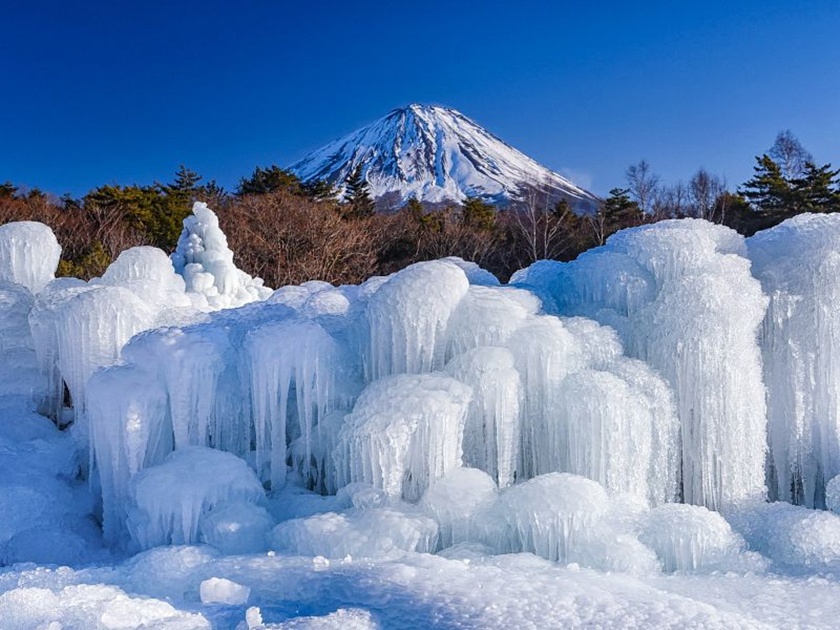
- When: Jan 31–Feb 11, 2026
- Illumination: Sunset–19:00
- Venue: Saiko Wild Bird Forest Park (parking free)
- Weekends/Holidays: Food stalls & hands-on booths
- Access: Saiko Tour Bus Green Line → Saiko Wild Bird Forest Park stop.
Note: Programs may change or be canceled for weather. Always re-check official notices on the Fujikawaguchiko tourism site before you go.
How to Get There (from Tokyo)
Easiest: Highway bus from Shinjuku Expressway Bus Terminal to Kawaguchiko Station (frequent departures; ~1h35–1h45 depending on service/traffic).
By rail: The FUJI EXCURSION limited express runs directly between Shinjuku and Kawaguchiko, eliminating the usual transfer at Ōtsuki.
Local moves:
- For Oike Park (fireworks): Red Line loop → Kawaguchiko Herb Hall.
- For Saiko Ice Festival: Green Line loop → Saiko Wild Bird Forest Park.
Prefer zero-logistics? The guided combo day tour covers the Saiko Ice Festival by day and fireworks at night, with a convenient Shinjuku meeting point.
One-day “Frost to Fire” Plan
- 14:20 – Meet in Shinjuku (tour option) → coach to Fuji area
- ~16:00 – Arrive at Saiko Wild Bird Forest Park; explore ice art, warm snacks on weekends
- ~18:30 – Transfer to Oike Park and set up your spot
- 20:00–20:20 – Fireworks show (tripod recommended)
- ~22:00 – Return to Shinjuku (tour) or take late buses/trains back to Tokyo.
Photo & Comfort Tips
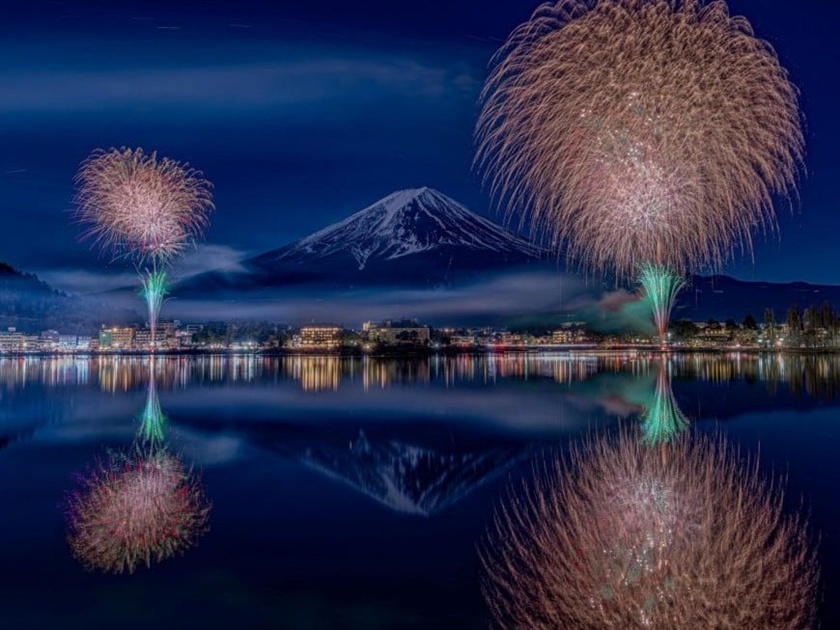
- Tripod + remote for 2–6s exposures; keep ISO low for clean color.
- Scout the wind: reflections pop on glassy water—Tatamiiwa and lakefront near Oike can be superb when calm.
- Dress for deep winter: base layer + insulated midlayer + warm parka; hat, gloves, non-slip waterproof boots. Nights often dip to -4°C (25°F).
- Amenities: Food stalls are common near festival venues on weekends; carry cash and hand warmers.
Responsible & Accessible
Both events are free outdoor gatherings with mixed paved/packed-snow surfaces. Arrive early for easier access and follow on-site staff guidance. If you need guaranteed seats/transport (or English support), the guided tour is your most seamless option.
Nearby Add-ons
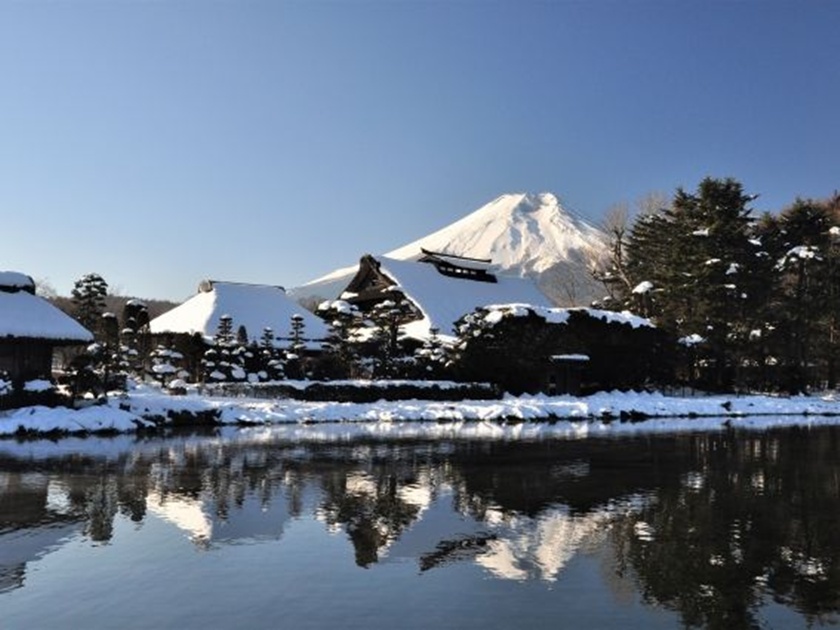
Make it a winter classic: soak at a Fuji-view onsen, drop by Oshino Hakkai (often included on tours), or stay overnight for sunrise Fuji views the next morning.
Frequently Asked Questions (FAQs)
Cold Air, Hot Show
Hot cocoa in your hands, snow crunching underfoot, and a 20-minute burst of color over Fuji, what’s not to love? Make it effortless with a guided coach and a guaranteed spot.