Autumn in Japan: The Ultimate Seasonal Guide

Plan the perfect fall trip with peak foliage dates by region, the best viewing spots, weather and packing tips, signature festivals, seasonal foods, and ready-made itineraries. Save this hub and jump to the cluster guides for deeper planning.
Autumn vs. Spring, Summer & Winter
At-a-Glance
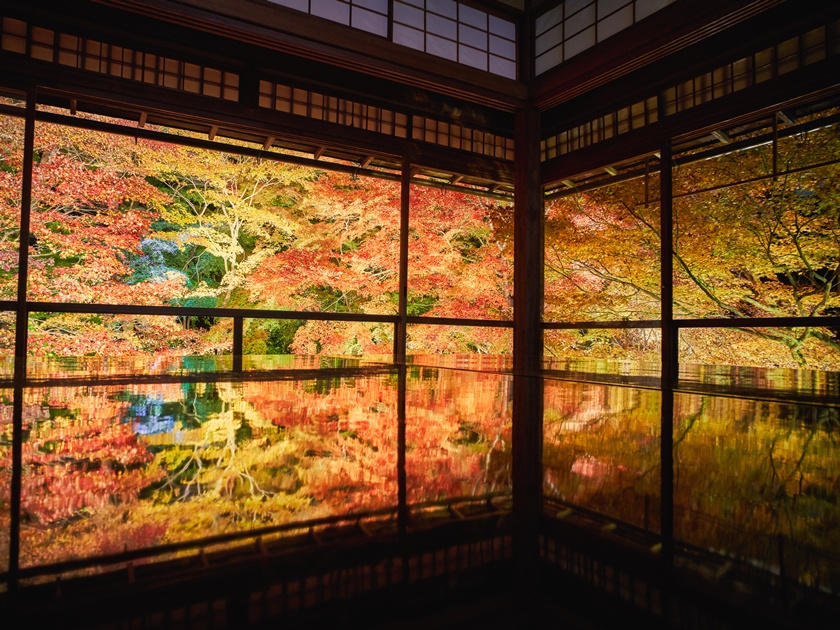
- Peak season: Late September (Hokkaido highlands) → Early December (Western Honshu lowlands/Kyushu)
- Top classics: Kyoto’s temple light-ups, Nikkō’s lakes and gorges, the Japan Alps, Miyajima’s Momijidani Park
- Weather vibe: Warm early fall → crisp, dry late fall; layers are your friend
- Don’t miss: Evening illuminations (Tokyo Autumn Tours / Japan-wide Fall Foliage Collection), harvest festivals, matsutake dishes, hiyaoroshi sake
- Essentials: Book stays early, especially weekends and light-up nights; consider regional rail passes
Bestselling Autumn Tours in Japan

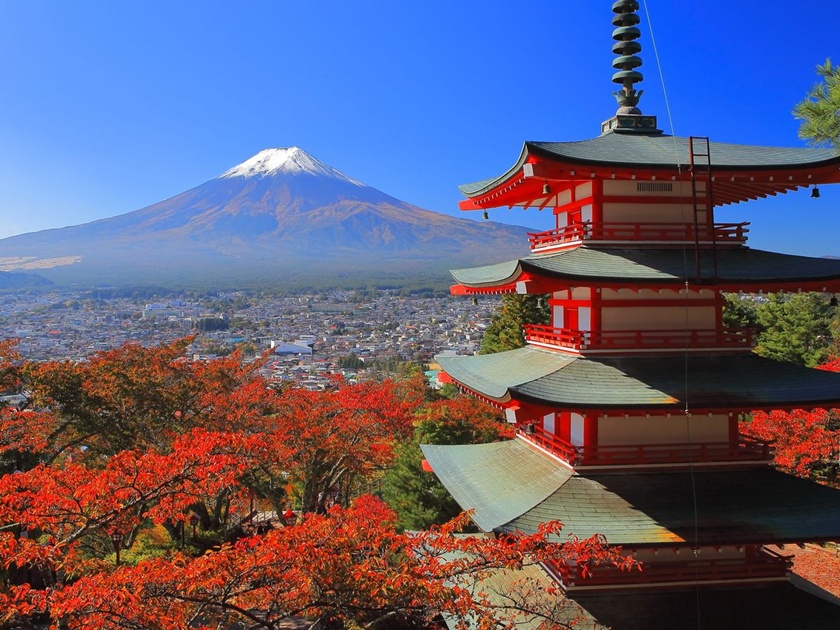
Best Time to Visit for Fall Colors (Month-by-Month)
Late September – Early October
- Where it starts: Hokkaido highlands (e.g., Daisetsuzan National Park), Sounkyō Gorge, Jōzankei onsen area
- Why go now: Alpine reds and golds arrive first; cool, clear air and fewer crowds
Mid – Late October
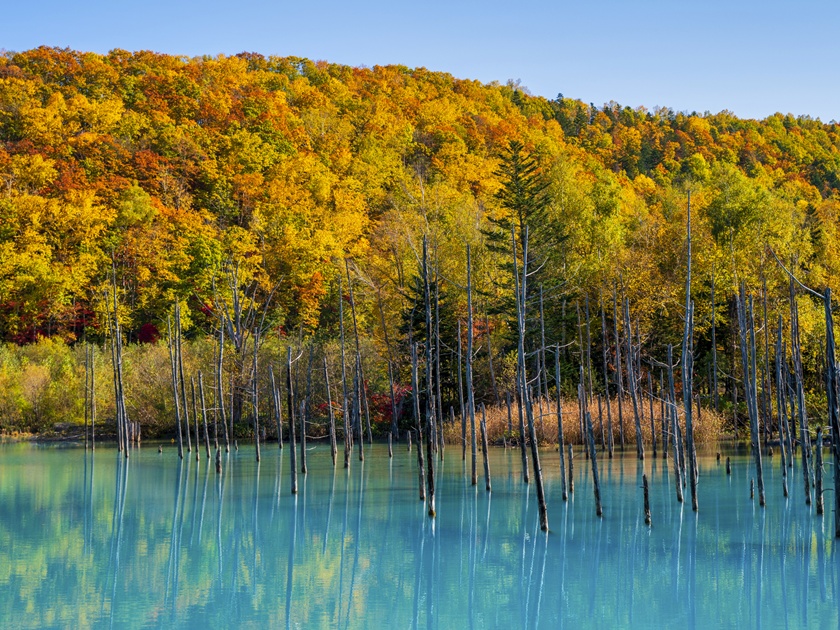
- Tohoku & the Alps: Oirase Gorge & Lake Towada, Naruko Gorge, Zao, Kakunodate; Japan Alps routes like Tateyama Kurobe and Kamikōchi
- Travel tip: Expect earlier peaks at altitude; city centers follow 1–3 weeks later
Early – Mid November
- Kansai & Chūbu foothills: Kyoto’s northern hills (Kibune/Kurama), Arashiyama outskirts; Takayama & the Kiso Valley
- City breaks: Early color touches in Tokyo’s larger parks and gardens
Mid – Late November
- Urban icons: Kyoto city temples (Eikan-dō, Tōfuku-ji), Nara Park, Osaka parks; Tokyo gardens like Rikugi-en and Koishikawa Kōrakuen
- Must-do: Nighttime “light-ups” (evening illuminations) at temples/gardens (Kyoto Autumn Spots / Tokyo Autumn Tours)
Late November – Early December
- Lingering color: Western Honshu lowlands, Shikoku valleys, Northern Kyushu hills; Kyoto/Uji/Nara often hold color into early December
- Crowd tip: Weekdays and morning entries help you dodge lines
Rule of thumb: The higher and farther north you go, the earlier the peak. Mountain passes can turn a full month before coastal cities.
When to See Autumn Leaves (By Region)
| Region / Example Areas | Usual Foliage Window | Notes |
| Hokkaidō (Daisetsuzan, Sapporo) | Late Sep – Oct | Japan’s earliest color; mountains turn first. |
| Tōhoku (Aomori, Akita, Iwate) | Early – Late Oct | Gorges and lakes (e.g., Oirase) shine. |
| Kantō (Tokyo, Nikko) | Mid Nov – Early Dec | Tokyo’s ginkgo avenues peak late Nov; Nikko peaks earlier (Oct–early Nov). |
| Chūbu / Japanese Alps (Nagano, Kamikōchi; Fuji Five Lakes, Hakone) | Late Oct – Mid Nov | Elevation is everything; valleys lag behind ridgelines. |
| Kansai (Kyoto, Nara, Osaka) | Late Nov – Early Dec | Maples at Kyoto temples are iconic; book lodging early. |
| Chūgoku / Shikoku (Hiroshima, Miyajima; Iya Valley) | Late Nov – Early Dec | Sea-level spots run later than mountain passes. |
| Kyūshū (Fukuoka, Kuju Mountains) | Late Nov – Early Dec | Highlands color first, cities later. |
Pro tip: If your trip overlaps shoulder periods (late Oct or early Dec), anchor plans in areas with varied elevation so you can “chase” color within a small radius.
Weather & What to Pack
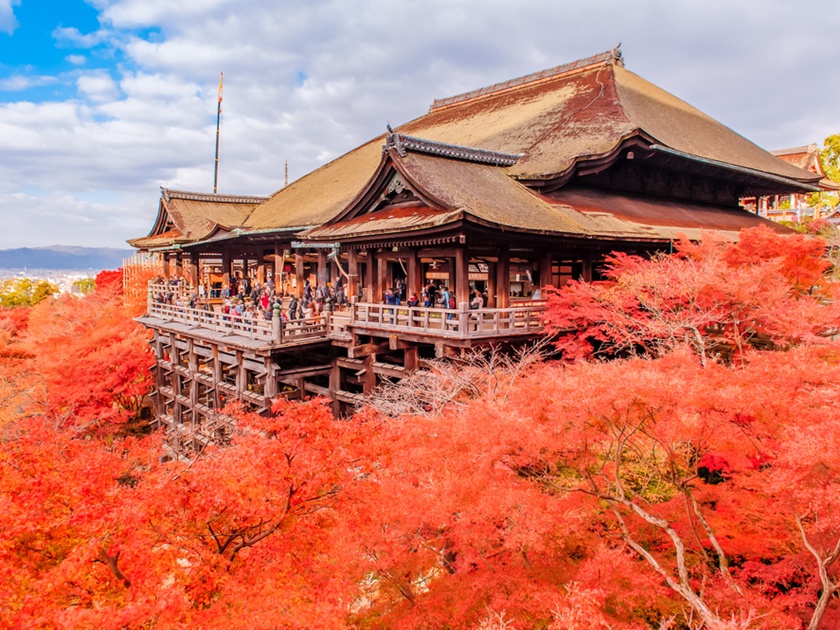
Weather snapshot
- September: Warm with lingering humidity; higher typhoon risk early in the month. Great for Hokkaidō/Alps.
- October: Noticeably cooler and drier; ideal for hiking and city walks.
- November: Crisp days, cool nights; Tokyo/Kyoto at their best. Lower rainfall on average.
What to wear/bring
- Layers: breathable base + light sweater/fleece; pack a warm layer for evenings and mountain areas.
- Shell: compact waterproof jacket (especially late Sep–Oct).
- Footwear: cushioned walking shoes or light hikers; temples and gardens mean steps and gravel.
- Odds & ends: compact umbrella, thin gloves (late season), camera rain cover, portable charger.
Typhoon & rain planning
Front-load outdoor sights in clearer windows and keep Plan B museums/indoor experiences handy. Rail networks bounce back quickly, but build wiggle room into transit days in late Sep/early Oct.
Autumn Festivals to Plan Around
These marquee events have fixed dates most years, making them easy anchors:
- Nagasaki Kunchi (Oct 7–9, Nagasaki): Bold, theatrical performances and dragon dances celebrating Suwa Shrine.
- Takayama Autumn Festival / Hachiman Matsuri (Oct 9–10, Gifu): Ornate floats (yatai), mechanical dolls, and lantern-lit processions.
- Jidai Matsuri (Oct 22, Kyoto): A grand historical parade from the Imperial Palace to Heian Shrine, featuring centuries of costumes.
Also look for regional harvest festivals, temple illuminations (Kyoto & Tokyo gardens often open at night), and local food fairs. If your dates miss the big three, you’ll still find neighborhood matsuri most weekends in October.
Seasonal Food & Drink

Autumn is Japan’s most delicious season—restaurants, izakaya, and depachika (department-store food halls) go all-in on harvest flavors:
- Sanma (Pacific saury): Salt-grilled with grated daikon and citrus—simple and perfect.
- Matsutake mushrooms: Earthy, aromatic; appear in dobin-mushi broth or grilled.
- Kuri (chestnut) sweets: Mont-blanc, kuri manju, and seasonal wagashi.
- Yaki-imo (roasted sweet potato): Street-cart staple; caramelized and comforting.
- Kabocha (Japanese pumpkin): Tempura, nimono (simmered), and croquettes.
- Shinmai (new-crop rice): Fragrant, slightly sticky; look for labels in autumn.
- Seasonal sake: Hiyaoroshi (autumn-released) is smoother and rounder—great with grilled fish and mushrooms.
Where to try everything in one go: depachika tasting laps, food stalls at festivals, and casual izakaya “today’s recommendations” boards.
Crowds, Costs, & Logistics
- Crowds: Autumn is popular, especially late November in Kyoto and Tokyo. Expect lines at top temples and gardens during peak weekends and illumination evenings.
- Booking: Reserve Kyoto/Tokyo hotels 3–4 months out for late Nov weekends; secure shinkansen seat reservations if your trip overlaps a peak Friday–Sunday.
- Pricing: Typically lower than cherry-blossom weeks, but higher than shoulder or winter value periods. Early October and early December can be easier on the wallet than the last two weeks of November.
- Transit: Trains run frequently; foliage hotspots near cities (e.g., Mount Takao, Nikkō) can be busy—go early morning or late afternoon.
Suggested Autumn Itineraries
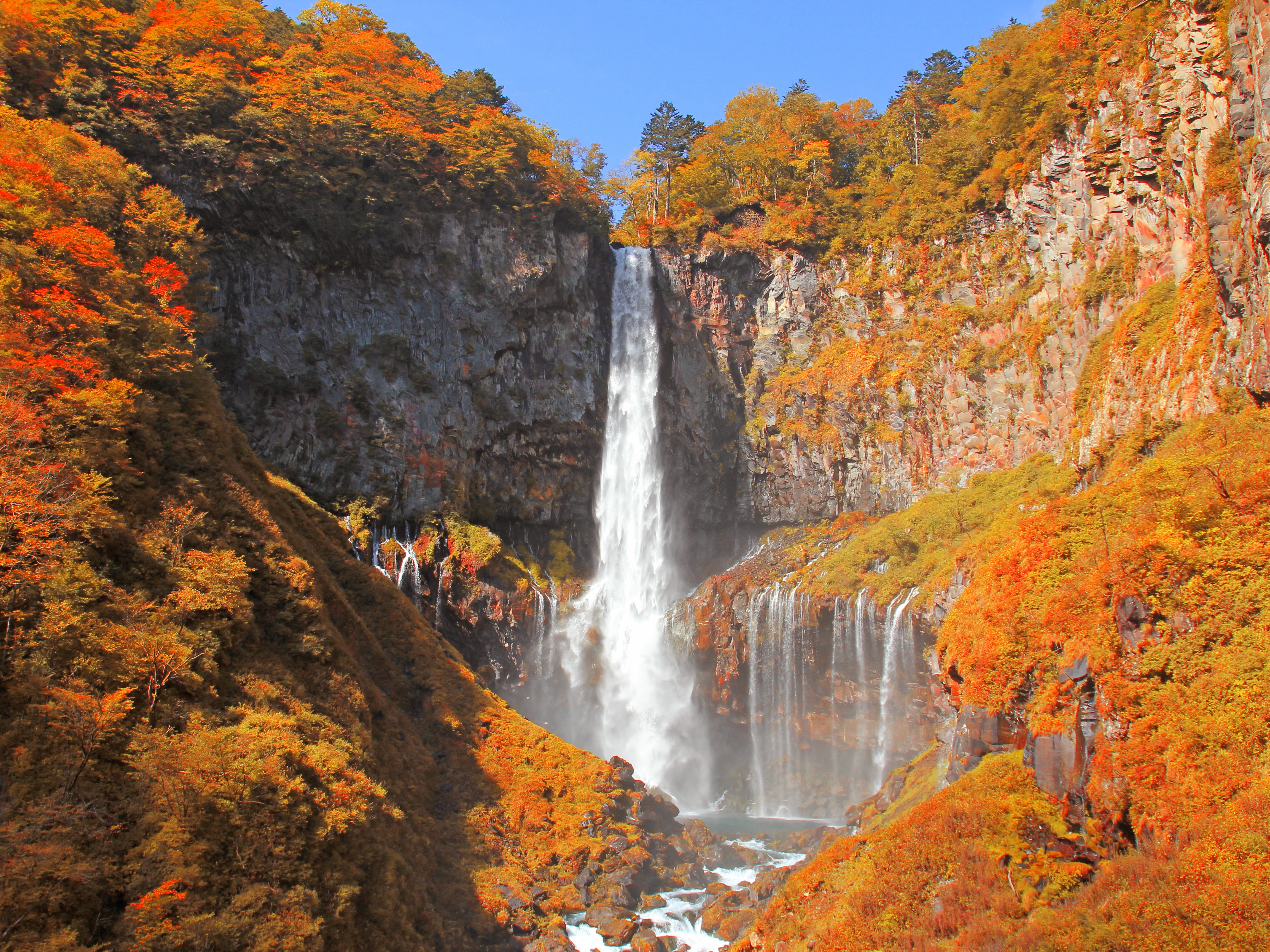
7 Days — First-Timer Highlights (Late Nov Target)
Tokyo (3 nights) → Hakone or Fuji Five Lakes (1 night) → Kyoto (3 nights)
- Tokyo: Meiji Jingu Gaien ginkgo avenue, Rikugien night lights, Asakusa + Sumida cruise (Tokyo Autumn Tours / Things to Do in Tokyo).
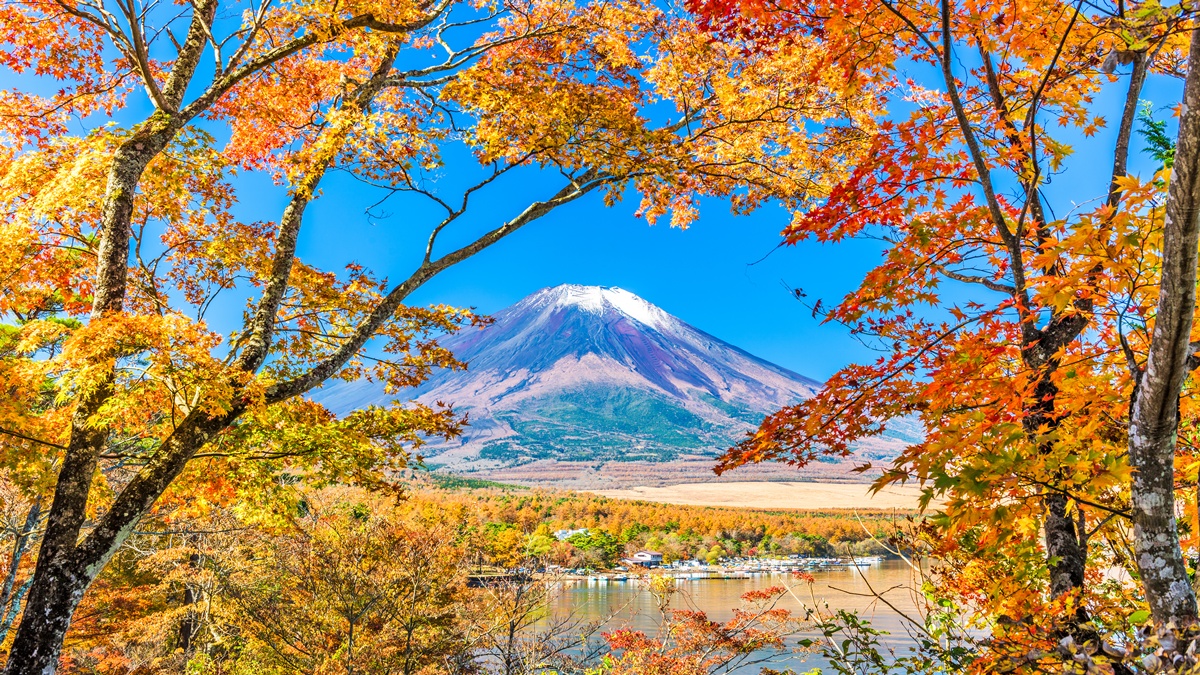
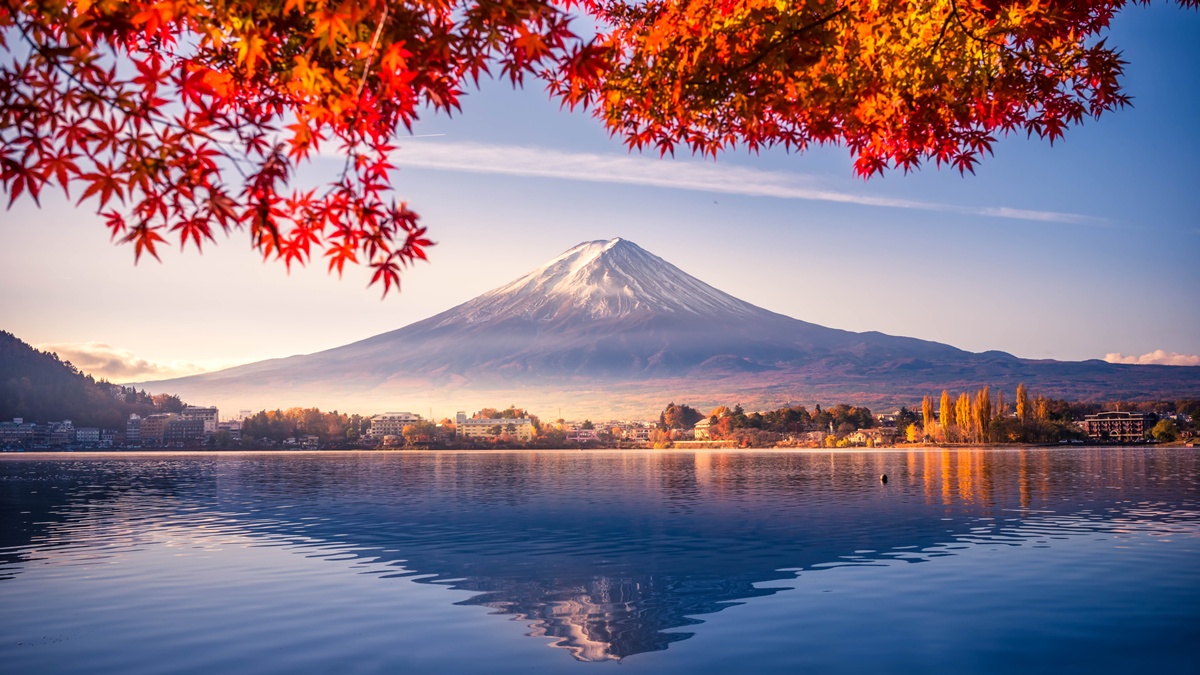
- Hakone/Fuji Five Lakes: Lake views with color and (weather-permitting) Fuji. Onsen stay (Kawaguchiko Autumn Collection)
- Kyoto: Eikandō & Tōfuku-ji (crowd-aware timing), Arashiyama bamboo & Tenryū-ji gardens, evening illumination (Sagano Romantic Train Ticket / Sagano Train + Hozugawa Boat Ride / Kyoto Autumn Spots).
10 Days — Foliage Chaser (Late Oct–Mid Nov)
Hokkaidō or Tōhoku (4) → Tokyo (2) → Nikkō (1) → Kyoto (3)
Start north (Daisetsuzan or Oirase Gorge) while the colors are earlier, then ride the “foliage wave” south (Tokyo Autumn Tours)
14 Days — Festivals + Leaves (October Focus)
Kyūshū (Nagasaki Kunchi) → Hida-Takayama (Oct 9–10) → Kyoto (Oct 22) → Japanese Alps → Tokyo
Stitch fixed-date festivals together, padding 1–2 flex days between hops.
- Family variant: Swap long hikes for ropeways (Hakone, Shinhotaka), add kid-friendly science museums or aquariums on potential rain days.
- Foodie variant: Book a kaiseki in Kyoto and a market tour in Tokyo/Osaka; hunt seasonal sake bars.
Practical Tips

- Go early or go late: Sunrise and late-day light are best for photos and fewer people.
- Use elevation to your advantage: If a city is past peak, nearby hills or higher parks may still be glowing.
- Check local illumination hours: Many gardens open for special night viewing—arrive 30–45 minutes before gates to queue efficiently.
- Temple etiquette: Dress modestly, be mindful of tripods, and follow posted paths—guards enforce one-way flows at peak spots.
- Contingency planning: Keep one “floater” day to reshuffle around weather; trains and buses make last-minute pivots easy.
Maple Drip, Zero Skip
Japan in autumn is the main character energy: golden ginkgo, crispy temps, festival drip, and foodie side quests galore. Lock your dates, snag those shinkansen seats, and let us plot the leaf-chasing route (plus the snack stops). Tap in, tell us your vibe (photo ops? foodie crawl? comfy-core onsens?), and we’ll turn your “maybe” into the most aesthetic yes of the year. Let’s go koyo, frens.