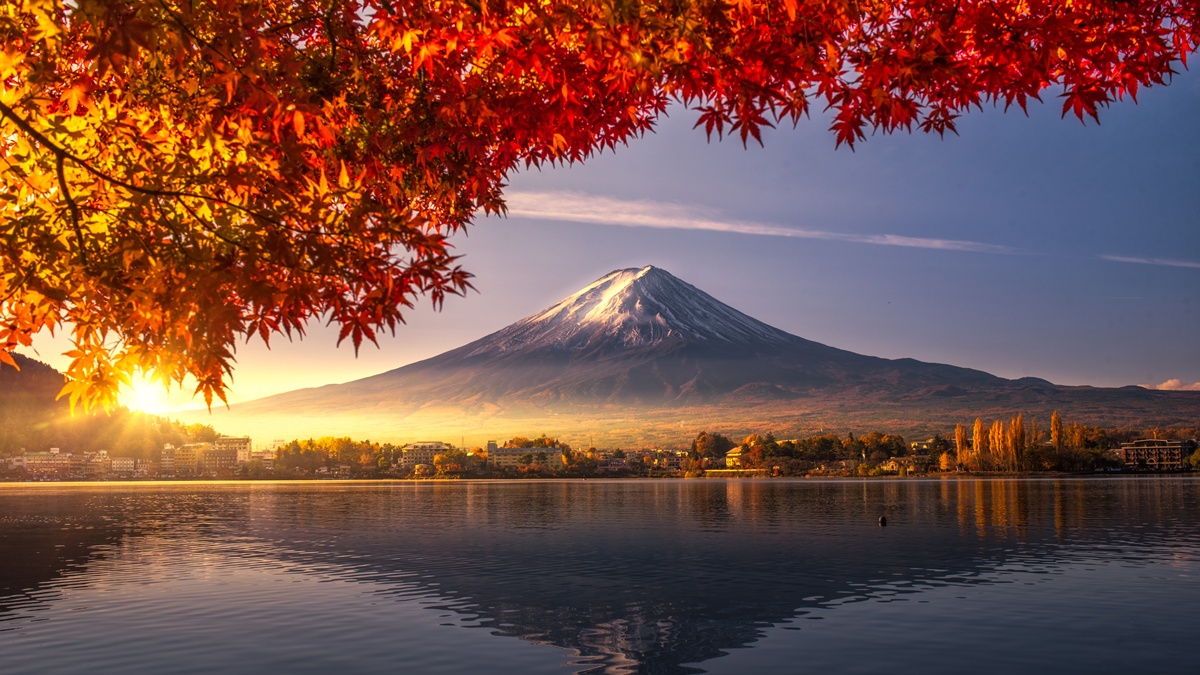
Japan Fall Colors Photography Guide (2025): Iconic Instagram Spots, Best Times, and Pro Tips

From golden ginkgo avenues in Tokyo to crimson maple valleys in Kyoto, Japan’s koyo (autumn foliage) season is a dream for photographers and Instagrammers. This guide gives you exact vantage points, best times of day, lens and filter suggestions, and crowd-beating strategies—plus sample itineraries you can copy-paste into your plans.
When to Shoot Fall Colors in Japan (By Region & Elevation)
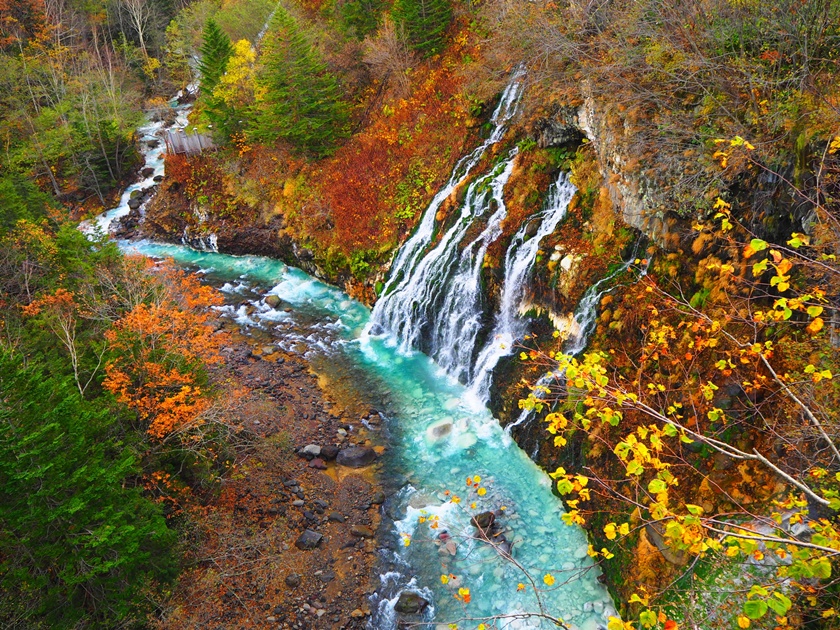
Season at a glance: Fall colors typically progress north to south and high to low elevation from late September through mid-December.
- Hokkaido: late September–October (first wave of color in Japan).
- Tohoku (Aomori, Akita, Iwate, etc.): early–late October depending on altitude.
- Kanto (Tokyo, Nikko): late October–late November (Tokyo’s urban ginkgo often peaks mid–late November; Nikko runs earlier up in Okunikko, then descends).
- Chubu (Fuji Five Lakes, Japanese Alps): late October–mid-November (Kawaguchiko often mid-November).
- Kansai (Kyoto/Osaka/Nara): late November–early December, with many night illuminations at temples.
- Hokuriku/Chubu Alps (Kanazawa, Kurobe Gorge): late October–mid-November.
Pro tip: Elevation is everything. A 500–1,000 m change can shift the peak by 1–2 weeks. Use local live cams and daily updates a few days before you go.
Quick Gear & Lens Kit for Koyo Season
- Lenses:
- 16–35 mm (sweeping temple halls, corridors, gorges)
- 24–70 mm (walk-around street + landscape)
- 70–200 mm (compress layers, isolate pagodas through trees)
- 90–105 mm macro (leaf details, moss, rain-bead textures)
- Filters: Circular polarizer (deepen reds, cut glare on wet leaves/water), 3-stop ND (silky waterfalls), 6–10 stop ND for daylight long exposures if you love motion blur.
- Support: Lightweight travel tripod (where allowed), mini clamp or Platypod alternative for places that restrict tripods, remote/intervalometer.
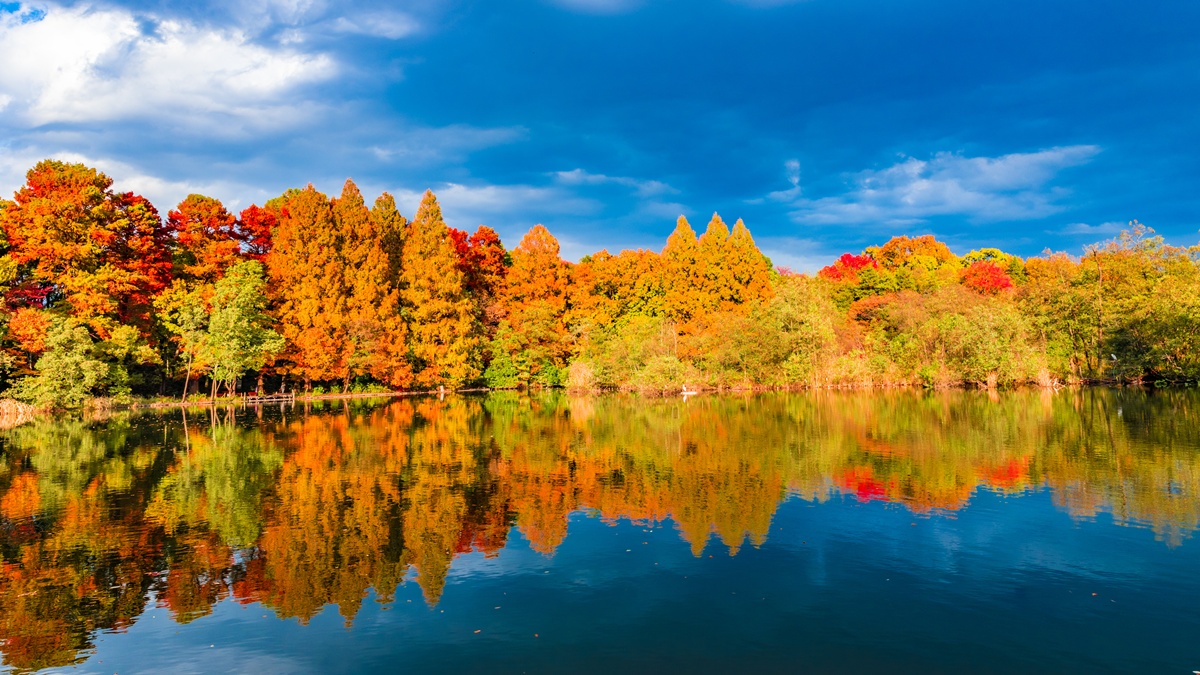
- Settings & light: Slight underexposure protects reds; backlighting makes leaves glow; overcast days = natural saturation; golden hour and blue hour add depth and mirror-like ponds.
Tokyo: Golden Ginkgo & Garden Frames (peak: mid–late November)

1) Meiji Jingu Gaien Ginkgo Avenue (Aoyama)
- Why shoot: Iconic 300 m corridor of symmetrical ginkgos that turn brilliant gold.
- Vantage points:
- Centerline facing the Meiji Memorial Picture Gallery for a strong vanishing point.
- Low angle with a 24–70 mm lens to exaggerate the canopy arch.
- Best time: Late afternoon to sunset for warm side light; weekday mornings for fewer people.
- Lens call: 24–70 mm; 70–200 mm to compress the rows.
2) Shinjuku Gyoen National Garden
- Why shoot: Mixed species (maple + ginkgo) with skyline accents.
- Vantage points: Bridges over the ponds; maple branches framing NTT Docomo Tower from the lawns.
- Notes: Tripods and commercial shoots are often restricted during busy seasons—pack light and check the day’s guidance.
- Lens call: 16–35 mm for ponds; 70–200 mm for layering trees against the skyline.
3) Rikugien & Koishikawa Korakuen
- Why shoot: Classic Edo-style landscapes—arched bridges, reflective ponds, and crimson islands.
- Best time: Blue hour for mirror reflections and occasional illumination events.
- Lens call: 24–70 mm; CPL for glare control.
Kyoto: Temples, Bridges & Night Illuminations (peak: late November–early December)
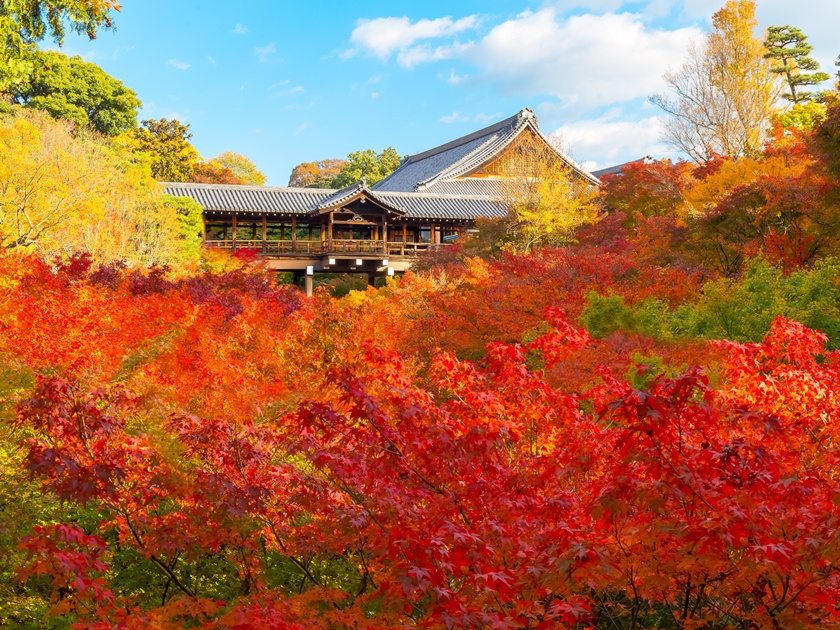
1) Tōfuku-ji & Tsūtenkyō Bridge
- Why shoot: A maple-filled ravine beneath elegant wooden bridges.
- Vantage points:
- From Gaunkyo Bridge looking toward Tsūtenkyō with a 100–200 mm lens to compress layered reds.
- Side paths for diagonals of the bridge + canopy.
- Best time: Gate opening (arrive 30–45 min early) or late afternoon on weekdays.
- Notes: Seasonal crowd control and occasional photo restrictions—obey posted staff guidance.
2) Eikandō (Zenrin-ji) Night Illumination
- Why shoot: Pagoda above a calm pond with luminous maples reflected.
- Vantage points: Lakeside railing for symmetrical reflections; uphill path for a pagoda-through-leaves frame.
- Best time: Early in the evening or last entry.
- Lens call: Fast primes (35/50/85) at f/1.4–2; carry a small beanbag for stabilizing on railings (tripods often restricted).
3) Kiyomizu-dera Light-Up
- Why shoot: The famous wooden stage floating above a sea of maples, plus a blue “mercy” beam cutting the sky.
- Vantage points:
- Aketa-no-Mori viewpoint for the stage set within foliage.
- Long lens from the Okunoin side for intimate stage-through-leaves.
- Best time: Blue hour into night.
- Lens call: 16–35 mm and 70–200 mm.
Crowd strategy for Kyoto:
- Book timed entries where available.
- Go at opening or near last entry; avoid weekends/holidays.
- Bring a fast prime and shoot at higher ISOs—moving slow with a big tripod won’t fly.
Mt. Fuji & Fuji Five Lakes (Kawaguchiko): Maple Corridors + Fuji
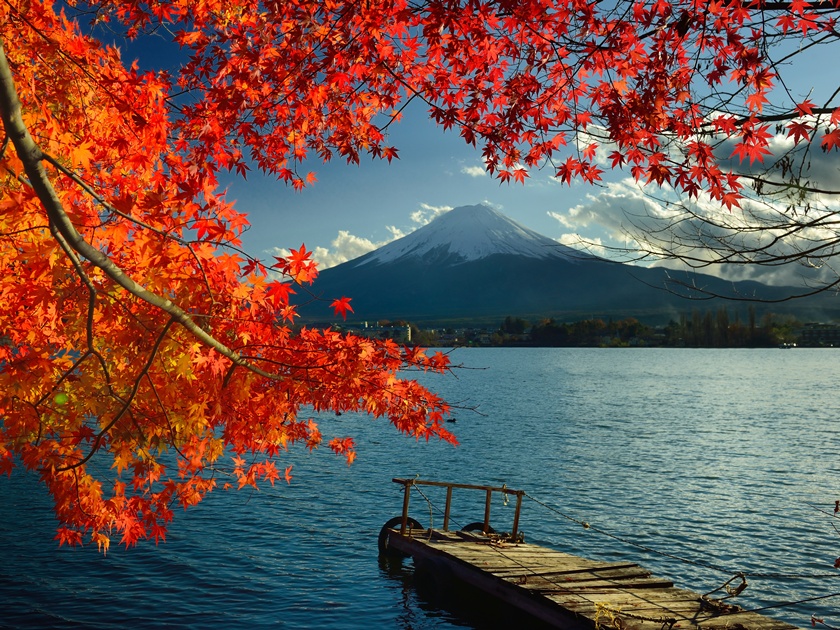
Lake Kawaguchi – Maple Corridor (Momiji Kairo)
- Why shoot: Tunnel-like maple walkway with night illuminations and occasional Fuji alignments nearby.
- Vantage points:
- Inside the corridor for a glowing tunnel shot (24–35 mm).
- Riverside angles with Fuji in the distance near Oishi Park or Nagaike Shore (24–70 mm).
- Tele crops of Fuji’s reflection from calm water in early morning (70–200 mm).
- Best time: Often mid-November; mornings for Fuji (less haze), evenings for illuminated leaves.
- Lens call: 24–70 mm + 70–200 mm; CPL for reflective creeks.
Nikko & Tochigi: Waterfalls, Lakes & Mountain Roads
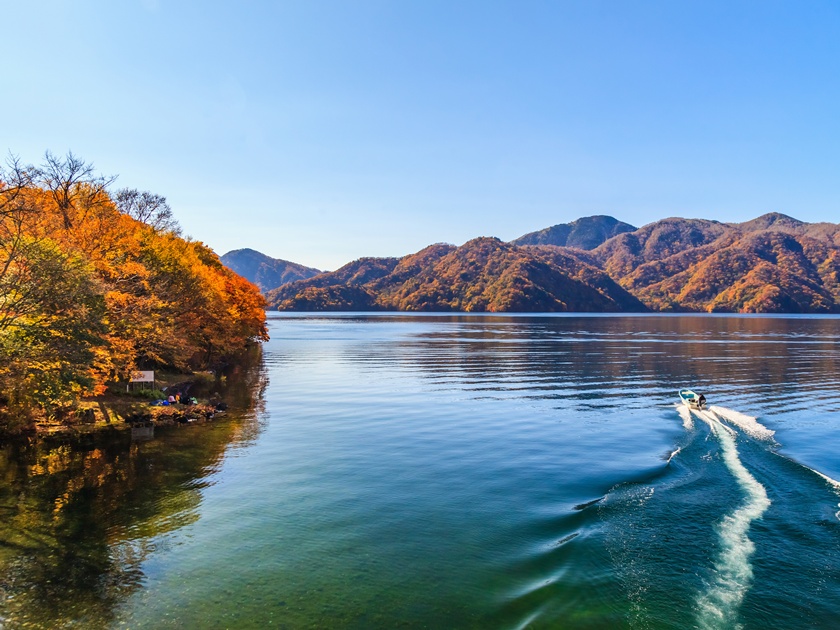
Staggered peak by altitude:
- Okunikko: early October
- Lake Chuzenji: mid-October
- Irohazaka Winding Road: late October
- Nikko town: early November
Top shots & how:
Irohazaka Winding Road
- Why shoot: Overlooks with S-curves of switchbacks amid color—great for car-light trails after sunset.
- How: 70–200 mm from viewpoint; 10–20 sec shutter at dusk for trails; ND if shooting before dark.
Kegon Falls & Lake Chuzenji
- Why shoot: Tall waterfall framed by maples and volcanic cliffs; fog adds mood.
- How: CPL + 3-stop ND for 1/4–1 sec to blur water; microfiber cloth for mist.
Tohoku & Hokkaido (Early Color, Wide Landscapes)
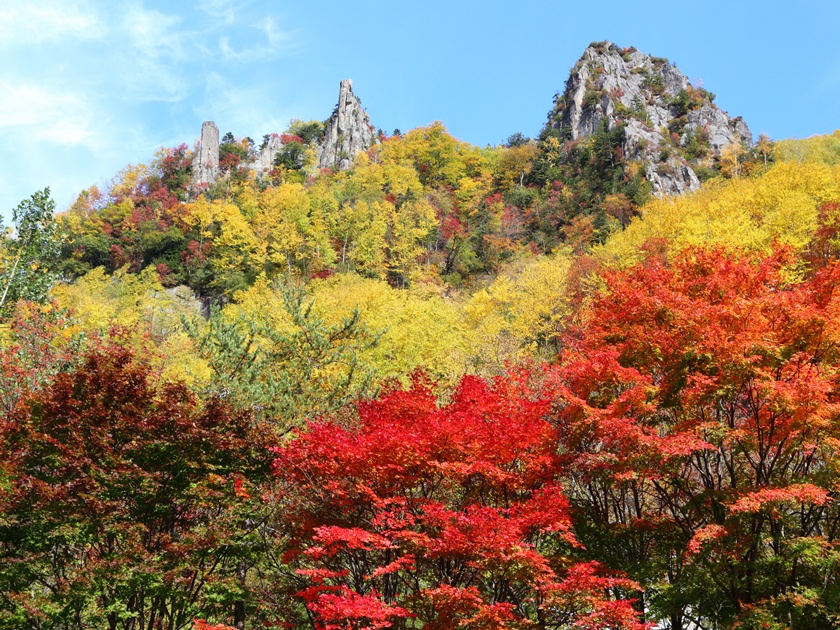
- Hokkaido: Daisetsuzan’s high plateaus and Jozankei near Sapporo light up late Sep–Oct. Wide-angle vistas, early frosts, and big-sky days.
- Tohoku: Oirase Gorge (mossy cascades) and Naruko Gorge (bridge + canyon) are October standouts. Bring ND for silky streams and a macro for leaves on wet rocks.
Kansai Beyond Kyoto: Nara, Osaka & Koyasan
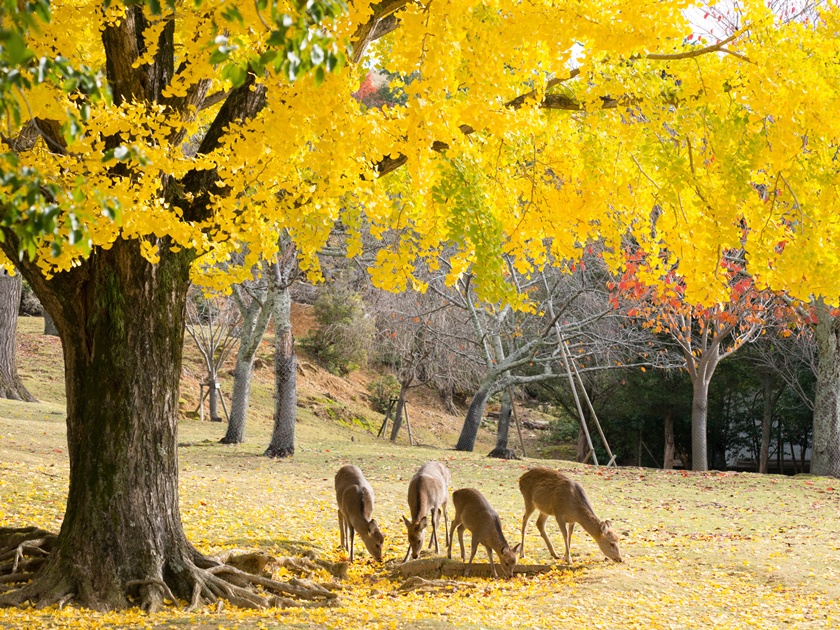
- Nara Park: Deer among maples—arrive at sunrise for mist and backlit breath on cold mornings; 70–200 mm for portraits.
- Osaka Castle Park: Castle rising above moats with colorful banks; blue hour reflections are superb (24–70 mm + CPL).
- Koyasan: Temple precincts in cedar forests with pops of maple; shoot soft, diffused light after rain.
Hokuriku & Chubu: Kanazawa, Shirakawa-go & Alpine Valleys
- Kenrokuen (Kanazawa): Stone lanterns, footbridges, and still ponds—classic reflections on windless mornings.
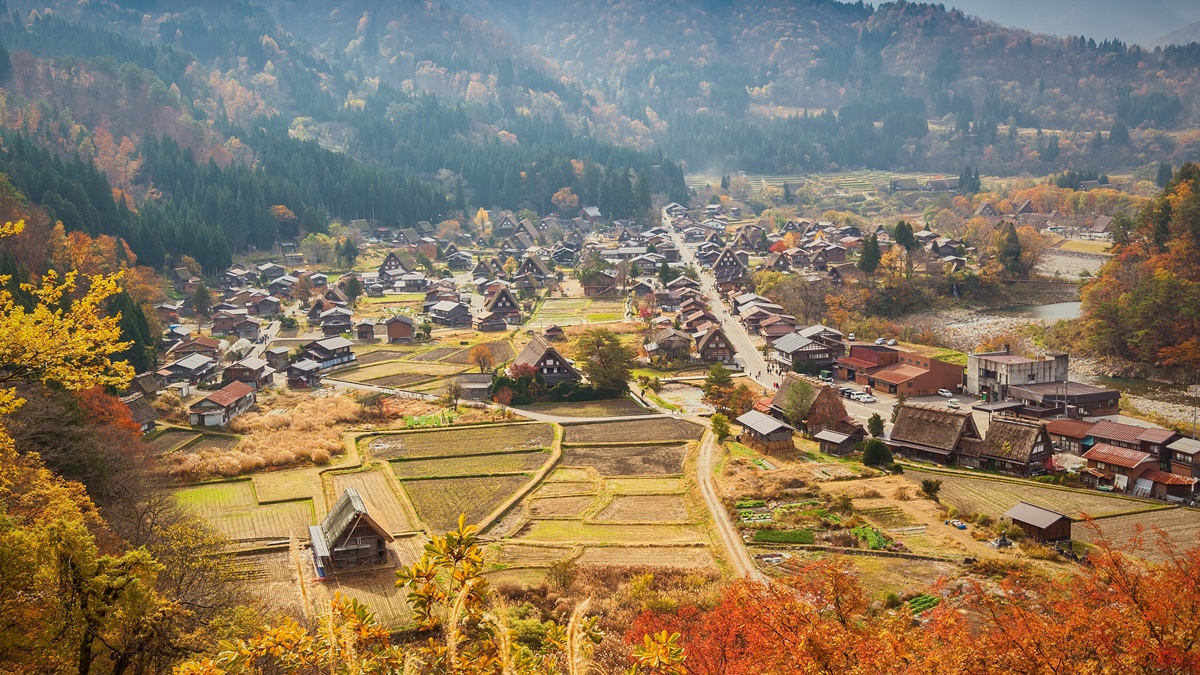
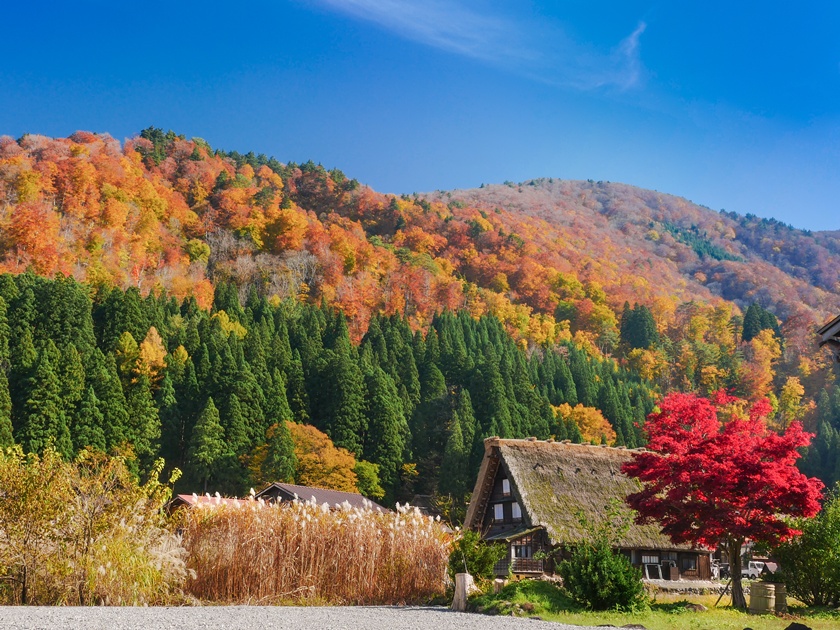
- Shirakawa-go: Thatched gassho farmhouses set against hillsides of color. Use a 70–200 mm lens from the Tenshukaku viewpoint to compress rooftops.
- Kurobe Gorge / Alpine valleys: Trains and bridges over emerald rivers; pack an ND and shoot from open-air cars or station platforms.
Crowd-Beating Strategies, Rules & Etiquette
- Go off-peak: Sunrise, weekday nights, or the first/last hour of illumination events.
- Scout & stack: Pin 2–3 nearby fallbacks per stop; if the main spot is slammed, you’re not stuck.
- Tripods & sticks: Expect many urban parks and temples to limit tripods, light stands, and selfie sticks during peak. Bring a mini clamp, tabletop tripod, or use stable surfaces.
- Permits & courtesy: Commercial shoots and drone flights are typically prohibited without permits; follow posted signs, stay off raked gravel, and don’t block paths.
- Weather backups: On rainy days, colors saturate—embrace it; protect gear with a rain cover and keep a dry microfiber handy.
Shoot Your Shot
Pack your CPL, chase that golden hour, and let maple reds and ginkgo gold turn your grid into main-character energy. Hit the iconic spots, slip into the quiet lanes when crowds pop off, and shoot wide, tight, and macro to tell the whole story. Stay nimble, respect the rules, and let the leaves do the flexing; your camera just has to keep up.