Lake Shikotsu Ice Walk: Blue Ice Adventure in Hokkaido

In the depths of Hokkaido winter, Lake Shikotsu feels like a hidden Arctic lagoon, with snow-draped shores, sharp volcanic peaks, and crystal-clear “Shikotsu Blue” water on one of Japan’s deepest and clearest caldera lakes. Most of the year it remains ice-free, but when the shallow edges freeze, you can join a Lake Shikotsu Ice Walk—a winter “marine sport” where you walk, slide, and even float on the semi-frozen lake in a full dry suit, then pair it with a sunrise trek above a sea of clouds on nearby Mt. Tarumae for one of Hokkaido’s most unique winter days out.
Why Lake Shikotsu Is Perfect for a Winter Escape
A Crystal-Clear Caldera in Shikotsu-Toya National Park
Lake Shikotsu sits in southern Hokkaido, about 40–50 minutes from New Chitose Airport and around 1–1.5 hours from Sapporo by car.
Key facts for your travel planning:
- Type: Caldera lake in Shikotsu-Toya National Park
- Depth: Average 265 m, maximum around 360–363 m (Japan’s second-deepest lake)
- Water clarity: Extremely clear, thanks to low nutrient levels—this is the famous “Shikotsu Blue”
- Surroundings: Encircled by volcanoes, including Mt. Tarumae and Mt. Fuppushi, with forests and hot spring resorts along the shore
The combination of deep blue water, snow-covered beaches, and volcanic ridgelines makes winter here feel both wild and surprisingly accessible.
A Rare Chance to Play on a Semi-Frozen Lake
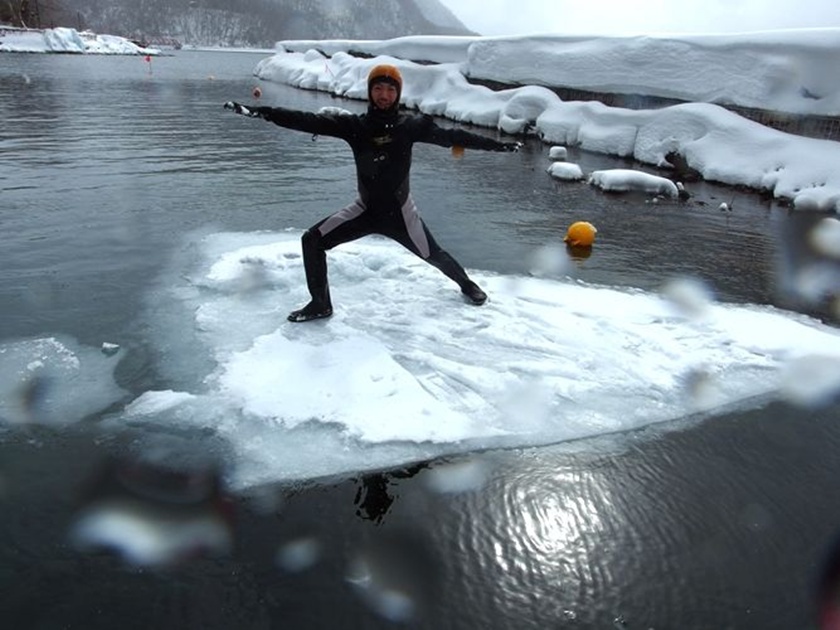
Because Lake Shikotsu rarely freezes over completely, standing and floating on its surface is a rare treat. In mid-winter, when cold snaps lock the shallow edges into ice, local guides set up ice walks on safe sections of the shore.
Instead of traditional skating, you:
- Zip into a full dry suit.
- Walk and jump on the ice plates.
- Slip into openings to float in the icy water while staying warm and dry.
- Pose for surreal photos surrounded by snow and crystal-clear water.
It’s part winter sport, part photo shoot, and part “I can’t believe I’m doing this” bucket-list moment.
What Is the Lake Shikotsu Ice Walk Experience?
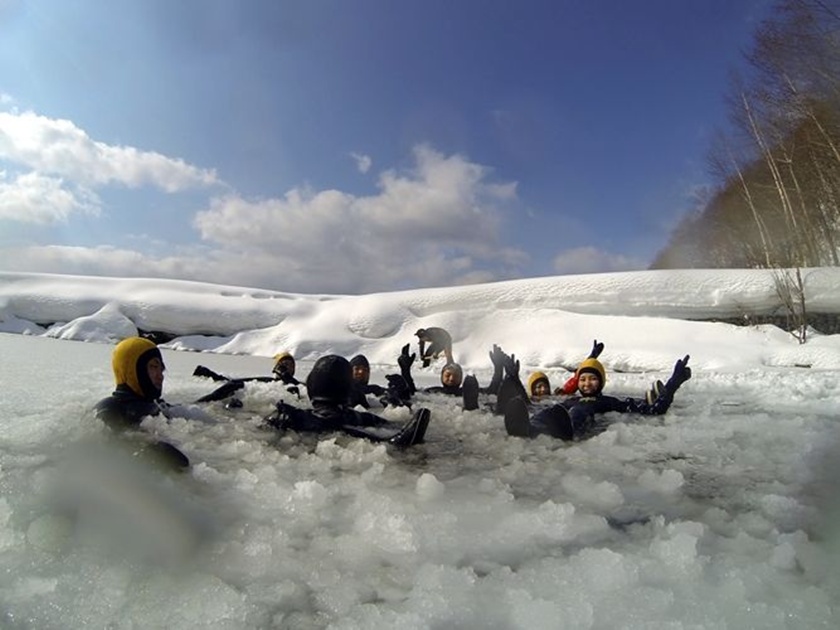
A New-Style Winter “Marine Sport”
On a typical Lake Shikotsu ice walk, you’ll meet your guides near Lake Shikotsu Onsen. After a quick briefing, they help you change into insulated dry suits specially designed to keep water out and warmth in.
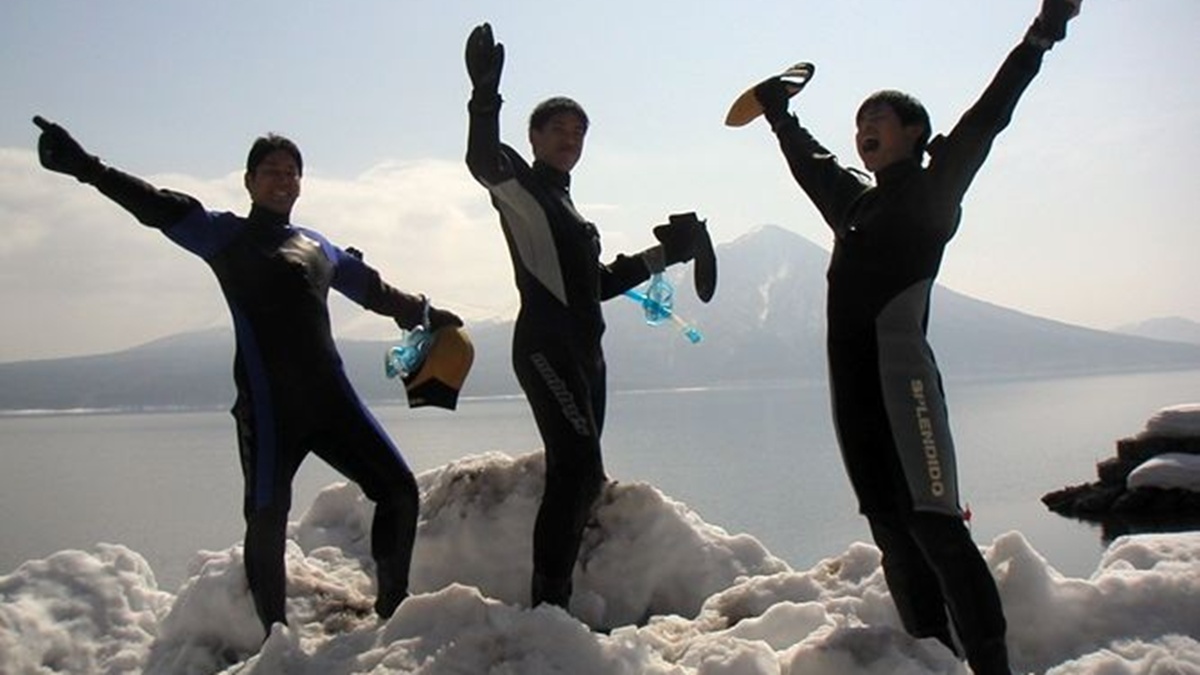
Once you’re suited up, you head down to the lakeshore, where the shallow sections have frozen into shifting plates of ice. Under the watchful eye of your guide, you can:
- Stomp and slide on the ice to hear it crack and vibrate
- Lie down and float in openings between the ice plates
- Jump into snow drifts and roll around without getting soaked
- Take unforgettable photos of yourself “swimming” in a semi-frozen lake
Because the dry suit is buoyant, you float easily, and the guides keep you in a controlled, shallow area close to shore.
Tour Basics (What to Expect)
While exact details can vary by operator and year, many Lake Shikotsu ice walk tours include:
- Duration: Around 2–3 hours total (changing, briefing, and on-ice time)
- Season: Generally mid-winter (January–March) when ice forms along the shoreline (actual dates vary with weather)
- Location: Lake Shikotsu Onsen area, within Shikotsu-Toya National Park
- Included gear: Full dry suit, gloves, hood, boots, and safety equipment
- Who can join: Usually from around age 6 and up, depending on height and suit size
No swimming ability is required—dry suits provide strong buoyancy, and the depth where you play is controlled.
Best Time to Visit for a Lake Shikotsu Ice Walk
Ice Walk Season & Conditions
- Peak months: Generally January to March, sometimes into April if conditions are cold enough.
- Weather dependent: Tours only operate when guides judge ice conditions to be safe; schedules can change at short notice.
Because Lake Shikotsu doesn’t fully freeze, think of the ice walk as a special bonus of particularly cold days rather than a guaranteed event. Booking with a reputable operator means you’ll be notified if conditions aren’t right.
Temperature & Daylight
- Winter daytime temperatures often hover between –5°C and –10°C (23°F to 14°F), and can feel colder with wind chill.
- Days are short, but the midday light can be beautiful for photos, with the sun low enough to cast golden light over the snow.
What to Wear and Bring
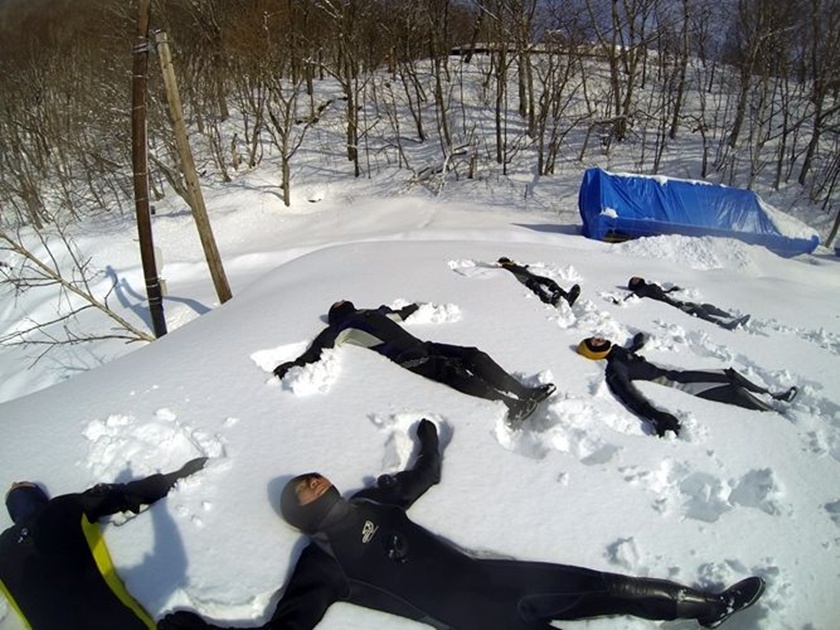
Layering Under Your Dry Suit
The dry suit keeps lake water out, but your own layers provide warmth. A good rule: dress as if you’re going sledding or skiing.
Recommended clothing:
- Thermal or moisture-wicking base layer (top and leggings)
- Fleece or wool mid-layer
- Thick, warm socks (bring a spare pair just in case)
- A thin beanie that can fit under the suit’s hood
- Optional thin glove liners if your hands get cold easily
Most tours provide a suit, gloves, a hood, and boots, but always double-check your booking confirmation.
Nice extras to pack:
- Small towel and a change of clothes
- Hand and toe warmers
- Lip balm and face moisturizer
- Waterproof phone case or action camera (if allowed)
How to Get to Lake Shikotsu
From New Chitose Airport
Lake Shikotsu is one of the easiest winter nature spots to reach straight from the airport:
- By car: Around 40–50 minutes from New Chitose Airport to Lake Shikotsu Onsen.
- By bus: Seasonal or scheduled buses may run between the airport/Chitose and the lake—check current timetables when planning.
This makes it a great first stop after landing or a final adventure before flying out.
From Sapporo
- By car: Roughly 1–1.5 hours from central Sapporo, depending on road conditions.
- By public transport: Some winter bus routes connect Sapporo with Lake Shikotsu Onsen; schedules can change each year.
Winter Driving Tips
If you rent a car in winter:
- Ensure it is equipped with winter tires
- Check road and weather conditions before setting out
- Allow extra travel time for snow and ice
If you’re not confident driving in snow, consider tours that include transfers or stick to buses and trains as much as possible.
Frequently Asked Questions (FAQs)
Catch Flights, Not Frostbite (Okay, Maybe a Little)
Trade doom-scrolling winter pics for the real thing: floating in “Shikotsu Blue” ice, chasing a sea of clouds at sunrise, and warming up in a lakeside onsen like it’s no big deal. Lock in your spot, build your ice-walk + unkai + onsen combo, and let Hokkaido be the winter flex you’ll be posting about all season.