Above the Sea of Clouds: Snowshoe Sunrise Trekking on Mt. Mokoto

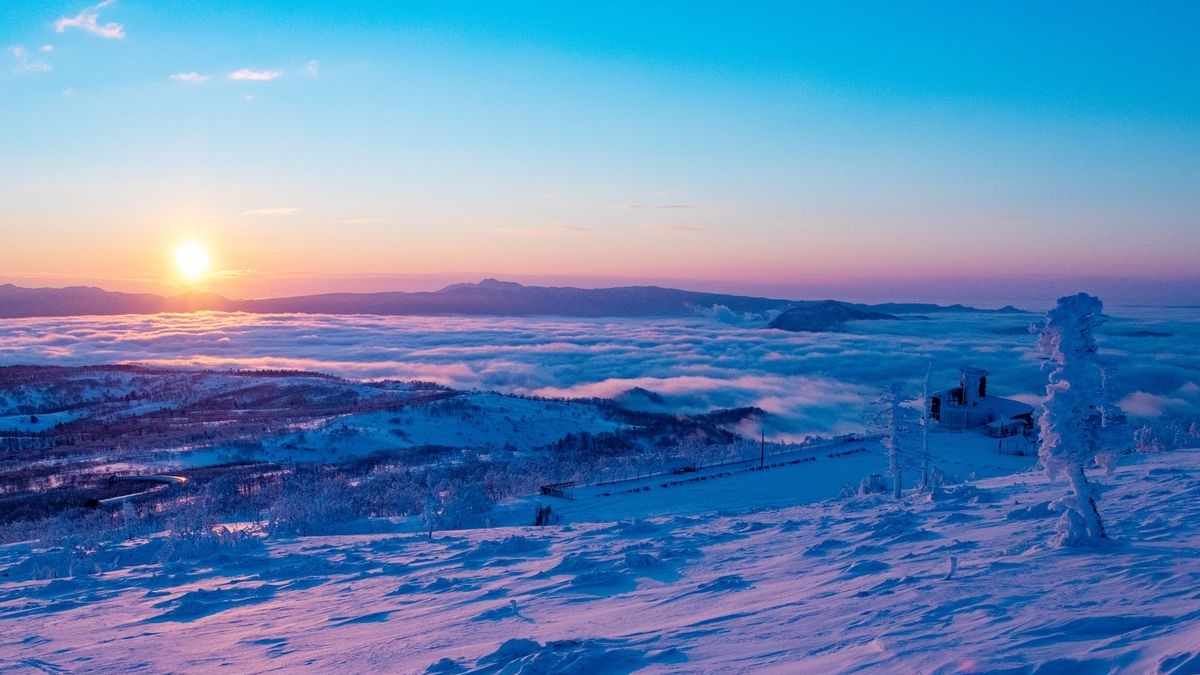
Picture this: it’s still dark when you step into the snow, your breath curling in the air as the first hint of pink creeps over the horizon. As you climb, frost-covered trees sparkle around you and, if the conditions are right, a soft white “sea of clouds” pools below, hiding Lake Kussharo like a secret world.
Why Mt. Mokoto at Sunrise?
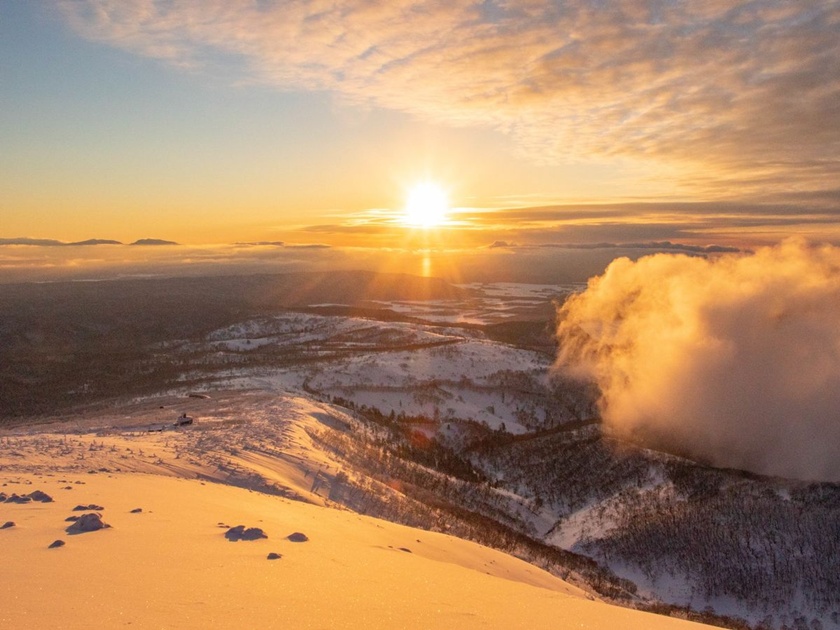
Mt. Mokoto (Mokotoyama) sits on the rim of Lake Kussharo, Japan’s largest caldera lake, which completely freezes over in winter. At roughly 1,000 meters, it’s the highest point on the Kussharo caldera and offers huge views of the lake and surrounding mountains. From the summit, you can see as far as four national parks—Akan-Mashu, Shiretoko, Kushiro Marshland, and Daisetsuzan—on a clear day. For an easy, guided way to experience this winter landscape, you can join the Snowshoe Sunrise Trekking in.
Highlights at a Glance
- Sunrise snowshoe trek to the ridge of Mt. Mokoto, timed to reach the viewpoint as the sun comes up.
- Chance to see a dramatic sea of clouds blanketing Lake Kussharo and the caldera, especially on calm, cold mornings.
- Panoramic views across Lake Kussharo and the surrounding volcanic terrain in Akan-Mashu National Park.
- Beginner-friendly snowshoe route with an English-speaking guide and included gear.
- Small-group experience (maximum 4 guests per booking) for a quieter, more personal adventure.
Where You Are: Eastern Hokkaido’s Caldera Country
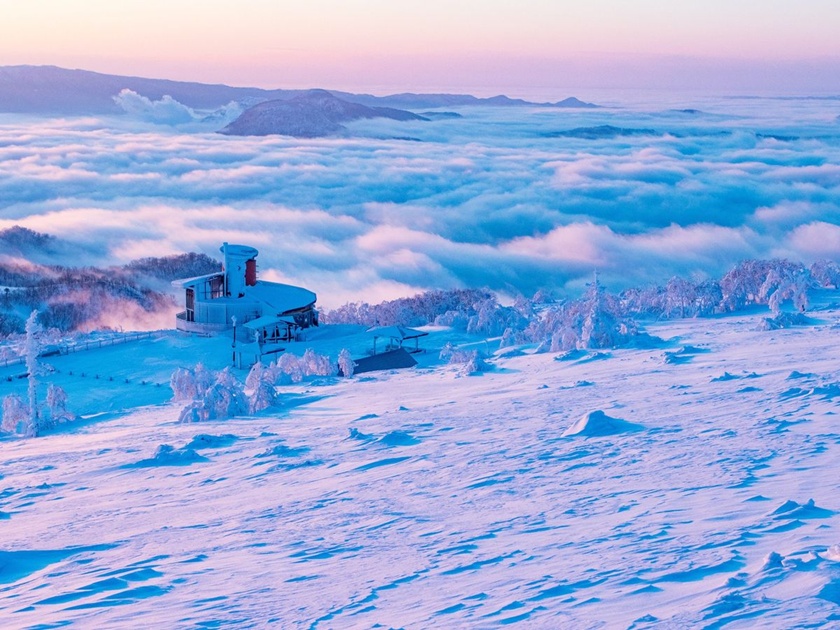
Mt. Mokoto rises on the outer ring of the Lake Kussharo caldera in Akan-Mashu National Park, in eastern Hokkaido. Lake Kussharo itself is huge—about 57 km around—and is famously Japan’s largest caldera lake, a relic of ancient volcanic eruptions from Mt. Mokoto.
The area around the lake and pass is known for:
- Sea of clouds: In the very early morning, clouds often sit low over the lake, making it appear like an ocean of white from nearby passes and peaks such as Mokoto Pass and the Mt. Mokoto observatories.
- Winter landscapes: Frozen lake surfaces, hoarfrost, and diamond-dust ice crystals glittering in the cold air.
- Nearby hot springs: Lakeside and village onsen at Lake Kussharo and Kawayu Onsen—perfect for a post-trek thaw.
The Experience: From Starlight to Sunrise
1. Pre-dawn pick-up
The tour operates in the Shiretoko/Abashiri area with pick-up available from Memanbetsu Airport or hotels in Kawayu Onsen.
- Start time: Between 5:00 and 7:00 a.m., depending on the season’s sunrise.
- You’ll be driven to the Mt. Mokoto Observatory / parking area, a popular starting point for the trek along the ridge.
At the trailhead, your guide gives a short safety briefing and snowshoe lesson, checks everyone’s gear, and makes sure you’re layered properly for temperatures that can feel as low as –20°C in mid-winter.
2. Snowshoeing into the blue hour
Once your snowshoes are strapped on, you follow your guide into the pre-dawn blue light. The route is designed for beginners, with gentle slopes and a steady pace rather than anything technical or extreme.
Along the way:
- The snowfield slowly brightens, and the sky shifts from deep blue to pink and orange, one of the main selling points of this sunrise tour.
- Frost-covered trees line the trail, their branches coated in sparkling ice crystals.
Your guide points out views, checks on everyone’s condition, and manages the timing so you arrive at the viewpoint right as the sun comes up.
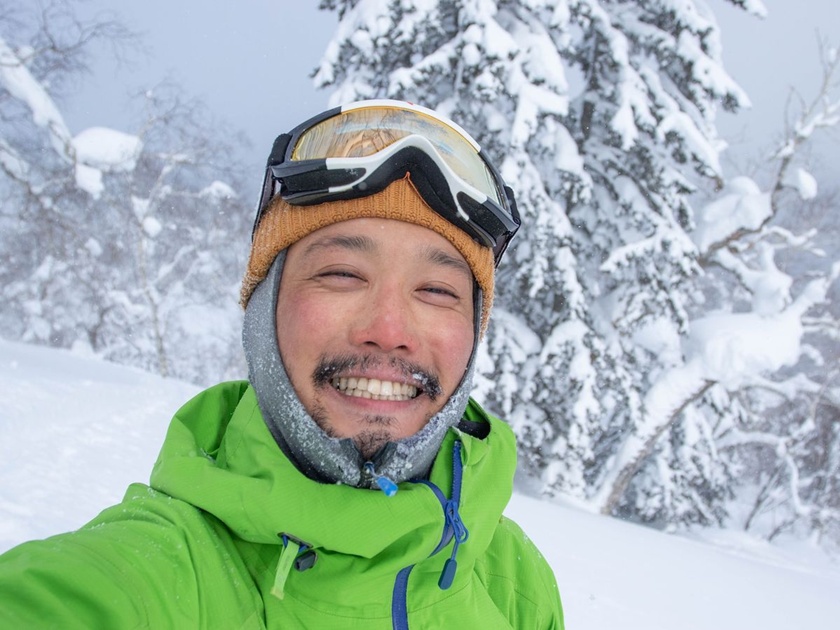
3. Sunrise & the sea of clouds
At the upper viewpoint near the summit ridge, the scene opens up dramatically:
- Lake Kussharo stretches below, often frozen and white in winter.
- On clear days, you can see the Sea of Okhotsk and peaks such as Mt. Oakan and Mt. Shari, linking the view between Akan-Mashu National Park and the Shiretoko Peninsula.
On particularly calm, cold mornings, you may witness the signature sight of this tour:
A vast sea of clouds filling the caldera around Lake Kussharo, with only ridgelines and peaks poking through the white.This is a natural phenomenon and can’t be guaranteed, but the timing and location are chosen to maximize your chances.
4. Coffee on the mountain & descent
After soaking in the sunrise and taking photos, your guide prepares warm morning coffee on the mountain, a small but very welcome luxury in sub-zero temperatures.
You’ll then:
- Start the descent back through the frosted forest.
- Remove your gear and warm up at the trailhead.
- You will be dropped back at Memanbetsu Airport, Kawayu Onsen, or the Mt. Mokoto parking area, depending on your chosen option.
Plan for roughly a half-day door to door, including transfers and trekking time (exact duration varies by season and conditions).
Tour Details & Practical Information
Season & Operation:
- Typical winter operating period: mid-January to early March (exact dates vary by year; always check the current schedule).
- Runs daily during the season, weather permitting.
Language & Group Size:
- Guiding language: English.
- Small groups: up to 4 participants per booking, keeping the experience intimate and easy to manage in winter conditions.
Inclusions
- English-speaking local guide
- Snowshoe rental (snowshoes; in March, the tour may switch to rain boots depending on snow conditions)
- Morning coffee served on the mountain
Ages & pricing
- Generally open to ages 6 and up, with separate child and teen pricing brackets (elementary and junior-high school ages).
- Adult prices start at around the mid-USD 60–70 range, with occasional group discounts for 4 or more people. Pricing can change seasonally, so always check live rates on the booking page.
What to Wear & Bring
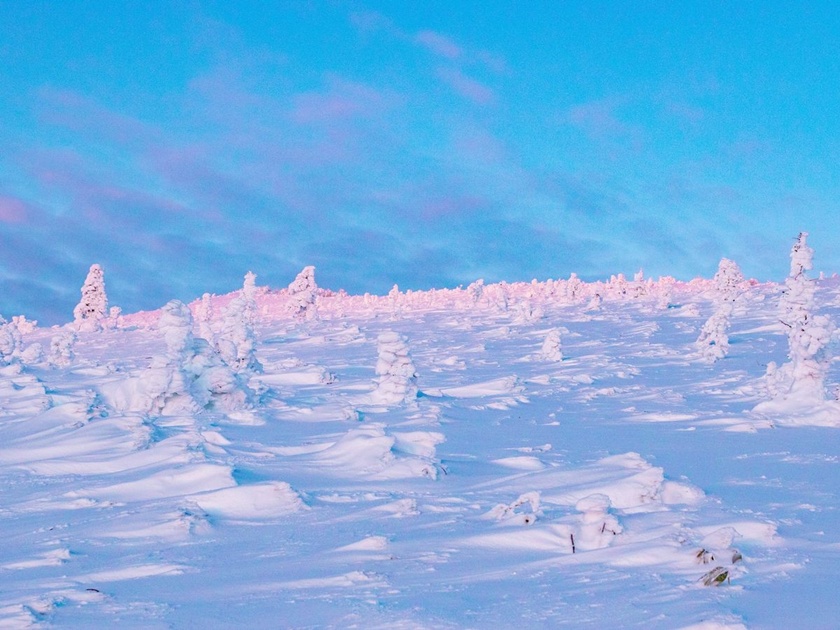
Winter in eastern Hokkaido is no joke. Expect temperatures that can feel like –20°C, especially before sunrise on the ridge.
The tour provider recommends:
- Base layers: Heat-retention thermal underwear (top and bottom)
- Mid layer: Sweater or fleece
- Outer layer: Waterproof, windproof jacket and pants (ski wear is fine)
- Accessories:
- Warm knit cap
- Neck warmer
- Waterproof, insulated gloves
- Sunglasses or goggles (the bright snow and sunrise glare can be intense)
- Footwear:
- Waterproof snow boots with good insulation
- In March, the tour may supply rain boots instead of snowshoes, depending on snow conditions.
Other smart additions (not mandatory but highly recommended):
- Hand and toe warmers
- A small backpack for water, snacks, and extra layers
- Camera or smartphone with a spare battery (cold weather drains batteries quickly)
Safety, Fitness, & Restrictions
Although the route is considered relatively gentle for a mountain in winter, you’re still outdoors in a remote, snowy environment.
Key points from the tour’s safety guidelines:
- Fitness level: Suitable for beginners with a basic level of fitness; no previous snowshoe experience required.
- Health restrictions:
- Pregnant guests are not permitted to join.
- Guests with foot size under 20 cm cannot participate, as properly fitting boots and snowshoes are required.
- Natural phenomena: Sunrise views, frost-covered trees, and a sea of clouds depend on the weather and are not guaranteed.
- Restrooms: There are no toilets on the trail; a portable toilet may be used during the tour, so you should use restroom facilities before departure.
- Because of the cold and terrain, the operator asks guests to join only if they’re in good physical condition on the day of the tour.
Cloud 9, Level: Hokkaido Unlocked
If you’ve read this far, your winter itinerary is basically begging for an upgrade. Mt. Mokoto is that core memory you’ll think about every time someone says “Hokkaido” or “sea of clouds.” Instead of seeing Hokkaido only from buses and cafés, you’re in the landscape—strapped into snowshoes, laughing at your own clumsy steps, and flexing your mountain-top coffee pics on the group chat later. This is one of those rare experiences that’s equal parts aesthetic, adventurous, and actually doable (even if you’re not a hardcore hiker).