Cranes in the Snow: Tsurui Winter Crane Watching from Kushiro

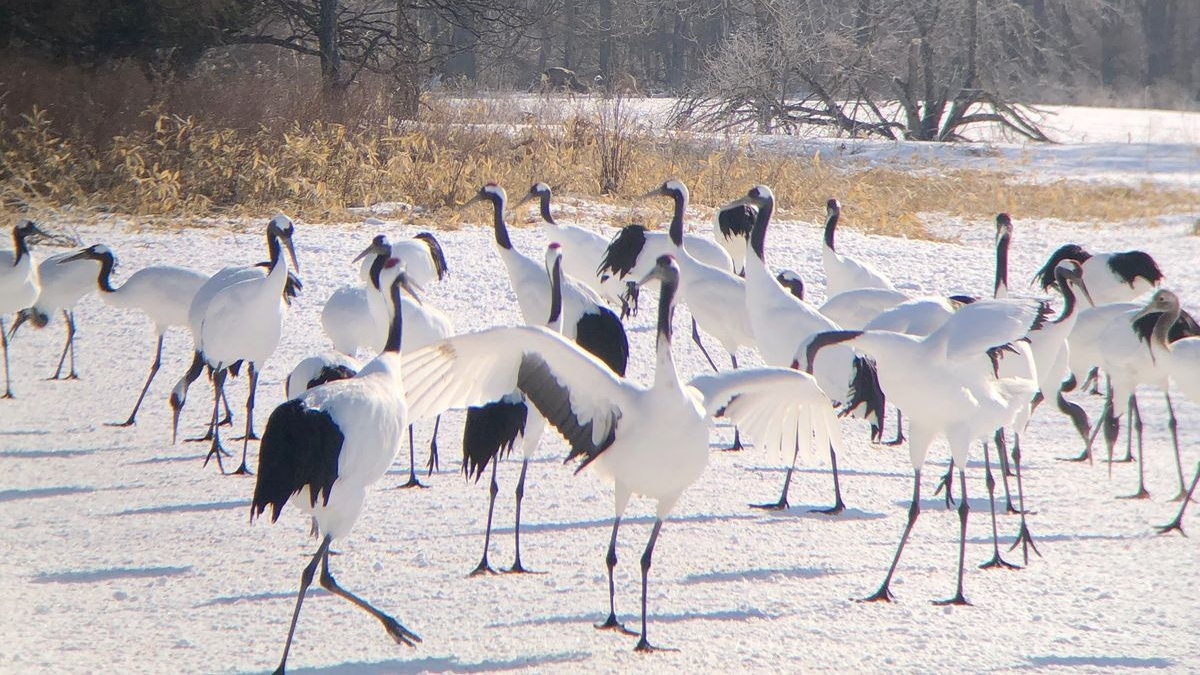
In deepest winter, eastern Hokkaido stages one of Japan’s great wildlife spectacles: red-crowned cranes (tancho) dancing and calling across snowy fields and mist-veiled rivers. Tsurui Village, on the edge of Kushiro Marsh, is the country’s most reliable place to see them, especially during the feeding season when birds gather in large numbers.
At a Glance
- Where: Tsurui Village, northwest of Kushiro Marsh, about 50 minutes by car from Kushiro Tancho Airport or ~1 hour by bus from Kushiro City.
- When: Late November–mid March is best (winter feeding period); outside this window, cranes rarely approach viewing areas.
- Top spots: Tsurui-Ito Tancho Sanctuary, Otowa Bridge, Akan International Crane Center (GRUS).
The Best Time to Visit
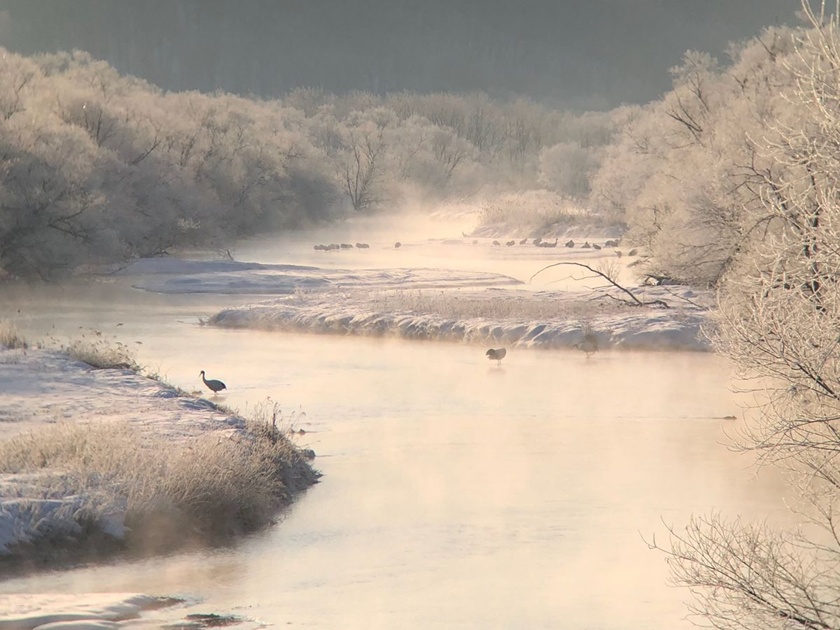
Winter is prime: sanctuary staff begin feeding in mid/late November and continue through late March, concentrating cranes at accessible viewpoints. If you’re chasing the classic “steam-fog” photos, plan a pre-dawn visit during the coldest mornings of January–February when cranes roost on the Setsuri River beneath Otowa Bridge.
Key Viewpoints
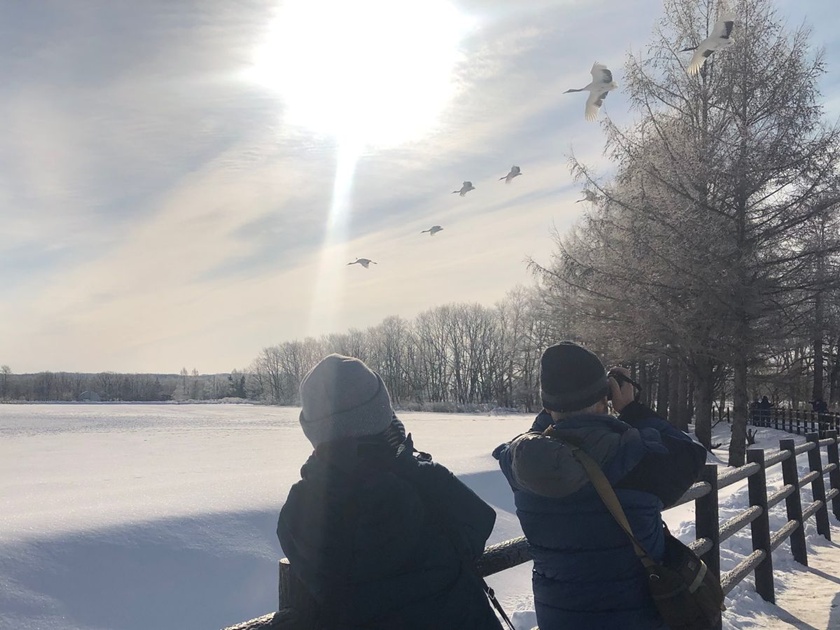
1) Tsurui-Ito Tancho Sanctuary
This WBSJ-managed site pairs a public viewing field with a heated nature center overlooking the winter feeding grounds—ideal for families and photographers to warm up between sessions. In peak season, more than 300 cranes can gather; feeding typically occurs at 09:00 and 14:00 (Nov–Mar).
2) Otowa Bridge (Setsuri River)
At dawn, cranes lift from their ice-free roosts on the Setsuri River, and, with river mist catching first light, the bridge turns into an impromptu grandstand for photographers. Arrive well before sunrise to secure a vantage point.
3) Akan International Crane Center (GRUS) & Crane Observation Center
Japan’s only dedicated crane research/education facility pairs indoor exhibits with winter feeding at the adjacent observation field—as many as ~300 wild cranes may appear on busy days.
Getting There from Kushiro
Guided tour (easiest): Winter roads, early-morning calls, and coordinated timing around feeding windows make a local guide the stress-free choice—especially if you want to cover Otowa Bridge at dawn plus a sanctuary the same morning. (See the VELTRA tour link above.)
Do-it-yourself:
- Airport → Sanctuary: ~40–50 minutes by car/taxi.
- Bus: Airport bus → JR Kushiro Station, then Akan Bus to “Tsurui Shigai,” ~10-minute walk to the sanctuary. Expect ~1 hour from Kushiro City.
What to Wear in Mid-winter
Kushiro/Tsurui winters are well below freezing. Typical January averages hover around a high near 0–1°C (≈31–32°F) and lows around −9°C (≈15°F)—and it can be colder before dawn on the river. Dress in layers: thermal base, mid-layer fleece, insulated parka, windproof shell, insulated boots with traction, warm hat, neck gaiter, thin liner gloves under insulated gloves, and hand warmers. Bring spare batteries (cold drains them fast).
Photography Tips
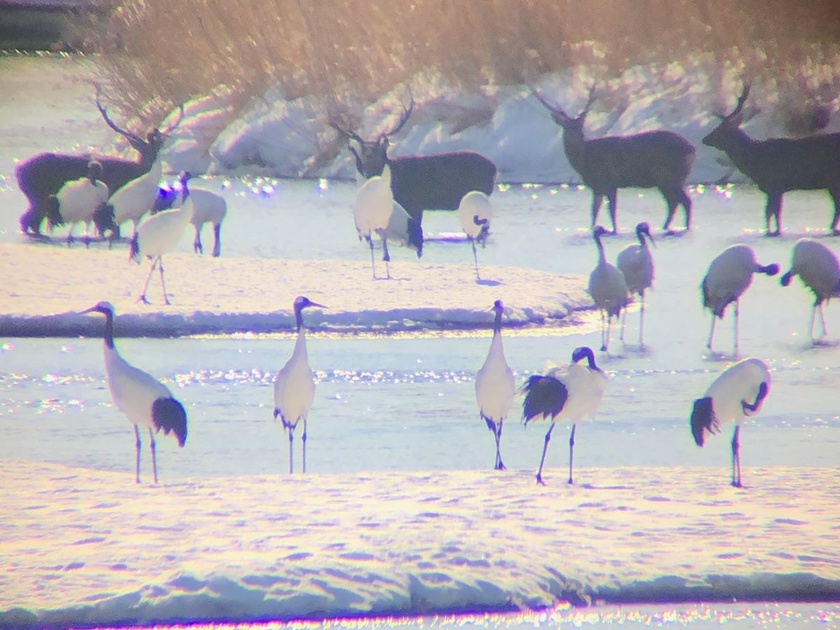
- Lenses: 100–400mm is versatile at feeding sites; longer telephotos (400–600mm) help with tighter portraits at a distance. (Otowa Bridge scenes often favor wider framings that include river and mist.)
- Timing: Be on the bridge before first light; after sunrise, shift to a sanctuary to catch morning feeding and courtship displays.
- Technique: Tripod for dawn; protect gear from frost; keep batteries warm in inner pockets. (Expect tripod rows at popular viewpoints.)
Responsible Viewing & Etiquette
These birds are a Special Natural Monument with active conservation in place. Observe from designated areas, never feed or approach the cranes, follow staff instructions, and keep noise low—especially at dawn roosts and feeding sites.
Make a Day of It: Easy Add-ons.
- Kushiro Marsh observatories and boardwalks for broader wetland scenery; cranes are resident year-round across the marsh.
- Lake Akan hot springs and cultural stops pair naturally with a visit to GRUS.
Sample Day on the VELTRA Tour
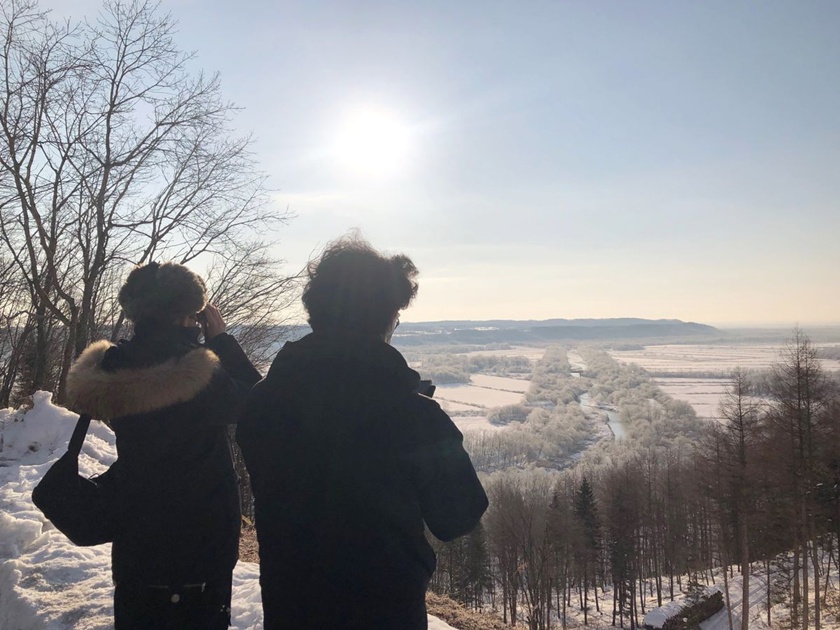
- 04:30–05:00 Pick-up in Kushiro; transfer to Otowa Bridge.
- Sunrise Watch cranes stirring in the river mist.
- Morning warm-up and move to Tsurui-Ito for 09:00 feeding and close-range viewing.
- Late morning coffee break at the Nature Center’s heated room (scopes available; ranger Q&A).
- Afternoon optional second stop timed for 14:00 feeding or Akan Crane Center visit; return to Kushiro.
Wrap It Up & Warm Up
Hokkaido in winter hits different. Icy rivers, soft dawn light, and red-crowned cranes doing elegant “main character” choreography. If you want the most reliable, stress-free way to catch that magic (without white-knuckling winter roads at 5am), hop on a guided run from Kushiro. Local pros handle timing for Otowa Bridge and the feeding windows; you handle the jaw-drops and the photos.