
Heian Shrine (Heian Jingu)

A Kyoto icon with a giant vermilion torii, mirror-like ponds, and elegant halls modeled after the ancient imperial palace—Heian Shrine (平安神宮 / Heian Jingu) anchors the Okazaki cultural district with photogenic architecture and a strolling garden you can actually get lost in (in the best way). Below is a concise, fact-checked guide for planning your visit, plus nearby café picks and bookable experiences.
Quick Facts
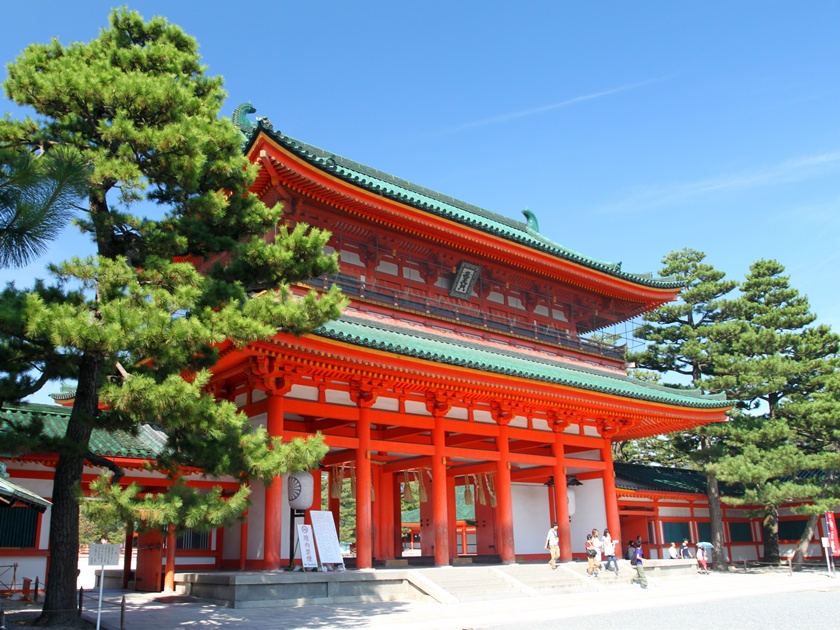
- Location: Okazaki area, Sakyo Ward (north Higashiyama), Kyoto. The vast torii stands on Jingū-michi avenue at the shrine approach.
- Founded: 1895 for Kyoto’s 1100th anniversary; dedicated to Emperors Kanmu and Kōmei.
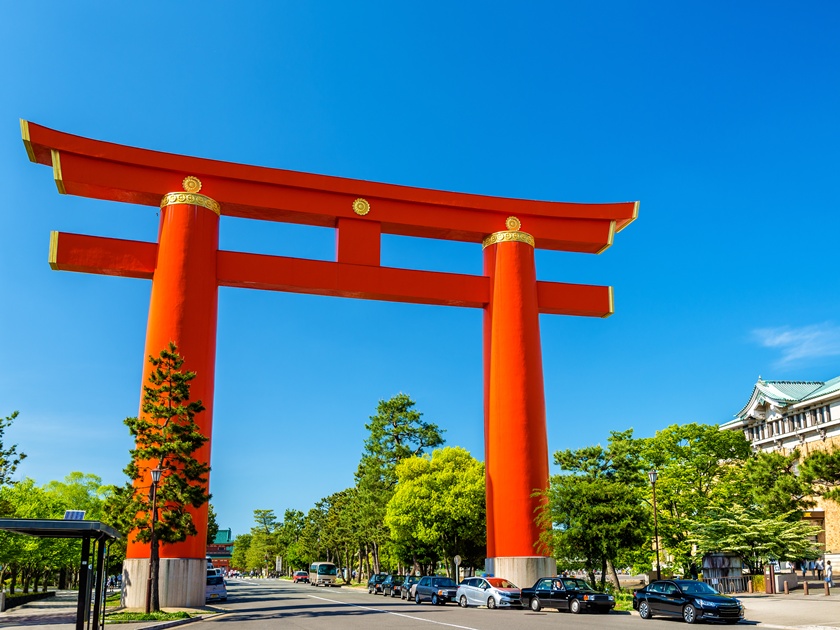
- Known For: One of Japan’s largest vermilion torii (~24 m high), a vast courtyard, and the four-part Shin’en landscape garden.Hours/Fees: Shrine grounds are free. Shin’en Garden admission commonly costs Adults ¥600 / Children ¥300; gate opens 08:30; last entry varies by season (see “Hours” note below).
- Time Needed: 45–90 min for shrine/courtyard; add 30–60 min to walk the full garden. (Based on garden layout and typical visit times.)
Hours note: The shrine precinct opens around 06:00; garden entry from 08:30 with seasonal closing: roughly Mar–Sep 17:30, Oct 17:00, Nov–mid-Feb 16:30 (last entry 30 min earlier). Always confirm day-of as hours can change with events.
Why Visit Heian Shrine
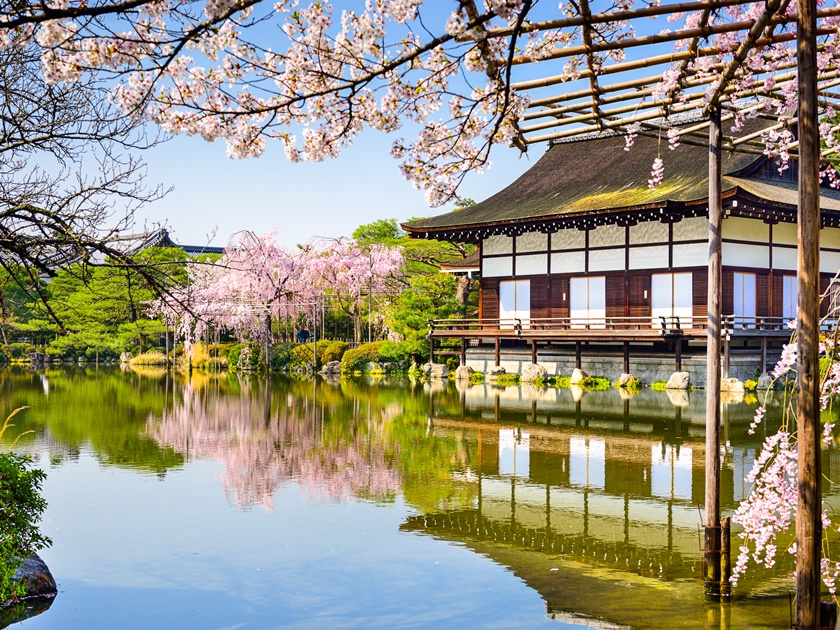
Heian Jingu recreates part of the Heian-period imperial palace at 5:8 scale—broad courtyards, striking vermilion halls, and graceful bridges over reflective ponds. In spring, weeping cherries cascade into the garden; early summer brings irises; autumn glows with maples. It’s a rare mix of classical design and generous open space right in the Okazaki museum district.
Highlights & Photo Spots
- Grand Torii on Jingū-michi: Frame telephoto shots with the avenue; great scale from the south side looking north. (~24 m tall.)
- Ōtenmon Gate & Main Courtyard: Symmetry lovers—come in the morning for softer light across the gravel expanse.
- Shin’en Garden (East / South / West / Middle):
- Taikobashi (arched “drum” bridge) and stepping stones.
- Byakkō-ike & Sōryū-ike ponds for weeping cherries (late Mar–early Apr) and irises (early summer).
- Serene walking paths with pavilions and reflections.
- Architecture DNA: Buildings echo the Heian Palace plan—a living history backdrop for your shots.
Bestselling Heian Shrine Activities


Best Time to Visit
The best time to visit Heian Shrine depends on the season: in late March to early April, the gardens burst into pink with graceful shidare-zakura (weeping cherry blossoms)—arrive early morning for fewer crowds. By early summer, vibrant irises circle the ponds against fresh green foliage, while autumn sets the shrine ablaze with fiery maples reflecting in dark waters. For culture lovers, plan for October 22, when the Jidai Matsuri historical parade concludes at Heian Shrine, though expect heavy crowds and road closures.
Suggested Itineraries
- Short Stop (45–60 min): Torii → Courtyard → peek into Shin’en (one section).
- Garden Lover (90–120 min): Full garden circuit with Taikobashi and stepping stones.
- Half-Day Okazaki Loop: Heian Shrine → KYOCERA Museum of Art → Okazaki Canal stroll/seasonal boat ride → finish at Nanzen-ji/Suirokaku aqueduct. (Jikkokubune boats operate seasonally around sakura.)
Tips, Etiquette & Accessibility
- Shrine etiquette: Rinse at the temizu basin; keep voices low near prayer areas; follow any photo/tripod signs.
- Footwear: Garden paths mix gravel, boards, and stepping stones—wear stable, non-slip shoes.
- Facilities: Restrooms on site; amulets (omamori) and votive plaques (ema) at the shrine office during opening hours.
- Mobility: Courtyard is mostly level; some garden sections have uneven paths and narrow bridges—plan extra time.
Where to Eat & Coffee (nearby, operating & mappable)
- Hyōtei (瓢亭 / Hyotei) — A 400+-year-old kaiseki institution by Nanzen-ji (flagship & Bekkan annex; advance booking recommended).
- Blue Bottle Coffee Kyoto Café (Nanzen-ji area) — Specialty coffee in a renovated machiya townhouse; ~10–15 min walk from Heian Jingu.
- Starbucks Coffee Kyoto Okazaki (Tsutaya Books/ROHM Theatre area) — Reliable pit stop right in Okazaki Park, a few minutes from the torii.
Nearby Sights to Combine
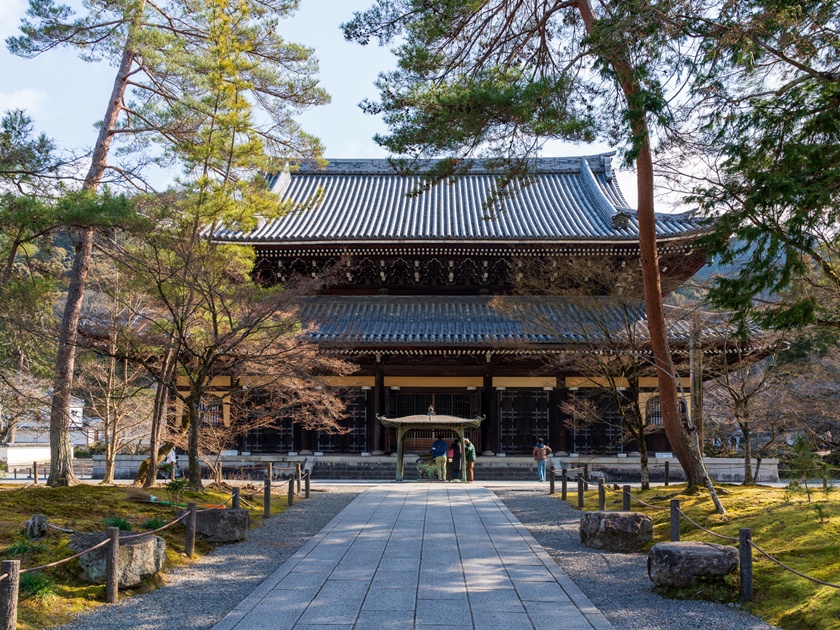
- Nanzen-ji & Suirokaku Aqueduct — Walkable south of Okazaki; classic brick arches and Zen precinct.
- Kyoto City KYOCERA Museum of Art — Kyoto’s flagship art museum beside the shrine.
- ROHM Theatre Kyoto — Performing arts hub facing the canal.
- Philosopher’s Path — Reachable via Nanzen-ji; a favorite seasonal walk.
Bestselling Kyoto Activities
Frequently Asked Questions (FAQs)
Access & Map Hint
- Subway: Tozai Line → Higashiyama Station → ~10–15 min walk via Sanjo-dori and Jingū-michi (signed toward Heian Jingu/Okazaki Park).
- Keihan Railway: Jingū-Marutamachi Station → ~15–20 min walk.
- Bus: City buses to Okazaki Park / Heian Jingu-mae (e.g., #5), then ~5 min walk.
- Pairing Nearby: The Kyoto City KYOCERA Museum of Art and ROHM Theatre Kyoto sit next door in Okazaki Park, making an easy cultural loop.
From Screen Time to Shrine Time
Close your Kyoto day with a vibe check at Heian Shrine; vermillion halls, mirror-still ponds, and seasonal glow-ups from sakura to maple red. Ready to swap doomscrolling for day-strolling? Lock in a guided walk or tea ceremony on VELTRA, map your café stop in Okazaki, and let this shrine be your main character moment.