
Shimogamo Shrine

Shimogamo Shrine, formally known as Kamo-mioya-jinja, is one of Kyoto‘s most historic and spiritually significant Shinto shrines. Dating back to the 6th century, this revered site predates Kyoto’s establishment as the capital in 794. It forms part of the Kamo Shrines, along with Kamigamo Shrine, both dedicated to safeguarding Kyoto from negative influences. Surrounded by the ancient Tadasu no Mori forest, Shimogamo Shrine offers visitors a serene escape into nature, rich history, and Japan’s enduring traditions.
History and Significance

Shimogamo Shrine’s history is deeply intertwined with Kyoto’s spiritual and cultural heritage. As one of the oldest Shinto shrines in Japan, it has been a place of worship for over 1,400 years. The shrine honors the deities Kamotaketsunumi-no-Mikoto and Tamayorihime-no-Mikoto, who are believed to be ancestral spirits of the Kamo clan. These deities play a vital role in protecting Kyoto and ensuring prosperity and peace.
The shrine gained prominence during the Heian period (794-1185) when it became closely associated with the imperial court. The Aoi Matsuri (Hollyhock Festival), one of Kyoto’s three major festivals, has its origins in Heian-era rituals performed at Shimogamo and Kamigamo Shrines. Today, the shrine remains an active place of worship and a designated UNESCO World Heritage Site as part of the “Historic Monuments of Ancient Kyoto.”
Tadasu no Mori: The Sacred Forest
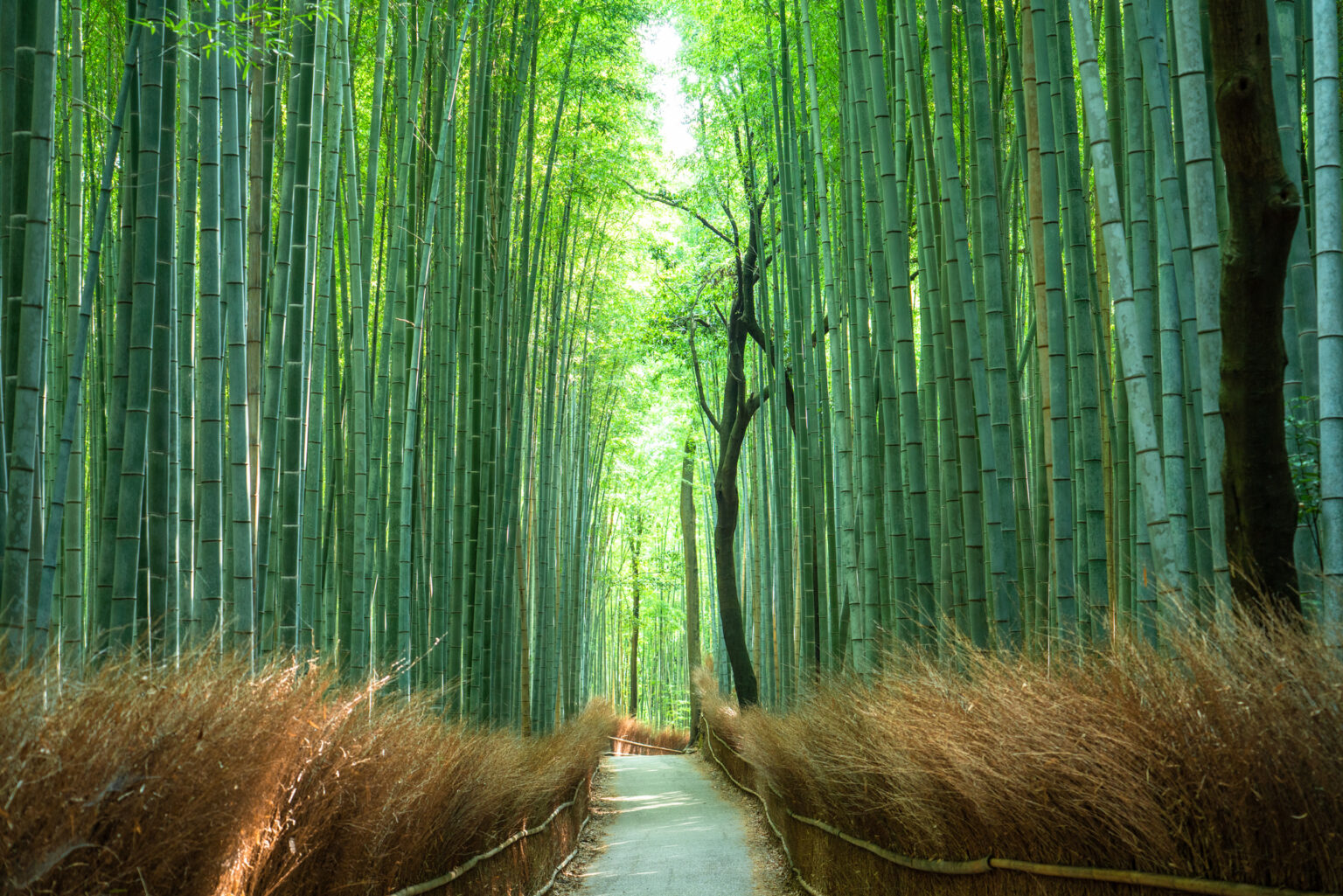
One of the most unique aspects of Shimogamo Shrine is its location within Tadasu no Mori, also known as the “Forest of Truth.” This primeval forest, covering approximately 12.4 hectares, has remained largely untouched for centuries. The ancient forest creates a mystical atmosphere that enhances the shrine’s spiritual aura.
According to legend, the forest serves as a place of truth and justice, where lies and deception are exposed. This belief has persisted through the ages, making it a popular site for purification rituals. Visitors can walk along peaceful pathways shaded by ancient trees, providing a refreshing retreat from Kyoto’s bustling city center.
Architectural Highlights

Shimogamo Shrine’s architecture exemplifies the traditional Nagare-zukuri style, a hallmark of classic Shinto shrine design. This style is characterized by gently sloping roofs extending over the entrance, providing a graceful aesthetic and functional protection from the elements.
Key Structures:
- Rōmon (Tower Gate): A striking vermillion gate marking the entrance to the sacred grounds, symbolizing the transition from the mundane world to the divine.
- Honden (Main Sanctuary): The heart of the shrine, where the enshrined deities are venerated. The Honden is designated as a National Treasure of Japan.
- Mitarai-sha: This sub-shrine within the Shimogamo Shrine complex is dedicated to water purification rituals. Nearby, the Shimogamo Mitarashi Pond is associated with the origin of the popular Mitarashi dango (sweet rice dumplings)
- Koto-sha (Childbirth Shrine): A revered spot where expectant mothers pray for a safe and healthy delivery.
Aoi Matsuri: Kyoto’s Historic Festival
Each May, Shimogamo Shrine co-hosts the Aoi Matsuri (Hollyhock Festival), one of Kyoto’s most celebrated events. This grand festival dates back to the 7th century and features a majestic procession of participants dressed in Heian-period attire, evoking the elegance of Kyoto’s aristocratic past.
Festival Highlights:
- Procession: A grand parade with over 500 participants in Heian-era costumes, including mounted samurai, shrine maidens, and noblewomen in elaborate kimono.
- Sacred Rituals: Ceremonies conducted at both Shimogamo and Kamigamo Shrines to pray for a bountiful harvest and protection from natural disasters.
- Hollyhock Decorations: Participants and shrine structures are adorned with hollyhock leaves, an ancient symbol of divine protection.
Visitors who wish to witness this extraordinary event should plan their trip in advance, as the festival attracts thousands of spectators.
Visitor Experience and Practical Information

Shimogamo Shrine offers a peaceful retreat and an opportunity to experience Kyoto’s spiritual traditions. Whether you’re interested in history, architecture, or natural beauty, the shrine has something for everyone.
Best Time to Visit
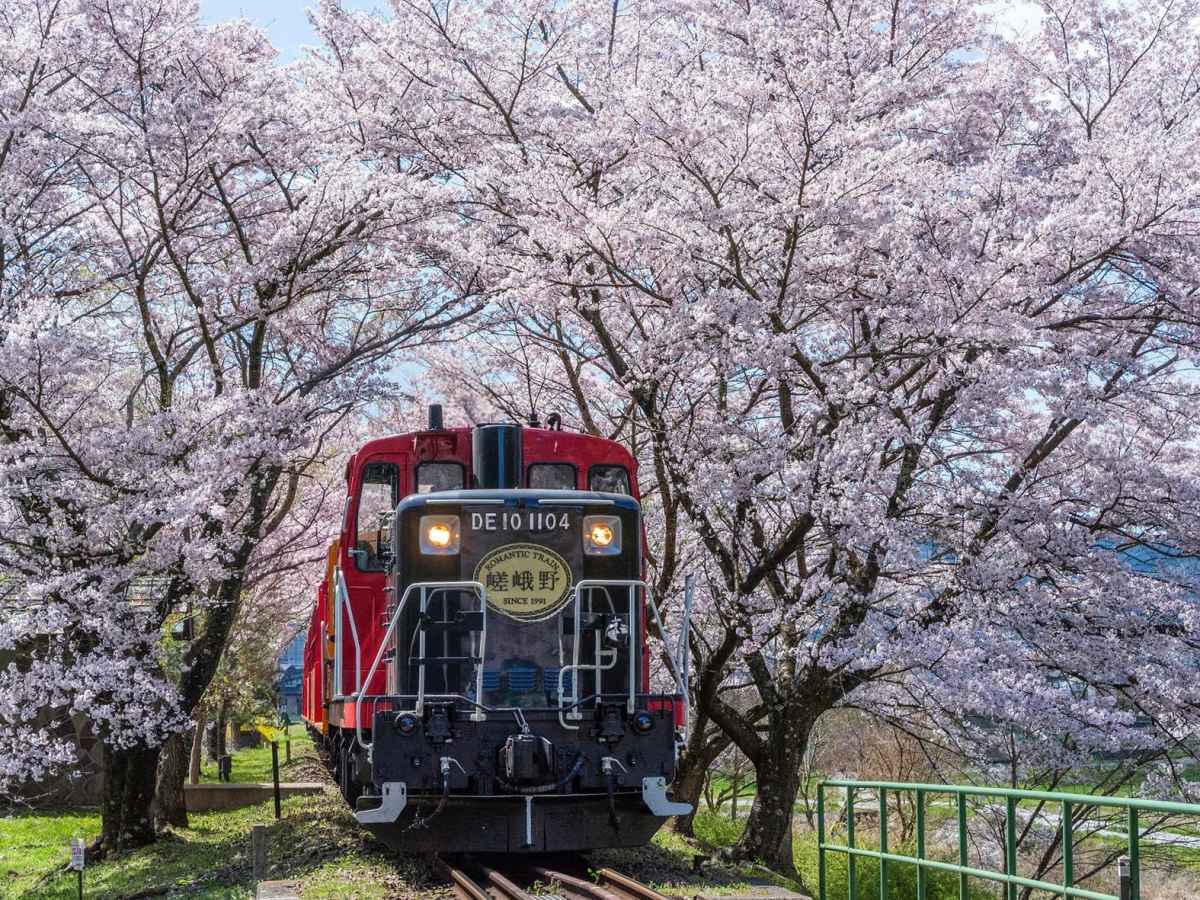
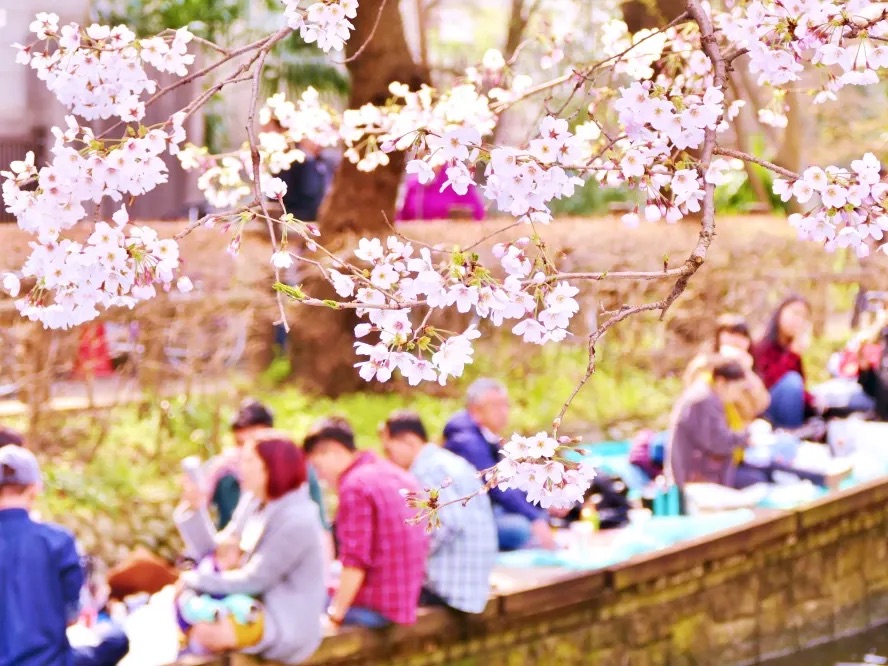
- Spring (March-May): Cherry blossoms bloom in early April, adding to the shrine’s picturesque scenery. May features the Aoi Matsuri festival.
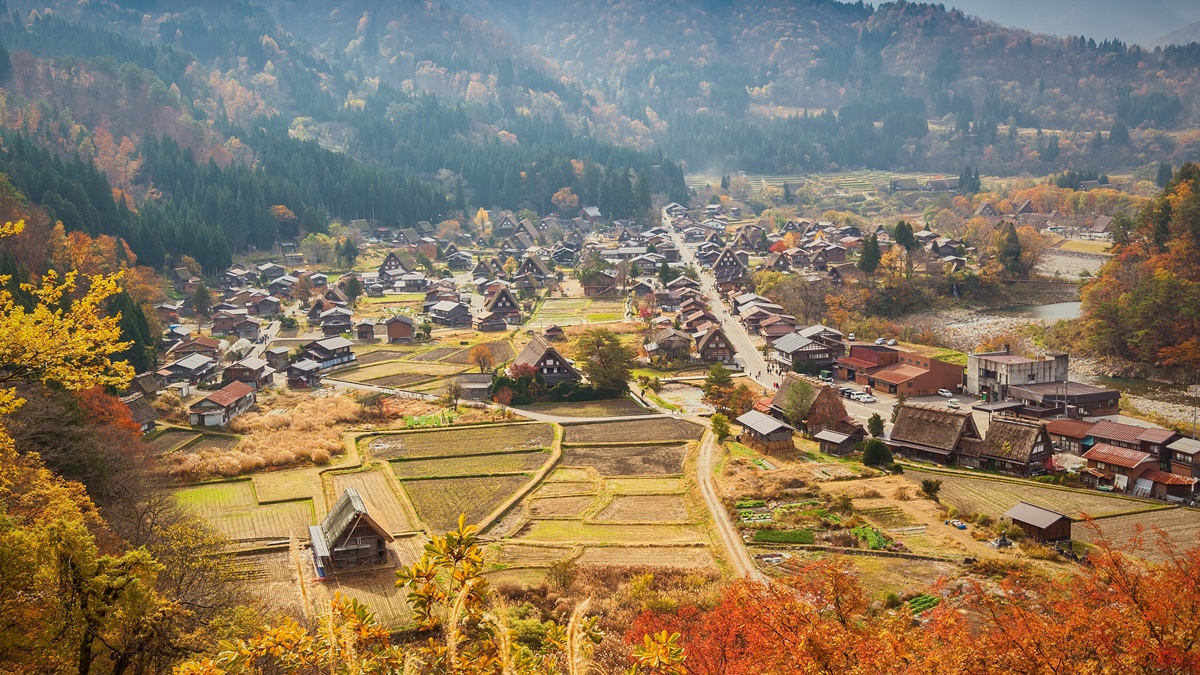
- Autumn (October-November): The vibrant autumn foliage creates a breathtaking backdrop for the shrine and Tadasu no Mori.
- Morning Hours: Visiting early in the morning allows for a tranquil experience with fewer crowds.
How to Get There
Shimogamo Shrine is conveniently accessible from Kyoto’s city center:
- By Train: Take the Keihan Line to Demachiyanagi Station. From there, it’s a 10-minute walk to the shrine.
- By Bus: Kyoto City Bus #4 or #205 stops near the shrine.
- By Bicycle: Renting a bicycle is a great way to explore Kyoto, and the shrine is easily reachable by bike.
Admission and Hours
- Opening Hours: 6:30 AM – 5:00 PM (may vary during special events)
- Admission Fee: Free (some areas may have a small fee during festivals or special exhibitions)
Nearby Attractions
Extend your visit with these nearby sites:
- Kamigamo Shrine: The sister shrine of Shimogamo, located about 4 km north.
- Imperial Palace Park: A short ride away, offering a spacious park with historical buildings.
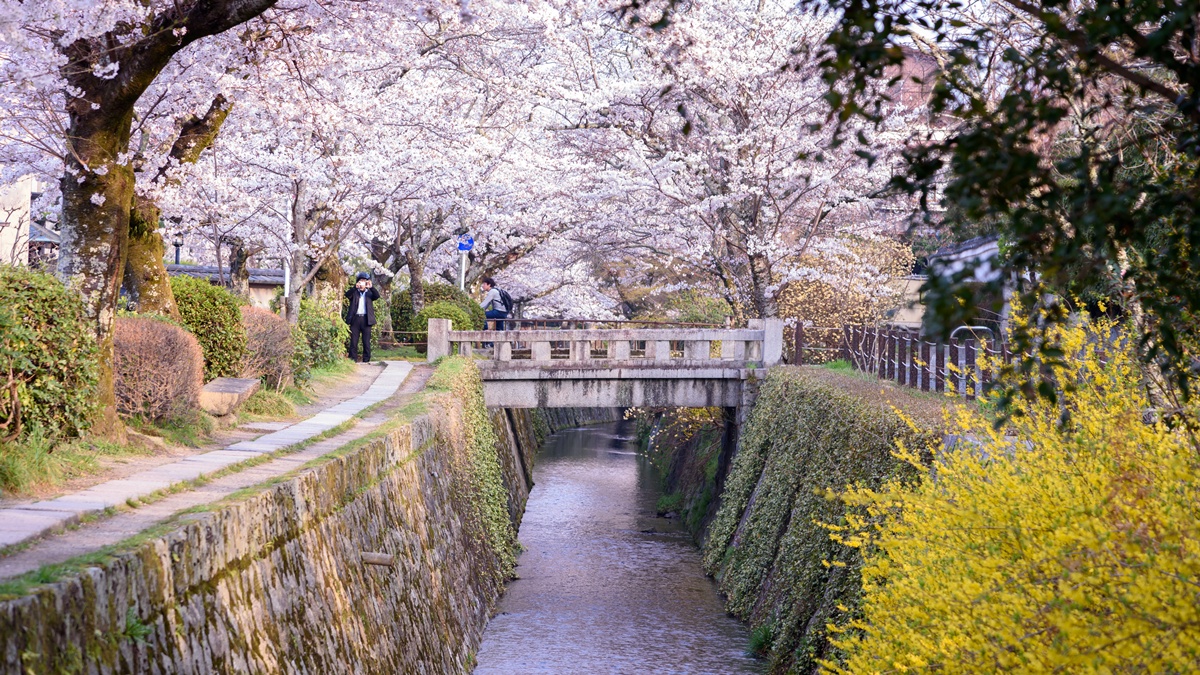
- Philosopher’s Path: A scenic walk lined with cherry trees, perfect for a reflective stroll.
A Timeless Sanctuary in Kyoto
Shimogamo Shrine stands as a testament to Kyoto’s spiritual and cultural legacy. With its ancient origins, architectural beauty, and the mystical Tadasu no Mori, it provides a unique glimpse into Japan’s past and present. Whether attending the Aoi Matsuri, exploring its sacred grounds, or simply enjoying a moment of tranquility, a visit to Shimogamo Shrine is an unforgettable experience for any traveler.
Plan your visit today and immerse yourself in the sacred beauty of one of Kyoto’s most revered shrines.