Best Kintsugi Workshops in Tokyo: Transform Broken Pottery into Golden Art

Transform brokenness into beauty with authentic kintsugi workshops in Tokyo, where traditional Japanese craftsmanship meets profound philosophy.
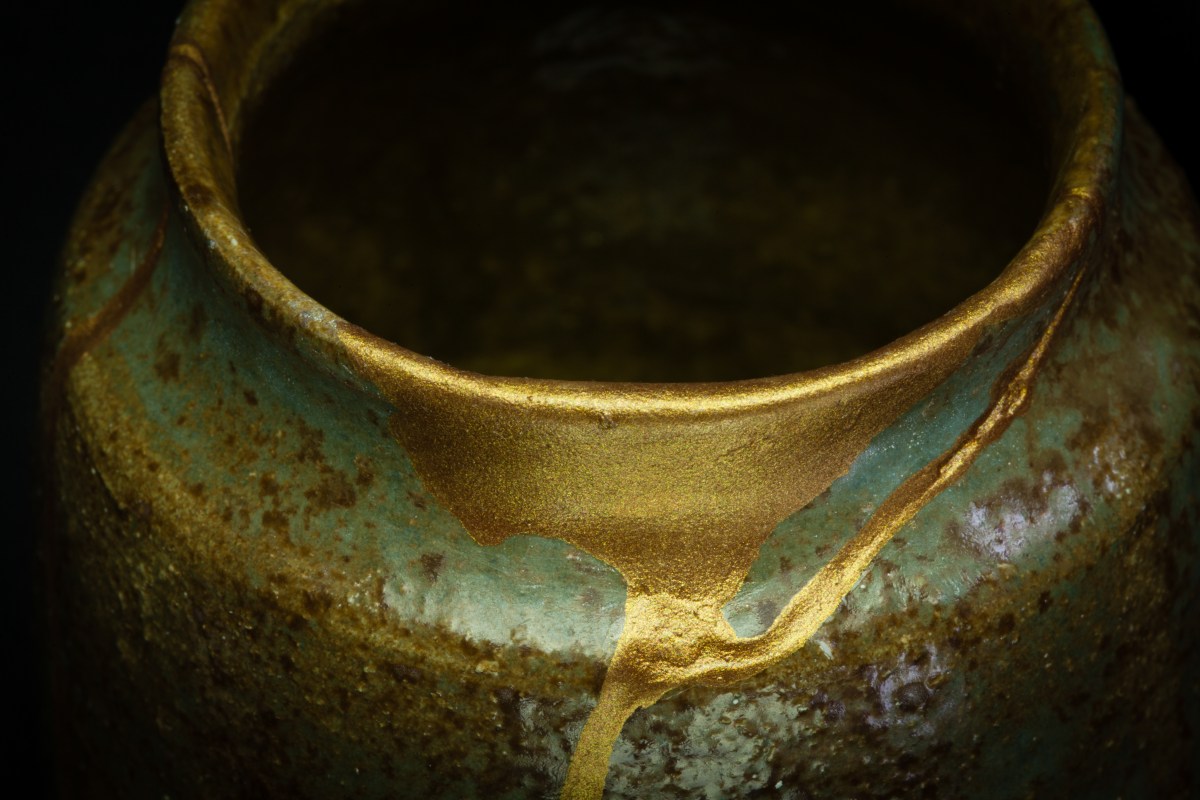
Japan’s ancient art of kintsugi—literally meaning “golden joinery”—transforms broken pottery into stunning works of art by mending cracks with lacquer mixed with precious metals. Far from hiding imperfections, this centuries-old technique celebrates them, embodying the Japanese philosophy of wabi-sabi that finds beauty in impermanence and imperfection.
If you’re planning a trip to Tokyo and seeking an authentic cultural experience that goes beyond typical tourist activities, participating in a kintsugi workshop offers something truly special. Not only will you learn this meditative art form, but you’ll also take home a unique piece that tells a story of resilience and renewal.
What Makes Kintsugi More Than Just Pottery Repair
Kintsugi represents far more than a simple repair technique. This traditional Japanese art form embodies profound philosophical concepts that resonate deeply with both Japanese culture and universal human experiences.
At its core, kintsugi reflects the Japanese aesthetic of wabi-sabi, which finds beauty in impermanence, imperfection, and incompleteness. Rather than disguising damage, kintsugi transforms it into something more beautiful than the original piece. The golden veins running through repaired pottery tell a story—each crack represents a moment in time, a challenge overcome, and ultimately, strength gained through adversity.
The practice also aligns with mottainai, a Japanese concept that expresses regret over waste and encourages the full use of resources. In our increasingly disposable world, kintsugi offers a powerful counter-narrative: instead of discarding broken objects, we can transform them into something even more valuable.
Many participants find the process deeply therapeutic. The meditative act of carefully applying lacquer and gold powder provides a space for reflection, while the metaphor of healing broken objects often resonates with personal experiences of overcoming challenges. It’s no wonder that professionals from high-stress fields—including counselors, psychologists, surgeons, and lawyers—regularly attend kintsugi workshops to explore themes of healing and resilience.
Why Choose Tokyo for Your Kintsugi Experience
Tokyo offers some of the most authentic and accessible kintsugi workshops in Japan. The city’s unique blend of traditional craftsmanship and modern accessibility makes it an ideal place to experience this ancient art form. Unlike workshops designed purely for tourists, Tokyo’s best kintsugi experiences are run by master artisans who have dedicated decades to perfecting their craft.
The capital city also provides the convenience of English-speaking instructors and workshops specifically designed to welcome international visitors while maintaining the authenticity of traditional Japanese craftsmanship. This combination of accessibility and authenticity is rare and makes Tokyo an exceptional destination for cultural immersion.
The VELTRA Difference: Authentic Experiences with Trusted Artisans
At VELTRA, we’ve carefully curated Tokyo’s most authentic kintsugi workshops, partnering exclusively with master artisans who bring decades of experience and genuine passion to their teaching. Our selection process focuses on workshops that offer not just instruction, but true cultural immersion in intimate, welcoming environments.
What sets our kintsugi workshops apart is the emphasis on the “at-home, no pretense” experience. Unlike commercial workshops that can feel rushed or impersonal, our partner studios welcome you into spaces that feel like stepping into a real Japanese home, complete with homemade tea and sweets, unhurried conversation, and the kind of warm hospitality that makes visitors feel like honored guests rather than customers.
Top Kintsugi Workshops in Tokyo
1. Kuge Crafts: The Gold Standard of Kintsugi Education
Our Top Recommendation
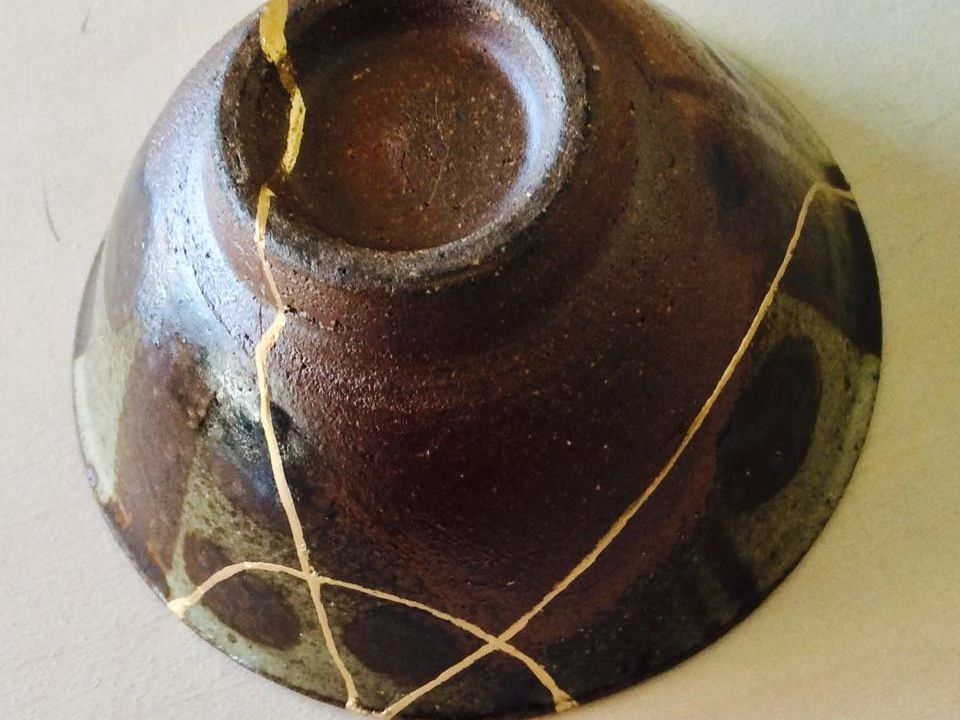
Located in the quiet residential area of Suginami City, about 13 minutes from Shin-Koenji Station, Kuge Crafts represents the pinnacle of authentic kintsugi education in Tokyo. This family-run studio, led by the husband-and-wife team of Yoshiichiro and Yoshiko Kuge, along with their son Shu, has been practicing and teaching kintsugi for over 40 years.
What Makes Kuge Crafts Exceptional:
Master-Level Expertise: Yoshiko Kuge brings over 35 years of kintsugi experience and 50 years of ceramics knowledge to every workshop. Her journey began in childhood, influenced by her family’s tradition of changing dishes with the seasons—a practice that deepened her understanding of pottery as both functional art and cultural expression. Yoshiichiro contributes 40 years of ceramics teaching experience, creating a learning environment rich with traditional knowledge.
Authentic Cultural Immersion: The moment you step into the Kuge Crafts studio, you’ll understand why participants describe it as a “real-life diorama.” The workshop environment feels genuinely Japanese—warm, welcoming, and refreshingly unpretentious. Sessions often begin with homemade sweets and tea, creating space for participants to share their stories and connect with both the craft and the instructors on a personal level.
Historical Connection: One of the most remarkable aspects of the Kuge Crafts experience is working with authentic Japanese ceramics from different historical periods. The studio provides a carefully curated collection of antique teacups, many from the Edo or Taisho eras—some hundreds of years old. Working with these historical pieces creates a profound connection to Japanese cultural heritage, as you participate in giving new life to pottery that has witnessed centuries of history. While you may inquire about bringing your own broken piece, the studio will need to assess whether it can be completed within the workshop timeframe, making their historical collection the most common and recommended option.
Language Accessibility: Despite being rooted in traditional Japanese culture, Kuge Crafts is remarkably accessible to international visitors. Yoshiko has learned conversational English using online resources and is described by participants as “an excellent communicator for non-Japanese speaking students.” Their son Shu is fluent in English, ensuring that language barriers never interfere with the learning experience.
Efficient Modern Techniques with Traditional Aesthetics: While honoring traditional kintsugi principles, Kuge Crafts employs modern techniques that allow participants to complete their pieces in a single 2.5-hour session. Instead of traditional urushi lacquer that can take months to dry, they use epoxy putty for filling gaps—a method that’s less allergenic and dries quickly while maintaining the beautiful aesthetic of traditional kintsugi.
The golden lines are achieved through a carefully applied mixture of cashew-derived lacquer (less allergenic than traditional urushi) and metallic powder. While they use substitute gold powder (brass and copper) rather than pure gold, the results are stunning and allow for the practical completion of pieces in one session.
Therapeutic Philosophy: Yoshiko Kuge approaches kintsugi as more than craft instruction—she views it as a metaphor for life resilience. “Through kintsugi, broken items can be made stronger than before,” she explains. “Even if items are broken, they can move forward with new strength.” This philosophy permeates every workshop, with many participants finding the experience deeply healing and reflective.
Practical Details:
- Duration: 2.5 hours
- Cost: ¥11,000-¥15,000 per person
- Includes: Experience fee, materials, antique vessel (if needed), takeaway case, tea, sweets, and consumption tax
- Schedule: Wednesday, Thursday, Friday, and Saturday afternoons, with additional Saturday morning sessions
- Booking: Exclusively available through VELTRA
2. Masubuchi Studio: Continuing the Kuge Tradition
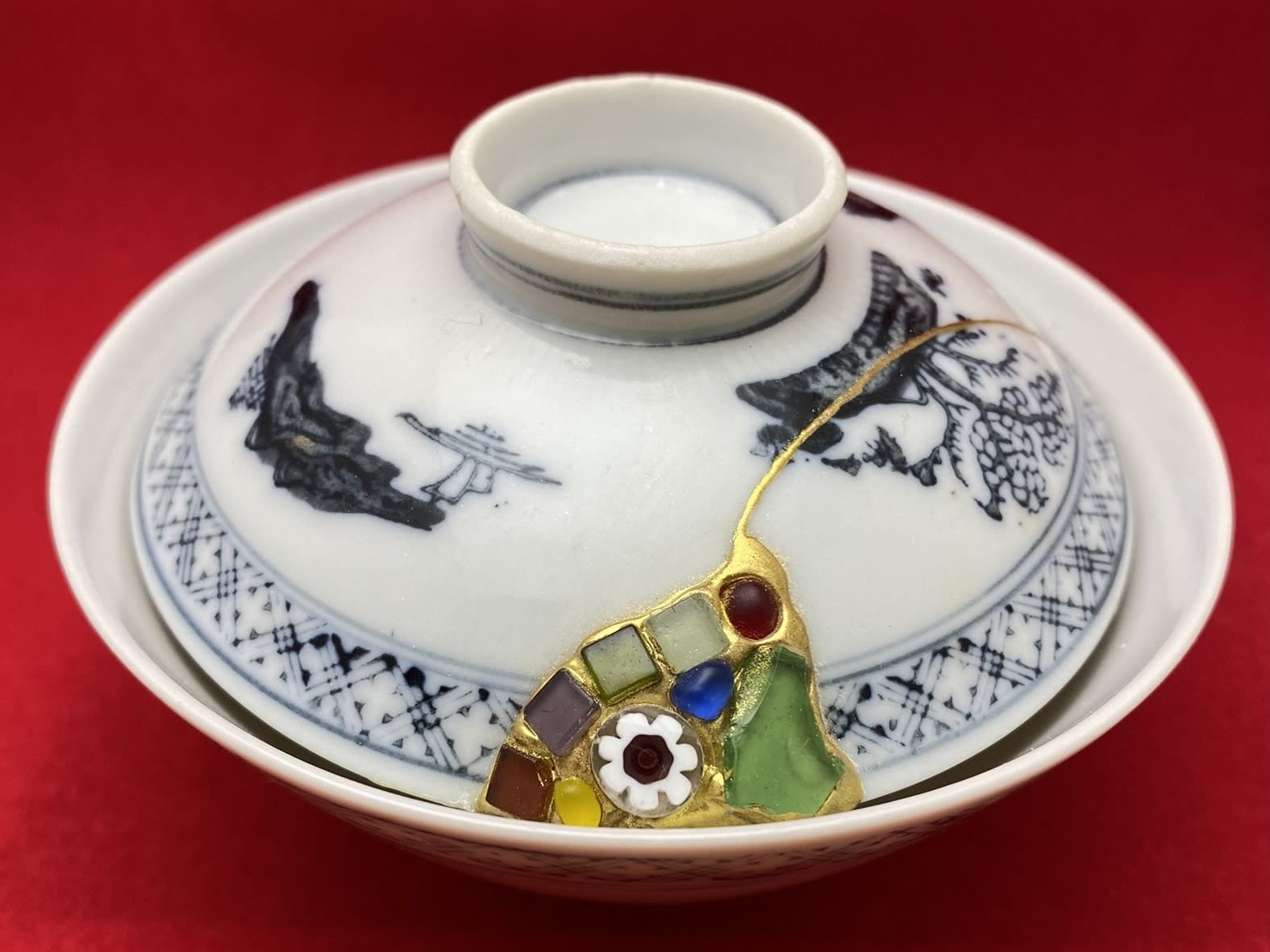
When Kuge Crafts workshops are fully booked—which happens frequently, given their popularity and limited availability—we recommend Masubuchi Studio as an excellent alternative that maintains the same high standards and intimate atmosphere.
The Kuge Connection: What makes Masubuchi Studio particularly special is its direct connection to Kuge Crafts. The artisan leading Masubuchi’s workshops trained extensively at Kuge Crafts, learning not just the technical aspects of kintsugi but also the philosophical approach and warm hospitality style that makes these experiences so memorable. After mastering the craft, they established their own studio while maintaining the same commitment to authentic, personal instruction.
Maintaining the “At-Home” Experience: Like Kuge Crafts, Masubuchi Studio prioritizes the intimate, no-pretense atmosphere that sets these workshops apart from more commercial offerings. The studio maintains the tradition of beginning sessions with tea and conversation, creating a relaxed environment where participants can fully immerse themselves in both the craft and its deeper meanings.
Consistent Quality and Approach: Having trained under the Kuge family, the Masubuchi instructor employs the same efficient modern techniques combined with traditional aesthetics. Participants can expect the same quality of instruction, materials, and overall experience that has made Kuge Crafts legendary among kintsugi enthusiasts.
This continuity ensures that whether you book with Kuge Crafts or Masubuchi Studio, you’ll receive an authentic, deeply meaningful kintsugi experience that honors the tradition while remaining accessible to international visitors.
What to Expect During Your Kintsugi Workshop
Before You Begin
Your kintsugi journey starts the moment you enter the studio. Both Kuge Crafts and Masubuchi Studio welcome participants with traditional Japanese hospitality, often beginning with homemade tea and seasonal sweets. This isn’t just a pleasant touch—it’s an intentional part of the experience that helps transition your mindset from the bustling energy of Tokyo to the meditative space required for kintsugi.
You’ll have the opportunity to share a bit about yourself and why you’re drawn to kintsugi. Many participants find this initial conversation meaningful, as it often reveals personal connections to themes of healing, resilience, or transformation.
Choosing Your Piece
While you might consider bringing a broken ceramic piece with personal significance, it’s important to consult with the studio beforehand. Depending on the complexity of the damage—such as extensive shattering or missing pieces—some items may not be suitable for repair within the workshop’s timeframe. The studios will assess whether your piece can be completed in a single session.
However, most participants work with carefully selected ceramics provided by the studio, primarily Japanese teacups from various historical periods. At Kuge Crafts, many of these pieces are genuine antiques from the Edo or Taisho eras—some hundreds of years old. This creates an extraordinary opportunity to participate in preserving Japanese cultural heritage while learning the craft, as you’ll be giving new life to pottery that has witnessed centuries of history.
The Repair Process
Assessment and Preparation: Your instructor will first examine the piece with you, discussing the best approach for repair. Different types of breaks require different techniques, and part of the learning involves understanding how to read the damage and plan the restoration.
Filling and Shaping: Using modern epoxy putty, you’ll carefully fill gaps and cracks. This process requires patience and attention to detail, as the goal is to create smooth surfaces that will accept the lacquer beautifully. Your instructor will guide you through filing and shaping until the repairs are perfectly smooth.
Applying the Golden Lines: This is the transformative moment where damage becomes beauty. You’ll learn to apply the cashew-based lacquer mixed with metallic powder, creating the distinctive golden veins that define kintsugi. The technique requires a steady hand and mindful attention, making it naturally meditative.
Final Touches: The last step involves dusting the lacquer lines with additional metallic powder, ensuring the golden effect is rich and lustrous. Your instructor will teach you how to achieve the perfect finish that makes the repaired areas stand out as beautiful features rather than hidden flaws.
The Philosophical Experience
Throughout the process, your instructor will share insights into the philosophy behind kintsugi. These aren’t forced lessons but natural conversations that arise from the work itself. You might discuss wabi-sabi, the Japanese aesthetic that finds beauty in imperfection, or mottainai, the concept of regret over waste that drives the practice of transforming rather than discarding broken objects.
Many participants find these conversations as valuable as the technical instruction, as they provide context that transforms a craft lesson into a deeper cultural understanding.
Tips for Getting the Most from Your Kintsugi Experience
Before Your Workshop
Arrive with an Open Mind: While you’ll learn specific techniques, kintsugi is as much about philosophy and mindset as it is about craft. Come prepared to engage with concepts of imperfection, resilience, and transformation.
Consider Bringing Your Own Piece (Optional): If you have a broken ceramic with personal significance, contact the studio beforehand to discuss whether it’s suitable for the workshop timeframe. Keep in mind that most participants work with the studio’s collection of historical Japanese ceramics, which often provides a more meaningful cultural experience.
Plan for the Full Experience: Don’t schedule anything immediately after your workshop. The experience often leaves participants wanting time to reflect on what they’ve learned and experienced.
During the Workshop
Embrace the Process: Kintsugi teaches patience and acceptance of imperfection. If your lines aren’t perfectly straight or your technique isn’t immediately perfect, remember that this aligns with the wabi-sabi aesthetic that values imperfection.
Engage in Conversation: The informal, welcoming atmosphere encourages sharing. Many participants find that talking with their instructor and fellow participants enriches the experience significantly.
Ask Questions: Your instructors are masters of their craft with decades of experience. Don’t hesitate to ask about techniques, philosophy, or how kintsugi relates to broader Japanese culture.
After Your Workshop
Allow for Proper Drying: Your piece will be placed in a special container for transport, but the lacquer typically takes about two weeks to fully cure at home. Be patient with this final step of the process.
Reflect on the Experience: Many participants find value in journaling about their kintsugi experience, particularly the metaphorical connections between repairing pottery and healing personal challenges.
Share Your Story: The piece you take home carries not just aesthetic beauty but also the story of your experience learning this ancient craft. Many find that explaining kintsugi to others helps deepen their own understanding of its significance.
The Cultural Significance of Learning Kintsugi in Japan
Preserving Traditional Crafts
By participating in authentic kintsugi workshops, you’re contributing to the preservation of traditional Japanese crafts. These skills are passed down through generations of artisans, and each student helps ensure that this knowledge continues into the future. The workshops offered through VELTRA specifically support master craftspeople who have dedicated their lives to maintaining these traditions.
Understanding Japanese Aesthetics
Kintsugi provides an accessible entry point into understanding broader Japanese aesthetic principles. The concepts you’ll encounter—wabi-sabi, mottainai, and mono no aware (the pathos of things)—influence everything from Japanese garden design to contemporary art. Learning kintsugi gives you a foundational understanding that can enrich your entire experience of Japanese culture.
Sustainable Philosophy
In an era of increasing environmental consciousness, kintsugi’s emphasis on repair rather than replacement offers a powerful model for sustainable living. The philosophy that “nothing is irreparable” applies not just to pottery but to our relationship with material possessions and the environment.
Beyond the Workshop: Extending Your Kintsugi Journey
Continuing Practice at Home
Many participants want to continue practicing kintsugi after returning home. While the specific materials used in traditional kintsugi can be difficult to source internationally, your instructors can recommend approaches for continued practice and sources for materials.
The Therapeutic Applications
The meditative and metaphorical aspects of kintsugi have applications beyond pottery repair. Many mental health professionals and wellness practitioners have incorporated kintsugi principles into therapeutic approaches, using the craft as a tool for discussing resilience, recovery, and finding beauty in difficult experiences.
Cultural Connections
Understanding kintsugi often sparks interest in other aspects of Japanese culture. The philosophical foundations you’ll explore connect to tea ceremony, ikebana (flower arranging), and other traditional arts that emphasize mindfulness, imperfection, and finding beauty in transience.
Planning Your Kintsugi Workshop Visit
Best Time to Book
Due to limited availability and growing popularity, we recommend booking your kintsugi workshop as early as possible in your trip planning process. Kuge Crafts workshops, in particular, often book weeks in advance, especially during peak travel seasons.
Getting There
Both recommended studios are easily accessible by Tokyo’s excellent public transportation system. Kuge Crafts is located near Shin-Koenji Station on the Marunouchi line, about 13 minutes from the station on foot. The neighborhood setting provides a authentic glimpse of residential Tokyo, away from the typical tourist areas.
What to Bring
- A broken ceramic piece with personal significance (optional—contact the studio beforehand to confirm suitability for the workshop timeframe)
- Comfortable clothing that you don’t mind getting slightly dusty
- An open mind and willingness to engage with both craft and philosophy
- A camera (with permission) to document your experience
Integration with Your Tokyo Itinerary
A kintsugi workshop makes an excellent addition to a cultural day in Tokyo. The meditative, reflective nature of the experience provides a meaningful contrast to the energy of sightseeing. Many participants find it works well as a morning or afternoon activity, with time afterward to process the experience over a quiet meal or tea.
More Than Pottery—A Philosophy for Life
Participating in an authentic kintsugi workshop in Tokyo offers far more than learning a traditional craft. It provides an opportunity to engage with profound philosophical concepts, experience genuine Japanese hospitality, and create something beautiful from brokenness—both literally and metaphorically.
The workshops available through VELTRA, particularly those at Kuge Crafts and Masubuchi Studio, represent the best of what kintsugi education can offer: master-level instruction, authentic cultural immersion, and the kind of warm, personal attention that transforms tourists into honored guests. The “at-home, no pretense” atmosphere sets these experiences apart from more commercial offerings, creating space for genuine learning and reflection.
Whether you’re drawn to kintsugi for its artistic beauty, therapeutic potential, or philosophical depth, these Tokyo workshops provide an authentic gateway into an ancient practice that remains profoundly relevant to contemporary life. The piece you take home will serve not just as a beautiful souvenir, but as a tangible reminder of resilience, transformation, and the Japanese wisdom that finds gold in what others might see as irreparably broken.
Book your authentic kintsugi workshop experience and discover why this ancient art continues to captivate people from around the world, offering not just a new skill, but a new way of seeing beauty in imperfection and strength in vulnerability.