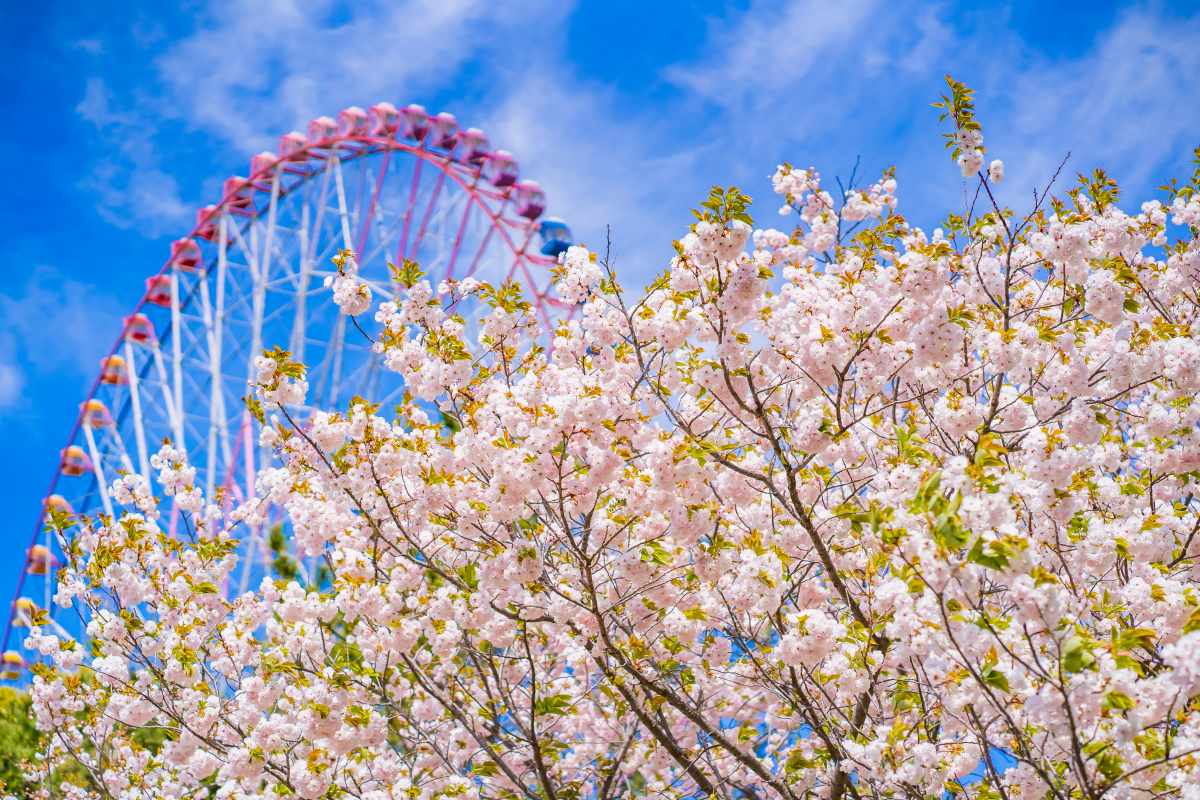

Best Places to See Autumn Leaves in Tokyo

Tokyo transforms in late autumn: gingko boulevards glow gold, maples blaze crimson, and classic stroll gardens stage evening light-ups. Here’s your complete, research-backed guide to timing, top spots, and smart planning.
When is Peak Autumn Foliage in Tokyo?
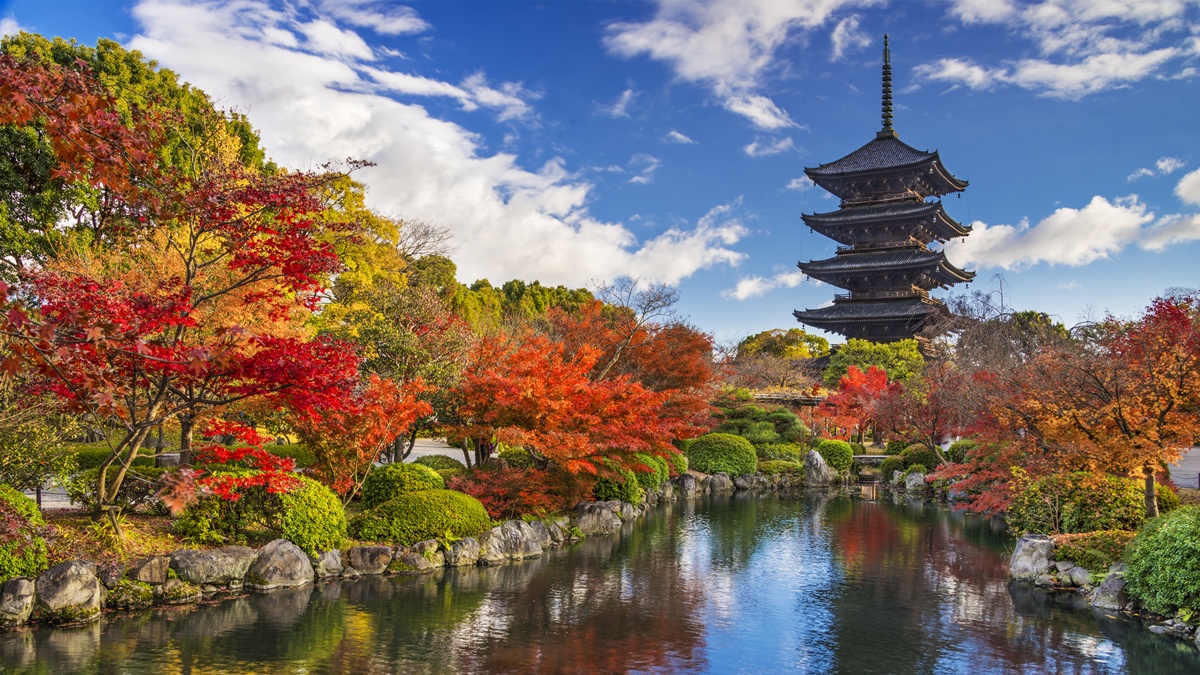
Tokyo’s colors typically peak from mid-November into early December. Nationwide patterns show the wave of color reaching Tokyo in the second half of November, with many spots still beautiful into early December. For current-year timing and event updates, Go Tokyo’s official forecast page tracks the season as it approaches and highlights key viewing spots across the city.
Top Places to See Autumn Leaves in Tokyo
1) Shinjuku Gyoen National Garden (Shinjuku)
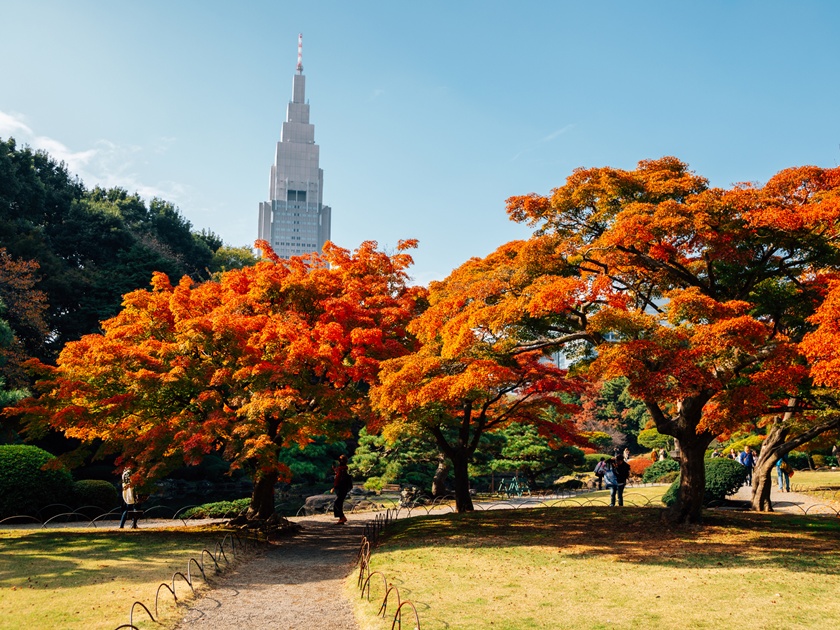
A vast, meticulously kept garden blending Japanese, French, and English-style landscapes—perfect for wide shots of gold ginkgo paired with scarlet maples.
Why go: Variety of tree species and classic pond views; very reliable foliage.
Good to know:Open 9:00–16:30 (last entry 16:00) from Oct 1–Mar 14; closed Mondays (open daily Nov 1–15). Admission: Adults ¥500; seniors/students ¥250; children free.
2) Rikugien Garden (Bunkyō)

An Edo-period strolling garden celebrated for maples surrounding a central pond. In peak season, it usually hosts nighttime illuminations (extended hours during foliage season).
Why go: Some of Tokyo’s most photogenic maple reflections and classic teahouse vistas.
Good to know: The official garden page lists access (Komagome Station ~7 min). Illumination dates vary each year and are announced closer to the season.
3) Koishikawa Kōrakuen (Bunkyō)
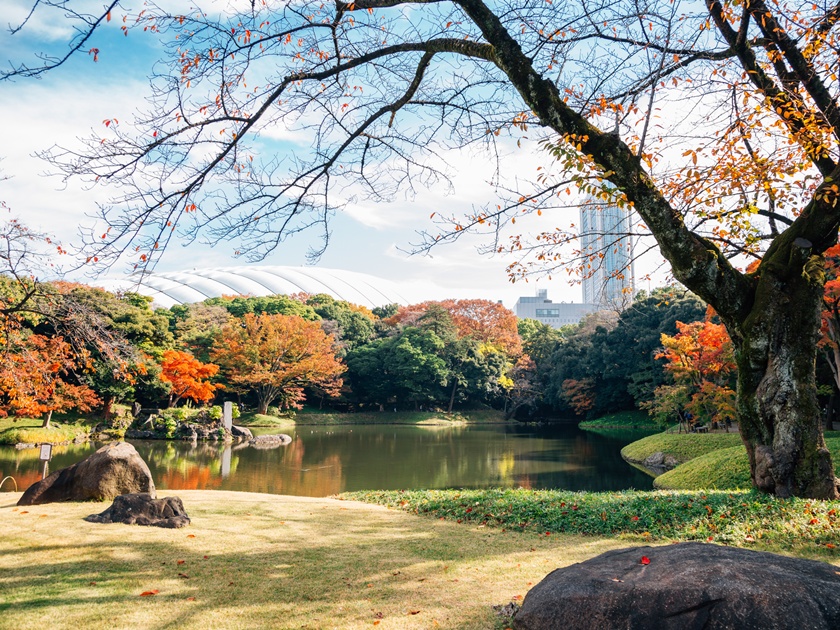
A historic landscape garden that artfully blends Japanese and Chinese design. Maples ring its ponds, with small ginkgo groves turning gold near the east entrance.
Why go: Picture-perfect bridges, ponds, and layered color.
Good to know: Late November–early December is especially lovely.
4) Meiji Jingu Gaien (Icho Namiki / Ginkgo Avenue) (Aoyama)

Tokyo’s most famous ginkgo boulevard forms a 300-meter tunnel of gold leading toward the Meiji Memorial Picture Gallery.
Why go: Iconic photos beneath 146 aligned ginkgo trees, usually at their best mid- to late November; a seasonal Ginkgo Festival is typically held around the peak.
5) Ueno Park (Taitō)
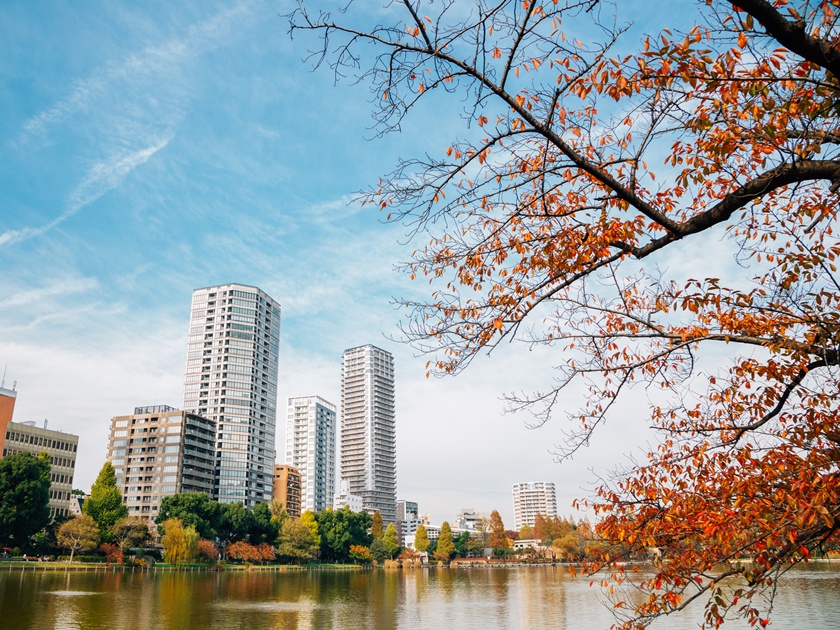
One of Japan’s oldest public parks with museum-lined promenades and foliage around Shinobazu Pond.
Why go: Easy to combine leaf-peeping with world-class museums and the zoo; multiple tree varieties (ginkgo, zelkova, maple).
Good to know: Official guides profile Ueno Park as a year-round green hub; expect the best color mid-Nov to early Dec.
6) Yoyogi Park (Shibuya)
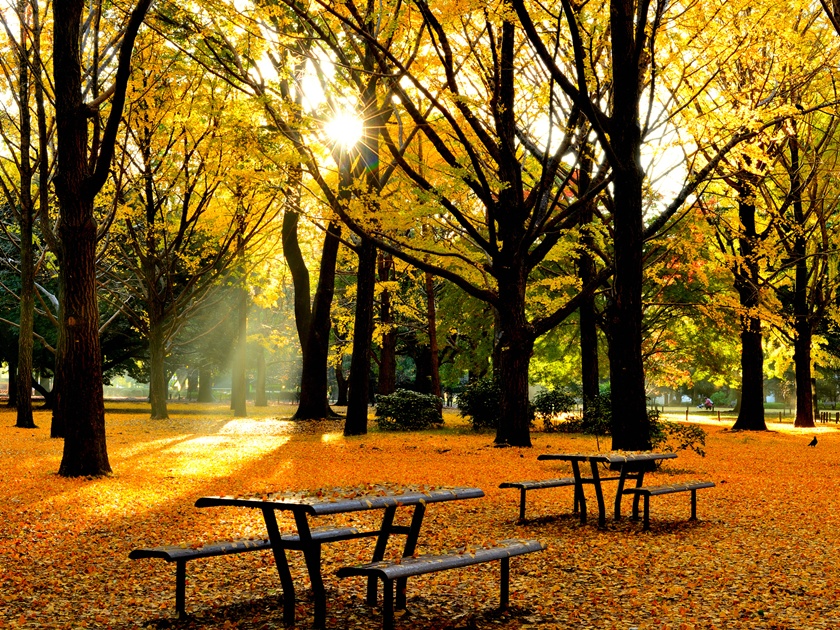
A beloved urban green next to Harajuku and Meiji Shrine, with broad lawns and leafy walking/cycling loops.
Why go: Casual, picnic-friendly foliage views; great for families and street-snack detours to nearby Takeshita-dori.
Good to know: No illumination events; easy daytime strolls. Access via JR Harajuku, Meiji-Jingumae, or Yoyogi-Koen stations.
7) Mount Takao (Day Trip from Central Tokyo)
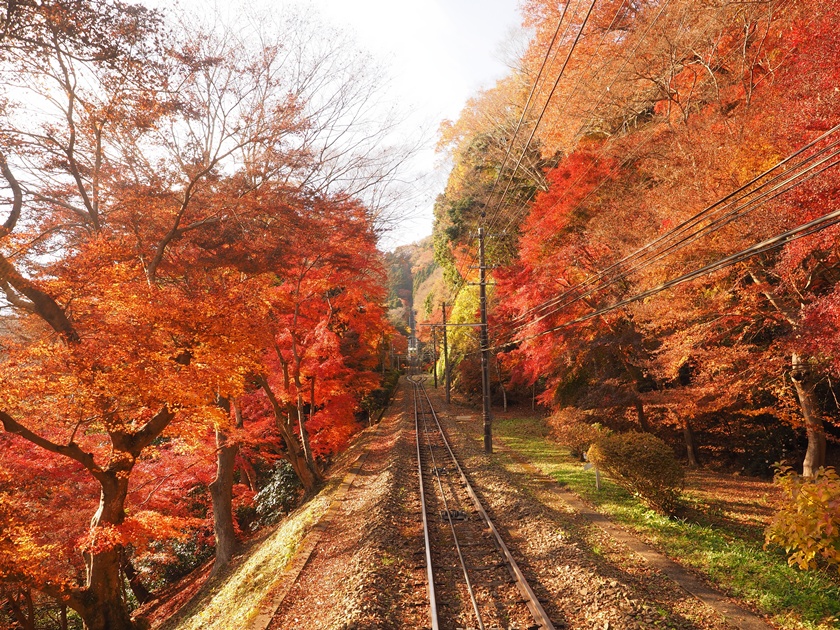
About an hour west of Shinjuku, Mt. Takao delivers forested trails and sweeping city views with vibrant maples.
Why go: A classic “nature near the city” hike; a November Momiji (autumn leaves) festival typically runs most of the month.
Good to know: Best colors are usually mid-Nov to early Dec; weekends can be crowded—go early or on weekdays.
Practical Tips for Enjoying the Leaves
- Timing & light: Shoot early morning or late afternoon for soft light and fewer crowds. Many gardens open at 9:00, so arrive just before. Shinjuku Gyoen’s seasonal schedule and special open period (Nov 1–15) can help you plan.
- Illuminations: Garden light-ups (notably at Rikugien) create dramatic nighttime scenes. Check dates each year via official updates or national tourism listings.
- Access: Most central spots are steps from major stations—e.g., Rikugien via JR/Metro Komagome.
- Costs: Public parks like Ueno and Yoyogi are free to enter (museums/zoos extra). Shinjuku Gyoen is ticketed (see above).
- Crowds: Peak weekends get busy—go on weekdays or right at opening. Mt. Takao is especially crowded during the festival period.
Where to Stay in Autumn (for easy access)
- Shinjuku: Quick trains to Shinjuku Gyoen and Mt. Takao; excellent transit hub for day trips.
- Shibuya/Harajuku: Walkable to Yoyogi Park and Meiji Jingu Gaien.
- Ueno: Handy for Ueno Park and northern Tokyo lines (plus shinkansen). Official guides outline amenities and connectivity for the Ueno and Yoyogi areas.
Sample 1–2 Day Itineraries
One Perfect Day (Central Tokyo)
- Morning: Shinjuku Gyoen for calm ponds and maples. (Be there by 9:00.)
- Midday: Train to Rikugien; loop the pond path and teahouse vistas.
- Late afternoon: Meiji Jingu Gaien ginkgo avenue for golden-hour photos.
- Evening (if scheduled): Return to Rikugien for illumination.
Day Two (Park + Nature)
- Morning: Ueno Park strolls and museum stop or pond views at Shinobazu.
- Afternoon: Head west for Mt. Takao hike; ride the cable car if short on time. (Expect peak crowds on festival weekends.)
Quick Map & Access Notes (by station)
- Shinjuku Gyoen: Shinjuku-gyoemmae / Sendagaya / Shinjuku Sanchome. Ticketed entry; seasonal hours.
- Rikugien: Komagome (JR Yamanote / Metro Namboku), ~7-minute walk.
- Koishikawa Kōrakuen: Near Iidabashi / Korakuen stations.
- Meiji Jingu Gaien (Icho Namiki): Walk from Aoyama-itchome, Gaiemmae, or Shinanomachi.
- Ueno Park: Right by Ueno Station (JR/Metro hub).
- Mount Takao: Takaosanguchi Station (Keio Line from Shinjuku). Peak mid-Nov–early Dec; festival in November.
Falling for Tokyo
Tokyo in autumn is basically a real-life filter—golden ginkgos, fiery maples, and peaceful stroll gardens that feel straight out of an anime scene. Whether you’re chasing that perfect Insta shot, planning a cozy date walk, or just vibin’ with nature before winter hits, now’s the time to lock in your trip. Don’t sleep on it—book your autumn adventure in Tokyo and catch those leaves before they ghost you.