Machu Picchu in the Sky: Inside Tokyo’s CREVIA Inca Treasures Exhibition

High above Tokyo, on the 52nd floor of Roppongi Hills Mori Tower, the CREVIA Machu Picchu Exhibition brings the lost world of the Incas into a sleek, glass-and-steel gallery. Officially recognized by the Peruvian government and created in partnership with Lima’s renowned Museo Larco, this show gathers around 130 precious Inca and Andean artifacts, many of them leaving Peru for the first time. Alongside the real treasures is a high-tech, immersive digital recreation of Machu Picchu, letting you “walk” the famous citadel through lights, sound, and large-scale projections.
What Is the CREVIA Machu Picchu Exhibition?
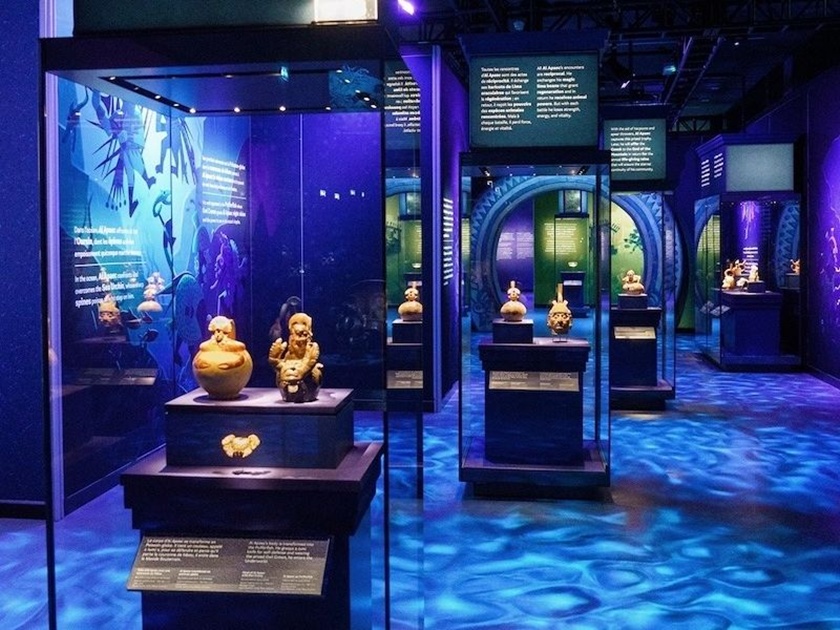
This is a limited-time, Peru-authorized exhibition running at Mori Arts Center Gallery, an art space adjoining the observation deck at Roppongi Hills. The show is part of a global touring exhibition that began in the United States in 2021 and has already drawn more than 540,000 visitors worldwide before making its Asia debut in Tokyo.
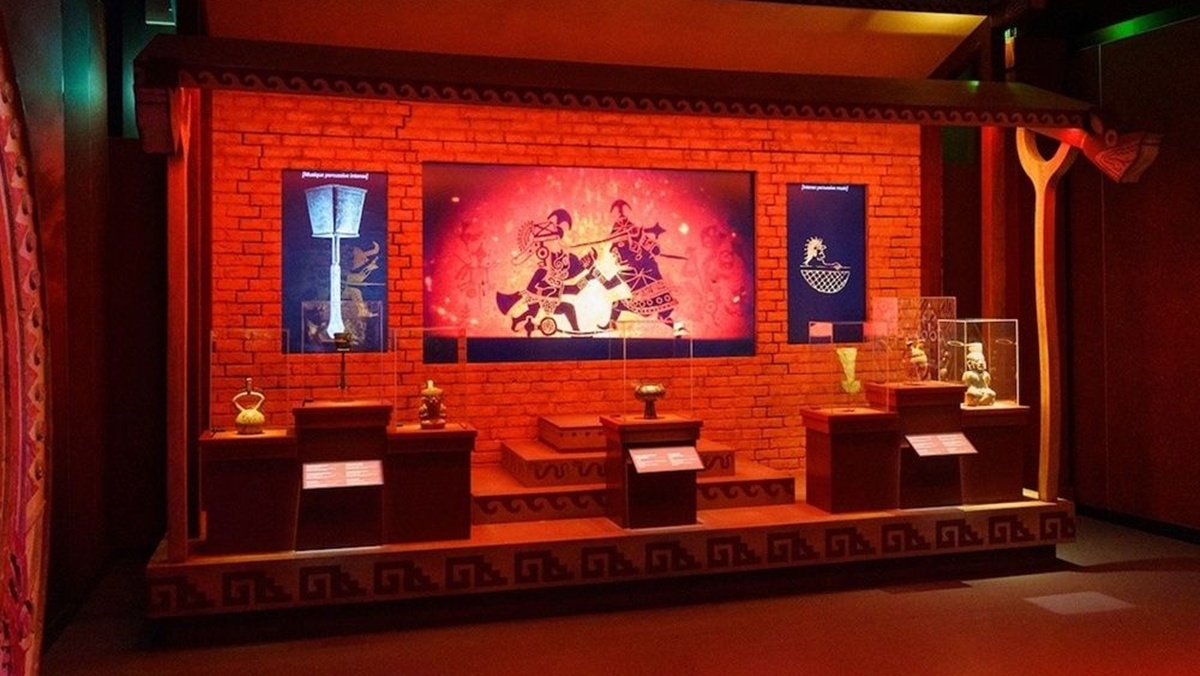
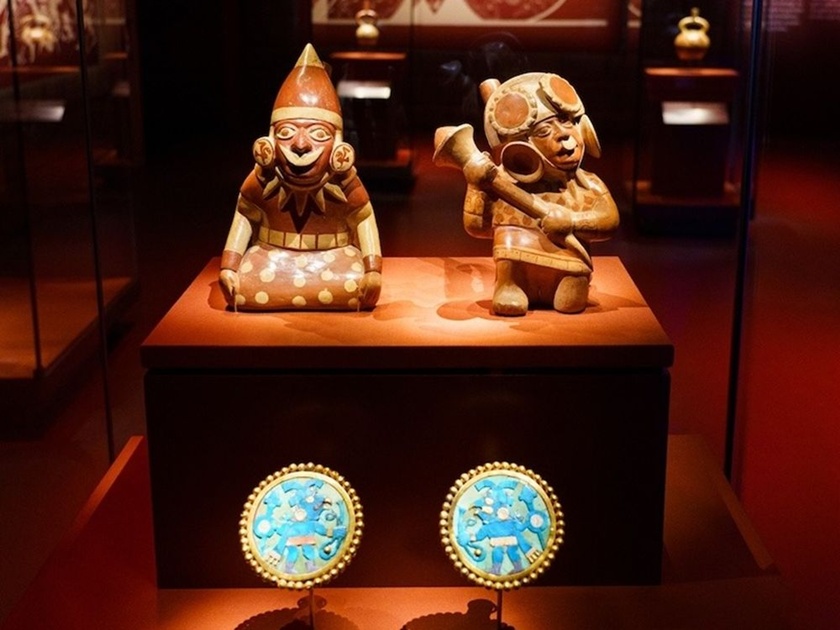
At its heart is a loan from Museo Larco, one of Peru’s most important archaeological museums. About 130 artifacts—including gold ornaments from royal tombs and ceremonial objects used in temple rituals—trace the story of ancient Andean civilizations. Some of these items are being displayed outside Peru for the very first time.
Exhibition Highlights
1. 130 Rare Inca & Andean Artifacts
You’ll see:
- Golden ornaments excavated from royal tombs
- Ritual vessels and ceremonial objects used in sacred spaces
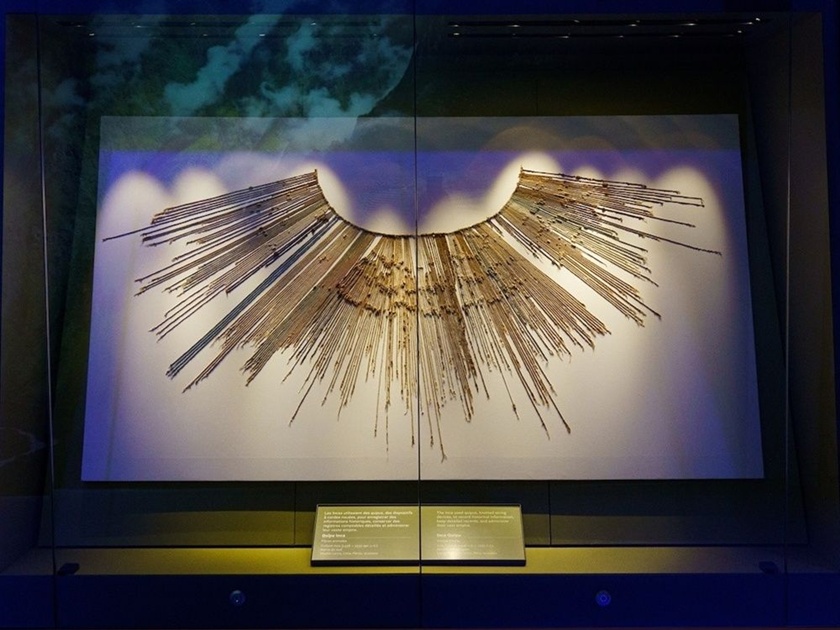
- Other carefully preserved treasures reveal how the Inca and earlier Andean cultures lived, worshipped, and ruled.
Labeling and gallery design (guided by Mori Arts Center’s usual style) put the focus on craftsmanship—fine metalwork, intricate patterns, and iconography that would normally require a long-haul flight to Lima to see.
2. A Digital Machu Picchu You Can Walk Through
Beyond the display cases, the exhibition opens into an immersive digital environment that recreates Machu Picchu using large projections and cutting-edge visual effects.
Think:
- Vast mountain vistas stitched from light
- Pathways and terraces reimagined through digital mapping
- A narrative that follows the Andean mythological hero Ai Apaec, turning the visit into an “epic adventure” rather than a static history lesson.
3. Mythology, Storytelling & Multimedia Guides
To get more out of each room, visitors can use a multimedia guide on their own smartphone, with audio and extra content that dives into Inca mythology, archaeology commentary, and behind-the-scenes stories about the artifacts.
Just remember: you’ll need to bring your own phone and earphones to use it.
Where It’s Held: Mori Arts Center Gallery, Roppongi Hills
The exhibition takes place at:
Mori Arts Center Gallery, Roppongi Hills Mori Tower 52F
6-10-1 Roppongi, Minato-ku, Tokyo
You’re not just getting Machu Picchu—you’re also getting jaw-dropping city views, plus easy access to restaurants, shops, and Tokyo City View in the same complex.
Access
- Tokyo Metro Hibiya Line – Roppongi Station (Exit 1C)
- About 3 minutes on foot, directly connected via the Roppongi Hills concourse.
- Toei Oedo Line – Roppongi Station (Exit 3)
- About 6 minutes on foot.
- Toei Oedo Line – Azabu-juban Station (Exit 7)
- About 9 minutes on foot.
Tokyo Metro Chiyoda Line – Nogizaka Station (Exit 5)
- About 10 minutes on foot.
- Tokyo Metro Namboku Line – Azabu-juban Station (Exit 4)
- About 12 minutes on foot.
Plan a little extra time for elevator lines on busy days—everyone is heading to the 52nd floor.
Dates, Hours & Ticket Basics
Exhibition Period
- November 22, 2025 – March 1, 2026 (no regular closed days announced)
Opening Hours
- Sunday–Thursday: 10:00–19:00 (last entry 18:00)
- Friday, Saturday & days before holidays: 10:00–20:00 (last entry 19:00)
- Year-end / New Year (Dec 29 – Jan 4): 10:00–19:00 (last entry 18:00)
Hours may change for special events or unforeseen reasons, so it’s smart to check the official exhibition website or Mori Arts Center Gallery news before you go.
Ticket Types & Prices (Overview)
On Veltra and other ticketing sites, you’ll typically find:
- Advance tickets
- Adult prices starting around USD 17–18 equivalent
- Student and elementary school tickets at reduced prices
- Same-day tickets
- Slightly higher than advance tickets
Key details:
- Tickets are required for elementary school students and above.
- Preschool children can enter free (up to two per adult), no time-slot reservation needed, but must be accompanied by a guardian.
- Visitors with eligible disability certificates can purchase half-price tickets at the venue ticket counter; one accompanying person may also be discounted.
Always refer to your booking page for the latest pricing and availability.
Timed Entry: How It Works
This is a timed-entry exhibition, which helps spread out crowds:
- You choose a date and time slot when you book.
- You can enter anytime within your chosen time slot; you’re not forced to leave at a particular time.
- Each ticket is valid for one person, one entry only, on the printed date and time—no re-entry.
During peak hours (weekends, holidays, final weeks), even timed tickets may involve a short wait before entering.
Local tip: Aim for weekday mornings or later evening slots if you prefer a calmer experience.
What to Expect Inside
Exhibition Flow
While the exact layout may change, most visitors can expect:
- Intro galleries – Setting the scene with ancient Andean history and how Machu Picchu fits into that world.
- Artifact rooms – Display cases of gold, ceramics, and ritual objects loaned from Museo Larco.
- Immersive zone – A digital Machu Picchu and storytelling centered on Ai Apaec and the “golden empires” of Peru.
Signage and guides (often in Japanese and English) help you follow the narrative from empire to empire and from myth to archaeological reality.
Venue Rules: What You Can’t Bring or Do
To protect the artifacts and ensure everyone enjoys the show, keep these rules in mind:
- No flash photography, video recording, or audio recording inside the exhibition.
- No selfie sticks or tripods.
- No food, drinks, or strong-smelling items inside the venue.
- Large luggage and certain bulky items may be refused or need to be stored/left outside.
- Pets are not allowed, but guide dogs, hearing dogs, and other assistance dogs are permitted.
- During busy times, families may be asked to park strollers in a designated area.
Also note:
- Media coverage may be happening; you might appear in background photos or footage used on websites or social media.
Practical Tips for Visitors
A few easy ways to upgrade your experience:
- Bring your own smartphone & earphones to use the multimedia guide.
- Arrive 10–15 minutes early to allow for ticket exchange and elevator lines.
- Travel light—avoid large bags and luggage that might be restricted inside the gallery.
- Check the official site on the day of your visit for any last-minute schedule changes or special notices.
- Make it a half-day in Roppongi: pair the exhibition with Tokyo City View, the Mori Art Museum, or a meal at nearby cafés or The Sun & The Moon restaurant, which is offering a special Peruvian-inspired collaboration menu during the run.
Who Will Love This Exhibition?
- Culture & history fans who want a deep dive into the Inca Empire and Andean mythology.
- Japan-based travelers dreaming of Machu Picchu but not ready to book the long-haul flight yet.
- Families & students looking for an educational outing that’s still visually exciting.
- Date-night or friend-group planners who like combining art, skyline views, and dinner in one stylish stop.
The blend of rare artifacts, storytelling, and digital immersion makes it engaging even if you’re not usually a “museum person.”
Frequently Asked Questions (FAQs)
Machu Picchu, But Make It Tokyo
If Machu Picchu has been living rent-free in your head, this is your sign to finally get a little closer. You get: once-in-a-lifetime artifacts, a digital deep dive into the Inca world, and that “I-just-traveled-time-and-space-in-an-afternoon” feeling. All you have to do is pick your time slot, grab your phone and earphones, and show up.