Tokyo Winter Escape: Nikko Kamakura Snow House Festival & Strawberry Picking

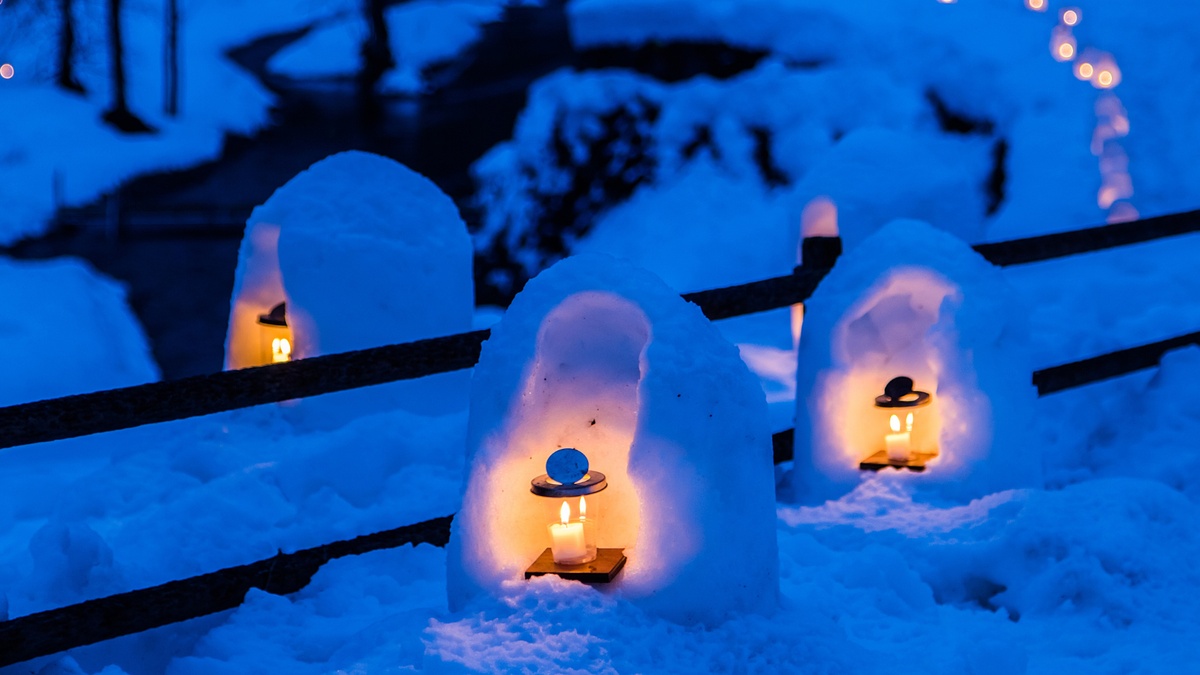
Glowing mini snow huts along a quiet riverside. Steam rising from the mountain hot springs. Juicy, just-picked strawberries under a cosy greenhouse roof. This winter day trip wraps three Japan icons—Yunishigawa Onsen’s Kamakura Snow House Festival, Heike no Sato folk village, and Tochigi’s famed strawberries—into one easy, photogenic adventure from Tokyo.
Fast Facts
- When it happens: Late January–early March annually. 2025 ran Jan 31–Mar 2; 2026 is Jan 30–Mar 1.
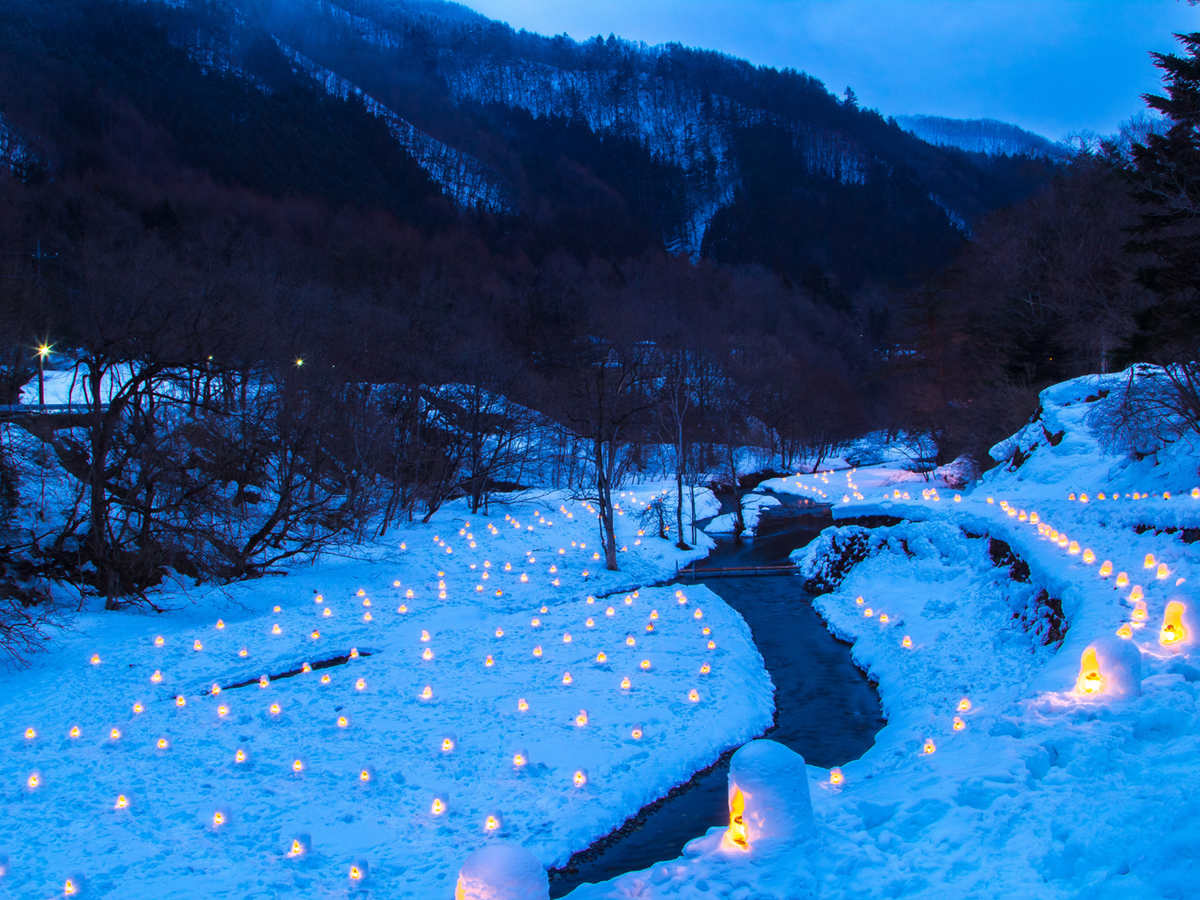
- Where the lights are: Night illuminations at Heike no Sato (main venue) and the Sawaguchi riverbed; Sawaguchi typically lights up on Fri–Sun during the run. Illuminations are commonly 17:30–21:00.
- Strawberry season in Tochigi: generally December–May, with beloved local varieties Tochiotome and Skyberry.
What Makes the Kamakura Snow House Festival Special?
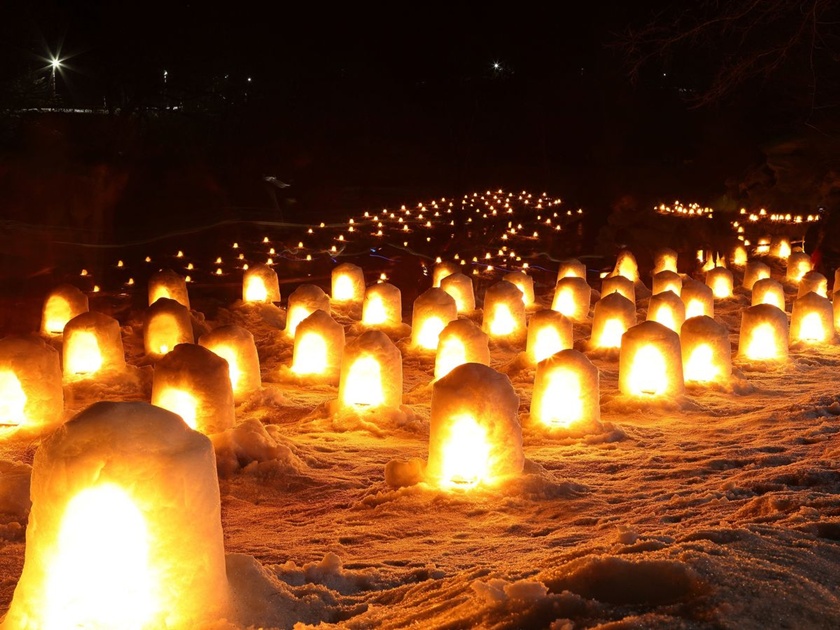
After dark, hundreds of hand-made mini kamakura (snow domes) glow with candlelight across Yunishigawa Onsen. The main stage is Heike no Sato, a thatched-roof village museum, while rows of tiny kamakura along the Sawaguchi riverbed form the festival’s most iconic nightscape—recognised as part of Japan’s Night View Heritage.
2025 reference: Illumination dates were Jan 31–Mar 2 with multiple venues active; the pattern recurs yearly with small shifts. 2026 dates are confirmed Jan 30–Mar 1. Always check the current year’s specifics before you go.
Strawberry Picking in Japan’s “Strawberry Kingdom”
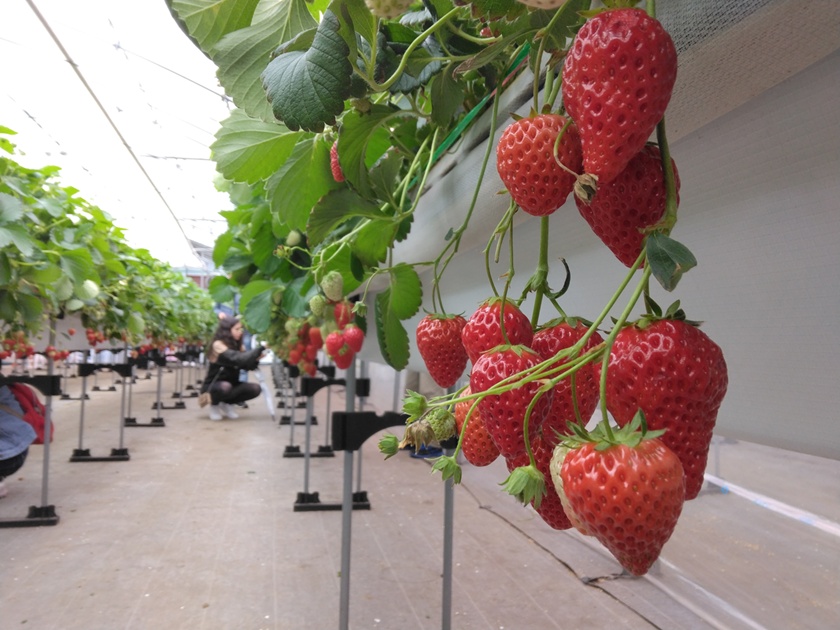
Tochigi has led Japan’s strawberry production for decades and is the home base for Tochiotome (balanced, juicy) and Skyberry (large, refined). You’ll pick inside warm greenhouses—sweet, zero-effort winter fruit. Expect roughly 30 minutes of all-you-can-eat picking on the tour.
Tour Flow: How your Day Usually Looks
(Exact timing varies by season and traffic, but this is the typical rhythm.)
- Depart Shinjuku by coach — meet near the LOVE statue, then roll north toward Nikko.
- Strawberry picking (~30 min) — taste multiple varieties right off the vine.
- Michi-no-Eki Nikko Kaido “Niko-Niko Honjin” — a handy stop for snacks, souvenirs, and a small museum dedicated to composer Toru Funamura.
- Heike no Sato & evening light-up — explore the folk village by twilight, then enjoy the candlelit kamakura (commonly 17:30–21:00).
- Return to Shinjuku — arrive late evening.
DIY vs. Guided: Which is Right for You?
Guided day tour (easiest): Transport, timing, and tickets handled for you, which is especially helpful in winter conditions and with limited rural bus schedules at night.
DIY (for planners): From Asakusa, take the Tobu Railway toward Yunishigawa-Onsen Station (sample itinerary shows ~2 hr 40 min on Limited Express Revaty), then continue by local bus into the valley. Note that buses are infrequent, and the last bus to town can be early—plan carefully if staying for the night illuminations.
What to Wear & Bring (winter-proof your night)
Waterproof boots with tread, warm layers, hat/gloves, disposable heat packs, and a spare phone battery (cold saps charge). For photos, a phone with Night Mode or a fast lens is ideal.
Key Stops You’ll Love
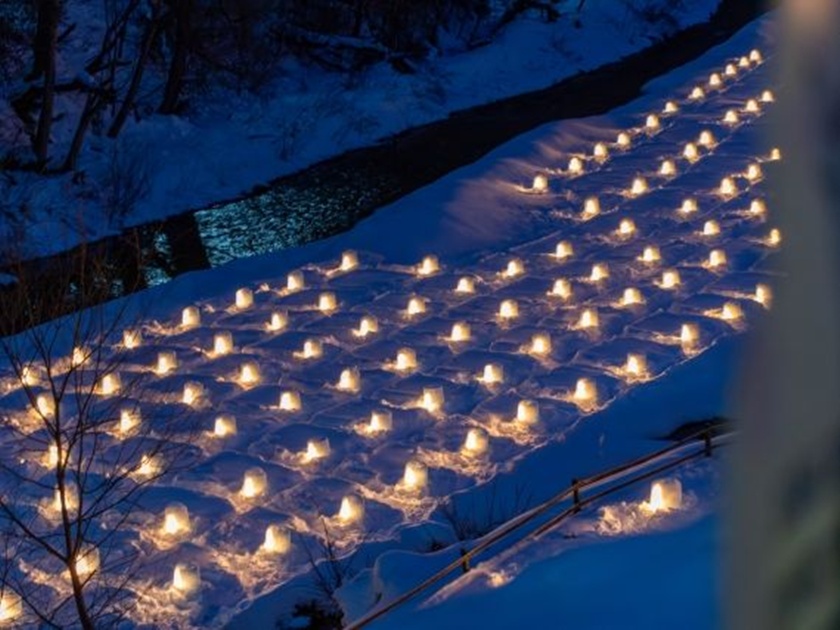
- Heike no Sato (平家の里) — an open-air village that becomes otherworldly under snow and lantern light.
- Sawaguchi Riverside — that famous grid of glowing mini kamakura along the riverbank (often lit Fri–Sun).
- Michi-no-Eki Nikko Kaido “Niko-Niko Honjin” — local products, eats, and the Toru Funamura mini-museum.
Frequently Asked Questions (FAQs)
Berries, Bus, & Big Aesthetic
One coach. Two core memories. Endless pics. This is the Tokyo day trip that actually delivers. Grab your spot before the mini-kamakura melt.