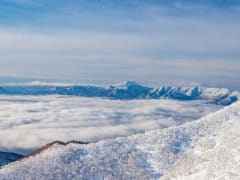
When winter blankets northeastern Hokkaido in snow and sea ice, Shiretoko Peninsula and Abashiri transform into one of Japan’s most magical winter destinations — a wild, pristine landscape of drift ice, frozen seas, snowy forests, and wildlife rarely seen elsewhere. The “Shiretoko / Abashiri Winter Tours” category brings together curated tours and activities that let you experience this rare seasonal beauty safely and memorably.
Shiretoko & Abashiri Winter Drift Ice Tours & Activities
What You’ll Find in This Category
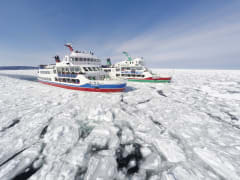
Drift Ice Cruises & Icebreaker Ships
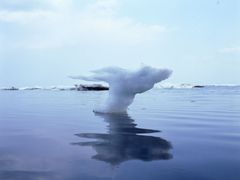
Board an icebreaker (such as the Aurora Icebreaker Ship) from Abashiri or Rausu to power through thick sea ice and experience the frozen Sea of Okhotsk up close. Expect surreal winter seascapes, the sound of cracking ice under the hull, and panoramic views from both the heated interior and the open observation decks.
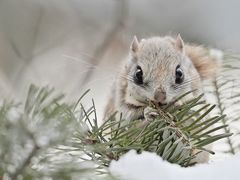
Wildlife & Bird-Watching Cruises
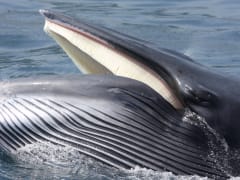
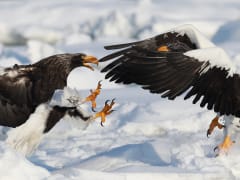
During winter, the frozen seas attract marine mammals and migratory birds, including seals and majestic sea eagles such as Steller's sea eagle and White-tailed sea eagle. Winter wildlife cruises offer rare photo opportunities and the chance for close (yet respectful) encounters with Arctic and sub-Arctic species.
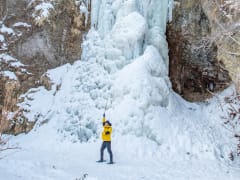
Snowshoeing, Ice Walks & Winter Hikes
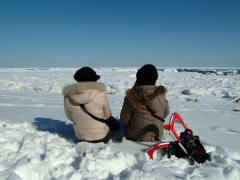
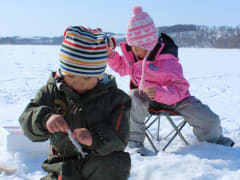
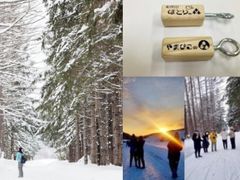
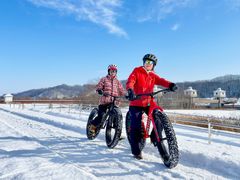
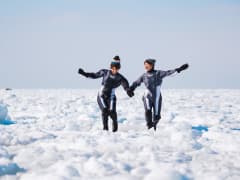
Explore snow-covered forests, frozen lakes, and quiet trails around the Shiretoko Peninsula on snowshoe tours, guided ice-walks, and winter hiking experiences. These guided activities provide a deeper, more immersive appreciation of the region’s tranquil winter wilderness.
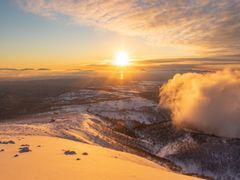
Scenic Views & Quiet Nature
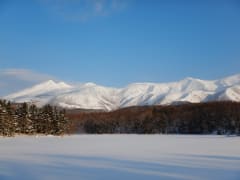
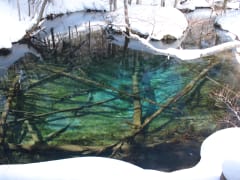
With fewer tourists and clear, crisp winter air, Shiretoko & Abashiri offer peaceful, breathtaking vistas: frosty coastlines, drift-ice horizons, snow-laden forests, and serene lakes. It’s an ideal retreat for travelers seeking solitude, slow travel, and pristine natural beauty.
Why Choose a Tour — Not Solo Travel
Winter in Shiretoko and Abashiri is remote, and weather conditions can be harsh. Snow, sea ice, and sudden changes in wind or visibility make self-guided travel challenging and potentially unsafe. Joining a guided winter tour ensures you can enjoy the highlights with peace of mind.
- Safety & Expertise: Guides provide expertise, safety briefings, and equipment for sea-ice navigation, ice walks, and snow hikes.
- Access to Special Experiences: Activities such as icebreaker cruises and drift-ice walks are only possible with licensed vessels and experienced operators.
- Local Knowledge: Guides know the best timing for drift ice conditions, wildlife spotting, photography viewpoints, and winter logistics like transport and lodging.
Who This Category Is Good For
Nature & Wildlife Lovers
Perfect for travelers who dream of seeing Arctic wildlife, including sea eagles, seals, and other marine animals, surrounded by dramatic ice-covered landscapes.
Adventure Seekers
Ideal for those who want a unique winter adventure, from icebreaker cruises and drift-ice walks to guided snowshoe treks through untouched forests and along frozen coastlines.
Photography Enthusiasts
Shiretoko & Abashiri in winter are a dream for photographers: frozen seas, snowy cliffs, wildlife against icy backdrops, and glowing winter sunsets over the Sea of Okhotsk.
Travelers Seeking Quiet & Solitude
Because winter draws fewer crowds, you can enjoy a serene, off-the-beaten-path Japanese winter getaway far from busy city sightseeing spots.
Travelers Short on Time
Many tours combine multiple highlights—such as an icebreaker cruise, a short snow hike, and scenic viewpoints—into a compact schedule, making it easy to enjoy a full winter-nature experience even on a tight itinerary.
How to Choose the Right Tour
When comparing Shiretoko & Abashiri winter tours, think about what kind of experience you want and how much time you have. The points below can help you pick the best option:
- Comfort vs. Adventure: Decide whether you prefer a relaxed cruise in a warm, heated cabin or a more active itinerary that includes snowshoeing and drift-ice walks.
- Tour Duration: Some experiences are short and perfect for a half-day or day trip (such as a standalone icebreaker cruise), while others combine multiple activities over one or more days.
- Wildlife vs. Scenic Focus: If your main goal is wildlife (sea eagles, seals, birds), choose a bird- and animal-watching cruise. If you want dramatic landscapes and panoramic photo spots, look for tours that combine cruising with snow hikes or ice walks.
- Season & Ice Conditions: Drift ice and sea-ice activities depend heavily on weather and sea conditions. Late January to March is typically the best season for icebreaker cruises and drift-ice viewing.
- Comfort & Accessibility: Because this region is remote in winter, guided tours that include transportation, winter gear, and assistance on icy terrain are highly recommended, especially for first-time visitors.
FAQ
When is the best time for Shiretoko / Abashiri winter tours?
The drift ice season typically runs from late January to late March. This period offers the best conditions for icebreaker cruises, drift-ice sightseeing, and wildlife watching on the frozen Sea of Okhotsk.
What kind of weather and conditions should I expect?
Expect cold temperatures, snow-covered landscapes, sea ice, and possibly strong winds. Conditions can be harsh, but many tours provide heated cabins on cruises and experienced guides for snow hikes or ice walks to ensure safety and comfort.
Do I need special equipment or clothing?
Yes. For snowshoeing or walking on ice, warm waterproof clothing, insulated boots, gloves, hats, and layered outfits are essential. On cruises, the ship’s interior is heated, but the open deck used for photos and wildlife viewing can still be very cold and windy, so proper winter gear is strongly recommended.
Will I definitely see wildlife such as sea eagles or seals?
Wildlife sightings can never be guaranteed, as they depend on nature, weather, and sea conditions. However, many tours report very good chances of seeing sea eagles—hundreds gather in the area during drift-ice season—as well as seals and other marine life.
Is it safe to go on ice drift cruises or ice walks?
Yes, when you travel with experienced, licensed operators and follow their safety instructions. Winter tours are carefully planned around sea-ice and weather conditions. Self-driving or attempting to explore frozen areas alone is not recommended due to snow, ice, and visibility hazards.