Autumn Festivals & Events in Japan You Shouldn’t Miss

Experience Japan’s most magical season: crisp air, flaming maples, harvest flavors—and nighttime spectacles that make shrines and gardens glow. From serene Tsukimi (moon-viewing) to high-energy aki matsuri (harvest festivals) and breathtaking light-ups, here’s your complete guide to planning an unforgettable autumn trip.
When Is Autumn in Japan?
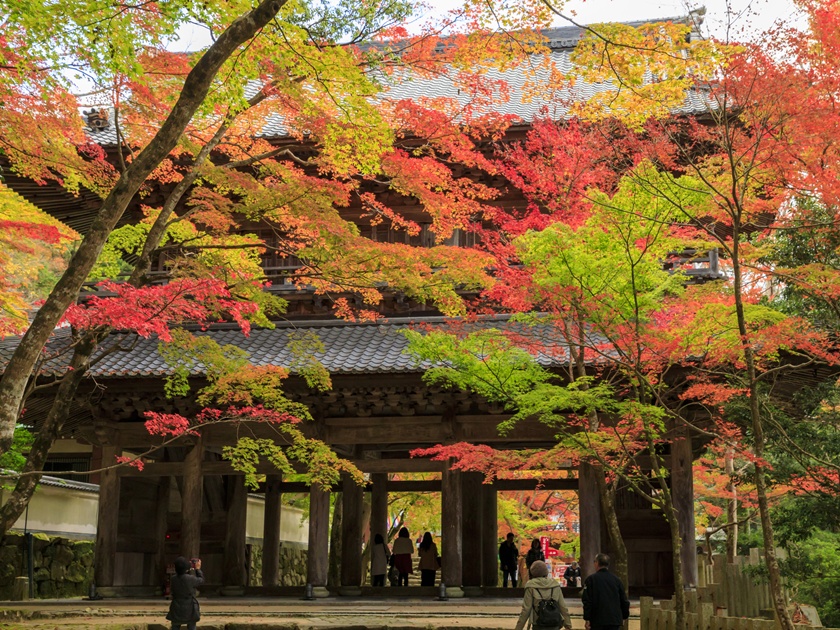
Autumn generally runs from early September–late November, peaking later the farther south and the lower the altitude.
- Hokkaido & Tohoku: late September–mid October
- Kanto / Chubu / Kansai: late October–late November
- Shikoku & Kyushu: early–late November
Tip: Early September can still overlap with typhoon season. Build a flexible day or two into your plan.
Tsukimi (Moon-Viewing): How to Experience It
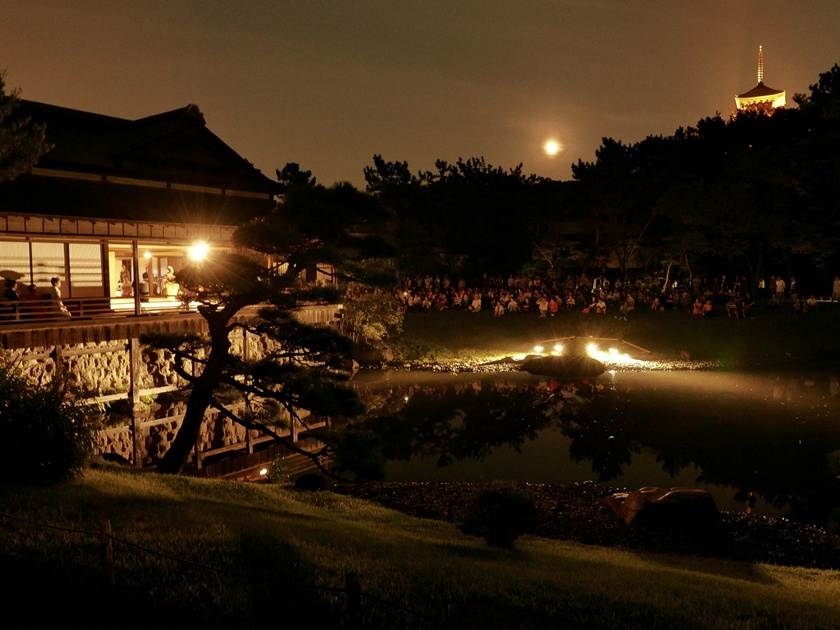
What is Tsukimi?
Tsukimi (お月見) is Japan’s autumn moon-viewing tradition, celebrating a bountiful harvest and the beauty of the full moon. Homes and tea rooms are decorated with susuki (pampas grass) and serve tsukimi dango (round rice dumplings), chestnuts, and seasonal wagashi. Many gardens and temples host quiet evening gatherings.
Where to Try It
- Japanese gardens with ponds and moon bridges (select nights may include tea, koto music, or boat rides).
- Castles & historic parks that occasionally extend hours for moon-viewing.
- Shrines & temples offering candlelit precincts or small concerts.
How to Do it Well
- Arrive for blue hour (20–40 minutes after sunset) for the best photos.
- Bring a light layer; temperatures drop quickly at night.
- Respect quiet hours; avoid flash photography; keep tripods minimal or use a clamp/beanbag if tripods aren’t allowed.
- Try seasonal treats: tsukimi dango, sweet potato (yaki-imo), chestnut sweets (kuri).
Harvest Festivals (Aki Matsuri) You Shouldn’t Miss
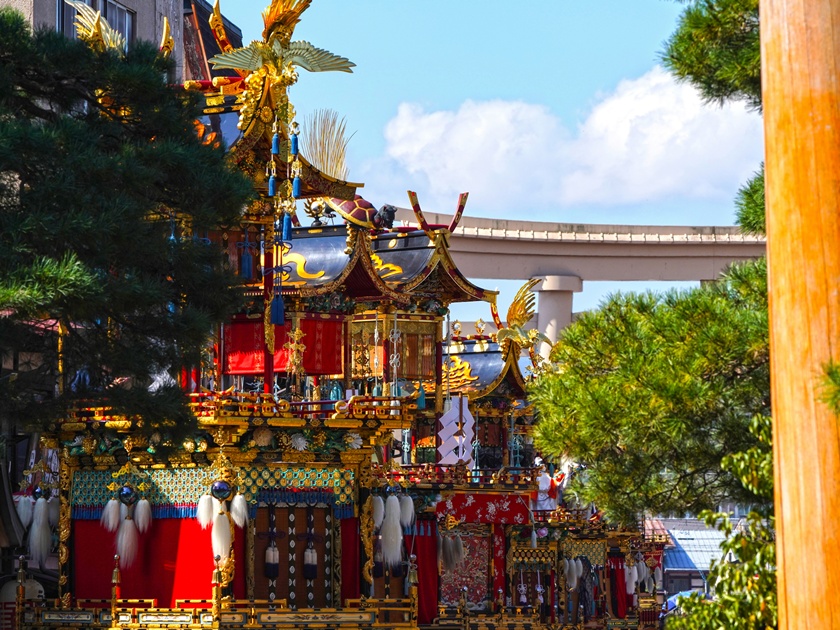
Autumn matsuri range from refined processions to thunderous float-pulling showdowns. Exact dates vary annually; plan for “early/mid/late” windows and check official pages closer to your visit.
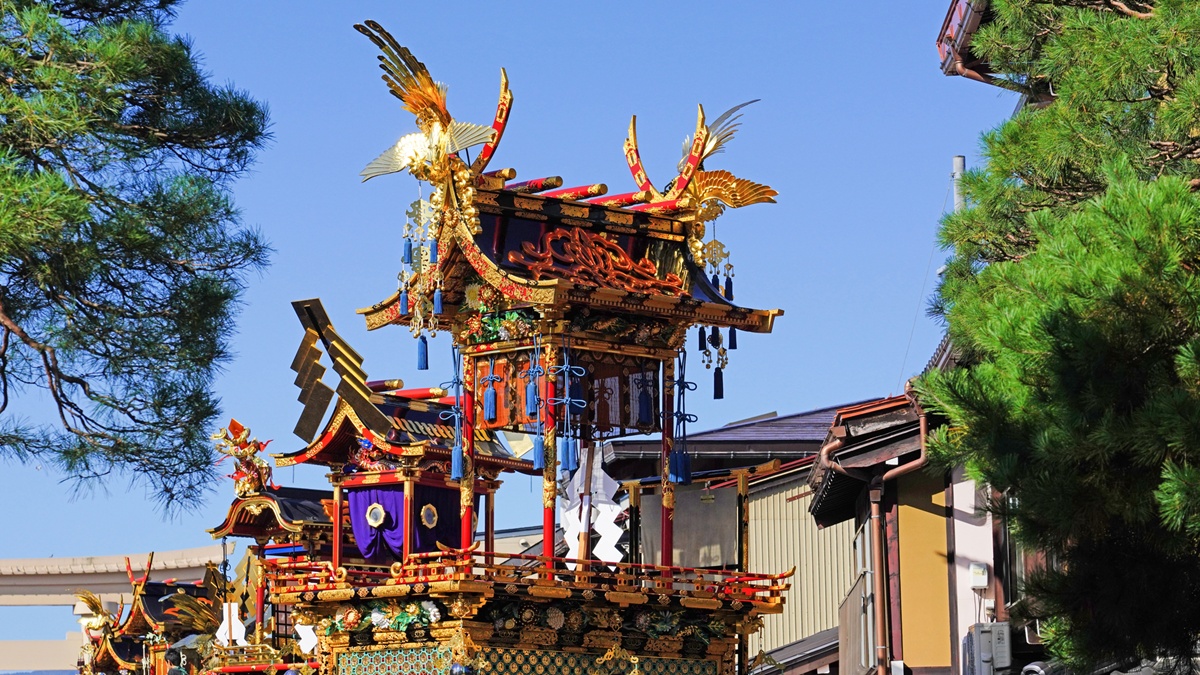
Takayama Autumn Festival (Gifu)
- Famous for exquisitely carved yatai floats and karakuri puppet performances winding through Edo-era streets.
- Plan it: JR Takayama Station; old town viewing streets; arrive early evening for lantern-lit floats.
Kawagoe Festival (Saitama)
- Edo-style floats with musicians face off in lively hikimawashi scenes amid a preserved warehouse district.
- Plan it: 30–45 min from central Tokyo (Tobu Tojo Line/JR); expect big crowds—book lodging early.
Nagasaki Kunchi (Nagasaki)
- Dynamic regional performances—dragon dances, boat-shaped floats—rotating venues around the city.
- Plan it: Street and shrine venues; consider paid seating for best views.
Nada no Kenka Matsuri (Himeji, Hyogo)
- Adrenaline-charged “fighting” festival where portable shrines (mikoshi) collide in ritual contests.
- Plan it: Safety first—avoid frontline crush zones with kids; use designated viewing areas.
Kishiwada Danjiri (Osaka)
- Heavy danjiri floats corner at speed, powered by teams sprinting through tight streets.
- Plan it: Station-adjacent routes; wear closed shoes; know escape alleys.
Shuki Taisai at Nikko Toshogu (Tochigi)
- Processions in lavish samurai attire and yabusame (horseback archery) amid cedar-lined avenues.
- Plan it: Combine with Nikko’s fiery foliage and waterfall day hikes.
Local Aki Matsuri 101
Even if you can’t hit the headliners, every region has neighborhood shrine festivals: taiko drums, lanterns, yatai street food (yakitori, okonomiyaki, taiyaki), and community parades. Ask your hotel for nearby events.
Must-See Autumn Foliage Light-Ups (Night Illuminations)
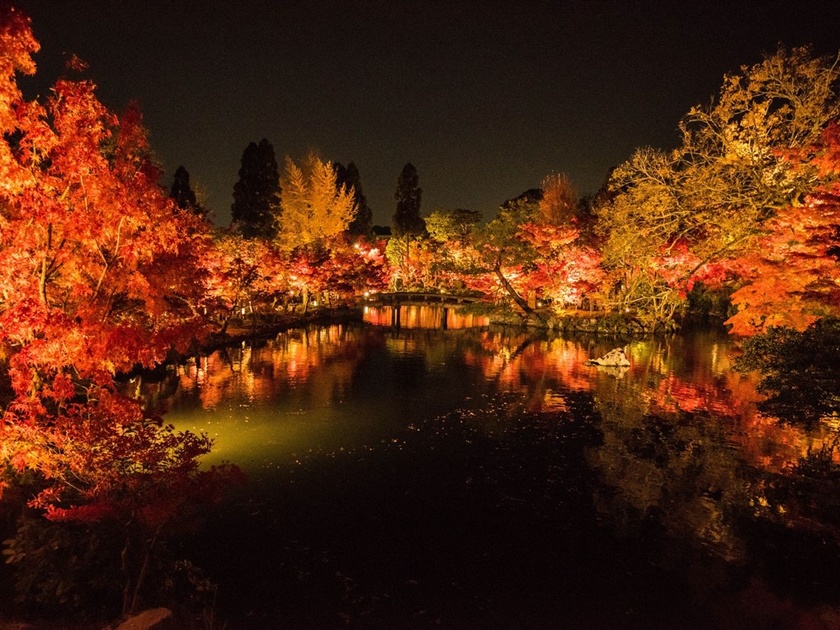
Why go at night?
“Light-ups” are limited-evening openings where gardens and temple grounds glow with carefully placed lighting. Maple leaves reflect in ponds; bamboo paths shimmer; tea houses frame the night sky—completely different from daytime visits.
Kyoto favorites (examples)
- Hillside temples with panoramic city views and reflective gardens.
- Stroll gardens with stepping stones over mirror-like ponds.
- Plan it: Timed entry is common; last-entry cutoffs matter. Go on weekdays or the final hour for fewer crowds.
Tokyo favorites (examples)
- Historic landscape gardens with teahouses and crimson maples.
- Urban parks and museum gardens that add seasonal projections.
- Plan it: Buy e-tickets when available; confirm tripod rules (often prohibited).
Central & Northern picks
- Castle parks and classic stroll gardens (e.g., samurai-era designs) are known for seasonal evening access.
- Plan it: Bring a compact umbrella; autumn showers are brief but frequent.
Contemporary Seasonal Events (Food, Sake, Theme Parks, Sports)
- Sake & Food Fests: Regional sake tastings; chestnut and sweet potato fairs; massive ramen festivals in major cities.
- Theme Parks & Halloween: Family-friendly parades by day, horror zones by night—check age guidance for scare mazes.
- Sports & Culture: The autumn sumo tournament (Aki Basho), school festivals with student-run cafés and performances.
- Illumination Art: Digital and interactive installations pop up in parks and waterfronts—great after dark.
Regional & Monthly Highlights (Sep–Nov)

September
Tsukimi begins; high-adrenaline danjiri-style matsuri; Hokkaido foliage starts in higher elevations.
October
Classic harvest festivals are in full swing, from Nikko processions to Takayama floats; mountain koyo spreads across central Japan.
November
Peak light-ups in Kyoto, Tokyo, and historic castle towns; sake and ramen fests thrive; late foliage in lowland parks and the south.
Tickets, Reservations & Crowd-Beating Tips
- Timed entry: Light-ups often sell specific slots—book early for popular weekends.
- Paid seating: Some matsuri offer ticketed stands with good sightlines.
- Arrive early or late: 60–90 minutes early for prime spots, or target the last entry window for thinner crowds.
- Weekday wins: Tuesdays–Thursdays are your best bet.
- Plan B: Keep a nearby covered shrine, museum, or café in mind for sudden rain.
Etiquette, Safety & Accessibility
- Shrine/temple respect: Keep voices low, follow one-way paths, avoid flash, and step aside during rituals.
- Collision festivals: Observe from designated areas; avoid crowd surges; ear protection for kids is smart.
- Waste & smoking: Use sorting bins near yatai; smoking is restricted to marked areas.
- Accessibility: Many heritage sites have stairs or gravel paths; look for accessible routes and rest areas. Wheelchair rentals may be available in larger cities.
What to Pack for Autumn Festivals
- Light layers (large day–night temperature swings)
- Rain shell and compact umbrella
- Comfortable water-resistant shoes
- Cash for yatai and small vendors (IC cards growing but not universal)
- Portable battery; pocket towel
- Tripod alternative (clamp/beanbag) if tripods are restricted
Leaf your Comfort Zone!
Autumn in Japan is calling. Moonlit vibes, lantern-lit streets, and snacks that slap. Pick your festival, snag those timed tickets, and leave a little wiggle room for spontaneous “wait, what is THAT parade?” moments. Pack layers, charge your phone, and let the night light-ups do the rest. Ready to? Let’s go.