The Cultural Significance of Cherry Blossoms in Japan

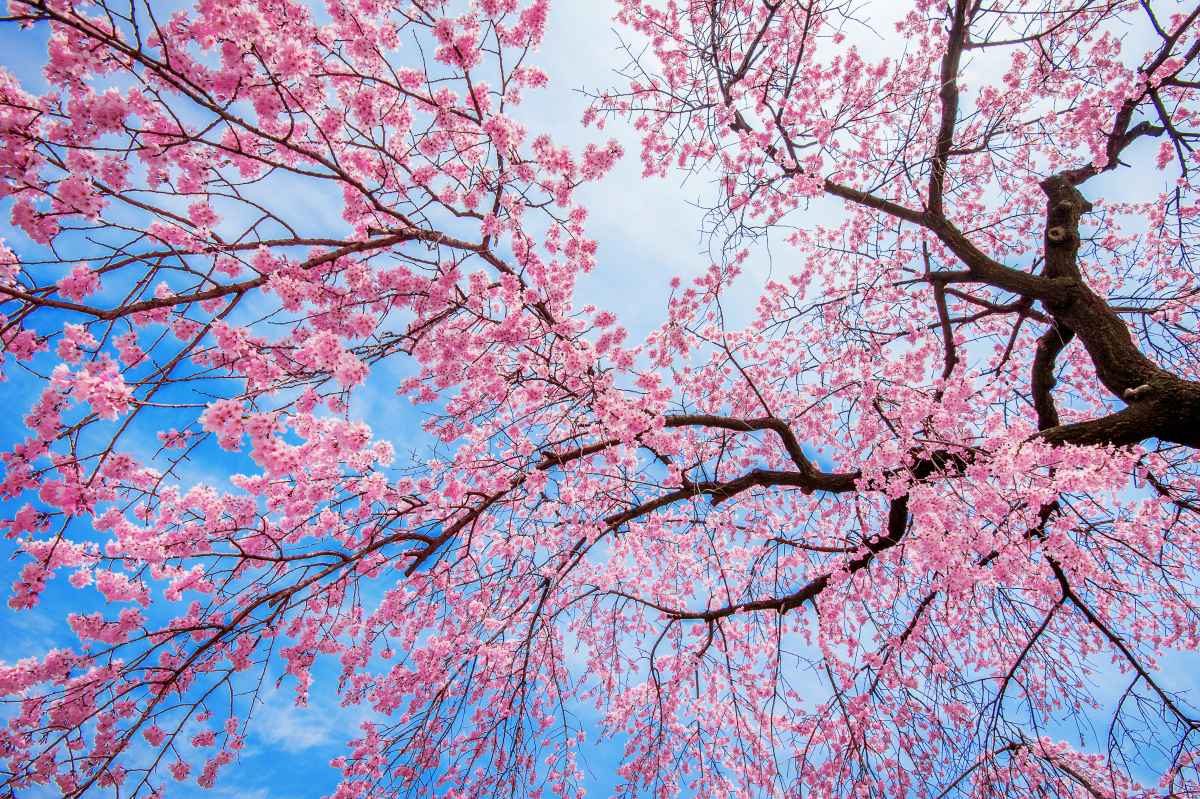
Cherry blossoms, or sakura, hold a deeply cherished place in Japanese culture, symbolizing themes of impermanence, renewal, and beauty. These delicate pink flowers are not merely admired for their aesthetic appeal; they are woven into the nation’s history, art, spirituality, and daily life. Understanding why the Japanese revere cherry blossoms requires an exploration of their historical, artistic, spiritual, and social significance.
Historical Significance
The admiration of cherry blossoms dates back over a millennium. Initially, Japan’s aristocracy favored plum blossoms (ume), a tradition influenced by Chinese culture. However, during the Heian period (794–1185), sakura emerged as the dominant flower of spring. The first recorded formal hanami (flower-viewing) event was hosted by Emperor Saga in 812 CE, marking the beginning of an enduring tradition.
By the Edo period (1600–1868), hanami became popular among the common people, thanks to Shogun Tokugawa Yoshimune’s efforts to plant cherry trees in public spaces. The samurai class also adopted the cherry blossom as a symbol of their ethos, as its brief yet radiant bloom mirrored the transient nature of a warrior’s life. This symbolism extended into modern history, with falling sakura petals used as a metaphor for fallen soldiers, particularly during World War II, when kamikaze pilots painted sakura on their planes.
Artistic and Literary Significance
Sakura motifs have been prevalent in Japanese art for centuries. Edo-period ukiyo-e prints often depicted cherry blossom landscapes, reinforcing their association with seasonal beauty. Artists such as Hiroshige captured the festive joy of hanami, while poets used sakura as a metaphor for the fleeting nature of life, a concept known as mono no aware (the awareness of impermanence).
Haiku and waka poetry frequently include cherry blossoms as a central theme. A famous poem by Ki no Tomonori from the Heian era muses:
In these spring days, why do the blossoms scatter with such uneasy hearts?
Even in modern times, sakura remain an enduring presence in literature, film, anime, and music, often signifying new beginnings or poignant farewells.
Religious and Spiritual Significance
Sakura’s significance extends into Shinto and Buddhist traditions. In Shinto, cherry trees were believed to house deities, and their blooming signified blessings for a bountiful harvest. Ancient farmers conducted rituals under sakura trees to honor agricultural gods, a practice that evolved into modern hanami customs.
In Buddhism, cherry blossoms symbolize the impermanence of life. Their brief but glorious bloom serves as a reminder to embrace the present moment, aligning with the Buddhist teaching of anicca (impermanence). Many temples feature sakura trees, and during Hanamatsuri (Buddha’s Birthday), altars are adorned with cherry blossoms to celebrate renewal and transience.
Modern Significance: Festivals and Daily Life
Today, cherry blossom season is a national phenomenon. The sakura zensen (cherry blossom front) is closely monitored, and people eagerly anticipate hanami picnics in parks such as Ueno Park in Tokyo and Maruyama Park in Kyoto. The season also marks the beginning of Japan’s fiscal and academic year, reinforcing sakura’s association with fresh starts.
Sakura festivals attract millions of tourists, and businesses capitalize on the season with sakura-themed products, from limited-edition Starbucks drinks to cherry blossom-flavored sweets. Additionally, Japan’s diplomatic gift of cherry trees to Washington, D.C. in 1912 highlights sakura’s role as a symbol of friendship.
Sakura: A Timeless Symbol of Japan
Cherry blossoms in Japan embody the country’s historical traditions, artistic expressions, spiritual beliefs, and communal celebrations. Their fleeting bloom reminds people of life’s transience while encouraging appreciation for the present moment. Whether through ancient poetry, modern festivals, or quiet contemplation under pink petals, sakura remain a profound cultural symbol, deeply cherished by the Japanese people.
Experience the magic of cherry blossom season for yourself! Book a guided sakura tour to witness these breathtaking blooms at Japan’s most iconic hanami spots. Explore our cherry blossom tours here: Cherry Blossom Tours.