What is a Geisha? Your Ultimate Guide to Japan’s Mysterious Entertainers

Japan’s geisha culture has long fascinated visitors from around the globe. Often misunderstood due to portrayals in Western media, authentic geisha experiences offer unique insight into Japan’s rich traditions. Understanding who geisha are, their history, and their role in modern Japan can greatly enhance your travel experience.
What Exactly is a Geisha?
Geisha (literally “person of arts”) are professional female entertainers trained rigorously in traditional Japanese arts, such as music, dance, conversation, and tea ceremony. Originating in Japan’s Edo period (1603–1868), geisha became highly esteemed cultural figures, known for their grace and artistic talents. Unlike entertainers in other cultures, geisha dedicate years to mastering their crafts, making them revered symbols of cultural refinement.
History and Origins of Geisha
The roots of geisha culture date back to the 18th century, evolving from entertainers who initially worked alongside courtesans. Over time, these entertainers became independent, gaining recognition for their artistic skills. By the late Edo period, geisha had established themselves as distinct artists separate from courtesans, revered for their talents rather than their physical appearance. During Japan’s rapid modernization in the Meiji period, geisha played a significant role in preserving traditional arts.
Initially, male entertainers known as “taikomochi” existed as jesters and musicians. As time passed, women gradually took over these roles, shaping the distinct profession of geisha we recognize today. By the early 19th century, female geisha became predominant, marking the beginning of the elegant, culturally refined tradition celebrated today.
Geisha, Geiko, Maiko, Geigi: What’s the Difference?
These terms can seem confusing at first, but here’s a simple guide:
- Geisha: The widely used term across Japan, meaning female artists skilled in traditional entertainment.
- Geiko: Specifically refers to geisha from Kyoto. Kyoto is the heart of traditional geisha culture.
- Maiko: Apprentice geisha, typically aged 15–20, known for colorful kimono, elaborate hairstyles, and distinctive makeup.
- Geigi: A regional term used in areas like Niigata, equivalent in meaning to geisha.
The Life and Training of a Geisha
Becoming a geisha is a long and demanding process. Girls usually start their training as teenagers. Maiko undergo rigorous training that can last up to five years, studying traditional dance, music, tea ceremonies, flower arranging (ikebana), calligraphy, etiquette, and conversation skills. During this period, they live under the care of an “okiya” (geisha house), learning from experienced geiko and mentors who help them perfect their artistry.
Maiko begin their journey as “shikomi,” performing chores and basic duties within the okiya. After rigorous training, they debut as maiko in a special ceremony called “misedashi,” where they begin to attend events alongside their elder mentors. Eventually, a maiko transitions into a full-fledged geisha during another special ceremony known as “erikae.”
What Does a Geisha Do?
Geisha entertain through performances involving traditional dance, playing musical instruments like the shamisen, engaging in sophisticated conversation, and conducting tea ceremonies. An authentic way to witness this is through special events such as the Kyoto Private Kaiseki Dinner at Traditional Restaurant with Maiko Dance Show, where guests enjoy exquisite meals alongside elegant performances.
Aside from performing, geisha also play a crucial role as cultural ambassadors. They preserve traditional Japanese arts and ensure these cultural practices continue into future generations. They participate actively in cultural events and festivals, enriching the cultural fabric of Japanese society.
Recognizing a Geisha and Maiko
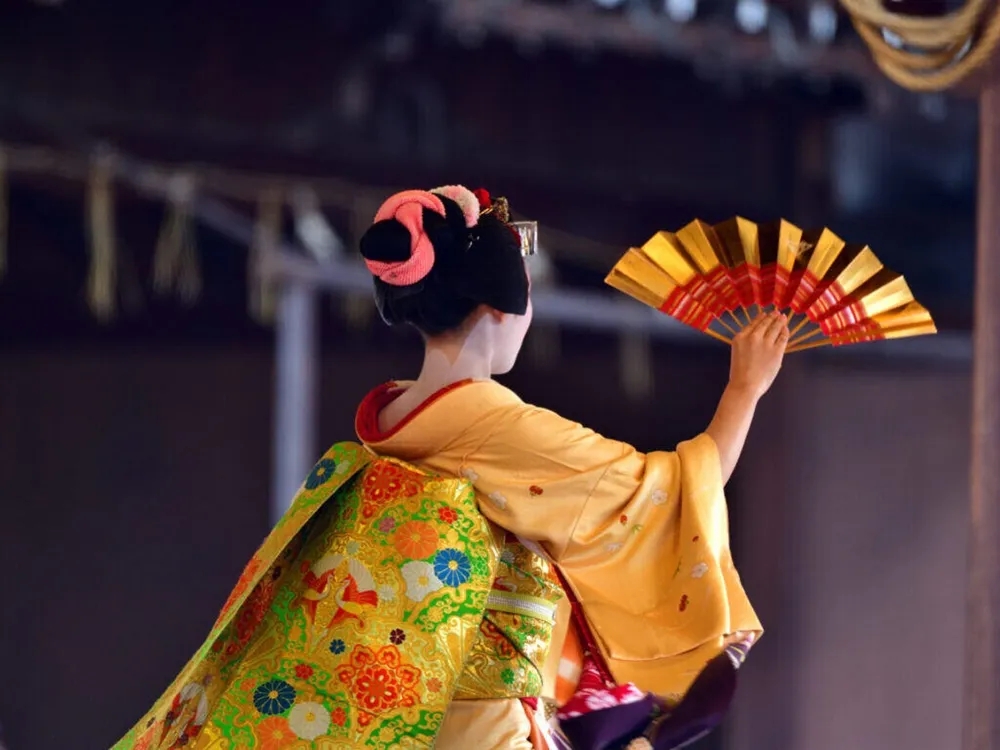
Maiko can be identified by their vibrant kimono with long sleeves, heavy white makeup with red lips, and intricate hairstyles decorated with ornaments (kanzashi). Geisha, in contrast, wear more subdued kimono with simpler hairstyles, reflecting their mature status. Maiko’s attire is intentionally more vibrant and eye-catching, symbolizing their youth and apprenticeship stage, while geisha’s simpler attire highlights their mature elegance and professional mastery.
Top Places to See Geisha in Japan
- Kyoto: The iconic geisha districts of Gion, Pontocho, and Miyagawacho are prime locations. Enhance your visit with an Authentic Gion Geisha (Geiko) Cultural Tour.
- Fukuoka (Hakata): Experience the unique Hakata geisha tradition with activities like the Maiko Dance, Shamisen and Tea Ceremony Experience or enjoy capturing special moments in a Maiko Photo Session with Tea Ceremony.
- Nara: Don’t miss seasonal events such as the 7th Naramachi Hana Akari, showcasing mesmerizing traditional geisha performances.
- Tokyo: The Kagurazaka and Asakusa districts have thriving geisha communities, offering discreet yet authentic geisha experiences. Enjoy a culturally enriching day with the Asakusa Day Tour: Explore Senso-ji Temple and Enjoy Geisha Dance and Kaiseki Meal.
- Kanazawa: Visit the beautifully preserved Higashi Chaya district, famous for its charming tea houses and active geisha culture.
- Niigata: Known for its unique tradition, the Furumachi district is home to elegant geigi who carry on regional customs distinct from Kyoto and Tokyo.
Etiquette When Encountering a Geisha
Respect and courtesy are crucial:
- Maintain distance, avoiding blocking their paths.
- Always ask permission before taking photos.
- Never touch or disrupt them during their activities.
Enjoy Geisha Experiences Responsibly
Engaging with geisha culture is best done through structured, respectful experiences. Participate in organized tours and events to fully appreciate the beauty and complexity of geisha culture. From dinner shows to immersive photo sessions, these experiences provide deeper insights into the geisha tradition.
Dispelling Common Myths
Geisha are sometimes mistaken for courtesans due to misrepresentation in movies and books. However, geisha are esteemed cultural artists dedicated solely to preserving Japan’s traditional arts and cultural heritage.
Experience Authentic Geisha Culture
Explore memorable Geisha and Maiko experiences across Japan, carefully curated to provide genuine cultural encounters.