
Autumn in Japan: The Cultural Meaning of Kōyō (紅葉) & Momijigari

Japan’s autumn is a centuries-old cultural practice of noticing change, making time for beauty, and gathering to share it. Locals call the turning leaves kōyō (literally “red/yellow leaves”), and the act of going out to admire them momijigari; “maple-leaf hunting.” Both are rooted in courtly habits that eventually became a nationwide pastime.
What is Kōyō (紅葉)?
Kōyō refers to the phenomenon of leaves turning vibrant shades of red, orange, and gold in autumn; in daily conversation, it also stands in for the season itself. Historically, aristocrats in Kyoto marked the season with outings, poetry, and music; over time, the practice spread to towns and mountains across the country. Today, kōyō frames everyday life—from after-work strolls to temple night illuminations.
Momijigari (紅葉狩り): “Leaf-Hunting” as a Way of Life

Origins in the Heian Court
The earliest references to momijigari come from the Heian era, when nobles around Kyoto organized leaf-viewing excursions with poetry recitals and banquets. The term -gari once meant animal hunting, but came to include “seeking out” seasonal beauty like blossoms and maples. By the Edo period, the habit had become popular with townspeople, too.
The Aesthetics Behind the Practice
Momijigari embodies mono no aware—an awareness of impermanence that invites quiet appreciation rather than possession. Autumn’s color is cherished precisely because it fades; the looking is the point. This nuance shows up across diaries and poetry from the Heian era and remains part of how many Japanese people describe seasonal feelings today.
Modern Rituals You’ll See
From October to early December (varying by latitude and elevation), you’ll find evening illuminations at temples and gardens, weekend picnics beneath maple canopies, and mountain hikes timed for peak color. Many travelers pair leaf-viewing with onsen trips or scenic railways. For a one-stop way to plan, browse VELTRA’s autumn experiences across Japan.
Poetry & Literature: Autumn’s Voice in Waka and Haiku
Court Poetry & Seasonal Imagery
Imperial anthologies and Heian-period literature codified autumn iconography—crimson maples, deer calls in mountain villages, evening mists. These poems weren’t just descriptions; they trained readers to notice subtle seasonal shifts and to read emotion through landscape. (Anthology and reference overviews available in standard guides to Japanese poetry and haiku.)
Bashō and the Haiku Tradition
In Matsuo Bashō’s haiku, autumn often sharpens loneliness and clarity: the bare branch, the crow at dusk, the hush of a village road. You’ll encounter multiple translations of the same verse, which is fitting—haiku invites interpretation. Rather than memorize lines, try carrying a Bashō prompt on your trip: “What small thing tells you it’s autumn here?”
Themes to Listen For
- Impermanence (mono no aware): brief blaze, then letting go.
- Color symbolism: deep maple reds (momiji) and golden ginkgo; both are seasonal signposts in verse and visual art.
Kōyō in Japanese Art & Design
Ukiyo-e & Bijin-ga
Woodblock artists often placed autumn motifs—scarlet leaves drifting over streams, patterned kimono against maple boughs—into bijin-ga (portraits of beautiful women) or landscapes. A representative example: Torii Kotondo’s Autumn Leaves (Momiji). When you visit Tokyo, look for rotating ukiyo-e displays in major museums and galleries.
Visual Codes of Autumn
Designers use bokashi (tonal gradation) to suggest mist or fading light, echoing the season’s transience. You’ll notice the palette everywhere in autumn: packaging, station posters, even bento wrappers. If you’re building an image carousel for this article, aim for three visual types: temple gardens, mountain ravines, and a close-up of maple leaves to highlight texture. (Museum and cultural explainers provide good captions and context.)
When Is Autumn in Japan? (Timing by Region & Elevation)
Japan’s color wave generally runs late September–early December. Northern and higher-elevation areas start earlier; southern and coastal cities peak later. For example, Kyoto often peaks mid-November to early December, with high-elevation Takao turning earlier. Always check the year’s local forecast—peaks can shift by about a week. Even within a single destination, you can “chase” color by altitude: start at a mountain viewpoint, then descend to lakeshores and temple gardens as the season progresses. (This approach works beautifully around Mt. Fuji.)
Where to Experience Kōyō Like a Local (and What to Book)

Kyoto — Temples, Night Illuminations & Scenic Rail
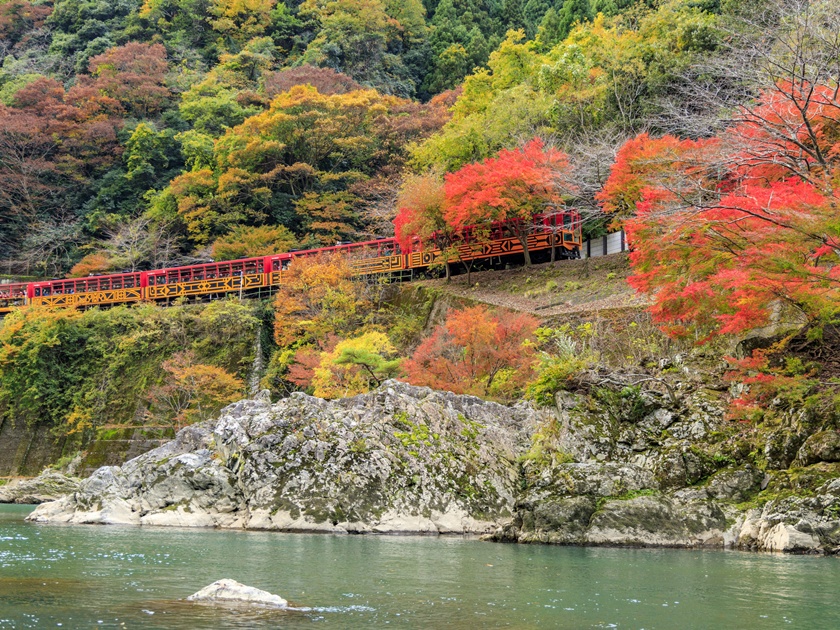
Kyoto’s combination of classical gardens and wooded ravines makes it Japan’s most beloved kōyō city. Iconic areas include Arashiyama, Eikan-dō, Tōfuku-ji, Kiyomizu-dera, and Takao—with special night illuminations that let the reds glow against temple architecture (typically mid-November to early December).
- Ride the Sagano Romantic Train (25-minute gorge run along the Hozugawa)—a photogenic pairing with Arashiyama walks or a downstream boat ride.
- Tip: Same-day train tickets sell first-come, first-served at station counters (lines start early); advanced options exist but are limited.
Mt. Fuji & Kawaguchiko — Maple Corridor & Pagoda Views
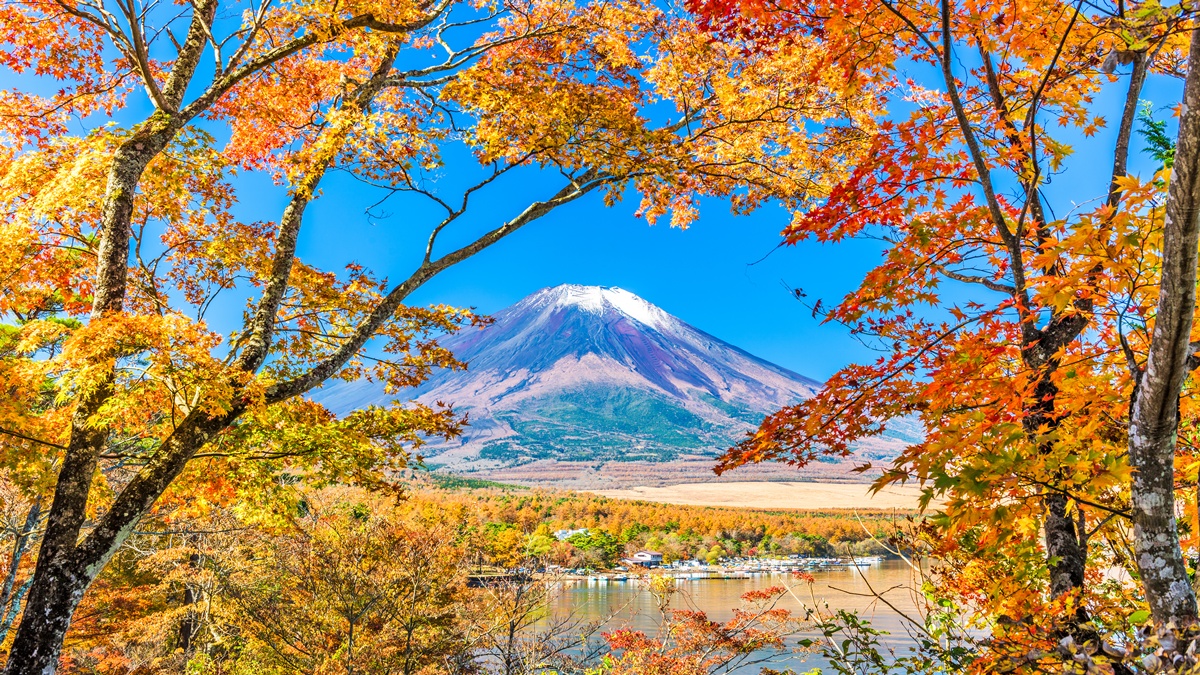
Around Lake Kawaguchi, the Momiji Corridor forms a tunnel of maples with Fuji as a backdrop—plus evening light-ups during the Kawaguchiko Momiji Festival (late Oct–late Nov most years). Many tour options combine the corridor, a ropeway, and time at Arakurayama Sengen Park (Chūreitō Pagoda).
Nikkō — World Heritage Shrines & Mountain Colors
Nikkō layers color from ridge to lake to town: Irohazaka road switchbacks, Kegon Falls, Lake Chūzenji, and the ornate Tōshōgū Shrine. It’s a classic day trip that pairs nature with UNESCO-listed architecture. Check tour options timed for foliage.
Festivals, Illuminations & Seasonal Food
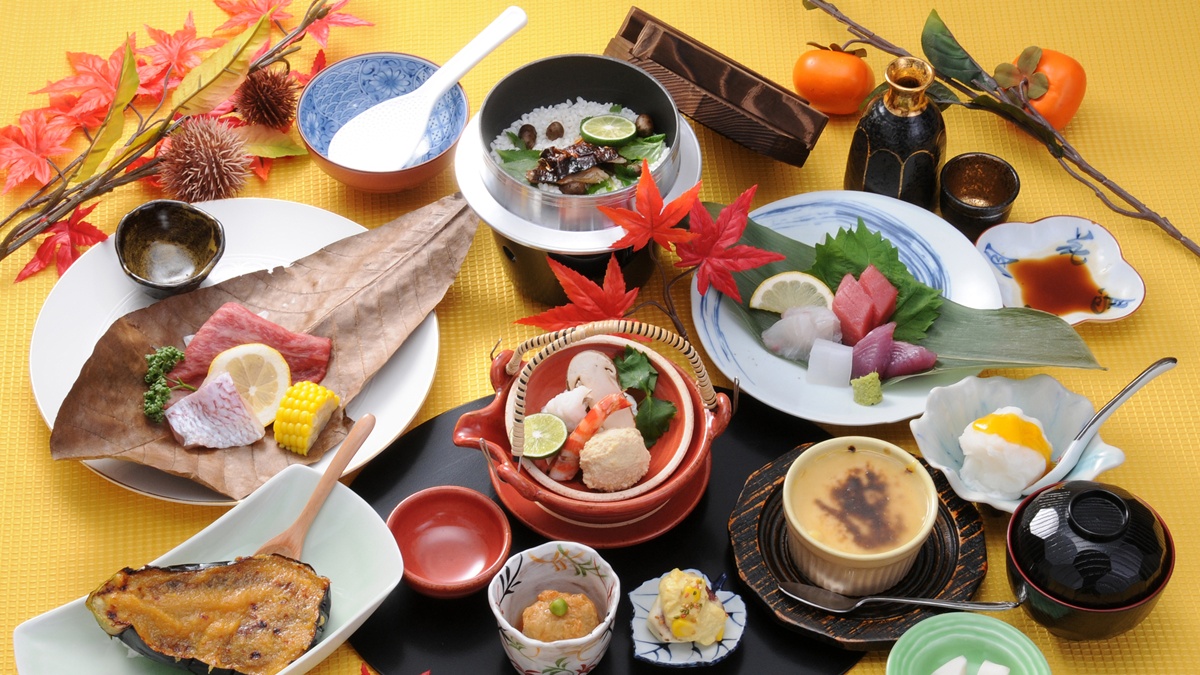
You’ll find momiji festivals in many regions—Kawaguchiko’s is among the best known, with nightly illuminations along the river and craft stalls. In temple districts, special evening openings are announced each year with exact dates and hours; plan these as your Kyoto nights. For seasonal tastes, look for chestnut rice, sweet potatoes, matsutake dishes, and yuzu sweets at markets and street stands.
Practical Planning (Save-Your-Trip Tips)
- Book early for peak weeks. Popular activities—Sagano Romantic Train, light-up entries, and Tokyo day trips to Kawaguchiko/Nikkō—sell out. Anchor your itinerary with 1–2 prebooked experiences per day.
- Stagger by elevation. If the city’s still green, head higher (mountains, parks); if peaks have passed up high, drop to lakes and towns.
- Go off-peak hours. Sunrise or weeknights for gardens; late-evening illumination slots can be calmer. Kyoto’s official lists update each season—watch for time windows.
- Transit basics. For Fuji Five Lakes, highway buses from Shinjuku to Kawaguchiko Station are straightforward, with local “Red Line” buses to the corridor. For Sagano, arrive early if trying for same-day train tickets.
- Etiquette: stay on paths, don’t pick leaves, keep tripods out of walkways, and follow staff instructions at night events.
From FOMO to KŌYŌ
As the maples glow and the nights get a little sweater-weather, kōyō isn’t just a season—it’s a vibe: slow walks, temple glow-ups, poetry-level sunsets, and that soft mono no aware reminder to enjoy it while it lasts. Chase the color by altitude, bookmark a light-up or two, and leave room for serendipity (and snacks).