Tokyo is a city like no other—where futuristic skyscrapers rise beside centuries-old temples, and bustling markets coexist with serene gardens. From the neon lights of Shibuya Crossing to the tranquil pathways of Meiji Shrine, every corner of this metropolis tells a story of contrast and harmony. Wander through vibrant districts, taste world-renowned cuisine, and experience a culture that blends tradition and innovation seamlessly. This guide will take you through everything you need to know to make the most of your journey, from hidden gems and iconic sights to local tips that will help you navigate this urban wonderland with ease.
TOKYO
A city where neon lights meet historic temples and bustling markets.
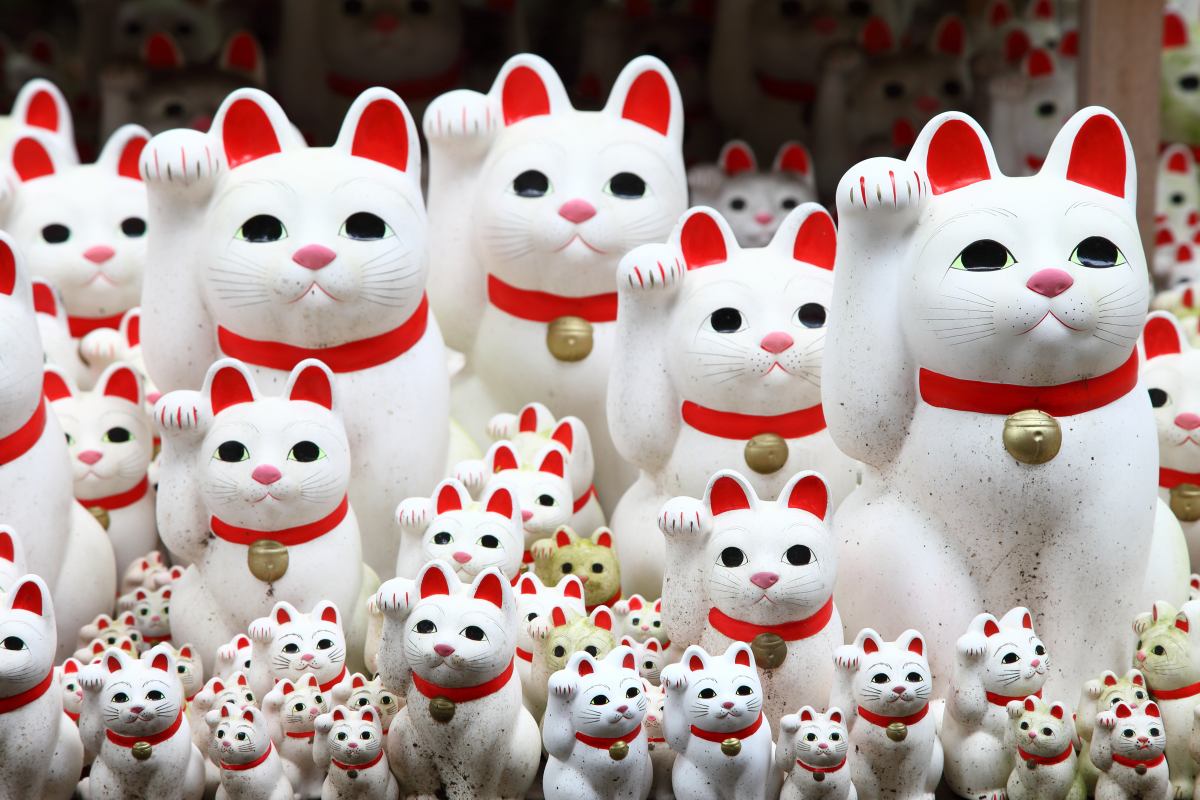
AT A GLANCE
What’s Tokyo Like?
Tokyo is a city where towering skyscrapers stand beside centuries-old temples, and bustling shopping streets are just steps away from peaceful gardens. It’s a place where tradition and modernity blend seamlessly, offering everything from world-class dining and cutting-edge technology to serene parks and historic shrines. Visitors can explore vibrant markets, marvel at neon-lit skylines, and discover hidden alleys filled with unique shops and local flavors. Whether it’s your first visit or your tenth, Tokyo’s energy and diversity promise new experiences with every trip.
Why Visit Tokyo?
- Iconic Landmarks: Visit Tokyo Tower, Senso-ji Temple, and the Meiji Shrine.
- Modern Marvels: Discover immersive digital playgrounds and interactive art experiences that push the boundaries of imagination.
- Rich Culture: Experience traditional tea ceremonies, sumo tournaments, and historic temples.
- Shopping Paradise: Discover luxury brands in Ginza, quirky fashion in Harajuku, and electronics in Akihabara.
- Culinary Heaven: Enjoy everything from Michelin-starred sushi to delicious ramen and street food.
NEIGHBORHOODS OF TOKYO
Shibuya
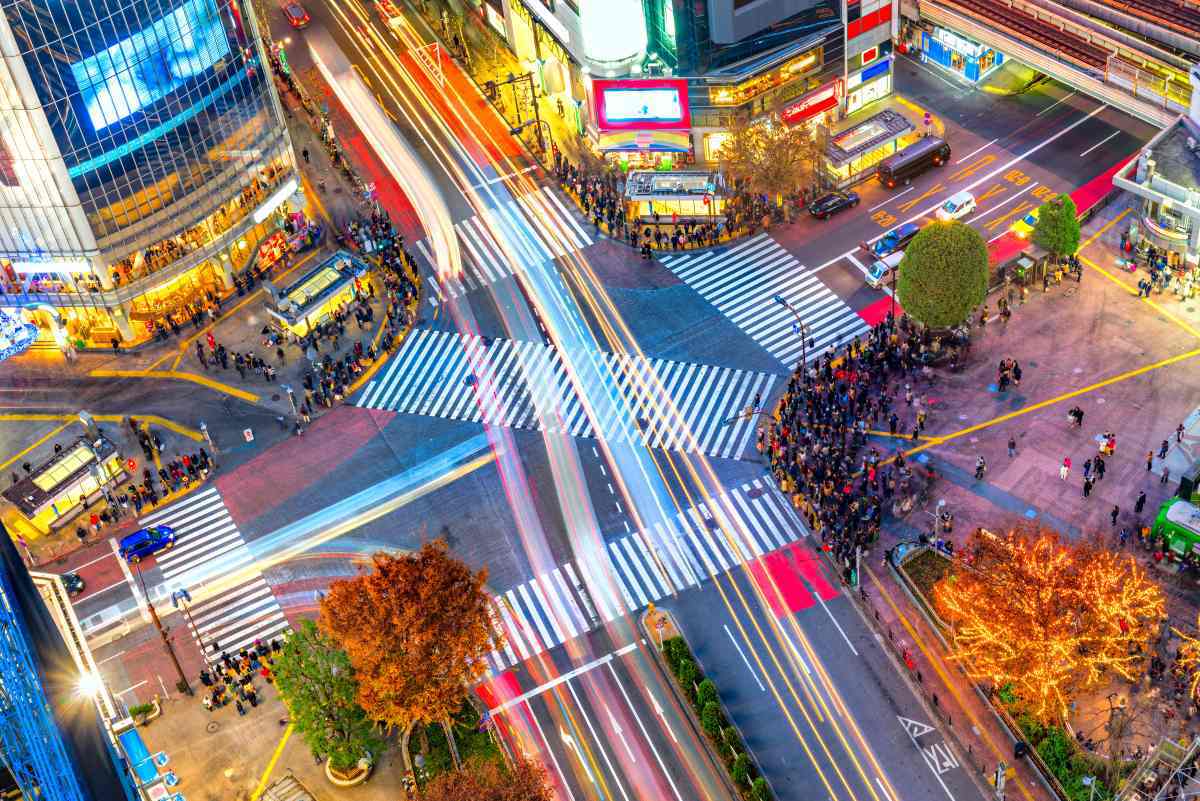
Shibuya is one of Tokyo’s most iconic neighborhoods, known for its famous scramble crossing where thousands of people cross in perfect sync every few minutes. The area is a hub of energy with vibrant nightlife, trendy fashion boutiques, and an endless array of dining options. Shibuya Center Gai is packed with shops, cafes, and game centers that reflect the youthful spirit of Tokyo, while Shibuya 109 remains a trendsetting landmark for fashion lovers. Visitors often stop by the Hachiko Statue, a symbol of loyalty and a popular meeting spot. By night, the neon lights illuminate the streets, creating a bustling atmosphere that captures the essence of modern Tokyo.

Shinjuku
Shinjuku is the beating heart of Tokyo’s urban life, featuring towering skyscrapers, massive shopping centers, and the lush Shinjuku Gyoen National Garden—a serene escape from the city’s hustle and bustle. By day, its streets are filled with business professionals and shoppers, while by night, the area transforms into a hub of entertainment with neon lights and bustling nightlife. Golden Gai, a maze of tiny bars each with its own unique theme, offers a glimpse into Tokyo’s quirky and vibrant bar culture. Whether you’re visiting observation decks for panoramic views or wandering through the labyrinthine underground malls, Shinjuku is a neighborhood that never stops moving.

Ginza
Ginza is Tokyo’s premier luxury shopping district, known for its elegant streets lined with flagship stores of global brands, upscale department stores, and fine dining establishments. Chuo-Dori Street, the main thoroughfare, is closed to vehicles on weekends, allowing visitors to leisurely stroll among the grand buildings and exclusive boutiques. Beyond shopping, Ginza is also home to art galleries, traditional tea houses, and Michelin-starred restaurants, offering a taste of refinement and culture. It’s the perfect place to experience the luxurious side of Tokyo, with a mix of modern architecture and classic elegance.

Asakusa
Asakusa is a window into Tokyo’s past, where the spirit of old Edo lingers among its narrow streets and traditional shops. At its heart lies Senso-ji, Tokyo’s oldest and most famous temple, drawing visitors with its towering gate, giant red lantern, and bustling temple grounds. Leading up to the temple is Nakamise Street, a lively market filled with stalls selling traditional snacks, crafts, and souvenirs that capture the essence of Japanese culture. Rickshaw pullers offer nostalgic rides through the area, while river cruises along the Sumida River provide a scenic view of Tokyo’s skyline. Asakusa is a perfect blend of history and charm, making it a must-visit for those wanting to experience Tokyo’s traditional side.
Odaiba
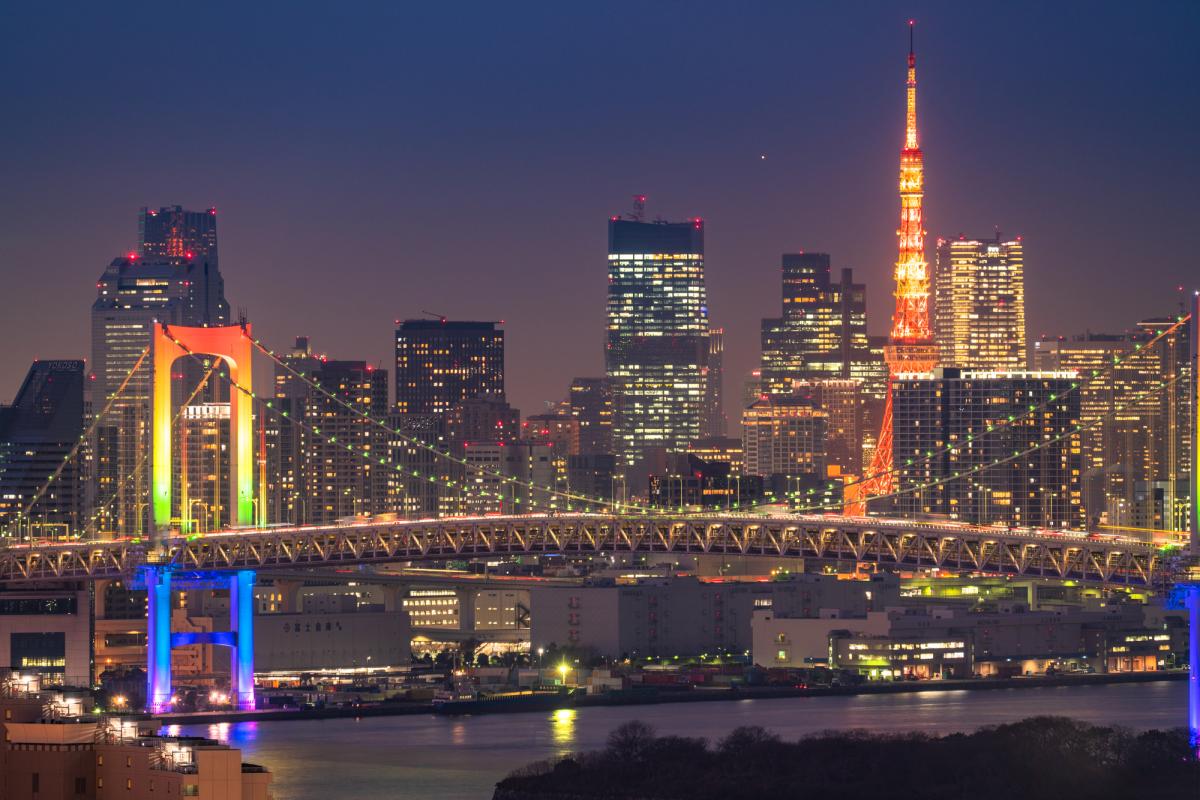
Odaiba is a futuristic waterfront district built on reclaimed land in Tokyo Bay, offering sweeping views of the city skyline and the iconic Rainbow Bridge. This innovative area is known for its sprawling shopping malls, entertainment complexes, and interactive museums that push the boundaries of technology and creativity. Visitors can explore teamLab Borderless, a world of immersive digital art, or take a ride on the giant Ferris wheel for panoramic views of Tokyo Bay. With its sandy beach, futuristic architecture, and unique attractions, Odaiba feels like a city of its own—an escape into modernity just minutes from central Tokyo.
Akihabara
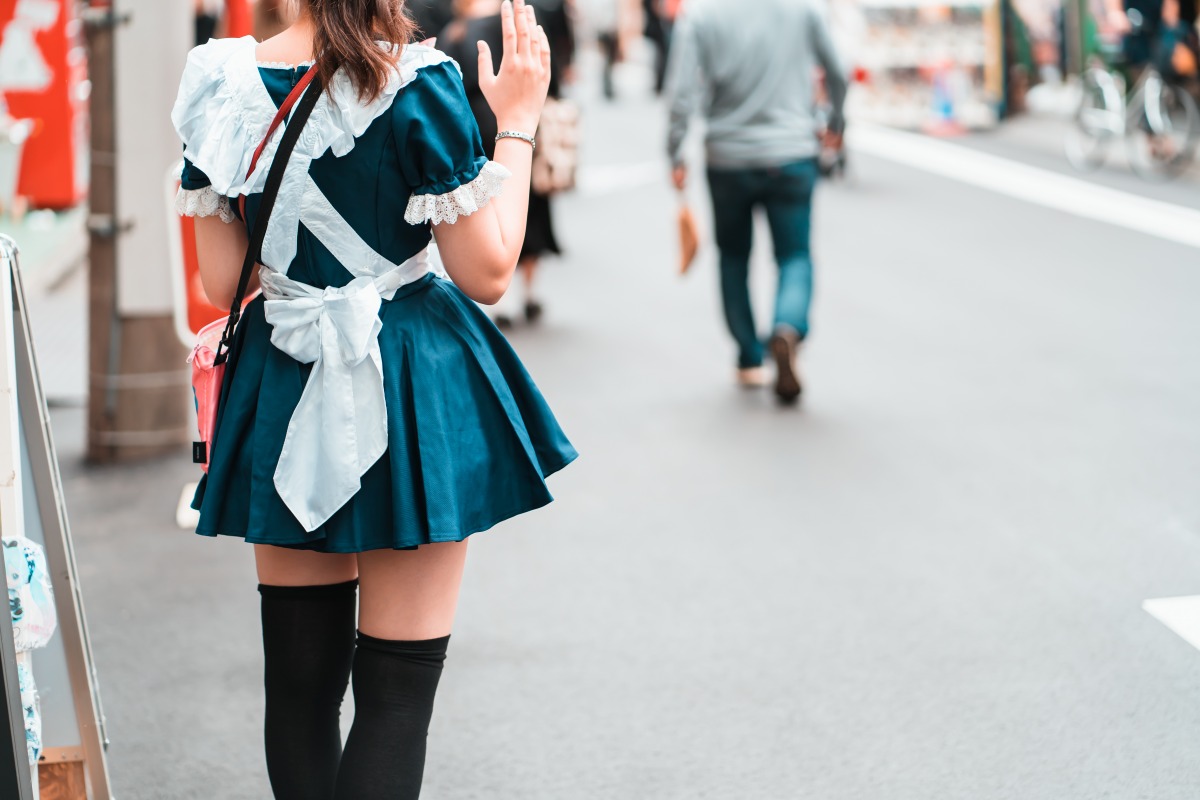
Akihabara, known as ‘Electric Town,’ is the beating heart of Tokyo’s electronics and anime culture. Multi-story stores line the streets, selling everything from the latest tech gadgets to retro gaming consoles. The area is a paradise for anime and manga enthusiasts, with countless shops dedicated to collectibles, figurines, and themed cafes where fans can immerse themselves in their favorite stories. Maid cafes, where waitresses dress in maid costumes and perform entertaining skits, are a uniquely Akihabara experience. For those seeking the pulse of otaku (geek) culture, Akihabara is the place to be.

Ueno
Ueno is Tokyo’s cultural heart, famous for its expansive Ueno Park, which bursts into color every spring as cherry blossoms blanket the pathways. The park is not only a place of natural beauty but also a hub of history and art, housing some of Japan’s most important museums such as the Tokyo National Museum, National Museum of Western Art, and the Ueno Zoo. Street vendors line the paths during festivals, offering local snacks and crafts, creating a lively atmosphere. Ameyoko Market, just outside Ueno Station, is a bustling shopping street where you can find everything from fresh seafood to vintage clothes. Ueno captures both the artistic spirit and the traditional side of Tokyo, making it a vibrant area to explore.
WHAT TO KNOW
Before Visiting Tokyo
Tokyo’s transport network is efficient and user-friendly, making it easy to navigate one of the world’s largest cities. The JR Yamanote Line loops around major districts like Shinjuku, Shibuya, and Akihabara, providing seamless access to the city’s most popular areas. Tokyo Metro and Toei Subway extend to nearly every corner of the city, with trains arriving every few minutes during peak hours. Buses are a practical option for reaching destinations not easily accessible by train, such as Odaiba and Roppongi. While taxis are abundant, they are generally more expensive than public transport, making them ideal for late-night travel or areas not well-served by trains. Bicycle rentals are increasingly popular, especially in areas like Kichijoji and Asakusa, offering a unique way to explore local streets and hidden gems at your own pace.
Tokyo’s mega stations can be overwhelming for first-time visitors due to their size and complexity. Shinjuku Station, the busiest train station in the world, has over 200 exits and handles millions of passengers daily. Clear signage and maps are essential to finding your way through its bustling corridors. Tokyo Station is the gateway to Japan’s high-speed rail network, with Shinkansen bullet trains connecting to Kyoto, Osaka, and beyond. It also houses Tokyo Character Street, where anime fans can shop for exclusive merchandise. Shibuya Station is best known for its iconic Scramble Crossing, a vibrant display of urban energy, with multi-level pathways connecting shopping centers, cafes, and hidden alleyways.
Tokyo offers a range of passes that make getting around easy and cost-effective. The Tokyo Subway Ticket grants unlimited travel on Tokyo Metro and Toei Subway lines for 24, 48, or 72 hours, perfect for exploring the city’s major attractions. For those looking to venture beyond Tokyo, the JR Tokyo Wide Pass allows unlimited travel across the Kanto region, including popular destinations like Nikko, Hakone, and Mount Fuji. Both options provide flexibility and savings, making them ideal for visitors planning to explore extensively.
Navigating Tokyo is made easier with the right apps. Google Maps is indispensable for real-time navigation and transit updates, ensuring you always know the best routes. Japan Travel by NAVITIME is perfect for offline maps and detailed transit schedules, a lifesaver in areas with limited connectivity. Tokyo Subway Navigation is specifically designed to simplify subway route planning, helping travelers find the fastest connections with ease. These apps are highly recommended for anyone exploring Tokyo’s vast urban landscape.
For first-time visitors to Tokyo, a few insider tips can make your experience smoother and more enjoyable. Avoid rush hour on weekdays between 7 AM to 9 AM and 5 PM to 7 PM, as trains and stations become incredibly crowded. Coin lockers are conveniently located at major stations, allowing you to store luggage and explore the city hands-free. Purchasing an IC card like Suica or Pasmo is highly recommended for seamless travel across trains, buses, and even for purchases at convenience stores. Be mindful of the last train times, as Tokyo’s rail services do not operate 24/7; the final trains usually depart around midnight. Don’t be afraid to wander off the main roads—Tokyo’s hidden gems often lie within narrow alleyways, where you can discover cozy ramen shops, intimate bars, and unique boutiques.
Tokyo is a place where tradition is deeply respected, and understanding basic cultural etiquette will enhance your experience. When entering homes, temples, or certain traditional restaurants, it’s customary to remove your shoes. Public spaces are generally quiet, even on crowded trains, as speaking loudly is considered impolite. When visiting shrines or temples, be mindful to perform purification rituals like washing your hands and mouth at the designated station before approaching the main hall. Tipping is not practiced in Japan; excellent service is expected and included in the experience. Being aware of these customs helps you blend in smoothly and show respect to the local culture.
Best Time to Visit
SPRING (March to May)
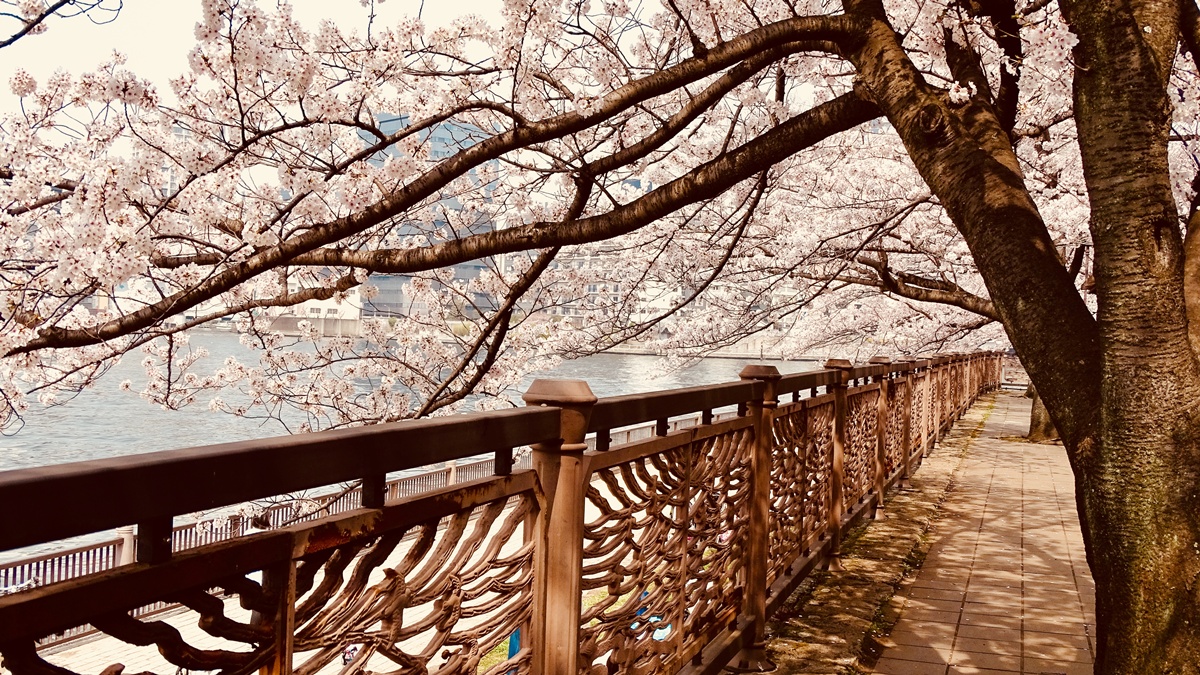
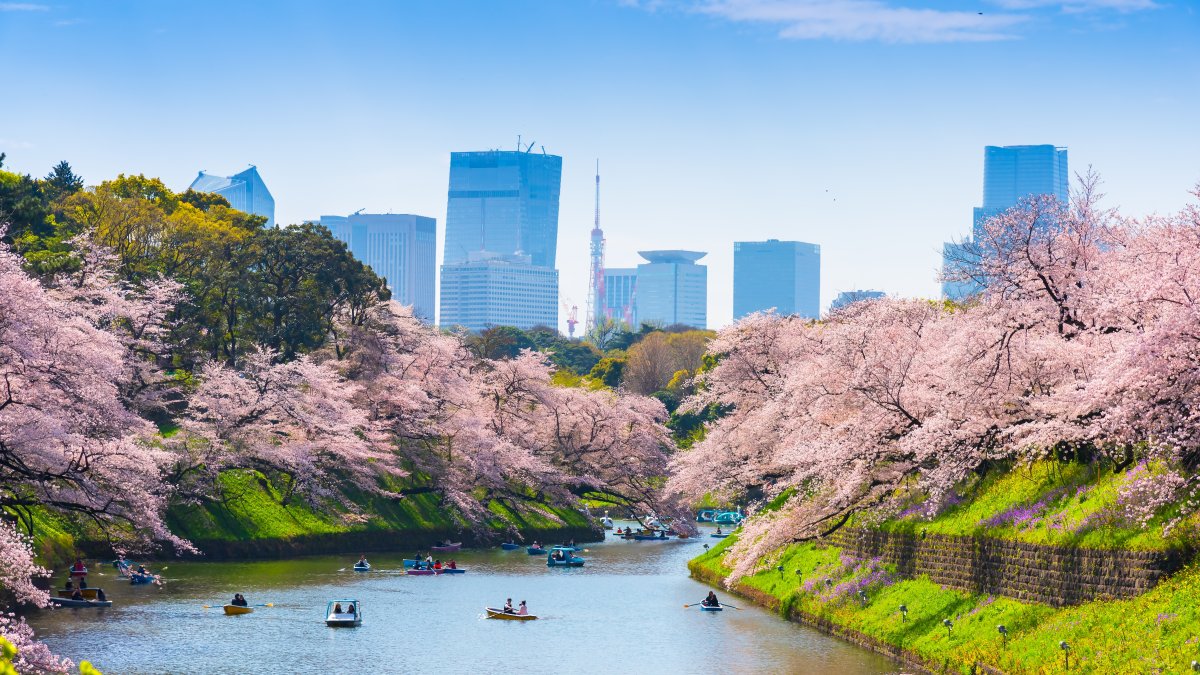
Spring in Tokyo is marked by the blooming of cherry blossoms, turning parks and riversides into clouds of pink and white. Ueno Park, Shinjuku Gyoen, and Chidorigafuchi are among the best spots for hanami, the traditional flower-viewing parties where friends and families gather under the blossoms. The weather is mild, making it the perfect time to explore outdoor markets, gardens, and the seasonal festivals that pop up around the city.
SUMMER (June to August)
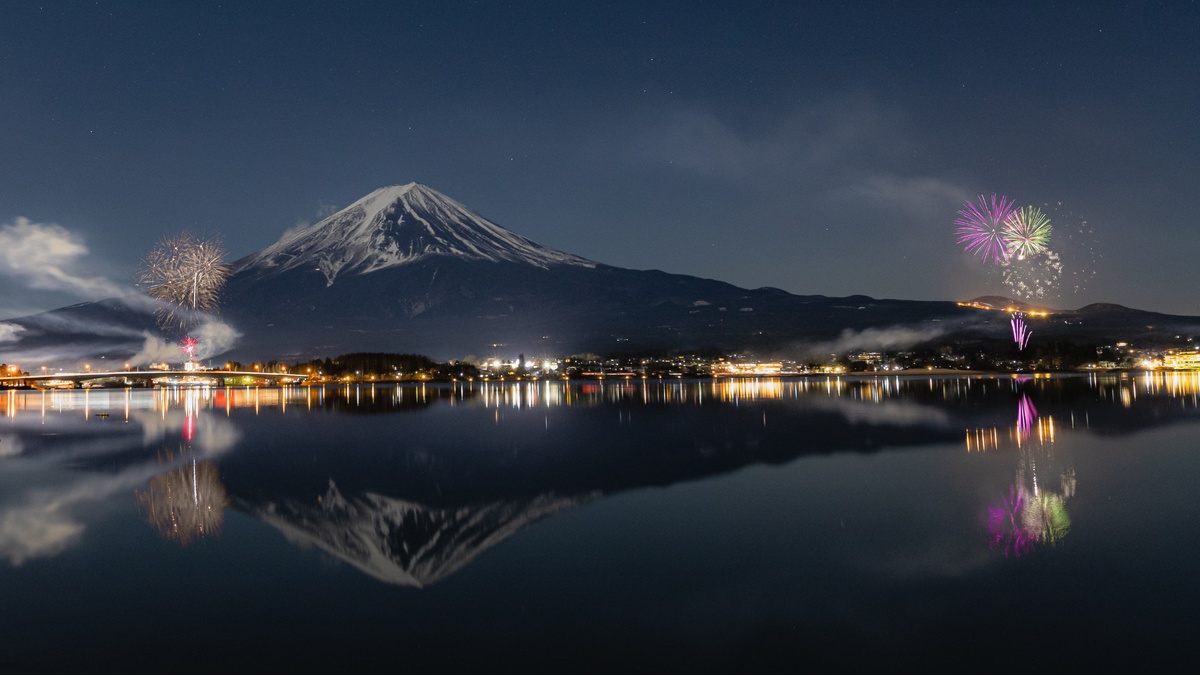
Summer in Tokyo is vibrant and energetic, with lively festivals and massive firework displays lighting up the night sky. The Sumida River Fireworks Festival and Asakusa Samba Carnival are major highlights, attracting both locals and tourists. It’s also the best time to experience rooftop beer gardens and evening cruises on Tokyo Bay. Although the weather is hot and humid, the city’s energy is unmatched, with night markets and summer matsuri (festivals) bringing every neighborhood to life.
AUTUMN (September to November)
Autumn in Tokyo is stunning, with parks and gardens transforming into brilliant shades of red, orange, and yellow. Meiji Jingu Gaien’s ginkgo trees create a golden tunnel, while Rikugien Garden showcases breathtaking koyo (autumn leaves). The weather is cool and comfortable, ideal for exploring outdoor attractions and taking scenic strolls through gardens and temple grounds. Seasonal food stalls pop up, offering roasted sweet potatoes and chestnuts, adding to the autumn charm.
WINTER (December to February)
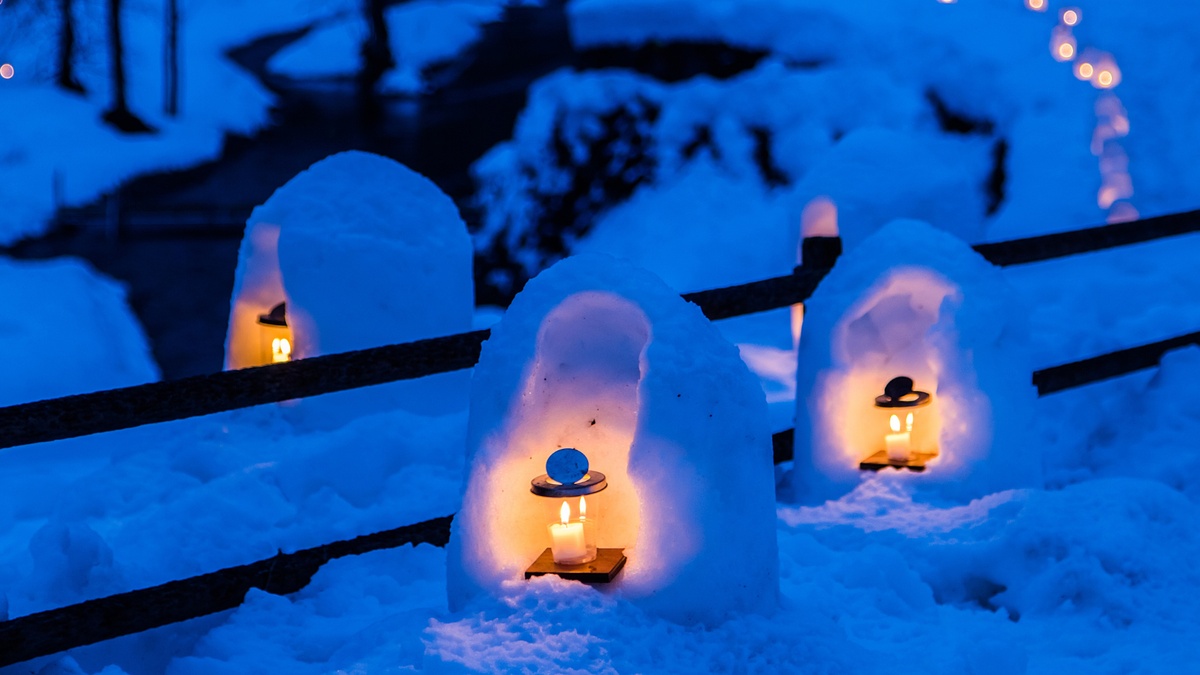
Winter in Tokyo is a magical time when the city lights up with dazzling illuminations. Areas like Marunouchi, Roppongi Hills, and Shibuya are famous for their sparkling light displays, while Tokyo Midtown and Caretta Shiodome host spectacular installations. Although temperatures can be chilly, the skies are often clear, making it perfect for visiting hot springs or taking day trips to see snow-covered landscapes in Nikko or Hakone. Winter markets and ice-skating rinks also add a festive touch to the season.