The Philosophy Behind Kintsugi: Finding Beauty in Brokenness

Discovering the profound Japanese art that transforms scars into gold
In a small Tokyo workshop near Shin Koenji, ceramic shards glisten under soft lighting as skilled hands carefully apply golden lacquer to fractured edges. This isn’t just pottery repair—it’s poetry in action, a philosophical practice that has captivated hearts worldwide. Welcome to the extraordinary world of kintsugi, where broken becomes beautiful, and imperfection transforms into art.
For travelers seeking to understand Japan’s soul beyond temples and cherry blossoms, kintsugi offers a profound window into the Japanese psyche. This ancient craft doesn’t merely fix what’s broken; it celebrates the break itself, turning scars into golden veins that tell stories of resilience, acceptance, and the sublime beauty found in imperfection.
The Golden Philosophy: Understanding Kintsugi’s Deeper Meaning
Kintsugi, literally meaning “golden joinery,” is believed to have emerged in the late 15th century when Japanese craftsmen began repairing broken pottery with lacquer mixed with powdered gold, silver, or platinum. But to understand kintsugi solely as a repair technique would be like describing Mount Fuji as merely a mountain—you’d miss the profound spiritual landscape beneath.
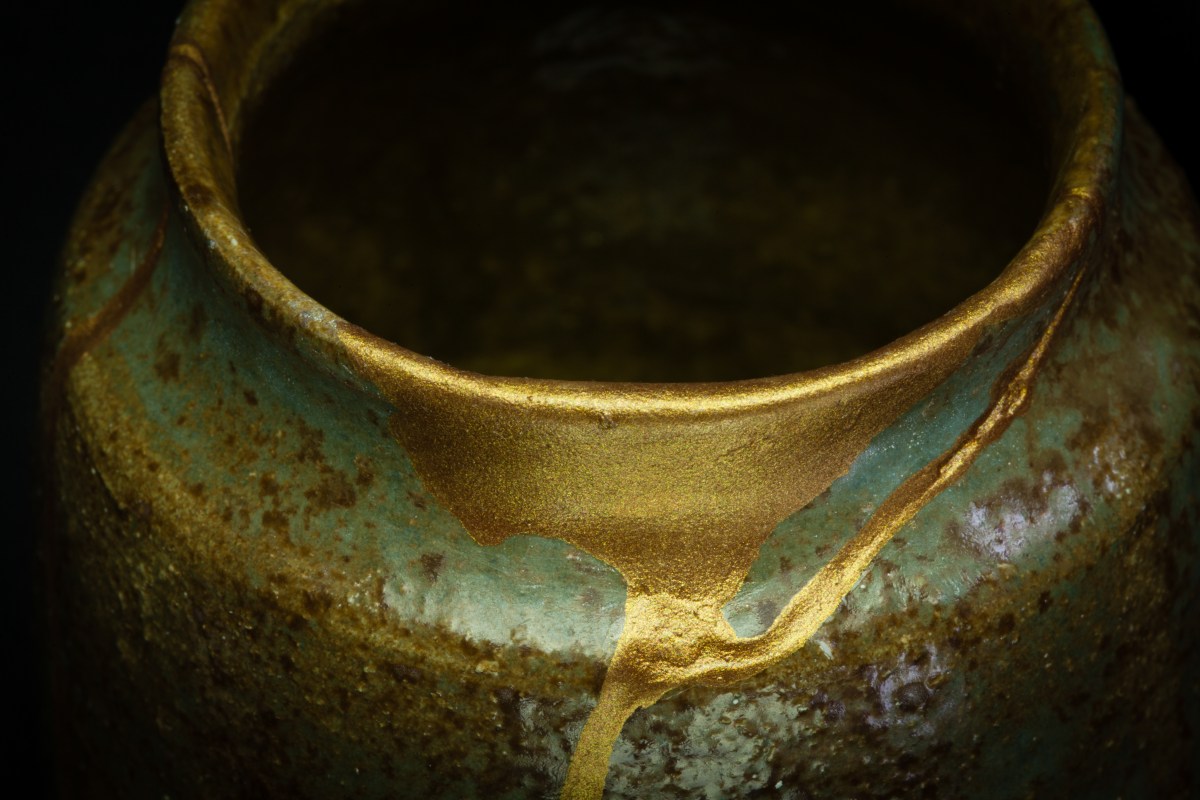
The philosophy behind kintsugi stems from several interconnected Japanese concepts that have shaped the nation’s cultural identity for centuries. At its heart lies the revolutionary idea that breakage and repair are part of an object’s history, not something to disguise or be ashamed of. When a beloved ceramic bowl shatters, rather than discarding it or attempting to hide the damage, kintsugi practitioners embrace the break. They highlight it with precious metals, creating a new artwork that is often more beautiful and valuable than the original.
This approach reflects a fundamental difference in how Japanese culture views imperfection, aging, and damage. Where Western traditions might seek to restore items to their “original” state, making repairs invisible, kintsugi celebrates the visible mend. The golden lines that traverse the repaired piece don’t just hold it together—they become the most striking feature, telling the story of survival and transformation.
Wabi-Sabi: The Aesthetic of Imperfect Beauty
To truly appreciate kintsugi, one must understand wabi-sabi, the Japanese aesthetic philosophy that finds beauty in imperfection, impermanence, and incompleteness. Wabi-sabi teaches us to see the extraordinary in the ordinary, the perfect in the imperfect, and the eternal in the transient.
In traditional Japanese aesthetics, ‘wabi’ conveys a sense of rustic simplicity and understated elegance, whereas ‘sabi’ reflects the beauty that emerges with age and the passage of time. Together, they form an aesthetic that celebrates the marks of time, the weathering of surfaces, and the gentle decay that speaks to life’s transient nature. A tea bowl with a slight asymmetry, a garden where moss grows freely over stone, or a wooden beam darkened by centuries of smoke—these embody wabi-sabi’s appreciation for authentic imperfection.
Kintsugi represents the ultimate expression of wabi-sabi in action. The cracks in a ceramic piece, rather than being flaws to hide, become opportunities to create something unprecedented. The golden seams that result from kintsugi repair don’t restore the object to its original form—they create something entirely new, something that honors both its original beauty and its journey through breakage to renewal.
This aesthetic principle challenges our contemporary obsession with perfection and youth. In a world of Instagram filters and digital enhancement, kintsugi whispers a different truth: that our cracks and imperfections are not obstacles to beauty but pathways to it. The philosophy suggests that the most profound beauty often emerges not despite our wounds, but because of them.
Mono no Aware: The Bittersweet Beauty of Transience
Closely related to wabi-sabi is the concept of mono no aware, which embodies an awareness of impermanence and a gentle, melancholic appreciation for the transient nature of all things. This uniquely Japanese sensibility finds deep beauty in the transient nature of life—the cherry blossom that blooms brilliantly before falling, the autumn leaf that displays its most vibrant colors just before death.
Kintsugi embodies mono no aware by acknowledging that breakage is inevitable. Ceramic pieces will crack, treasured objects will suffer damage, and nothing remains unchanged forever. Rather than fighting this truth or mourning it, kintsugi practitioners embrace it. They understand that the moment of breaking, while painful, opens up possibilities for transformation that wouldn’t exist otherwise.
The golden lines in kintsugi work often create patterns more intricate and beautiful than any original design. They speak to the Japanese understanding that impermanence doesn’t diminish beauty—it intensifies it. Just as the brief life of cherry blossoms makes their bloom more precious, the knowledge that our ceramic pieces are fragile makes their survival and transformation through kintsugi all the more meaningful.
Resilience Through Acceptance: The Psychology of Kintsugi
The philosophical foundations of kintsugi extend far beyond aesthetics into the realm of psychological resilience and emotional healing. The practice teaches several profound lessons about how to navigate life’s inevitable hardships with grace and wisdom.
First is the principle of acceptance rather than denial. When a precious ceramic piece breaks, the immediate human instinct might be to either discard it in frustration or attempt to make the repair invisible. Kintsugi takes a third path: full acceptance of what has happened, followed by a creative response that honors both the original object and its transformation.
This approach translates powerfully to human experience. We all face moments of breaking—loss, failure, heartbreak, trauma. The kintsugi philosophy suggests that these breaks, while painful, are not the end of our story but potential beginnings of new chapters. By accepting our wounds rather than hiding them, by treating our scars as sources of strength rather than shame, we open ourselves to transformation.
The process of kintsugi repair itself is meditative and healing. It requires patience, careful attention, and a gentle touch. Practitioners must sit with broken pieces, examining each fragment, understanding how they fit together. This mindful engagement with brokenness—rather than rushing to fix or forget—allows for a deeper processing of what has occurred.
The golden lines that result from kintsugi repair don’t just hold the pieces together physically; they represent integration on a psychological level. They show that our various parts—our strengths and our wounds, our past and present, our successes and failures—can be unified into something whole and beautiful. The integration doesn’t erase the breaks but transforms them into sources of unique beauty and strength.
Cultural Roots: How Kintsugi Reflects Japanese Values
Kintsugi didn’t emerge in isolation but grew from deep roots in Japanese cultural values that have shaped the nation’s character for millennia. Understanding these cultural foundations helps explain why this art form resonates so deeply and why it offers such profound lessons for modern life.
Japanese culture has long emphasized the value of mottainai—a concept expressing regret over waste and promoting the respectful and full utilization of resources, rooted in both Buddhist and Shinto traditions. This principle discouraged the casual discarding of useful objects, encouraging instead their careful preservation and repair. Kintsugi represents the ultimate expression of mottainai, transforming what might be considered waste into something of greater value than the original.
The cultural emphasis on perseverance, known as gaman, also plays a crucial role in kintsugi philosophy. Gaman teaches the value of enduring difficult circumstances with patience and dignity, of finding strength in adversity rather than being defeated by it. The kintsugi process embodies gaman—it requires patience to carefully gather fragments, skill to properly prepare the lacquer, and perseverance to complete the delicate repair work.
Another fundamental Japanese value reflected in kintsugi is respect for craftsmanship and the dignity of work. The artisans who practice kintsugi aren’t merely fixing broken objects; they’re participating in a sacred act of transformation. Their work requires years of training, deep understanding of materials, and a spiritual connection to the process. This reflects the Japanese tradition of treating craftsmanship as a form of spiritual practice, where mastery comes not just from technical skill but from a profound understanding of the work’s deeper meaning.
The communal aspects of Japanese culture also influence kintsugi practice. While the repair work itself might be solitary, the philosophy emphasizes that our breaks and healing happen within community. A broken ceramic piece carries the history of all who used it, and its kintsugi repair honors not just the object but everyone who was part of its story. This reflects the Japanese understanding that individual healing and community healing are interconnected.
The Art of Vulnerable Strength
One of kintsugi’s most revolutionary insights is its redefinition of strength. In many cultures, strength is associated with invulnerability, with never showing weakness or admitting damage. Kintsugi suggests a different model: that true strength comes from acknowledging our vulnerabilities and integrating them into our identity.
The golden lines in kintsugi repair are not attempts to hide the damage but deliberate choices to highlight it. This represents a form of vulnerable strength—the courage to show where we’ve been broken and how we’ve healed. It suggests that our scars, rather than being sources of shame, can become sources of beauty and wisdom.
This philosophy has profound implications for how we understand personal growth and healing. Traditional approaches to trauma and difficulty often focus on “getting back to normal” or “moving on” from painful experiences. Kintsugi suggests instead that these experiences, properly integrated, can become sources of strength and beauty that enhance rather than diminish us.
The process of creating golden veins requires both technical skill and emotional courage. The artisan must be willing to sit with broken pieces, to understand their unique patterns of fracture, and to find ways to honor both the original form and the new possibilities that breakage has created. This mirrors the psychological work required to transform our own wounds into sources of wisdom and strength.
Modern Applications: Kintsugi in Psychology and Self-Help
The principles underlying kintsugi have found powerful applications in modern psychology and therapeutic practice. Mental health professionals increasingly recognize the value of approaches that honor rather than pathologize human struggles, that seek to integrate rather than eliminate difficult experiences.
Post-traumatic growth, a concept in psychology that describes the positive psychological change that can result from struggling with highly challenging circumstances, aligns closely with kintsugi philosophy. Research shows that many people who experience trauma don’t just return to their previous level of functioning—they develop new strengths, deeper relationships, and greater appreciation for life. Like kintsugi pottery, they become not just whole again but more beautiful and resilient than before.
Therapeutic approaches influenced by kintsugi principles encourage clients to develop new relationships with their wounds and imperfections. Rather than viewing symptoms or struggles as problems to be eliminated, these approaches help people understand how their difficulties might contain seeds of wisdom and strength. The goal isn’t to return to some imagined state of original perfection but to create something new and beautiful from the raw materials of experience, including painful experiences.
The mindfulness aspects of kintsugi practice—the careful attention to fragments, the patient process of repair, the acceptance of what is—have also influenced therapeutic interventions. Many modern mindfulness-based therapies encourage similar qualities: accepting what has happened, attending carefully to present-moment experience, and finding ways to move forward that honor rather than deny the past.
In addiction recovery, kintsugi principles offer a powerful alternative to models that emphasize brokenness or deficiency. Instead of viewing addiction as something that needs to be overcome or left behind, kintsugi-influenced approaches help people understand how their struggles with substances might become sources of empathy, wisdom, and strength in recovery. The “golden lines” in recovery might include the relationships formed in support groups, the spiritual growth that emerges from hitting bottom, or the career changes that arise from newfound authenticity.
The Meditation of Repair: Experiencing Kintsugi in Tokyo
For travelers seeking to experience kintsugi firsthand, Tokyo offers extraordinary opportunities to engage with this profound practice. The city’s workshops provide not just instruction in technique but immersion into the philosophical foundations that make kintsugi such a transformative art form.
At intimate studios near neighborhoods like Shin Koenji and Nippori, master craftspeople guide visitors through the meditative process of repair. These aren’t casual craft sessions but authentic encounters with centuries-old wisdom. Participants begin by selecting from ceramic pieces that have been carefully broken, each offering different patterns of fracture and unique challenges for repair.
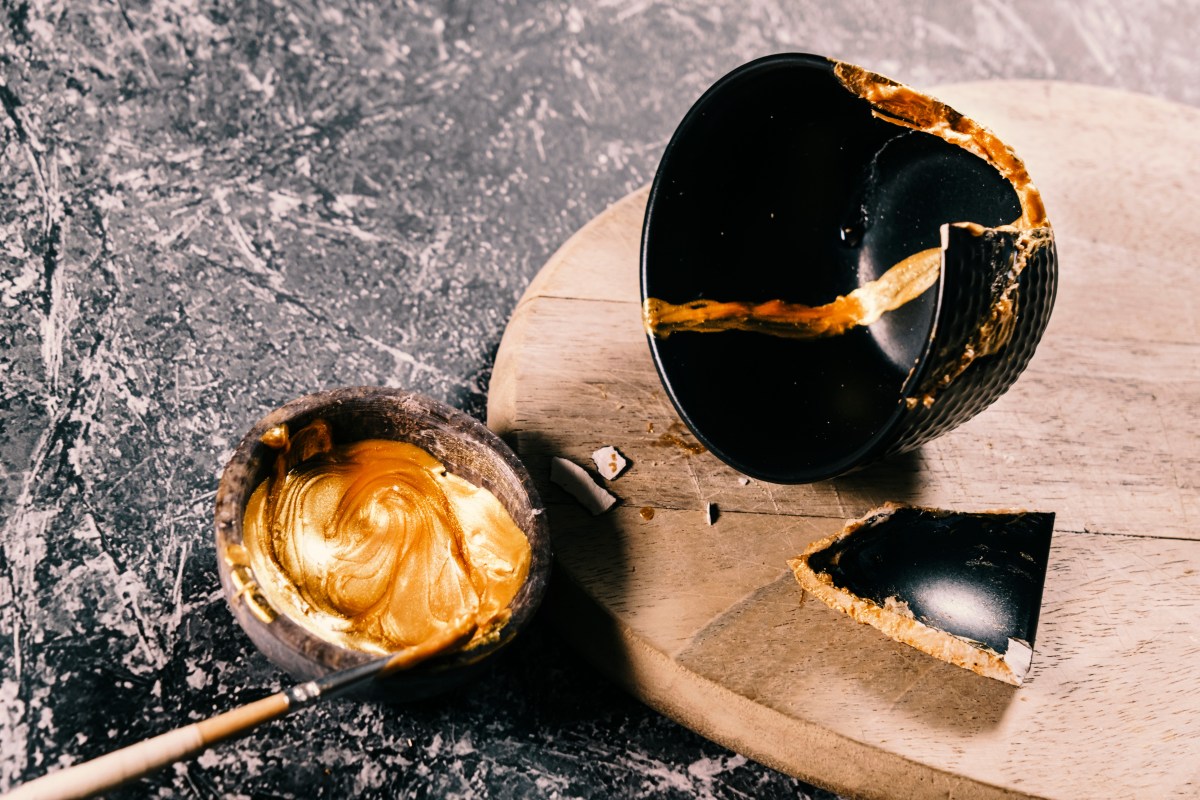
The workshop experience typically begins with tea and gentle conversation about the philosophy behind the practice. Master artisans, many trained in the traditional methods passed down through generations, explain how kintsugi emerged from Japanese aesthetic principles and cultural values. They demonstrate the preparation of urushi lacquer mixed with precious metal powders, explaining how the materials themselves reflect the practice’s values—using only the finest substances to honor the repair process.
The actual repair work requires intense focus and patience. Participants learn to hold broken pieces gently, to understand their unique patterns of breakage, and to envision how golden lines might transform damage into beauty. The process cannot be rushed; the lacquer must be applied with careful attention, each line deliberately placed to both strengthen the piece and create aesthetic harmony.
Many participants describe the experience as profoundly moving. Holding broken ceramics in their hands, they often reflect on their own experiences of breaking and healing. The careful process of applying golden lacquer becomes a meditation on resilience, acceptance, and transformation. By the end of the workshop, participants take home not just a repaired object but a tangible reminder of kintsugi’s teachings about finding beauty in brokenness.
These hands-on experiences offer travelers something unique: the opportunity to engage with Japanese culture not as observers but as participants in an ancient practice. The workshops provide cultural immersion that goes far deeper than typical tourist activities, offering genuine encounter with Japanese philosophical traditions and artistic practices.
The Master’s Touch: Learning from Tokyo’s Kintsugi Artisans
Tokyo’s kintsugi workshops are led by artisans who represent living links to centuries of tradition. These master craftspeople, trained in methods passed down through generations, offer participants access to authentic techniques and deep philosophical understanding.
Master Yoshiichiro and Yoshiko Kuge represent the kind of passionate dedication that characterizes Tokyo’s kintsugi community. Training at traditional craft institutions, they’ve spent decades perfecting not just the technical aspects of kintsugi but understanding its spiritual dimensions. Their workshops near Shin Koenji provide intimate settings where participants can experience the full depth of kintsugi practice.
These artisans emphasize that kintsugi mastery requires much more than technical skill. True practitioners must develop sensitivity to materials, understanding how different types of ceramic respond to repair, how various lacquer mixtures behave, and how golden lines can be positioned to create both structural integrity and aesthetic beauty. This knowledge comes only through years of patient practice and deep respect for the craft.
The master-student relationship in kintsugi training reflects traditional Japanese approaches to learning. Masters don’t simply teach techniques; they model ways of being, demonstrating the patience, attention, and spiritual awareness that the practice requires. Students learn not just how to repair ceramics but how to approach life’s breaks with similar grace and wisdom.
For international visitors, these workshops offer rare opportunities to learn directly from masters who embody centuries of tradition. The experience goes far beyond craft instruction to become cultural exchange at its deepest level. Participants gain insight not just into kintsugi techniques but into Japanese approaches to difficulty, beauty, and transformation.
Beyond the Workshop: Integrating Kintsugi Wisdom into Daily Life
The true power of kintsugi extends far beyond the workshop setting into daily life application. The philosophy offers practical wisdom for navigating modern challenges, from personal setbacks to relationship difficulties to professional disappointments.
One of the most immediate applications involves changing our relationship with mistakes and failures. Instead of viewing these as problems to hide or overcome, kintsugi thinking encourages us to see them as opportunities for growth and transformation. A career setback might become the golden line that leads to a more authentic professional path. A relationship ending might create space for deeper self-understanding and more genuine future connections.
The practice also offers guidance for dealing with criticism and judgment, both from others and ourselves. Kintsugi suggests that our imperfections and vulnerabilities, rather than being sources of shame, can become sources of connection and beauty. By accepting and even highlighting our authentic selves—cracks and all—we often discover that others respond with greater warmth and acceptance than we expected.
In relationships, kintsugi principles can transform how we handle conflict and disagreement. Instead of trying to pretend that arguments never happened or returning to exactly how things were before, couples can practice “relationship kintsugi”—acknowledging what broke, understanding why it happened, and finding ways to repair that honor both the original connection and the new understanding that emerged from the break.
The aesthetic principles of kintsugi can also influence how we create and organize our living spaces. Rather than pursuing perfect magazine-worthy interiors, we might embrace the beauty of objects that show their history, furniture that bears the marks of use, spaces that reflect authentic living rather than styled perfection.
The Global Renaissance: Kintsugi’s International Impact
While rooted in specifically Japanese cultural values, kintsugi has found remarkable resonance worldwide. Its principles speak to universal human experiences of breaking and healing, offering wisdom that transcends cultural boundaries while maintaining its distinctive Japanese character.
International interest in kintsugi reflects broader cultural shifts toward authenticity, sustainability, and mental health awareness. In a world increasingly concerned with perfectionism’s psychological costs, kintsugi offers an alternative vision that celebrates imperfection as a source of beauty and strength. Its emphasis on repair rather than replacement aligns with growing environmental consciousness and desire for sustainable practices.
The practice has influenced fields ranging from architecture to fashion to organizational development. Architects incorporate kintsugi principles into buildings that highlight rather than hide structural repairs. Fashion designers create collections that celebrate visible mending and authentic wear. Business consultants apply kintsugi thinking to help organizations recover from setbacks and transform challenges into competitive advantages.
Social media has played a complex role in kintsugi’s global spread. While platforms like Instagram might seem antithetical to kintsugi’s embrace of imperfection, many users have found ways to share kintsugi-inspired content that challenges perfect-image culture. Photos of kintsugi pottery, stories of personal transformation, and discussions of authentic beauty have created online communities around kintsugi principles.
This global interest has created both opportunities and challenges. While increased awareness brings kintsugi wisdom to wider audiences, there’s also risk of superficial appropriation that misses the practice’s deeper philosophical foundations. Authentic engagement with kintsugi requires understanding its cultural roots and committing to the patient, meditative practice that true mastery demands.
Your Kintsugi Journey: Planning Your Tokyo Experience
For travelers inspired to experience kintsugi firsthand, Tokyo offers exceptional opportunities to engage with this profound practice. Planning your kintsugi journey requires understanding both the practical details and the deeper preparation that will make your experience most meaningful.
The city’s workshops vary in approach and intensity, from introductory sessions perfect for curious beginners to intensive courses for serious practitioners. Some focus primarily on technique, teaching the practical skills needed to repair ceramics with golden lacquer. Others emphasize the philosophical dimensions, using the repair process as a gateway to understanding Japanese aesthetic principles and approaches to resilience.
When selecting a workshop, consider what you hope to gain from the experience. If you’re primarily interested in learning a new craft skill, look for sessions that emphasize hands-on technique and provide detailed instruction in materials and methods. If you’re drawn more to kintsugi’s philosophical teachings, seek workshops that include discussion of aesthetic principles and cultural context.
The most transformative experiences often combine both technical instruction and philosophical exploration. These workshops typically begin with background on kintsugi’s cultural origins and aesthetic principles, proceed through hands-on repair work, and conclude with reflection on how the practice’s wisdom might apply to daily life. Participants leave with both a beautifully repaired ceramic piece and deeper understanding of Japanese approaches to difficulty and transformation.
Many workshops include additional cultural elements that enrich the experience. Some begin with traditional tea ceremony, helping participants enter the mindful state that kintsugi practice requires. Others include visits to ceramic studios or museums, providing broader context for understanding Japanese ceramic traditions. The most comprehensive experiences might extend over multiple days, allowing time for both intensive practice and reflection on the philosophical dimensions.
Several Tokyo studios offer English-language instruction specifically designed for international visitors. These workshops maintain authentic traditional methods while providing cultural context that helps foreign participants understand kintsugi’s deeper meanings. Master artisans at these studios often have years of experience working with international students, understanding how to bridge cultural differences while preserving the practice’s essential character.
The timing of your visit can influence your experience. While kintsugi workshops operate year-round, some visitors find particular meaning in experiencing the practice during specific seasons. Spring sessions might emphasize themes of renewal and growth, connecting kintsugi’s transformation metaphors with cherry blossom season’s celebration of beauty and impermanence. Autumn workshops often focus on acceptance and letting go, using kintsugi principles to explore healthy responses to loss and change.
Preparation for your kintsugi experience can begin before you arrive in Tokyo. Reading about Japanese aesthetic principles, particularly wabi-sabi and mono no aware, will deepen your understanding of the cultural context. Reflecting on your own experiences of breaking and healing—whether physical objects, relationships, or personal challenges—can help you connect personally with kintsugi’s teachings.
Consider bringing or selecting ceramic pieces that have personal meaning for your workshop. While studios provide materials, working on objects that carry emotional significance can make the experience more profound. Some participants bring items inherited from family members, creating new layers of meaning as they apply golden repair to objects that already carry intergenerational stories.
Bringing Kintsugi Home: Continuing the Practice
Your kintsugi experience in Tokyo can become the beginning of a lifelong practice rather than just a travel memory. The techniques learned in workshops can be applied to ceramic repairs at home, but more importantly, the philosophical principles can influence how you approach life’s ongoing challenges and opportunities.
Creating a home kintsugi practice requires both materials and mindset. Basic supplies—urushi lacquer, metal powders, brushes, and mixing tools—can be obtained from specialized suppliers, though finding authentic materials outside Japan requires research and patience. Some practitioners adapt the technique using more readily available materials, though purists argue that authentic kintsugi requires traditional substances.
More important than perfect materials is cultivating the patient, accepting mindset that makes kintsugi practice meaningful. This involves developing comfort with imperfection, skill in mindful attention, and willingness to spend time with broken things rather than immediately discarding them. Regular meditation or mindfulness practice can support these qualities, as can studying Japanese aesthetic principles and cultural values.
Many practitioners find that their understanding of kintsugi deepens over time. Initial workshops provide introduction to techniques and concepts, but the practice’s fuller implications often emerge through continued engagement. Keep a journal of your experiences with both ceramic repair and life’s breaks and healings. Notice how your relationship with imperfection evolves, how your definitions of beauty shift, and how your responses to difficulty change.
Consider connecting with other kintsugi practitioners, both locally and online. Communities of practice provide opportunities to share experiences, discuss challenges, and deepen understanding of the philosophy’s applications. Some cities have groups that meet regularly for kintsugi practice, combining ceramic repair work with discussions of the practice’s broader implications.
Your ongoing kintsugi journey might also include return visits to Tokyo, each offering opportunities to deepen your practice and understanding. Advanced workshops provide instruction in more complex techniques, while repeated engagement with master artisans can reveal subtleties that single visits miss. Some practitioners develop ongoing relationships with Tokyo studios, returning annually for intensive practice and philosophical discussion.
The Golden Thread: Kintsugi’s Enduring Wisdom
As you walk through Tokyo’s bustling streets after your kintsugi workshop, ceramic piece carefully wrapped in your bag, you carry more than a souvenir. The golden lines that now traverse what was once broken represent a profound shift in how you understand beauty, strength, and healing. These veins of precious metal don’t just hold ceramic fragments together—they connect you to ancient wisdom about finding grace in difficulty and transformation in loss.
The philosophy behind kintsugi offers no easy answers or quick fixes. Instead, it provides a different lens through which to view life’s inevitable challenges. It suggests that our breaks and repairs are not footnotes to our stories but central chapters, not problems to solve but opportunities to discover new forms of beauty and strength.
In a world that often demands perfection and punishes vulnerability, kintsugi whispers a revolutionary truth: that our cracks and imperfections are not flaws to hide but stories to celebrate. The golden lines that result from mindful repair create patterns more intricate and beautiful than any original design could achieve. They speak to the profound beauty that can emerge not despite our wounds but because of them.
Your Tokyo kintsugi experience becomes part of a larger conversation between ancient wisdom and contemporary needs. As you integrate the practice’s teachings into daily life, you join a growing community of people around the world who are discovering that brokenness can be a beginning rather than an ending, that authentic beauty often emerges from authentic struggle, and that the most profound strength comes not from avoiding damage but from transforming it into something golden.
The ceramic piece you created in that quiet Tokyo workshop will serve as a permanent reminder of these truths. But more importantly, the experience of creating it—the patience required, the acceptance practiced, the transformation witnessed—becomes part of you. Like the golden lines that now traverse your repaired ceramic, the wisdom of kintsugi becomes woven into the fabric of your being, ready to illuminate whatever breaks and healings await.
In the end, kintsugi teaches us that we are all works in progress, all bearing the golden lines of our experiences, all beautiful not in spite of our imperfections but because of how we’ve chosen to honor and integrate them. This is the enduring gift of Japan’s golden philosophy: the understanding that beauty and strength don’t require perfection—they require only the courage to embrace what is, the wisdom to work with what we have, and the patience to transform our breaks into something precious and new.
Ready to experience the transformative power of kintsugi for yourself? Discover authentic workshops in Tokyo where master artisans will guide you through this ancient practice, helping you create your own golden masterpiece while learning profound lessons about resilience, beauty, and healing. Book your kintsugi journey today and bring home more than a souvenir—bring home a new way of seeing.