Heian Shrine: Embracing Tradition and Captivating Visitors with Its Timeless Charm<Kyoto>

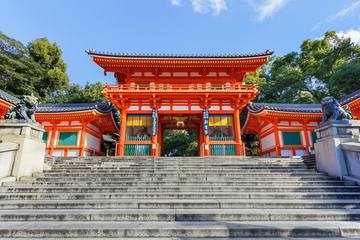
Heian Shrine, with its vibrant vermilion grounds, is a must-visit destination in Kyoto, renowned for its beauty. It holds a special place in Kyoto's heart, serving as a venue for weddings, concerts, and other events, and has been cherished by the locals since its establishment. While Kyoto is known for its ancient temples and shrines, did you know that Heian Shrine is relatively young? So why does Heian Shrine hold such a deep affection from the people of Kyoto? In this article, we will unravel the mystery and guide you through its highlights and recommended spots in the surrounding area!
*This article is translated using ChatGPT.
For the latest information on each tourist spot and facility, we recommend checking the official website.
- 日本 、京都府
Basic Information about Heian Shrine
History
Heian Shrine was established in 1895 to commemorate the 1,100th anniversary of the Heian Capital. It was built by the people of Kyoto with the hope of revitalizing the city, which had suffered from the turmoil of the late Edo period. The shrine enshrines Emperor Kammu, the 50th emperor who played a significant role in the relocation of the capital to Heian-kyo. It is also the resting place of Emperor Komei, the 121st emperor, who is known for laying the foundation of the Meiji Restoration. The shrine's main hall, Daigoku-den, is a faithful reproduction of the main hall of the Imperial Palace in Heian-kyo, preserving the elegance of the Heian period. It is designated as an important cultural property of Japan.
Access
Address: 97 Okazaki Nishitenno-cho, Sakyo-ku, Kyoto City, Kyoto Prefecture
By Train
The nearest subway station to Heian Shrine is "Higashiyama Station" on the Tozai Line, or "Sanjo Station" or "Jingu-marutamachi Station" on the Keihan Kamotomgawa Line. It is about a 10-minute walk from Higashiyama Station and about a 15-minute walk from Sanjo Station or Jingu-marutamachi Station.
If you are coming from Kyoto Station, taking a bus is convenient. Take city bus routes 5 or Keihan Bus routes 100 or 110 and get off at the "Okazaki Koen Bijutsukan Heian Jingu-mae" bus stop. It is about a 5-minute walk north from there.
By Car
There is no parking lot at Heian Shrine. However, there are temporary paid parking lots around Okazaki Park, such as the Kyoto Municipal Okazaki Park Parking Lot. If you are coming by car, please use the nearby parking lots.
However, please note that the area can get congested at times, so using public transportation is recommended whenever possible.
Visiting Hours
Please note that the visiting hours at Heian Shrine may vary depending on the season. The distribution of amulets and stamps starts from 7:30.
If you plan to visit the garden, make sure to check the garden's admission hours in advance. Entry to the garden is closed 30 minutes before the last admission time.
-
March 15th - September 30th:
- Shrine grounds: 6:00 - 18:00
- Garden: 8:30 - 17:30
-
October 1st - October 31st:
- Shrine grounds: 6:00 - 17:30 (6:00 - 12:00 on the day of the Jidai Festival)
- Garden: 8:30 - 17:00 (9:30 - 11:30 on the day of the Jidai Festival)
-
November 1st - February 14th:
- Shrine grounds: 6:00 - 17:00
- Garden: 8:30 - 16:30
-
New Year's season:
- December 31st - January 1st: Shrine grounds open all night until 20:00 on December 31st, 6:00 - 19:30 on January 2nd and 3rd, and 6:00 - 18:30 on January 4th and 5th. Garden: 8:30 - 16:30.
-
February 15th - end of February:
- Shrine grounds: 6:00 - 17:30
- Garden: 8:30 - 17:00
-
March 1st - March 14th:
- Shrine grounds: 6:00 - 17:30
- Garden: 8:30 - 17:00
Admission Fee
There is no admission fee for the shrine grounds. The garden admission fee is 600 yen for adults and 300 yen for children. Discounts are available for groups of 30 people or more. The garden holds two free admission days in June and September.
Prayer Services
You can also request prayer services for events such as Shichi-Go-San (a traditional rite of passage for children) or coming-of-age ceremonies. The prayer reception is open from 9:00 to 16:00, and no reservation is required. The reception is located on the left side of the main hall (Daigoku-den). The prayer fee starts from 5,000 yen and may vary depending on the content, so please confirm at the reception.
Highlights of Heian Shrine
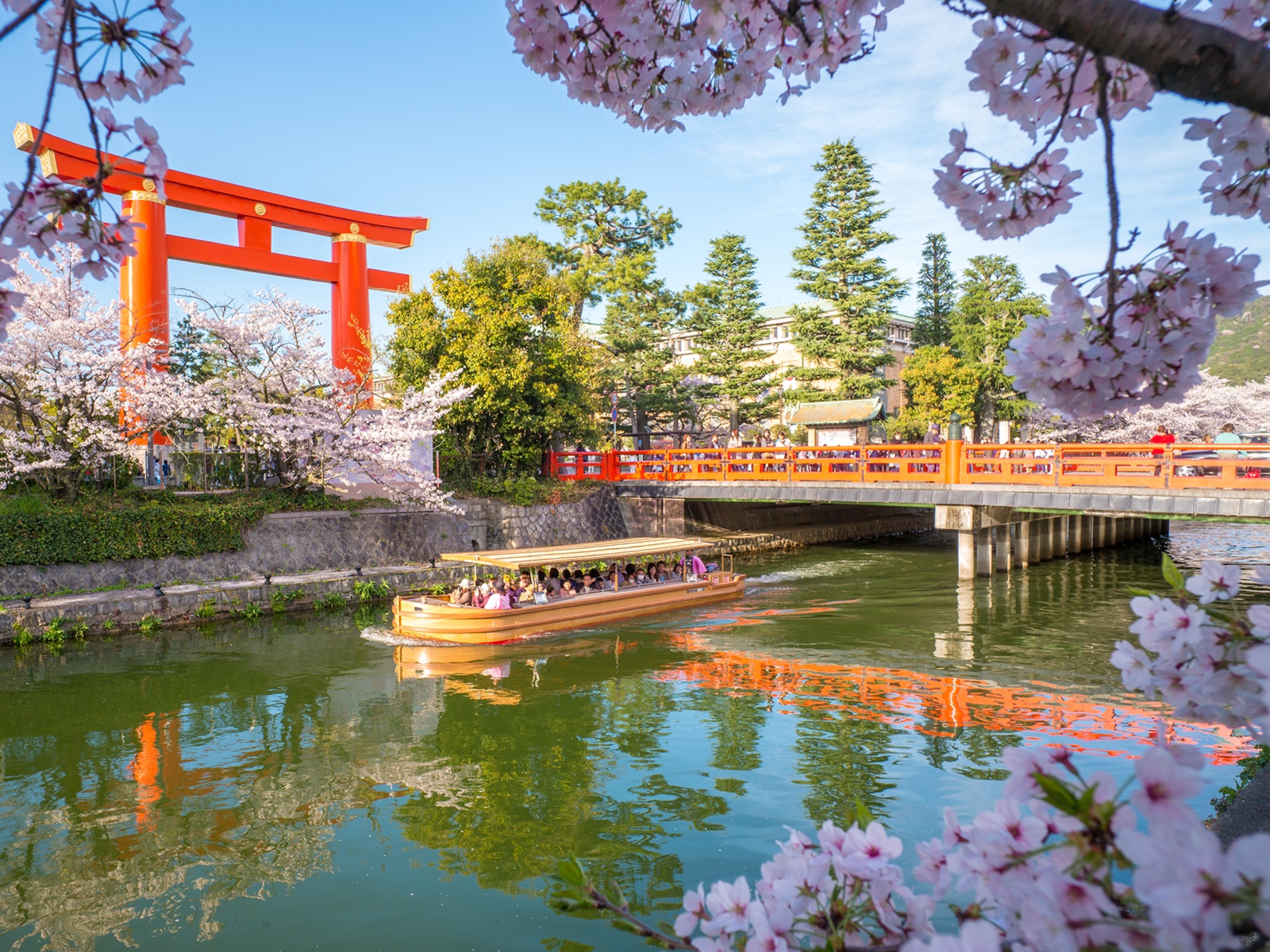
Cherry Blossoms
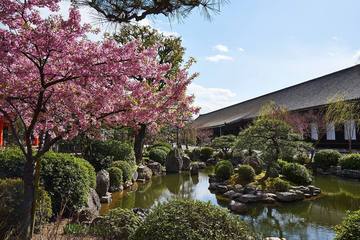
Heian Shrine is famous for its cherry blossoms, as depicted in Junichiro Tanizaki's novel "The Makioka Sisters" and Yasunari Kawabata's novel "The Old Capital." The distinctive feature of the cherry blossoms at Heian Shrine is their deep pink color. The best time to see them is from early to mid-April when the weeping cherry trees, with their elegantly cascading branches and delicate beauty, are in full bloom.
During the peak season, various events are held, including illuminations and the "Heian Shrine Red Weeping Cherry Concert" in early April. Enjoy the enchanting beauty of cherry blossoms in a serene and historical setting.
Daitorii
Daitorii is located on the path leading from Otenmon Gate to the shrine road, in front of the Kyoto National Museum. It was built in 1928 to commemorate the grand ceremonies of Emperor Showa. With a height of 24 meters and a width of 18 meters, it was said to be the largest torii gate in Japan at the time of its construction. This distinctive torii gate, impossible to miss even from a distance, has become a symbol of the Okazaki area surrounding the shrine.
Shin'en Garden
Shin'en Garden is a representative Japanese garden from the Meiji era, created in 1895 by Ogawa Jihei VII. With a total area of about 10,000 tsubo (approx. 33,000 square meters), the garden features a pond and strolling garden layout surrounding the main shrine. It is divided into four sections: south, west, center, and east, each with its own unique charm. In spring, you can enjoy the beauty of weeping cherry blossoms, while in early summer, there are irises and Japanese water irises. Designated as a national scenic spot in 1976, the garden offers a glimpse of the breathtaking nature that changes with the seasons.
Events at Heian Shrine
Reisai Festival
The Reisai Festival, held on April 15th , is the most important annual event at Heian Shrine. It commemorates the day when Emperor Kammu ascended the throne and received the congratulations of the court officials.
Nagoshi-no-Oharae Ceremony
The Nagoshi-no-Oharae Ceremony is a summer purification ritual held on June 30th . Participants pass through a ring made of straw to cleanse themselves of impurities accumulated during the first half of the year and pray for good health in the remaining half.
Kyoto Takigi Noh
Kyoto Takigi Noh is a performance of Noh and Kyogen plays held in collaboration between Kyoto City and the Kyoto Nohgaku Kai. It takes place over two days, June 1st and 2nd , on a specially built stage in front of the Daigoku-den at Heian Shrine. The sight of the Noh stage illuminated by bonfires against the backdrop of the vermilion-colored shrine is truly enchanting.
Jidai Festival
The Jidai Festival is an annual event held on October 22nd that showcases Kyoto's traditional arts and crafts. It started in 1895, the same year as the shrine's establishment, and is now considered one of Kyoto's three major festivals. Participants wearing costumes from eight different historical periods, including the Edo, Azuchi-Momoyama, Muromachi, Yoshino, Kamakura, Heian, and Enryaku eras, reenact the lifestyles and prosperity of the people of those times. Although relatively young in history, the Jidai Festival is a prestigious festival that embodies the pride of Kyoto, where you can understand Kyoto's history and culture at a glance.
Gourmet Information at Heian Shrine
Rokusai
Rokusai is a renowned Kyoto cuisine restaurant known for its boxed lunches. Inspired by the design of a wooden bucket used for storing tofu, their boxed lunches are not only visually stunning but alsoallow you to enjoy Kyoto cuisine easily. Rokusai is also the first soufflé specialty shop in Kyoto and has a café corner where you can indulge in exquisite soufflés made with seasonal fruits. It's a must-try experience.
Address: 71 Okazaki Nishitennocho, Sakyo-ku, Kyoto City, Kyoto
Kyoto Modern Terrace
Kyoto Modern Terrace is a café-restaurant located on the second floor of Tsutaya Bookstore. It offers grilled dishes cooked with firewood and more. The building's modern design, originally created by renowned Japanese architect Kuniyo Ogawa, exudes a sophisticated yet serene atmosphere. With terrace seating and a bar counter, it's not only perfect for lunch or a coffee break but also worth visiting for dinner.
Address: Rohm Theatre Kyoto Park Plaza 2F, 13 Saishoji-cho, Okazaki, Sakyo-ku, Kyoto City, Kyoto
Experience the Sacred Ambience of Heian Shrine with Your Own Skin
In the serene embrace of Kyoto lies Heian Shrine, a captivating testament to the city's rich cultural heritage. With its vibrant vermilion buildings, tranquil gardens, and grand torii gate, Heian Shrine immerses visitors in the elegance of ancient Japan. Discover the allure of this cherished sanctuary as you stroll through the Shin'en Garden, marvel at the majestic Daitorii gate, and witness traditional rituals during festive events. Let the sakura petals and whispering winds carry you back in time, as you uncover the profound beauty and spiritual tranquility that Heian Shrine graciously offers. Embark on a journey of serenity and heritage, and let the sacred ambience of Heian Shrine leave an indelible imprint on your heart and soul.
*Thank you for reading the article!
To improve YOKKA's service, we kindly request your participation in a survey below.
YOKKA