Winter in Japan turns the familiar into the extraordinary. From snow-blanketed landscapes to cosy hot springs and vibrant festivals, Japan transforms into a winter wonderland that offers unique experiences you won’t find anywhere else at any other time of year. Snow-covered mountains, quiet temples dusted in white, festive city illuminations, and steaming onsen baths create a magical blend of adventure, tradition, and relaxation.
What to Expect from Japan Winter Tours
Japan winter tours showcase some of the country’s most magical cold-season experiences, from deep powder snow and festive winter events to tranquil hot springs and snow-dusted cultural sites.
Snowy Landscapes & Powdery Slopes
Many tours focus on Japan’s renowned ski and snowboarding destinations. Regions like Hokkaido and Nagano Prefecture regularly deliver top-quality snow, perfect for both first-time skiers and seasoned powder hunters.
Winter Festivals & Snow Events
Winter tours often coincide with spectacular seasonal festivals, such as the iconic Sapporo Snow Festival, featuring hundreds of snow and ice sculptures and festive lights.
Onsen & Hot Springs Under Snow
For a relaxing contrast to outdoor activities, many tours include visits to onsens (hot springs) — a magical experience when surrounded by snowy scenery.
Cultural & Scenic Highlights
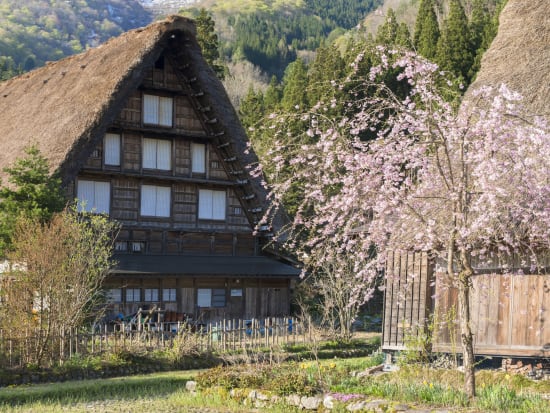
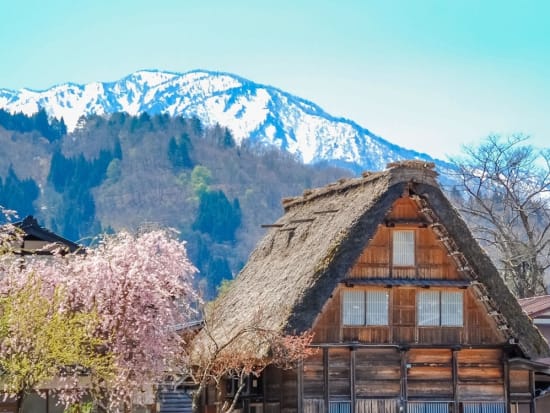
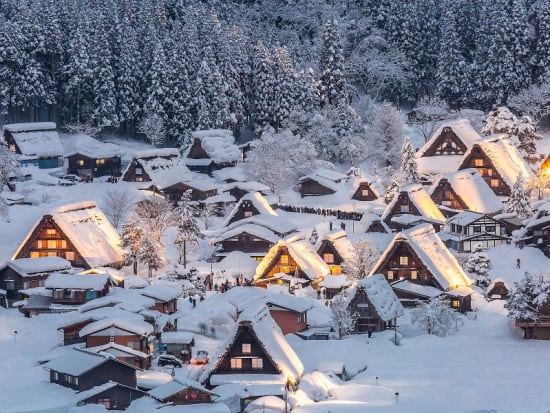
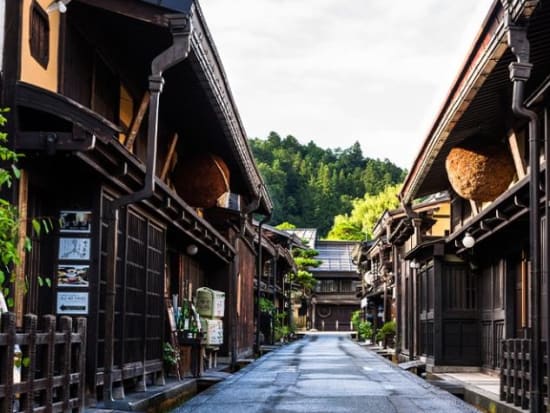
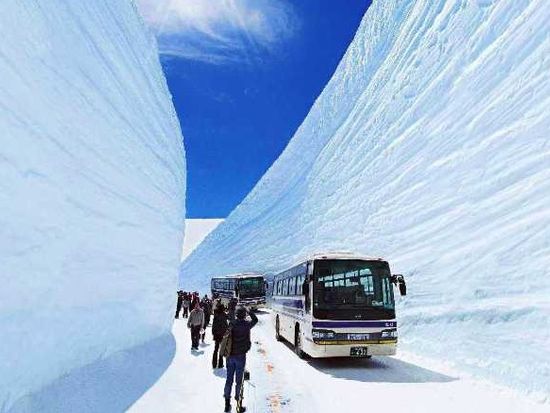
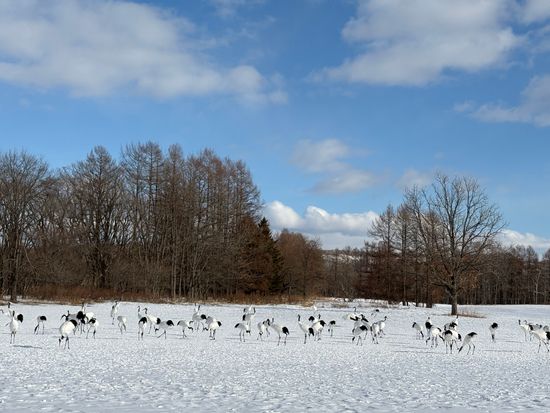
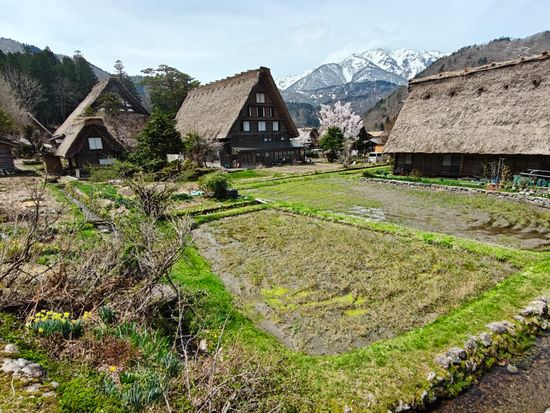
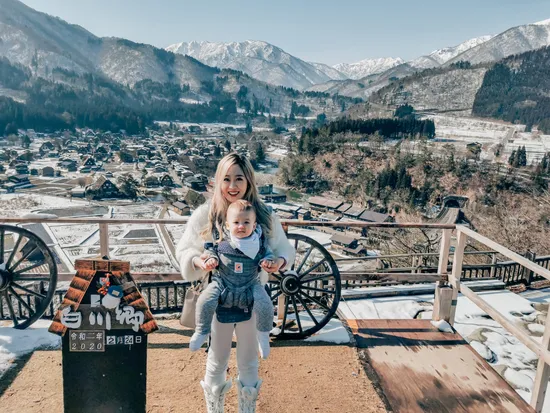
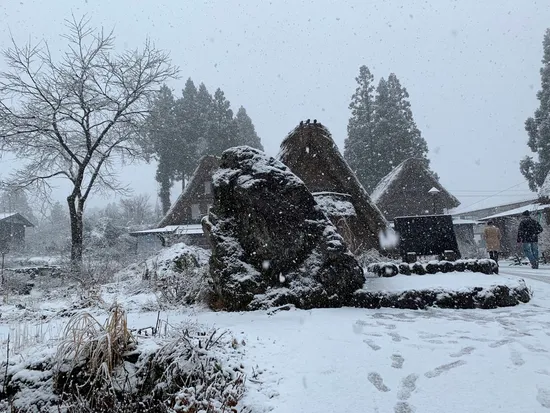
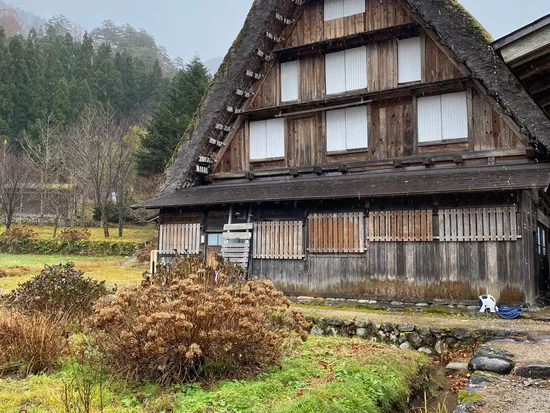
Expect to see snow-dusted temples, historic villages, snowy mountain vistas, and quiet winter landscapes — a serene, atmospheric side of Japan rarely experienced outside winter.
Fewer Crowds & Seasonal Ambience
Compared with peak cherry-blossom or autumn foliage seasons, winter tends to be less crowded (except in major ski and festival areas), offering a more relaxed pace and a chance to enjoy Japan’s quieter charm.
What Kind of Winter Traveller Are You?
Japan winter tours come in many flavours. Use the guide below to decide which tour style best matches your interests and travel goals.
-
Love skiing/snowboarding, night slopes, après-ski culture:
Ski-resort–focused tours in regions like Hokkaido and Nagano, with powder snow runs, lift passes, and comfortable resort stays.
-
Want winter scenery + culture + hot springs + sightseeing:
Mixed tours that combine snow villages, temples and shrines, onsen baths, and scenic drives through snowy countryside.
-
Prefer festivals, nightlife, and a winter city vibe:
Tours built around snow festivals, city illuminations, winter events, and evening entertainment in major cities.
-
Searching for a relaxing getaway in serene snow landscapes:
Onsen and countryside tours featuring snow-covered temples, tranquil villages, and slow-paced itineraries.
-
Interested in a balanced blend of comfort, culture, and snow fun:
Combination tours that mix cities and countryside with optional ski or snow activities, giving you flexibility and variety.
Typical Itinerary Themes
While every itinerary is unique, most Japan winter tours weave together a selection of these common themes:
- Snow resorts with skiing, snowboarding, and après-ski onsen stays.
- Winter festivals and snow or ice sculpture events, such as the Sapporo Snow Festival or regional snow celebrations.
- Snow-monkey or wildlife viewing combined with relaxing hot spring visits.
- Snow-dusted temples, historic villages, and scenic drives through the snowy countryside.
- Cozy onsens and winter-themed culinary experiences, including hotpot dishes and seasonal specialties.
A well-planned winter tour often combines multiple themes so you can enjoy active snow days, cultural highlights, and slow, relaxing moments in one trip.
Tips Before Booking & What to Check
To make the most of your Japan winter adventure, keep these practical tips in mind before you choose and book your tour:
-
Check snowfall and region timings:
Winter snow conditions vary greatly by region. Hokkaido and highland areas usually get heavy snow, while southern or coastal regions may see little to none. Choose destinations based on whether your priority is ski-quality snow, festivals, or cultural sightseeing.
-
Pack for winter conditions:
Warm layers, waterproof boots, thermals, gloves, and hats are must-haves, especially if you plan snow or mountain activities. In snow-heavy areas, waterproof boots and slip-resistant soles are strongly recommended.
-
Book early for ski resorts and festivals:
Peak winter months (December–February) bring high demand for popular resorts and major festivals, so secure accommodations, passes, and key experiences well in advance.
-
Balance activity and downtime:
Snow sports are exhilarating, but pairing them with onsen visits or relaxed sightseeing creates a more balanced, memorable itinerary.
-
Mind travel logistics:
Snowy weather can affect transport, especially in northern and mountainous areas. Look for tours that manage transfers, provide clear schedules, and are experienced in winter logistics for added peace of mind.
FAQ
When is the best time to visit Japan for winter tours?
Japan’s winter season typically runs from December through February. December marks the start of winter vibes and city illuminations, while January and February are prime months for reliable snow, ski resorts in full operation, and major snow festivals.
Are winter tours only for skiing and snow sports?
Not at all. While many tours highlight skiing and snowboarding, others focus on snow scenery, hot springs, cultural sites, and seasonal festivals. These options are ideal for travellers who want to enjoy winter without spending every day on the slopes.
What kind of clothing and gear should I bring?
Pack warm thermal layers, waterproof and windproof outerwear, sturdy shoes or boots with good grip, gloves, and hats. Accessories like scarves and hand warmers can make a big difference. In snow-heavy areas, waterproof boots with slip-resistant soles are highly recommended for comfort and safety.
Are onsen (hot springs) tours available during winter?
Yes. Visiting an onsen in winter, surrounded by snow, is one of the most popular and memorable Japan experiences. Many winter tours include onsen stays at traditional inns or day trips to hot-spring towns as a highlight of the itinerary.
Is traveling around Japan in winter difficult?
It depends on the region and daily weather. Northern and mountainous areas can receive heavy snowfall that occasionally affects transport. However, much of Japan — especially major cities and well-connected regions — remains accessible thanks to well-maintained rail and road networks. Choosing tours with reliable transport arrangements helps ensure smoother winter travel.